top of page
P1070726.JPG

INTENT:

"A space dedicated to showcasing my work with Earthbag and Eco-Brick construction. The gallery offers a glimpse into the environments, communities, and hands-on methods that shaped these projects, highlighting both the craft and the context behind each build."

432110_393014414043516_235788786_n.jpg

FOCUS:

019 (2).JPG
Alternative Materials

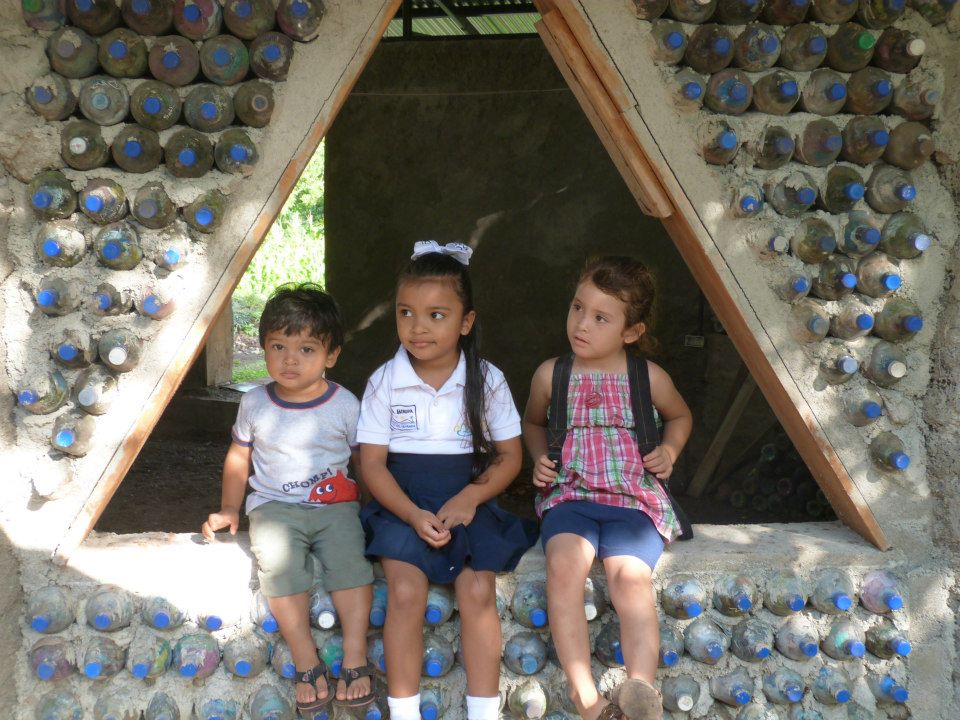
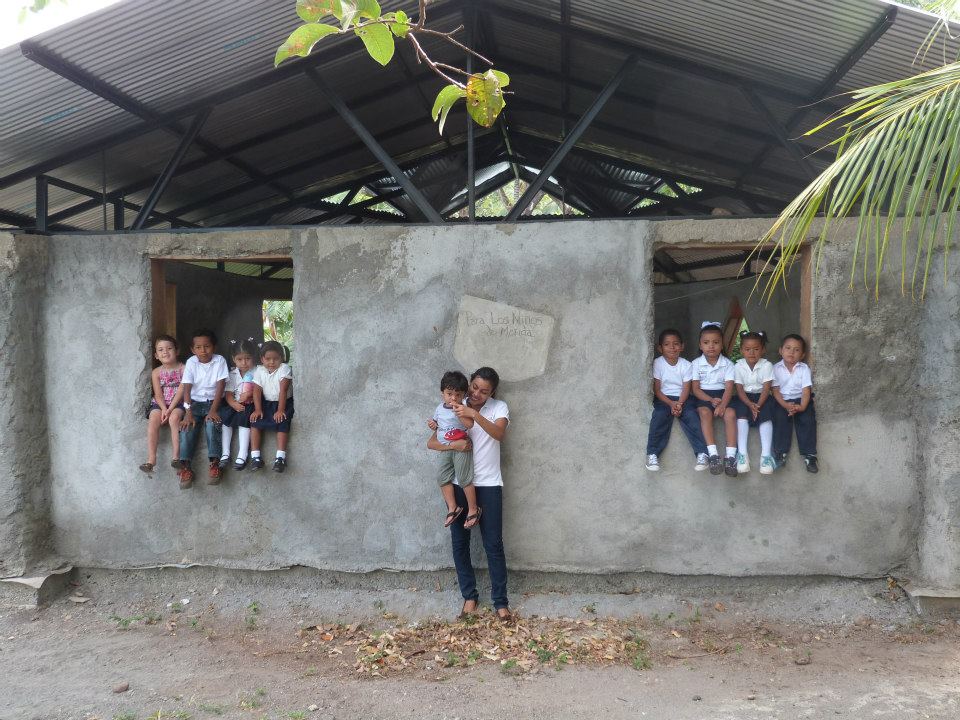
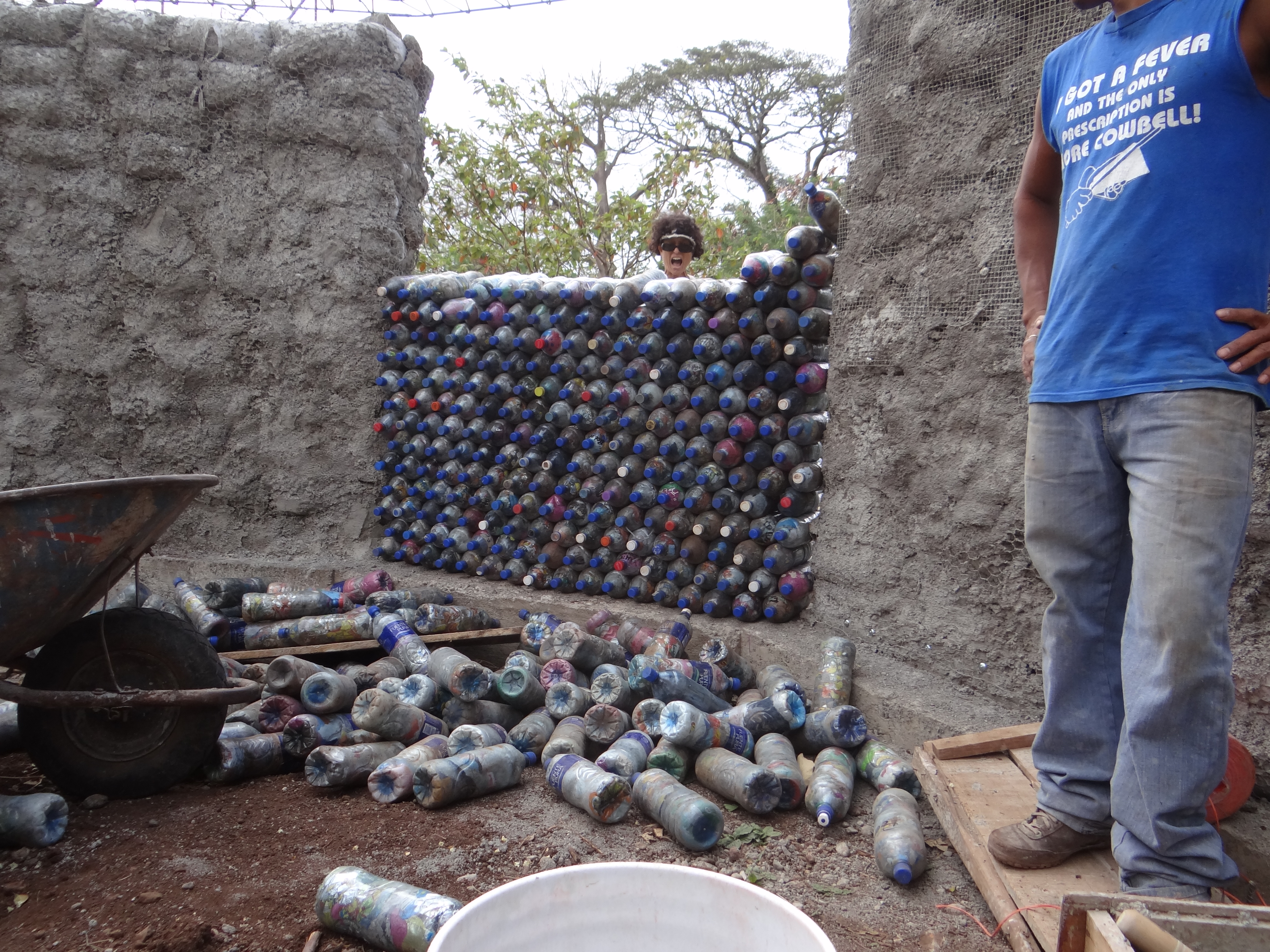
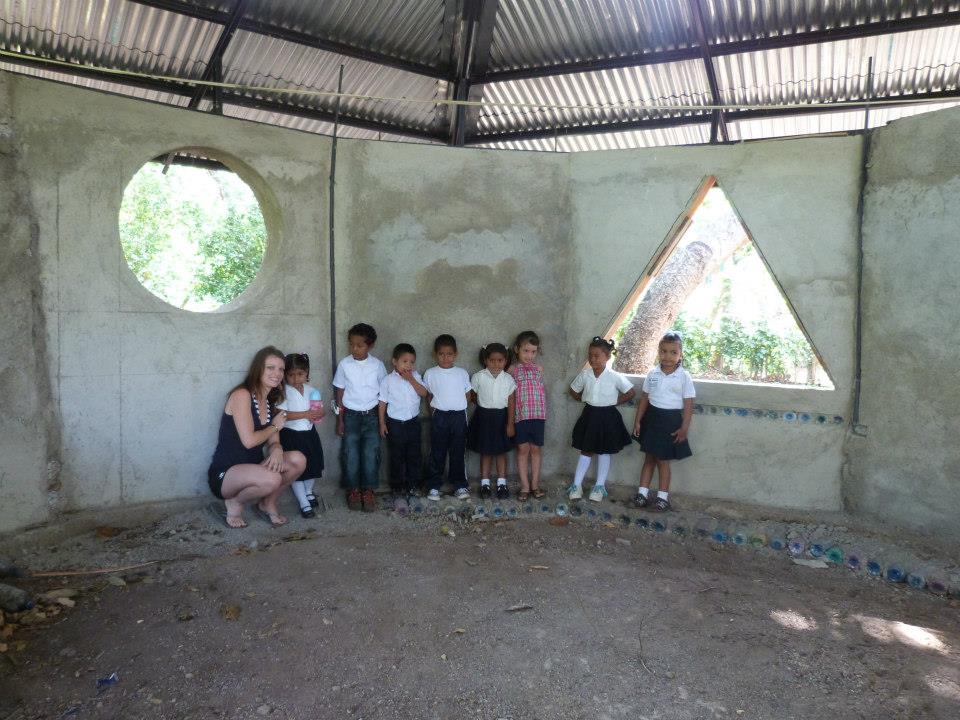
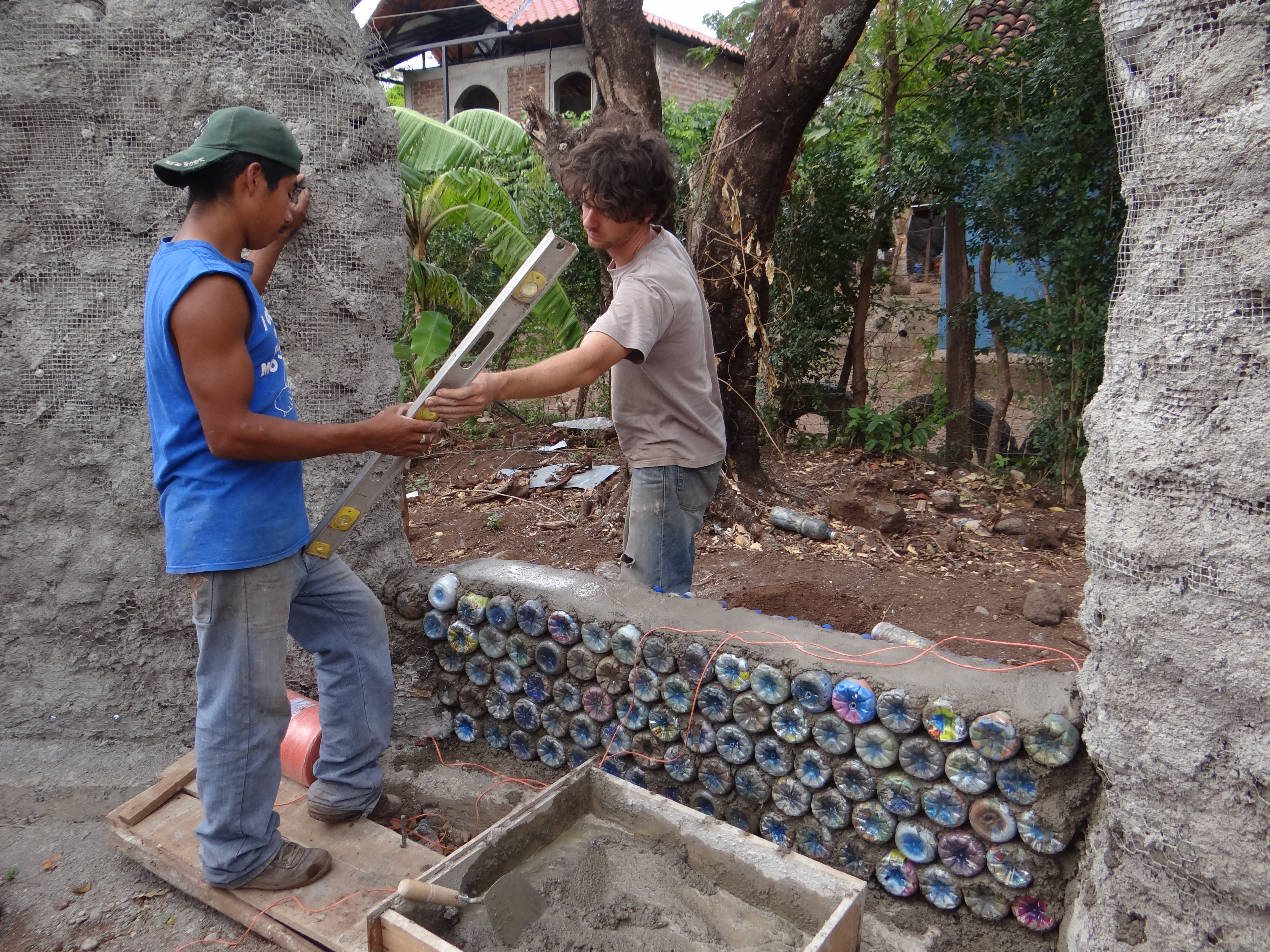
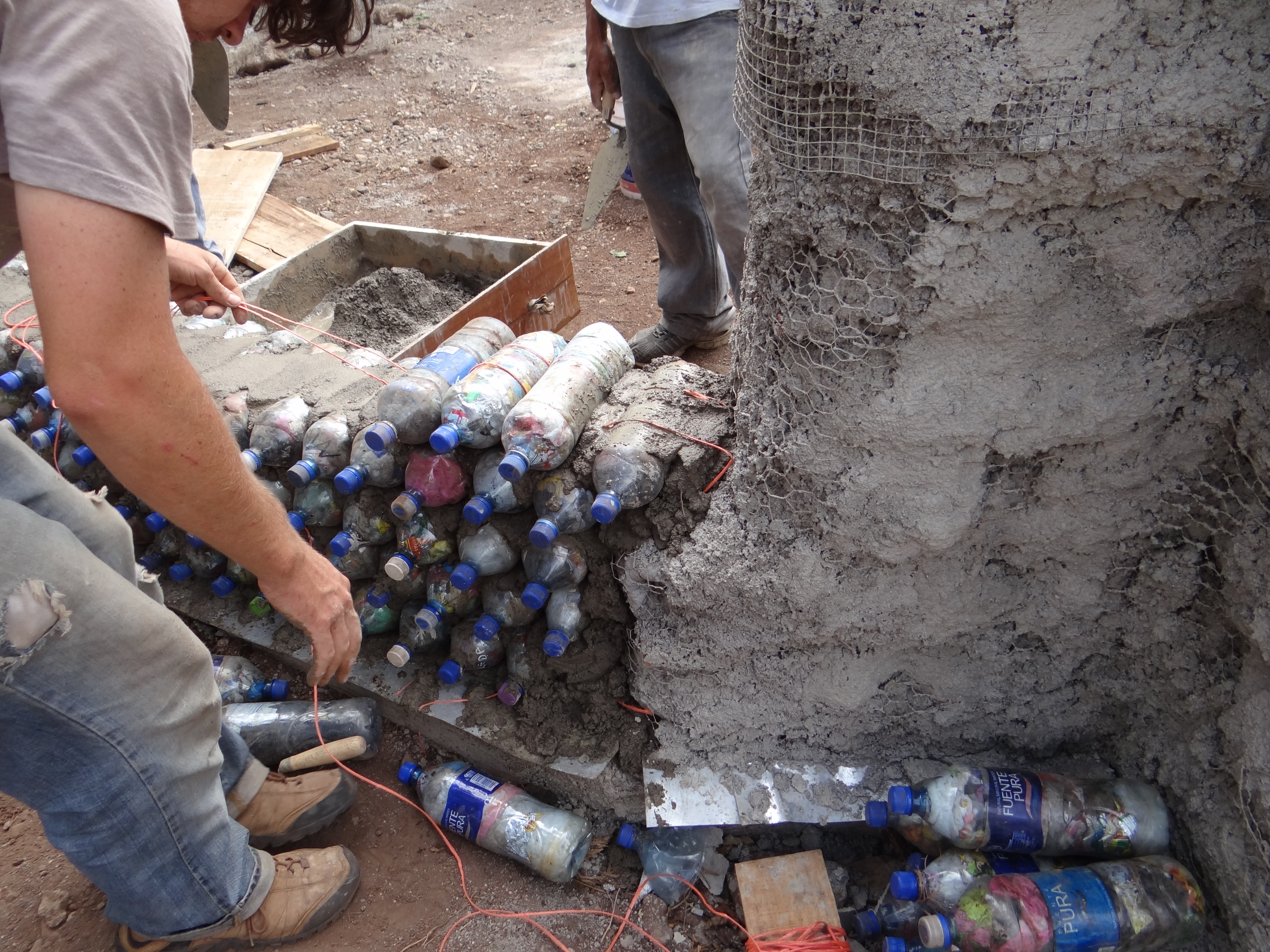
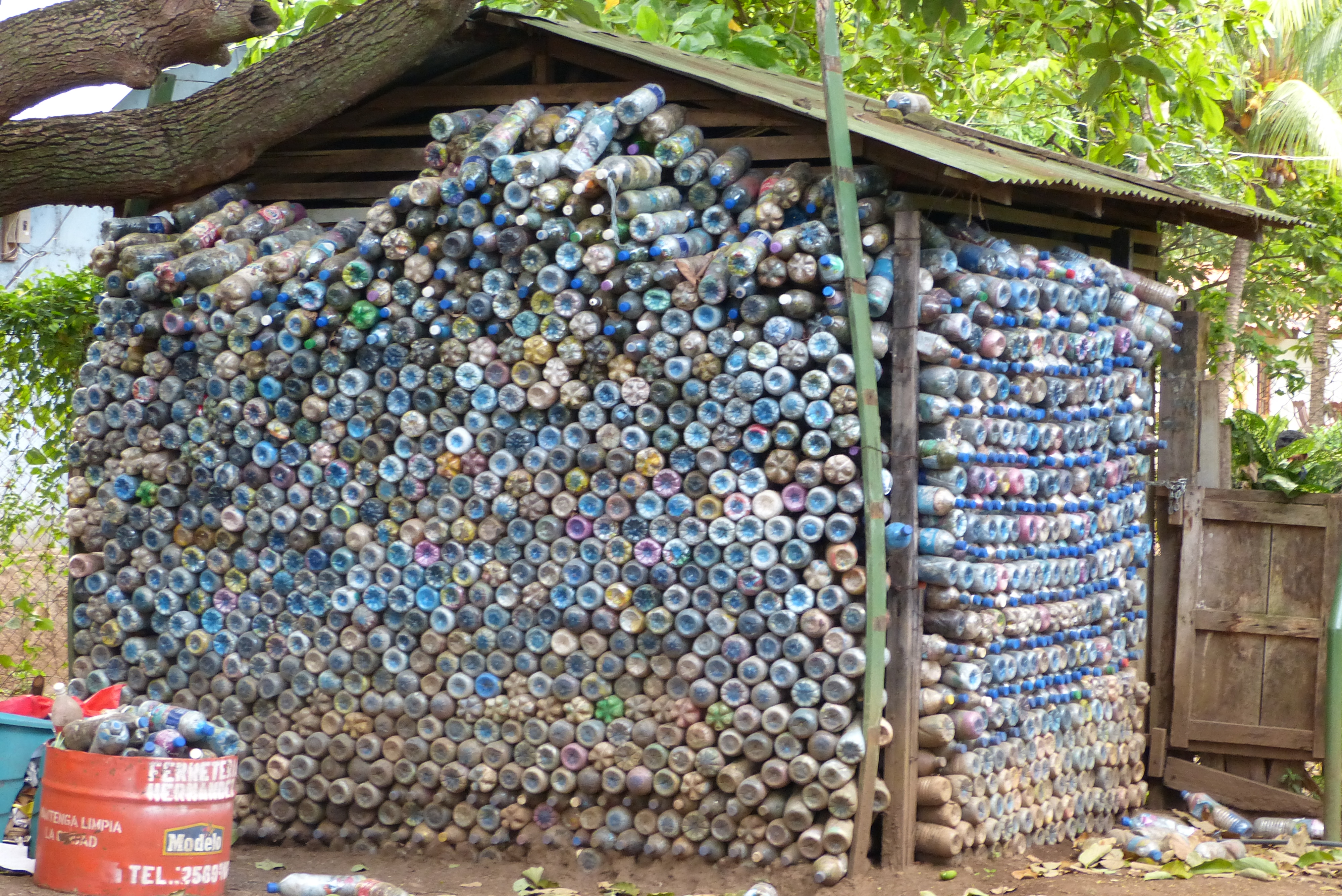
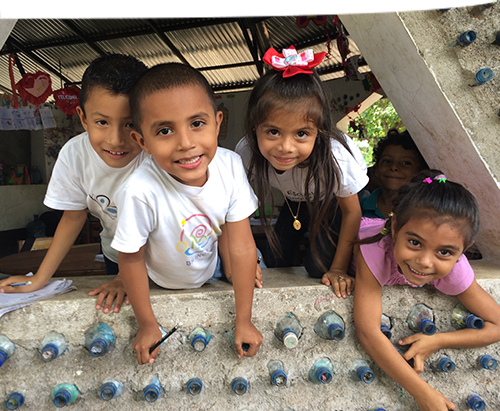
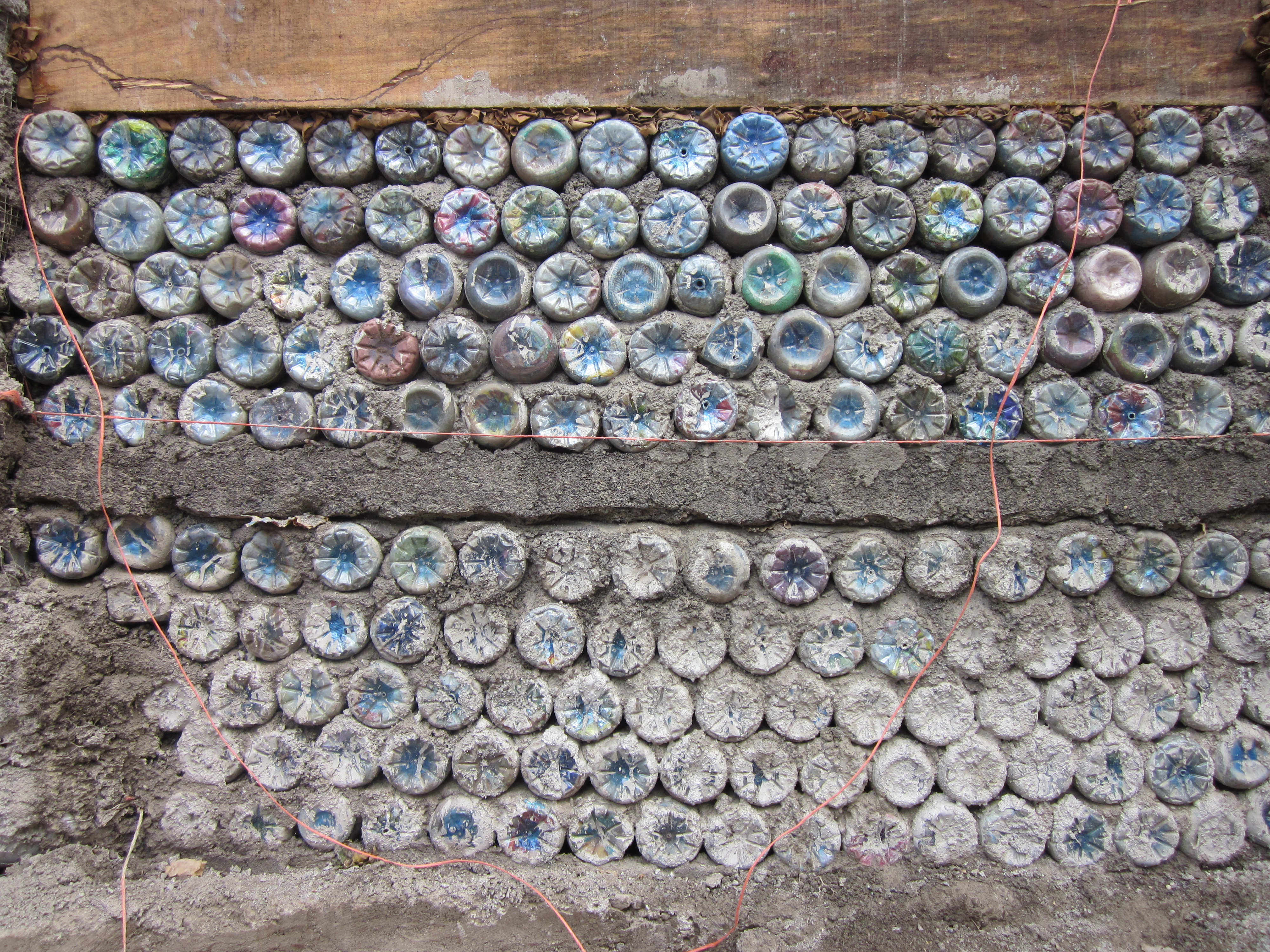
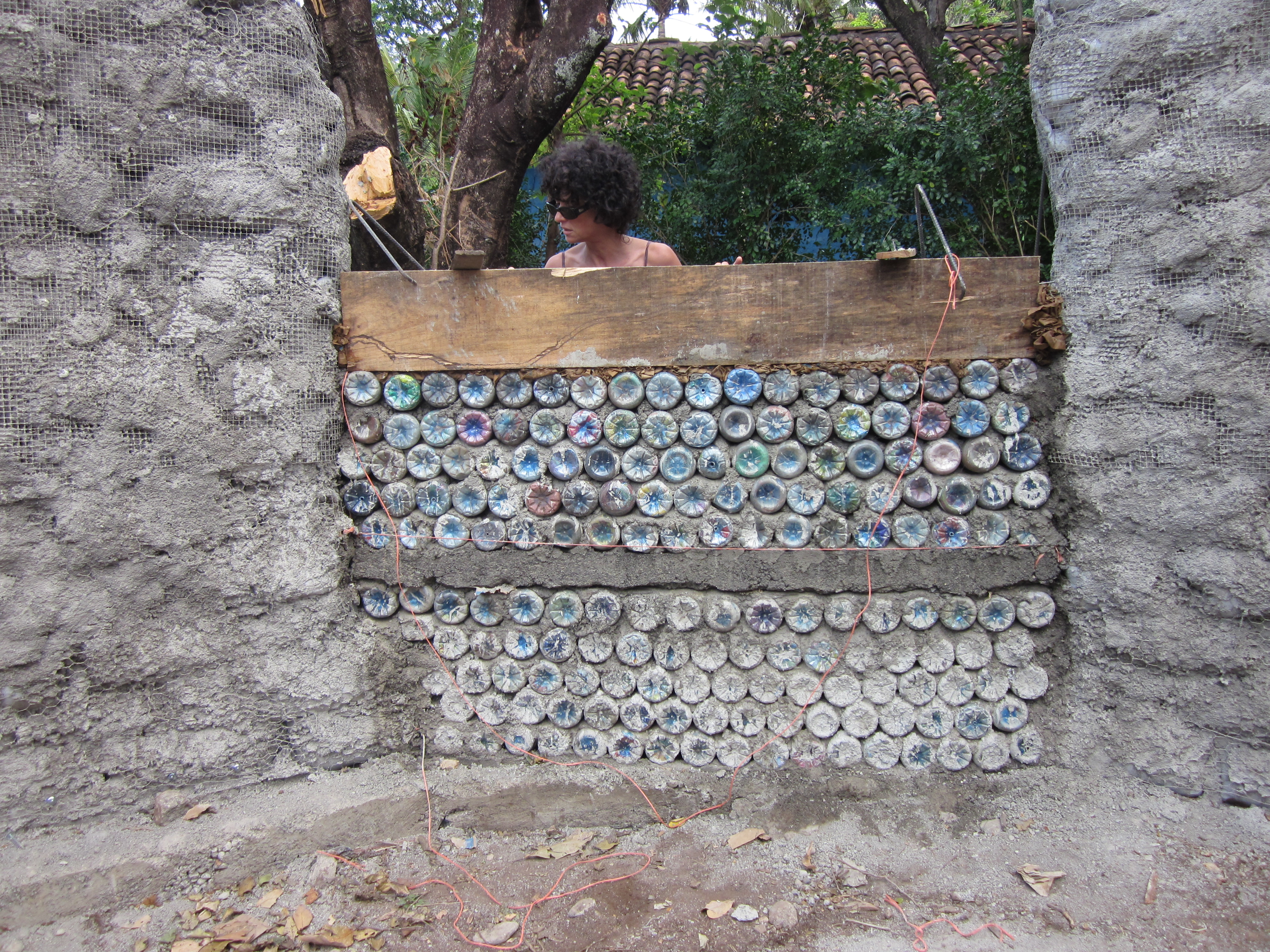
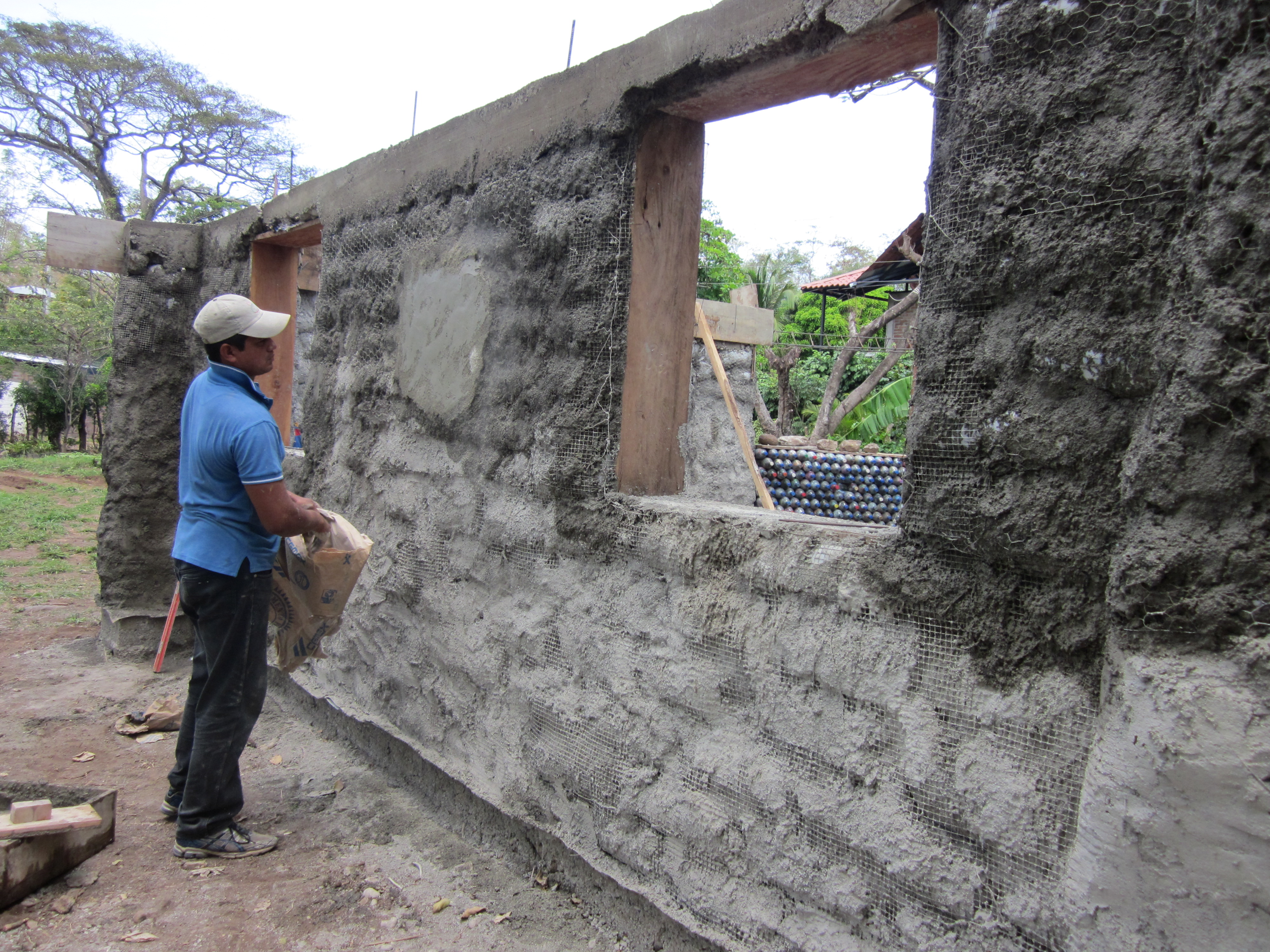
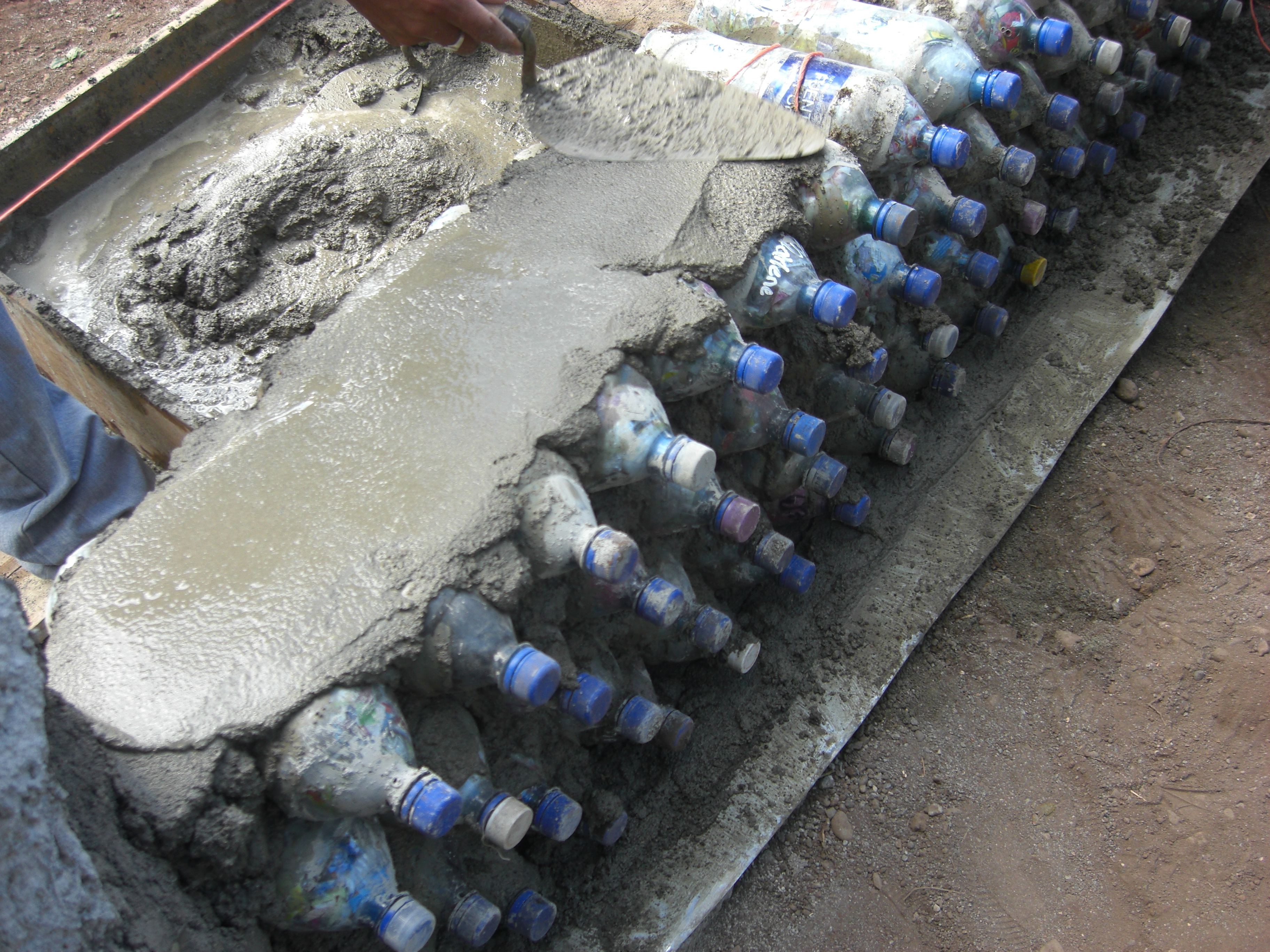
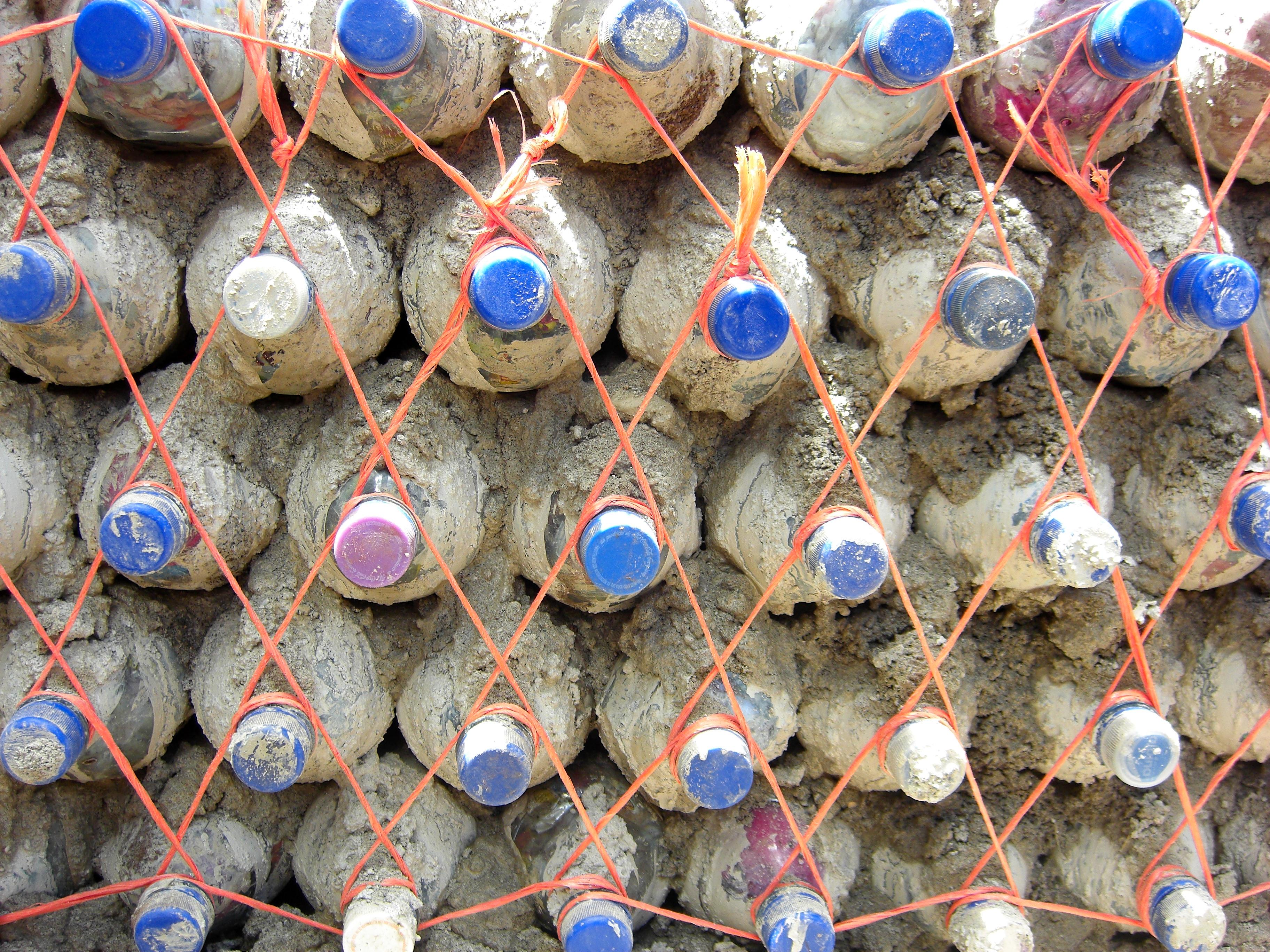
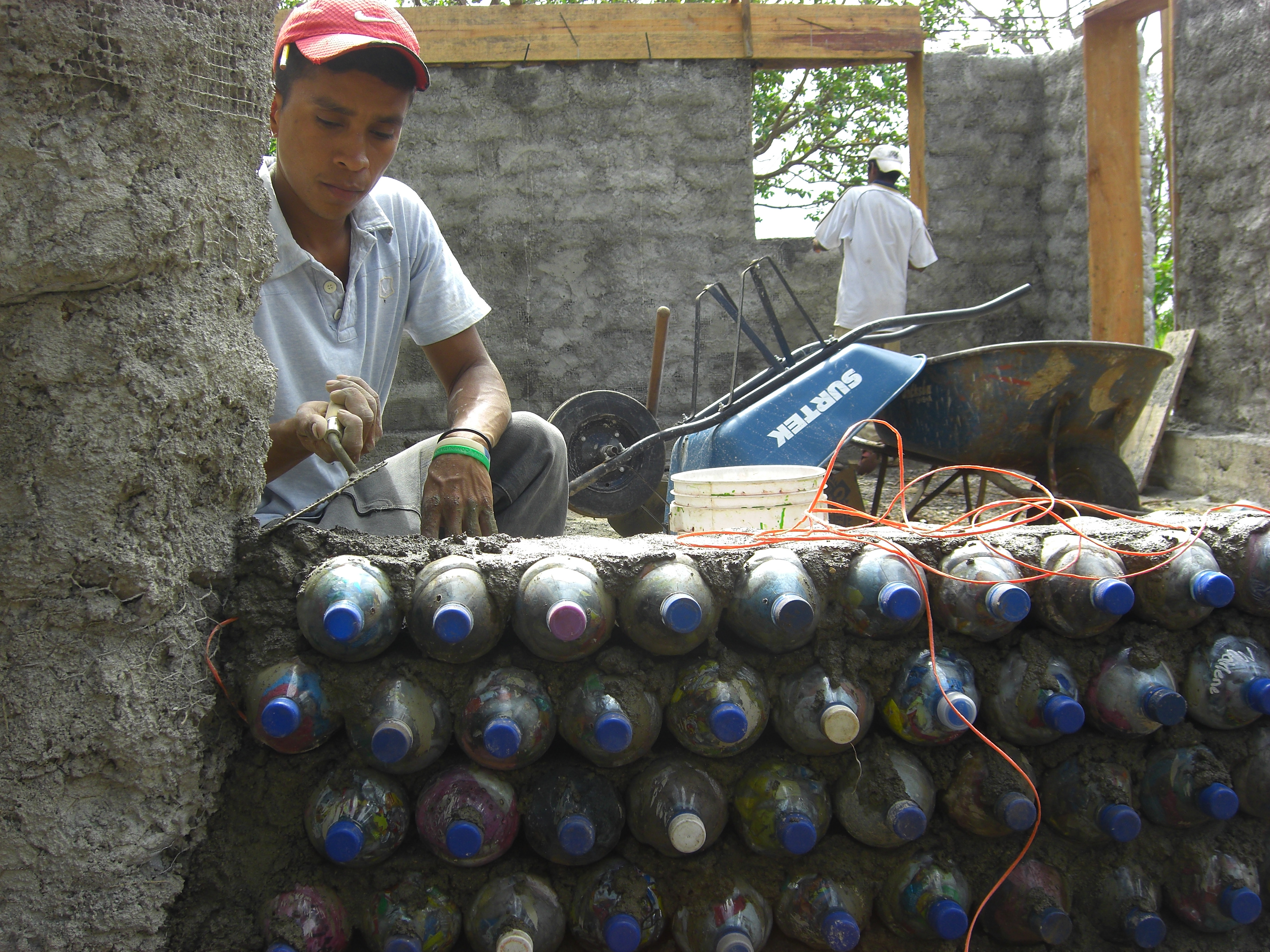
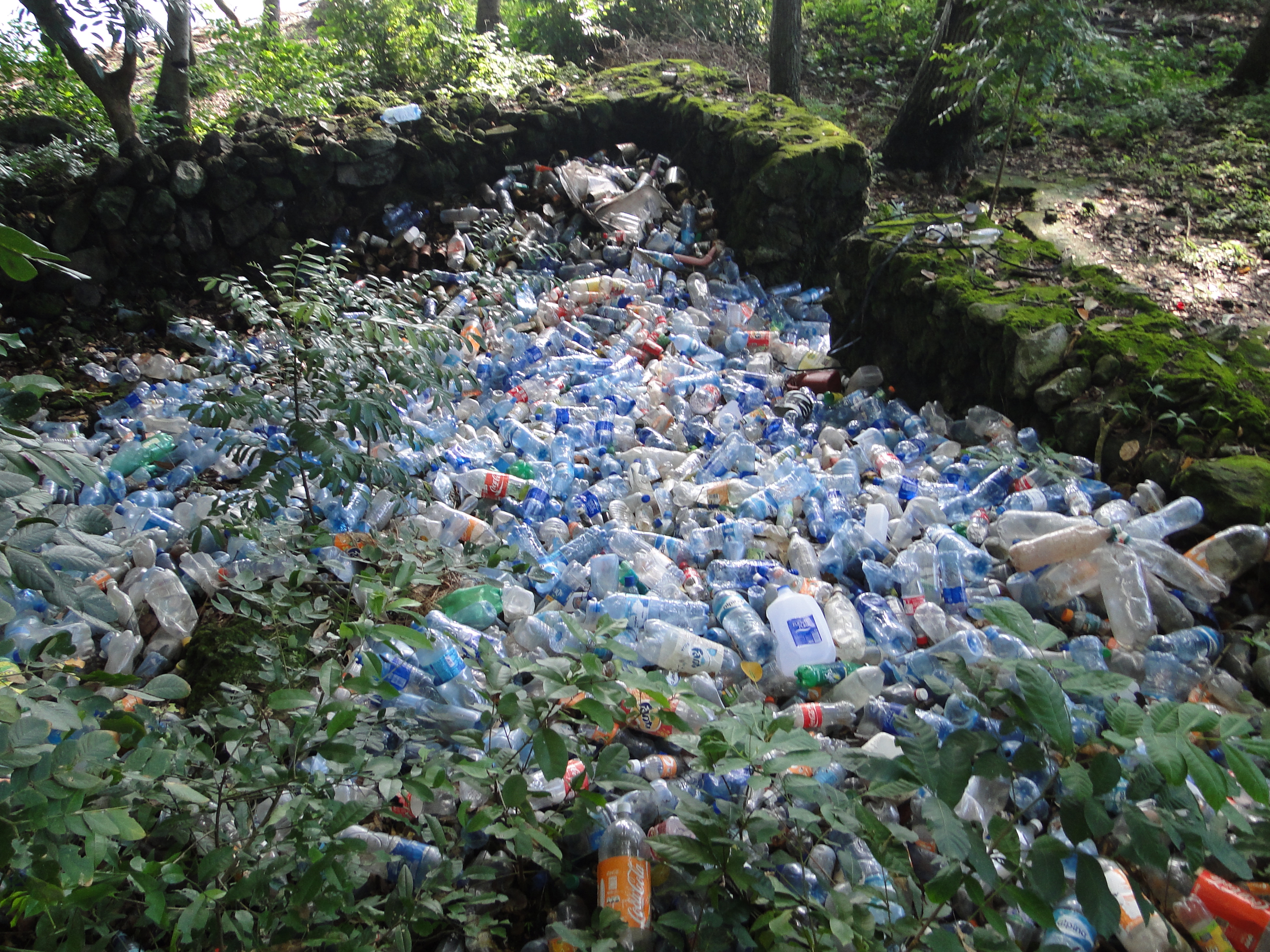
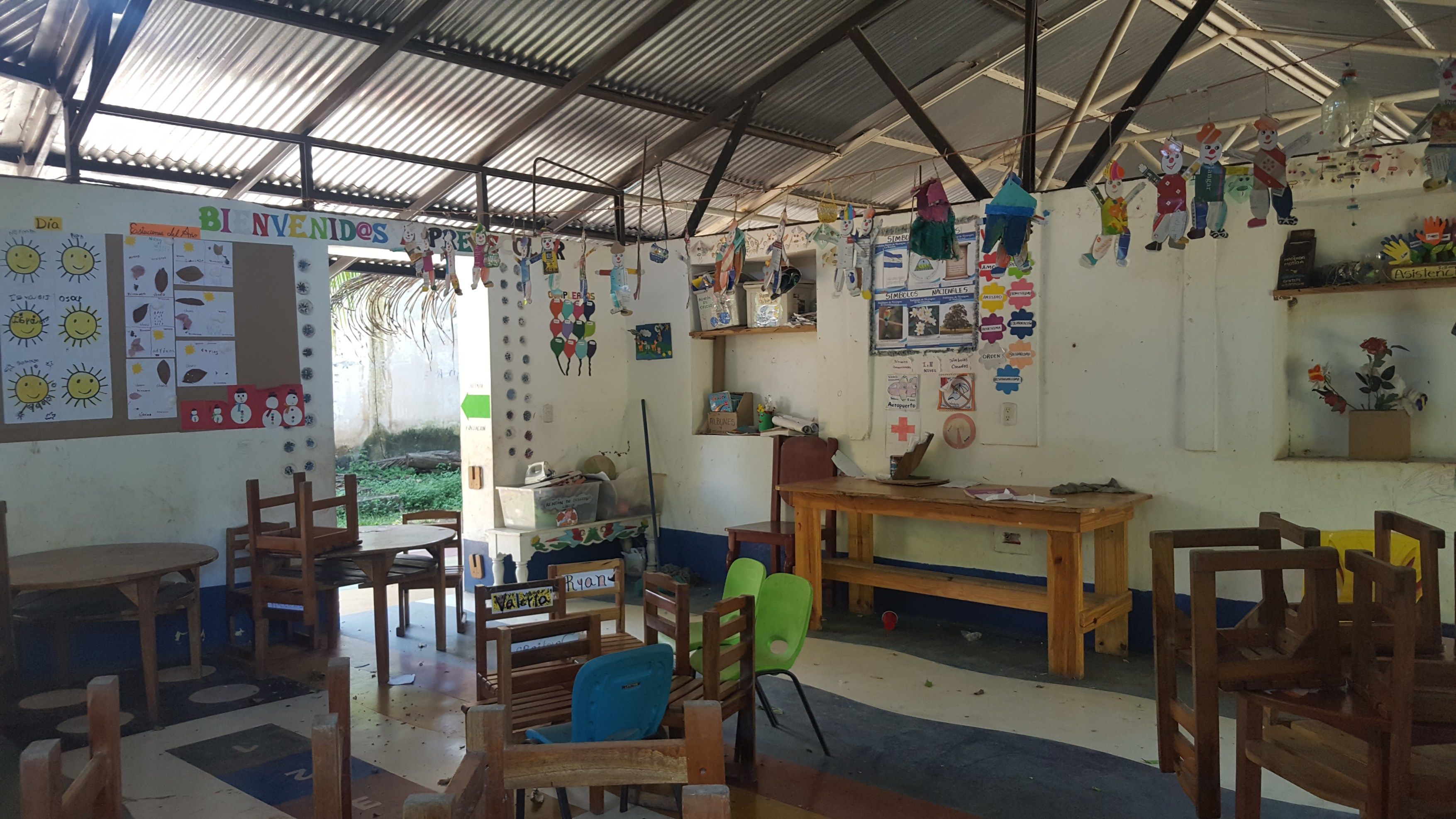
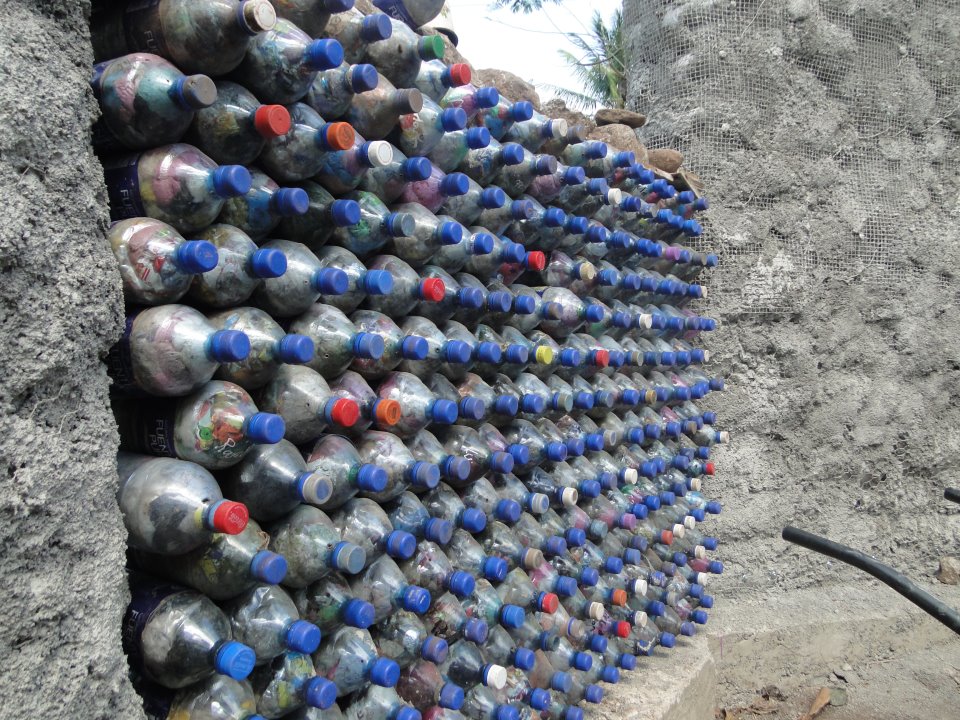
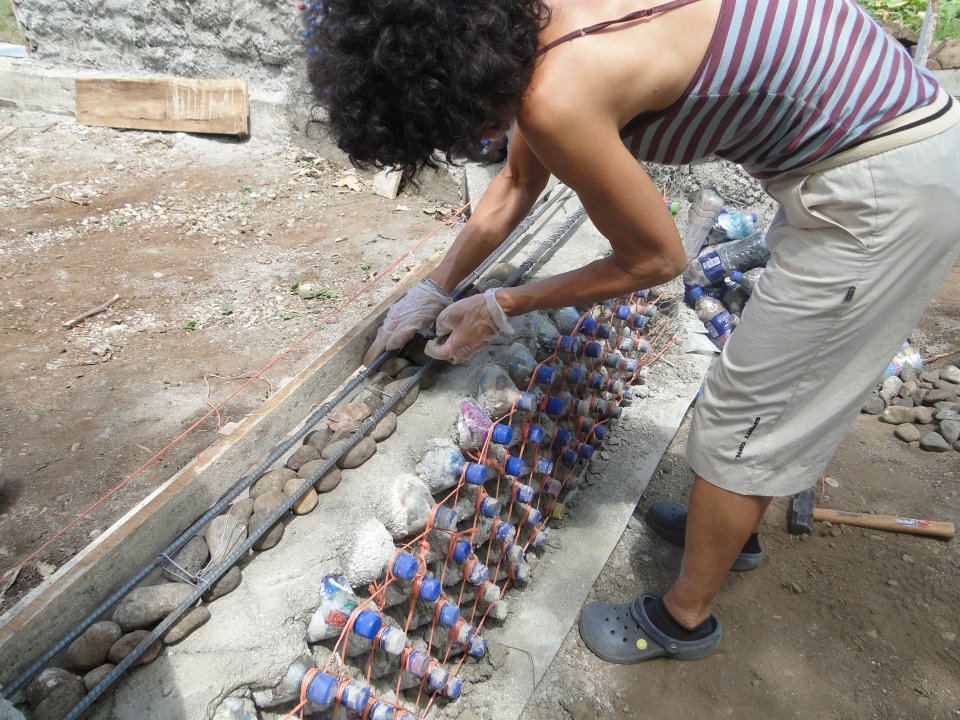
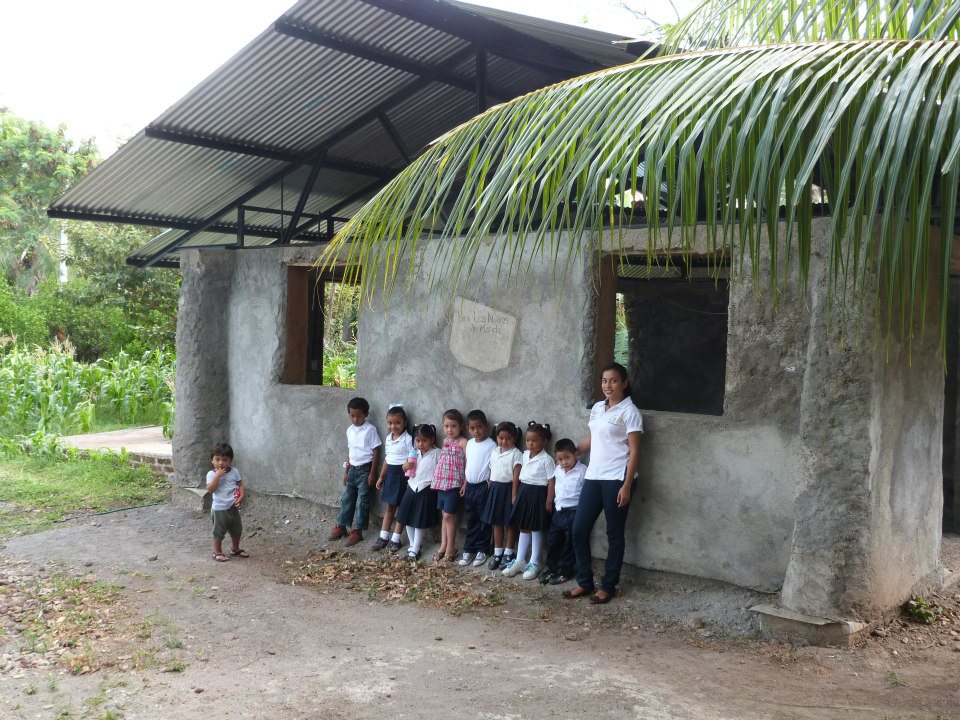
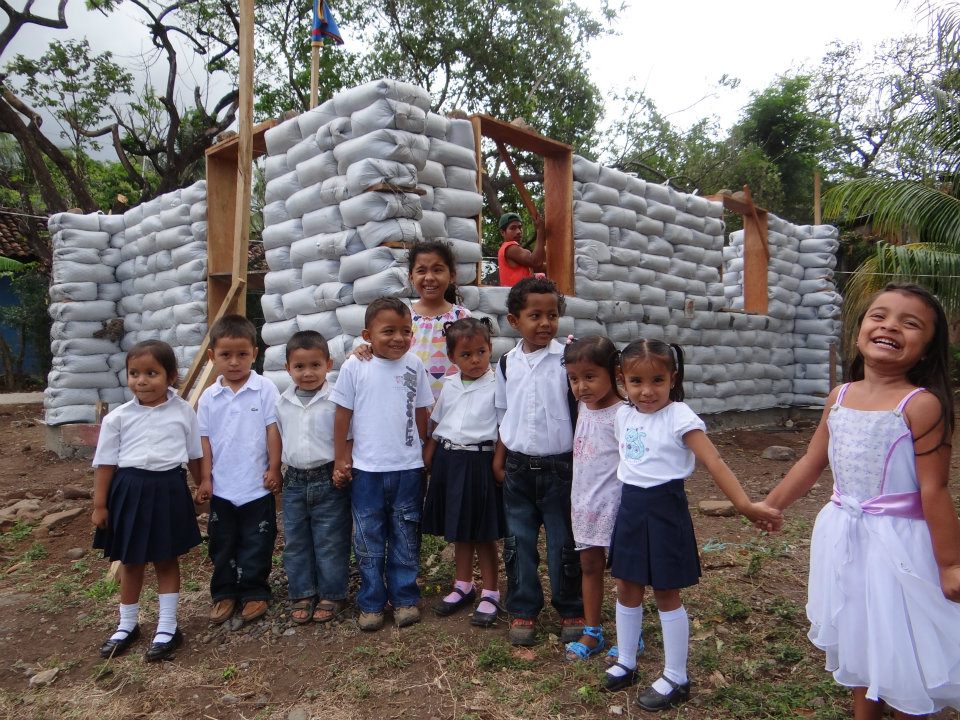
Alternative building materials strengthen local development by reducing reliance on imported resources while turning non‑biodegradable waste into durable building components.  These Eco-Bricks were used to create an educational space for pre-school children in Nicaragua.

P1050698.jpg
Rural Development

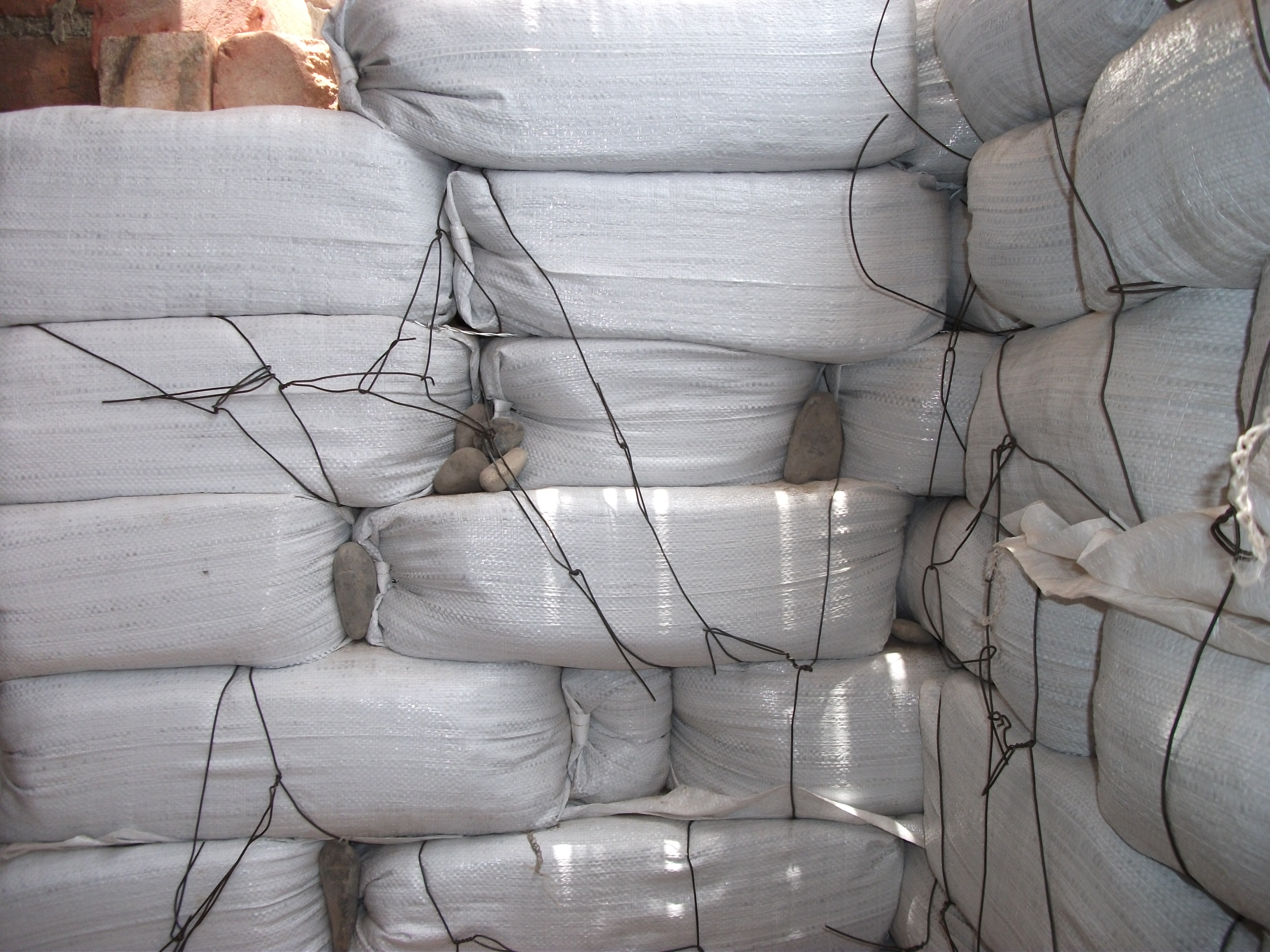
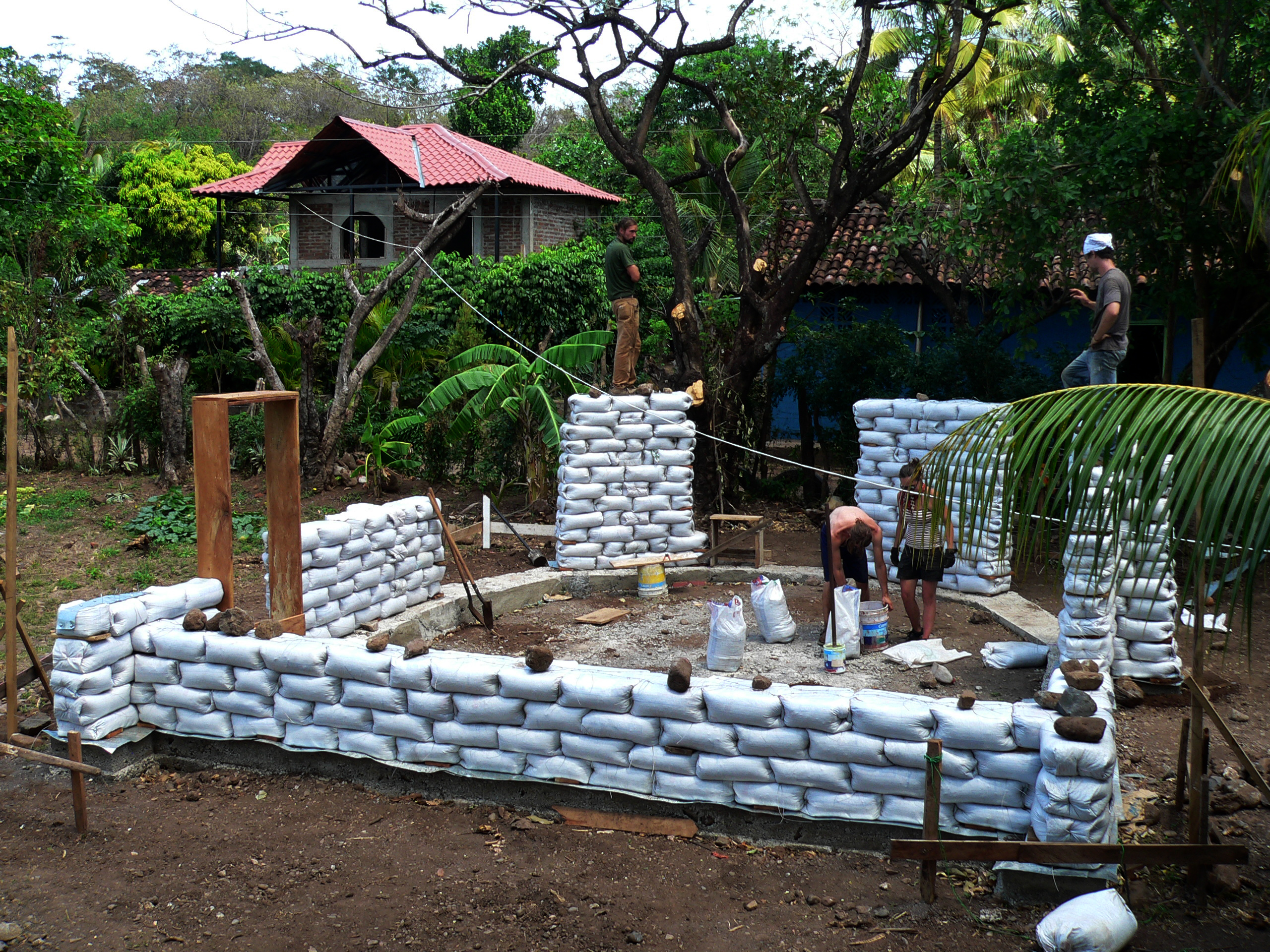
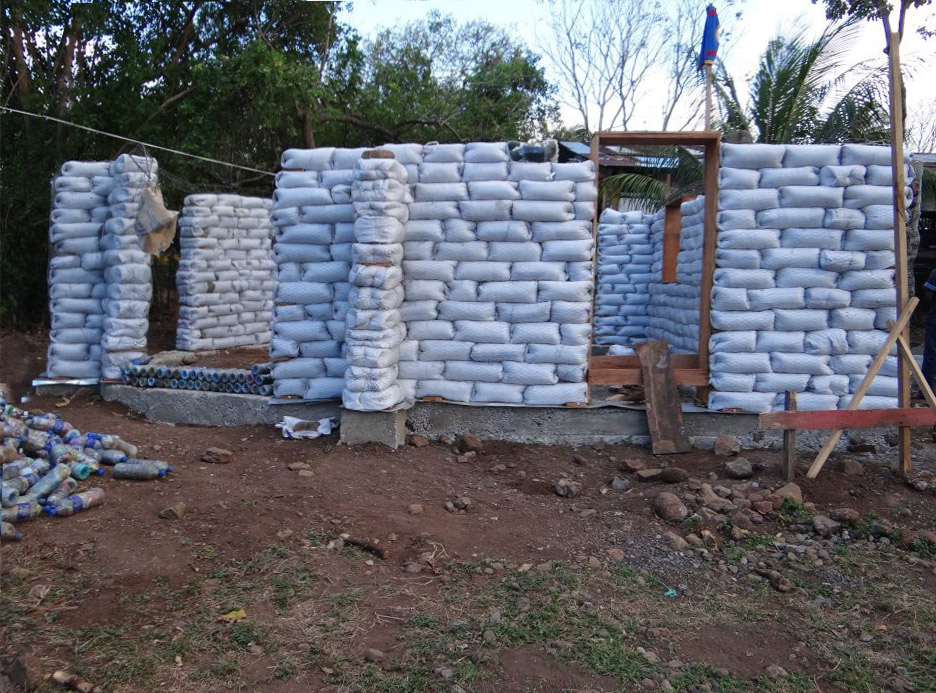
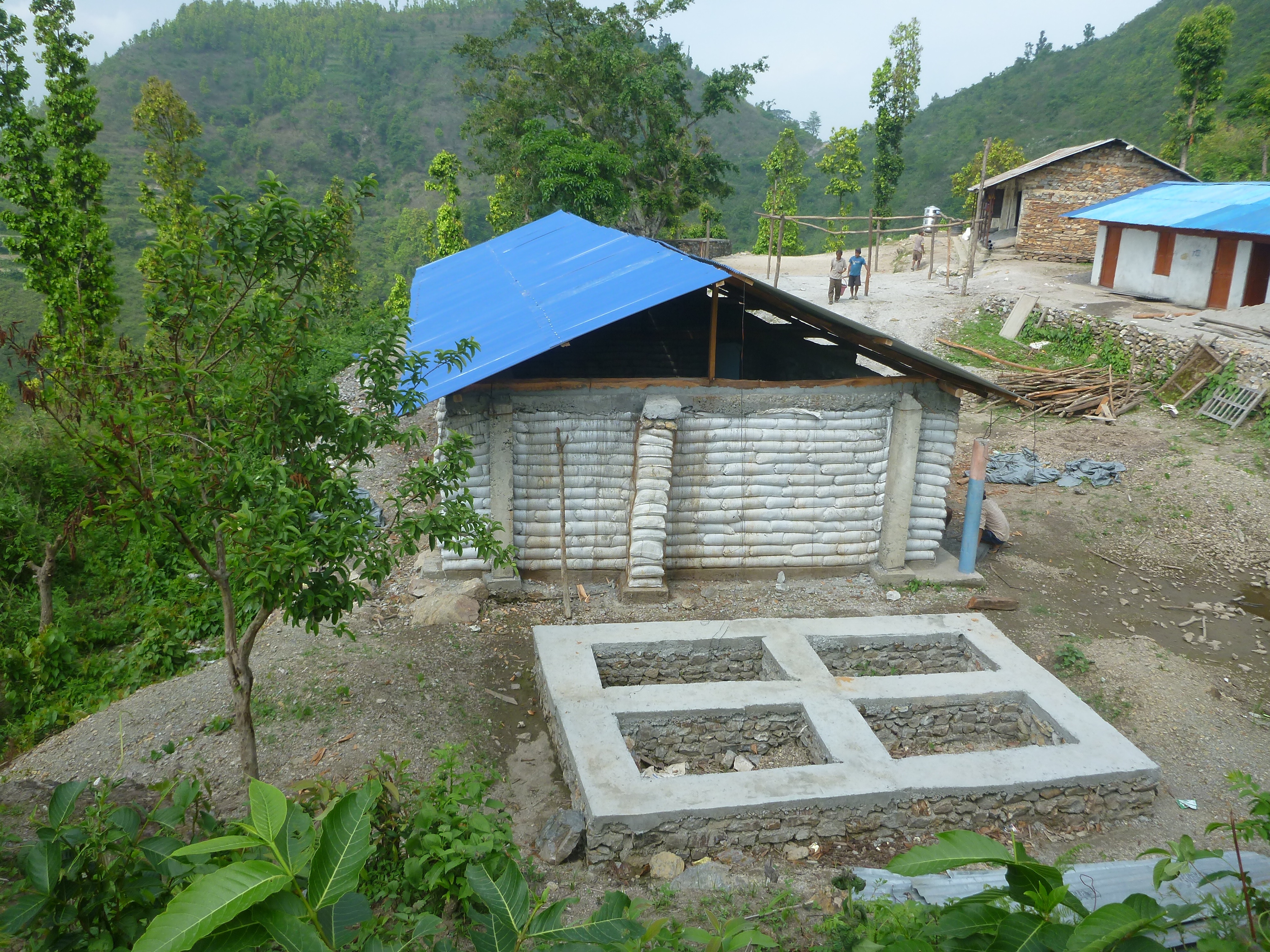
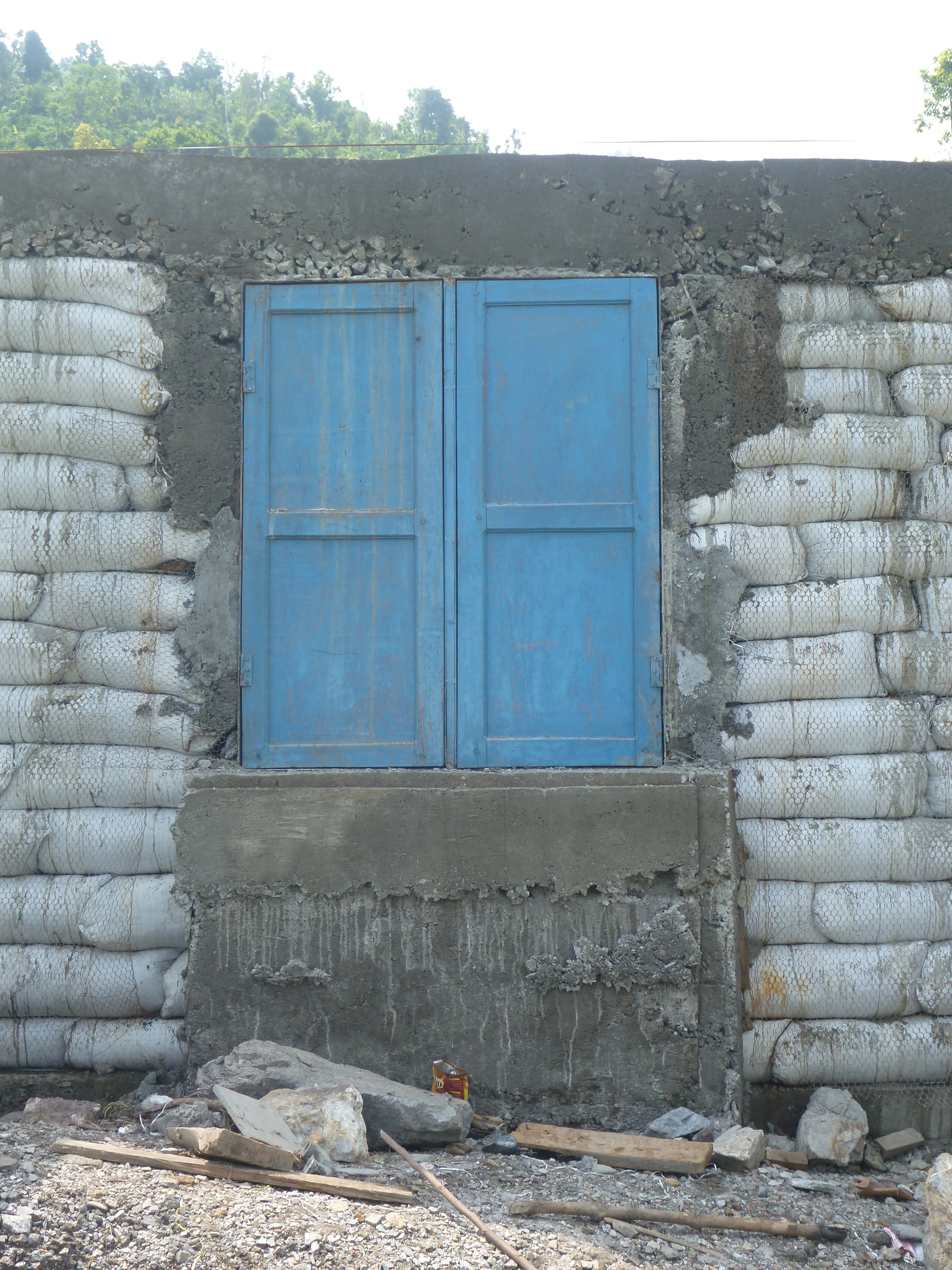
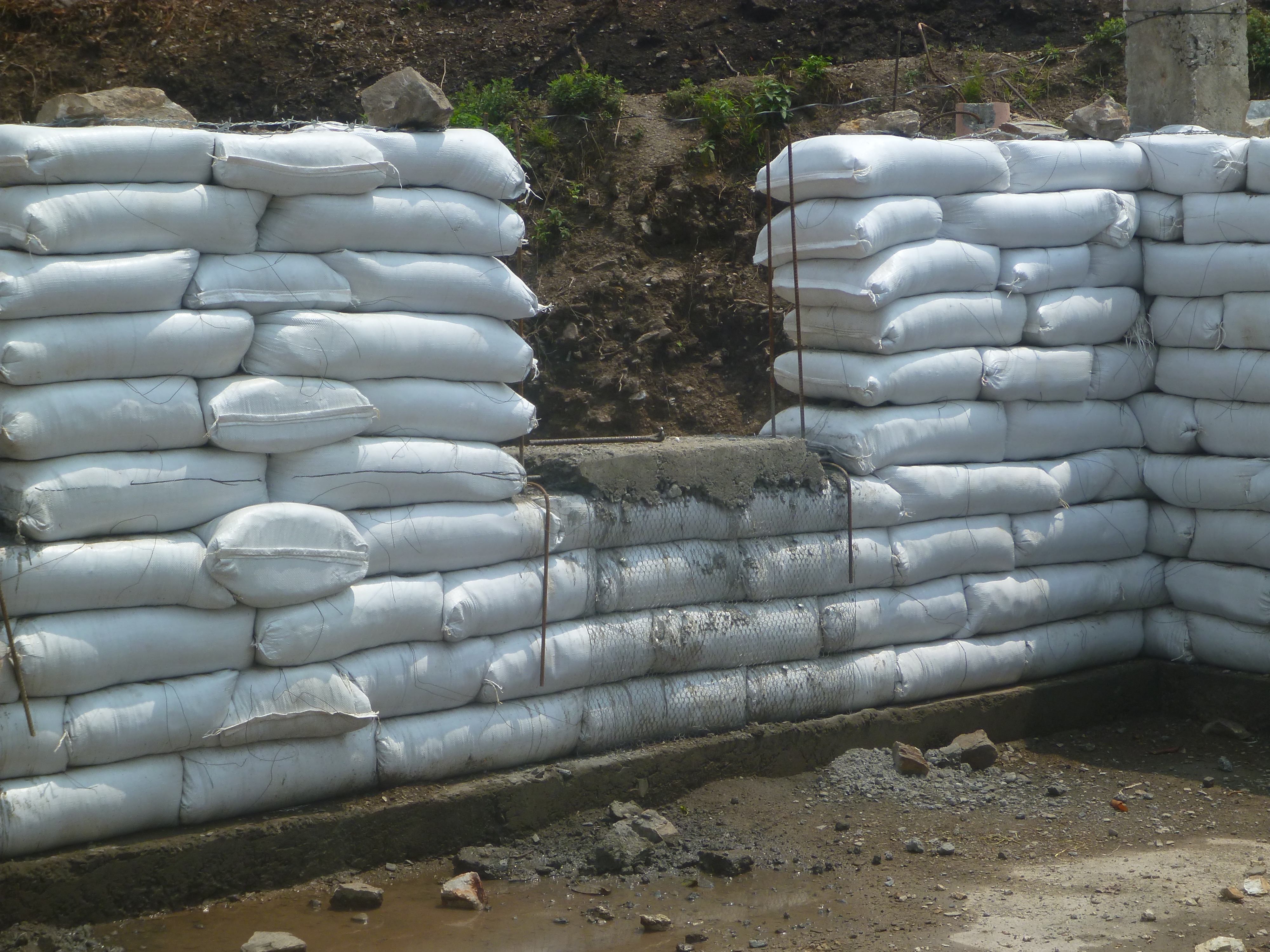
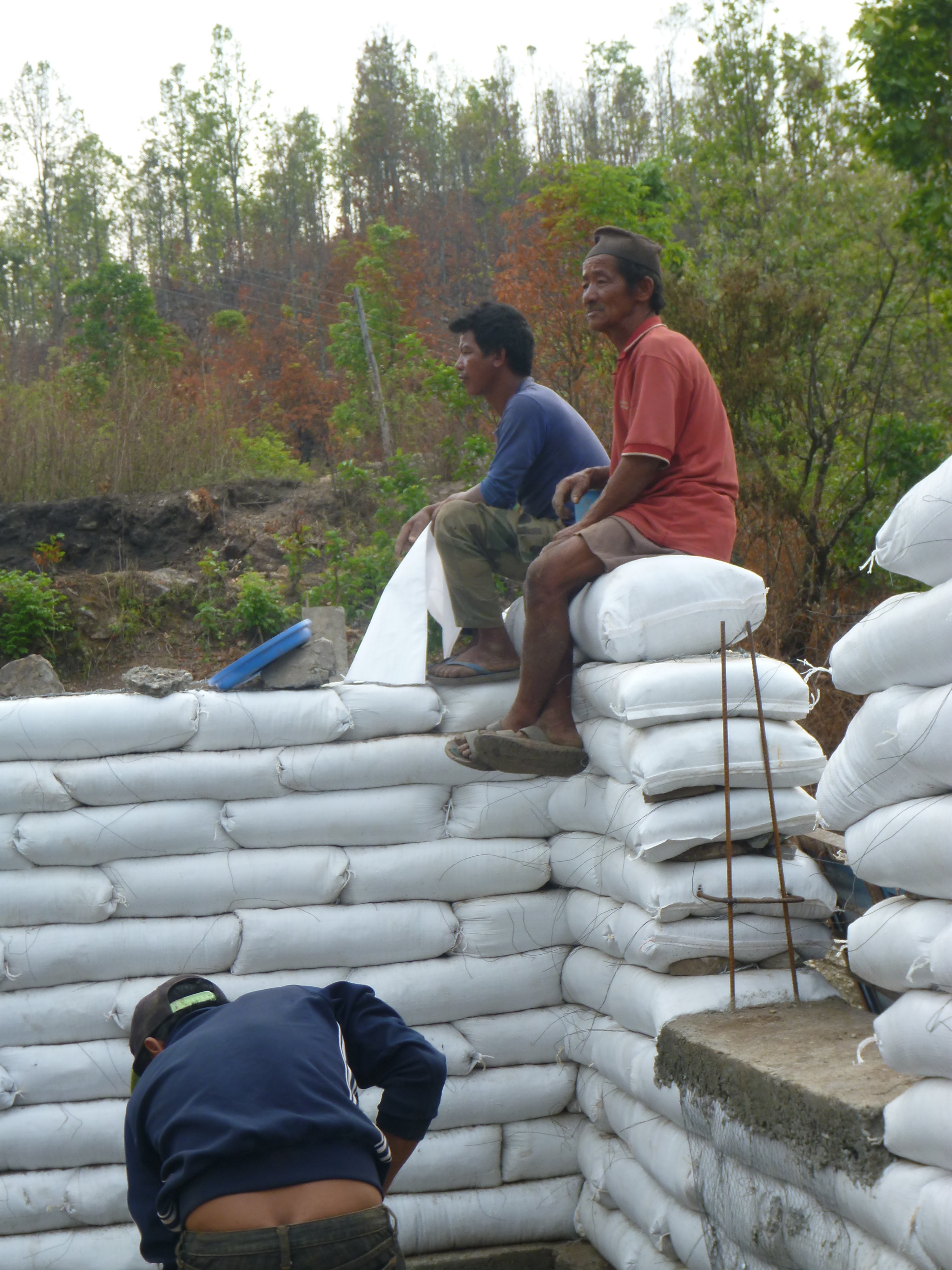
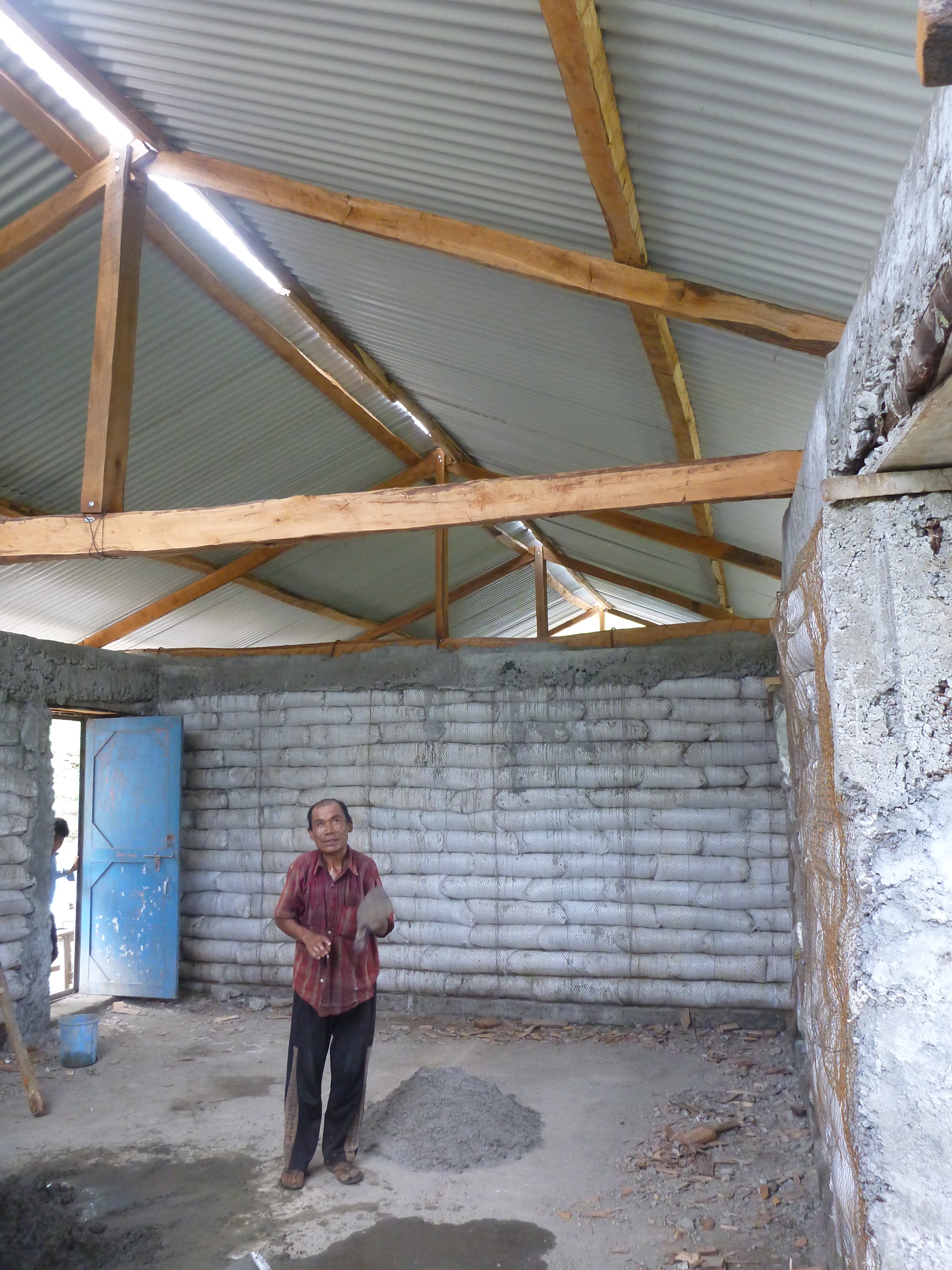
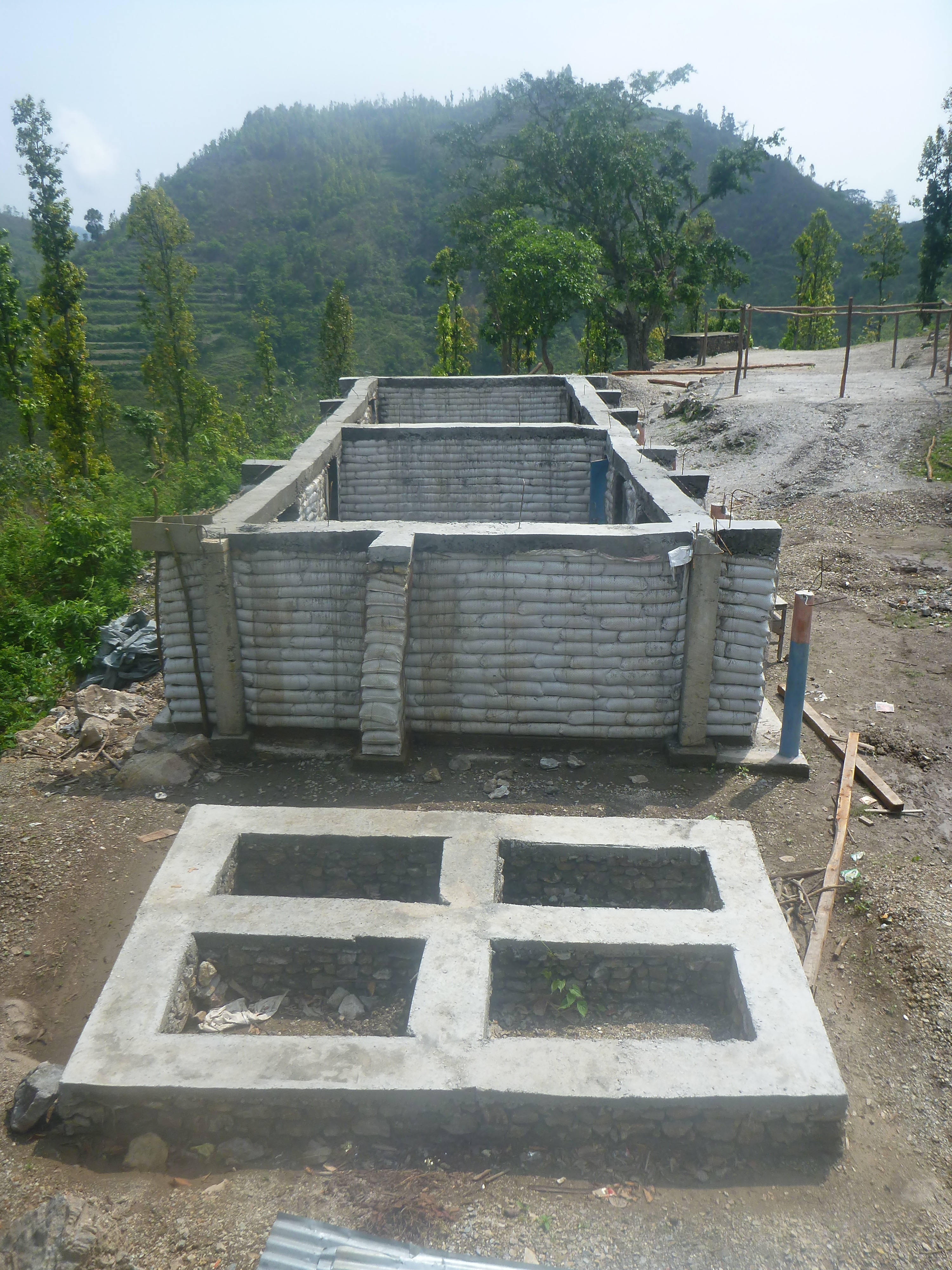
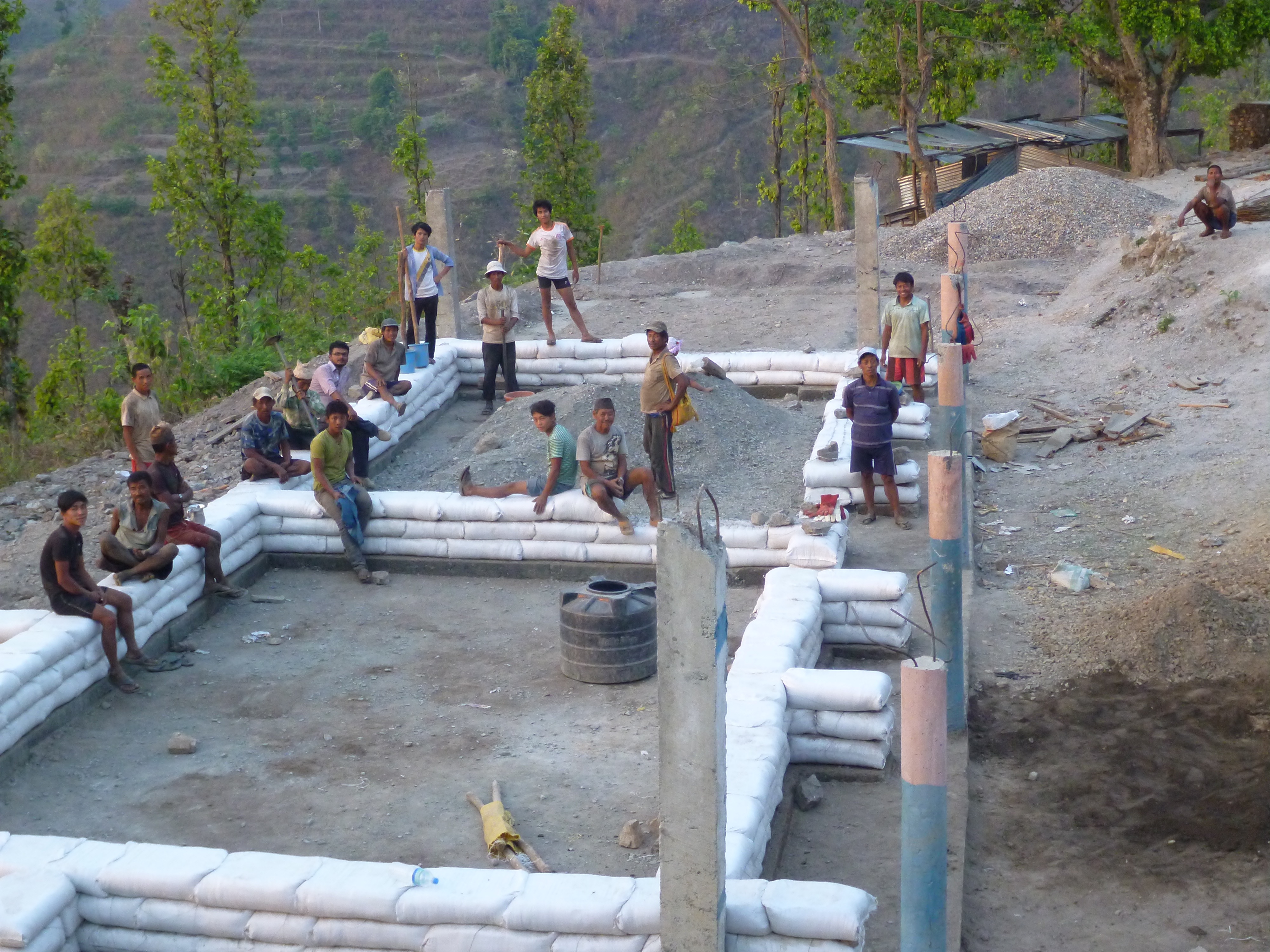
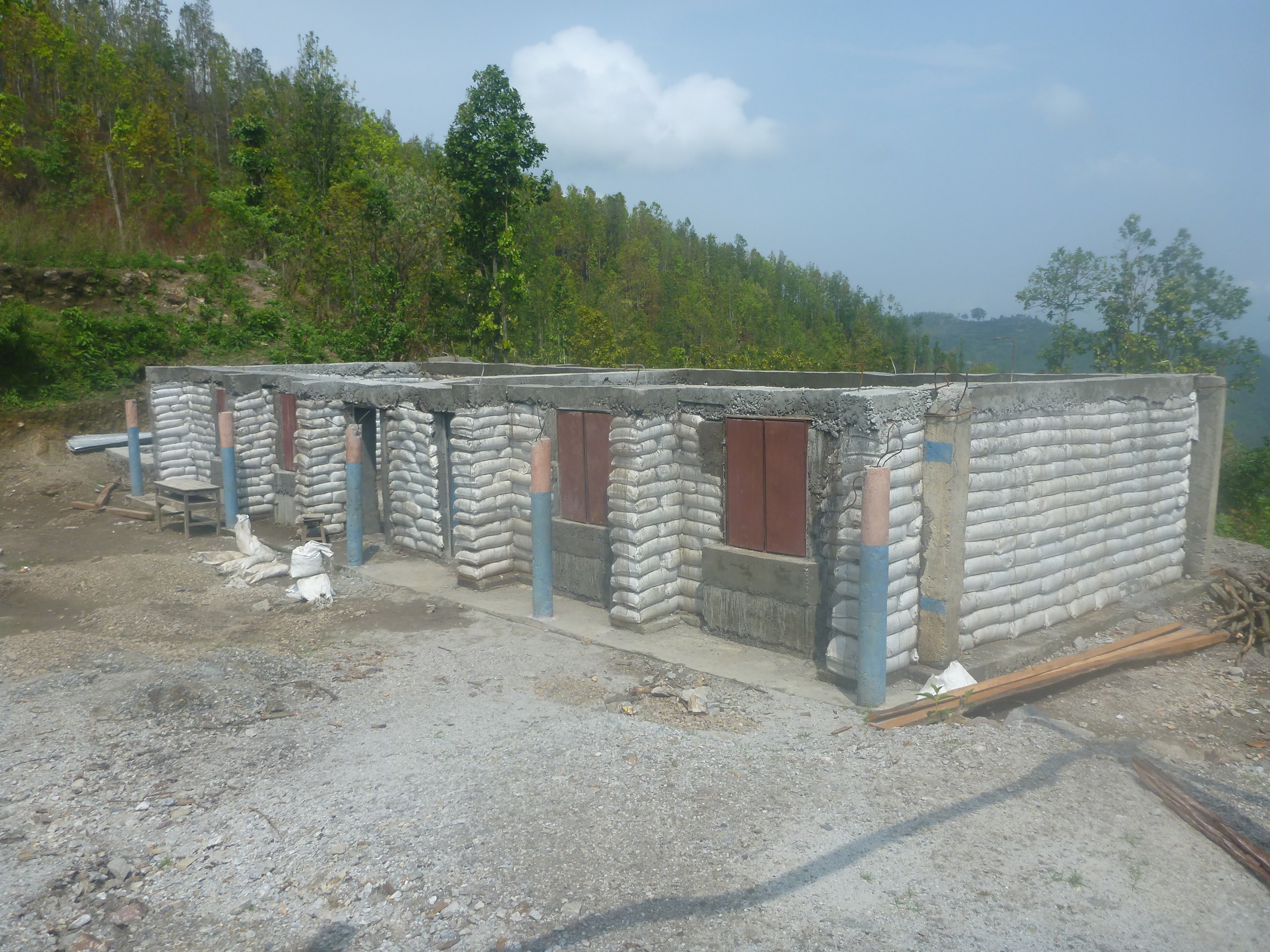
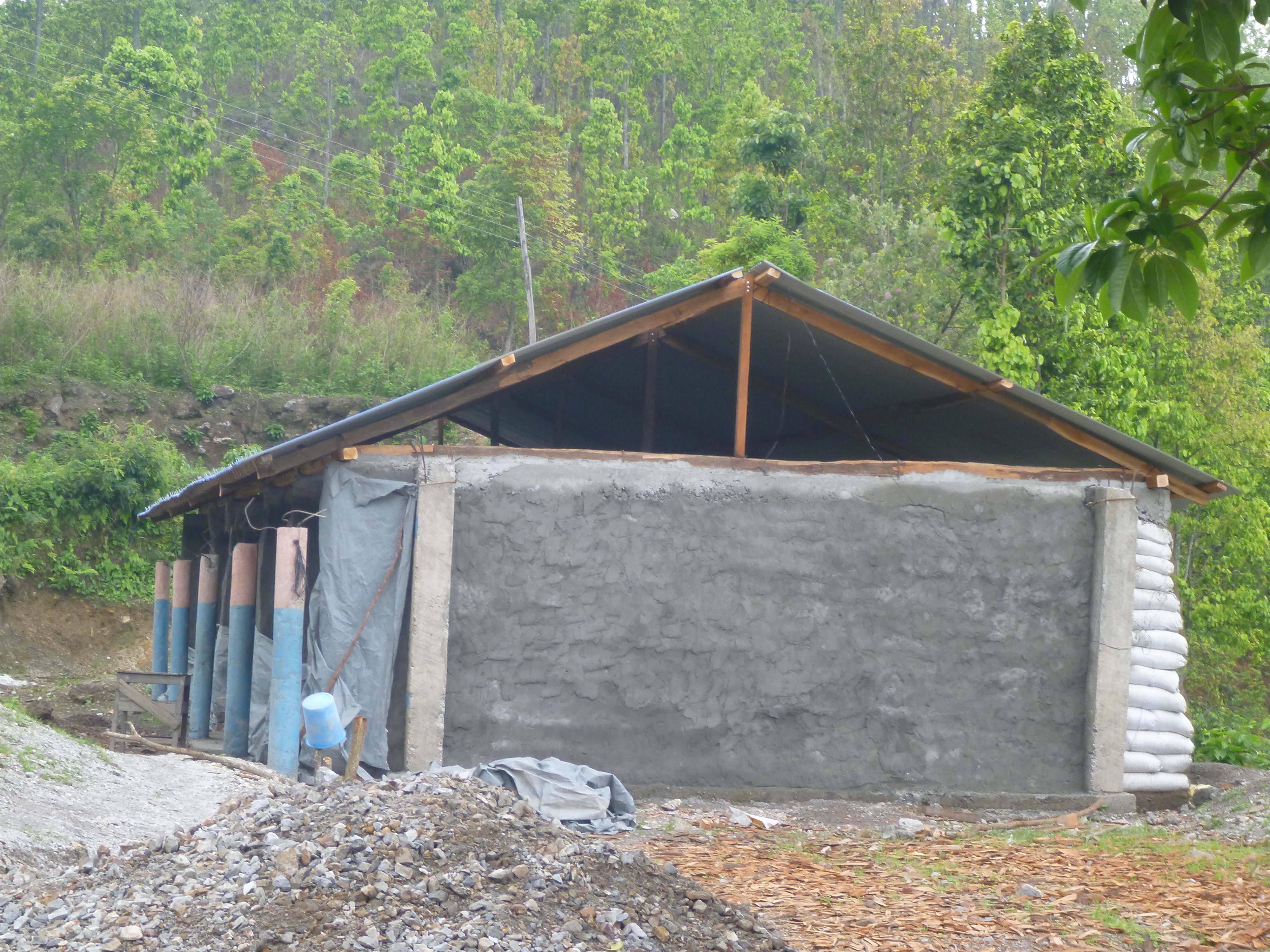
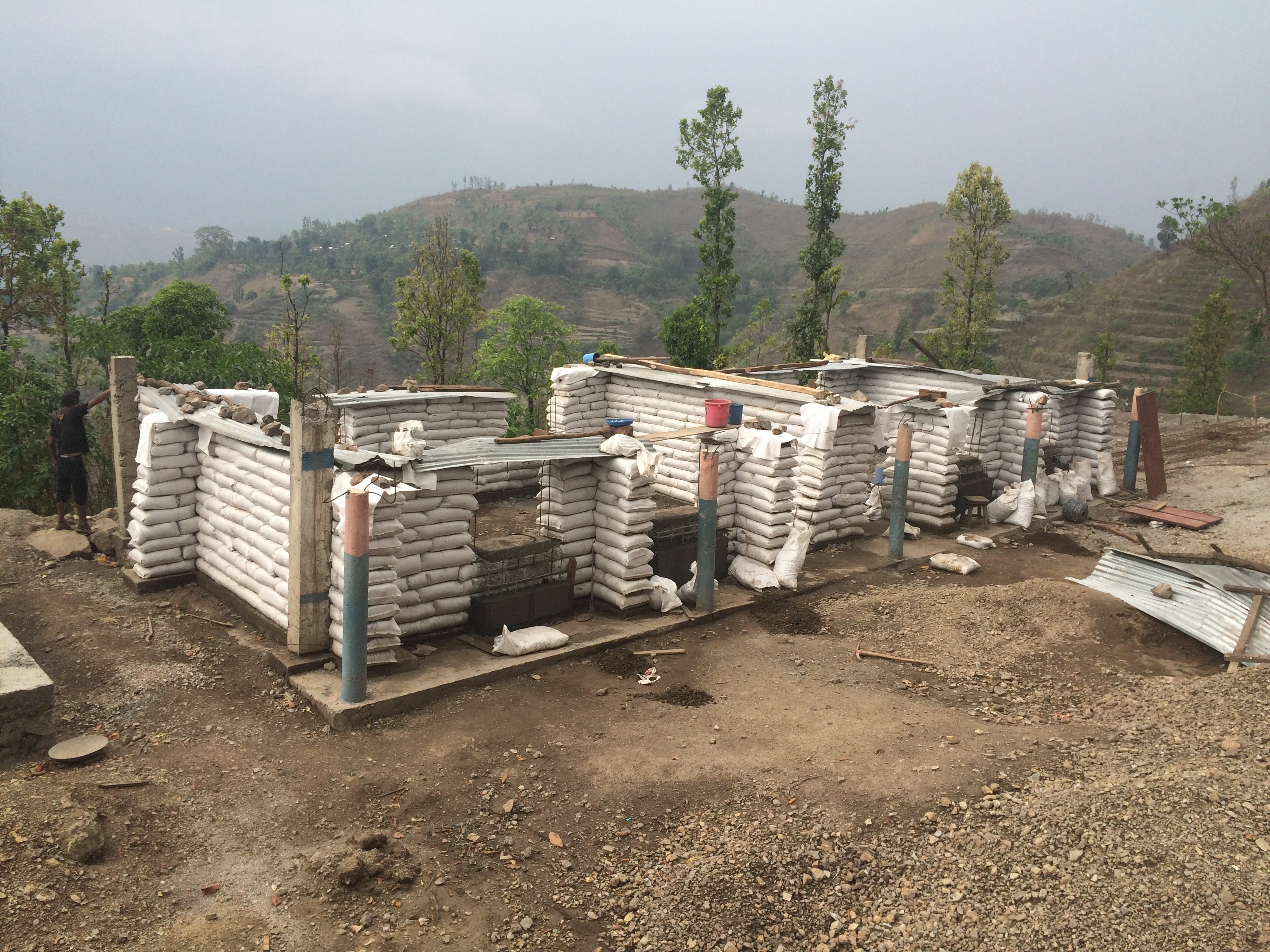
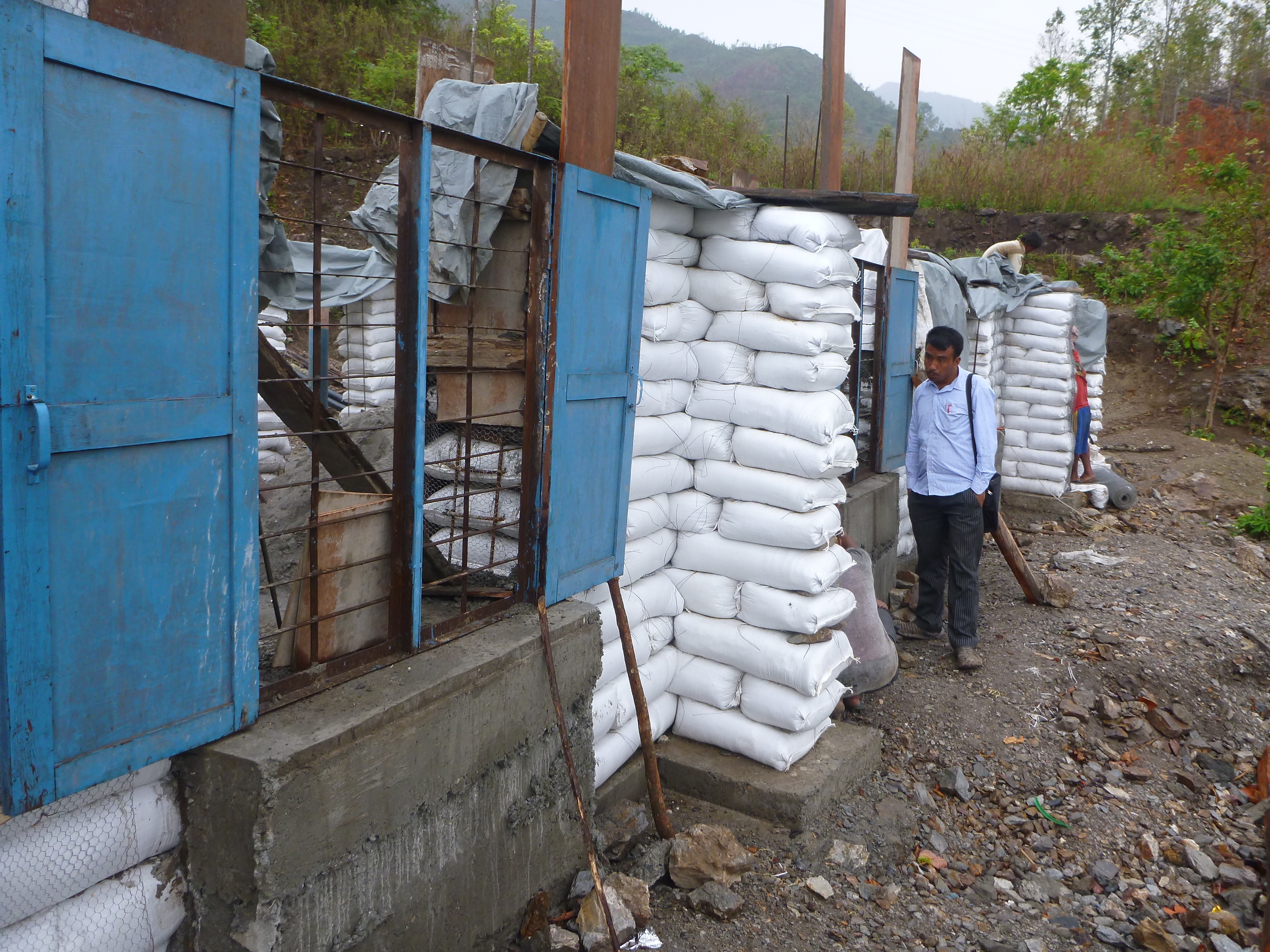
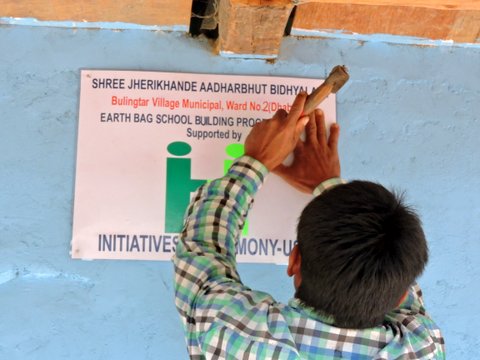
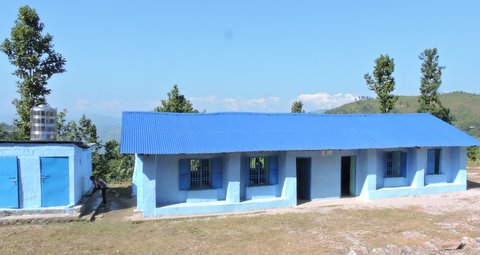
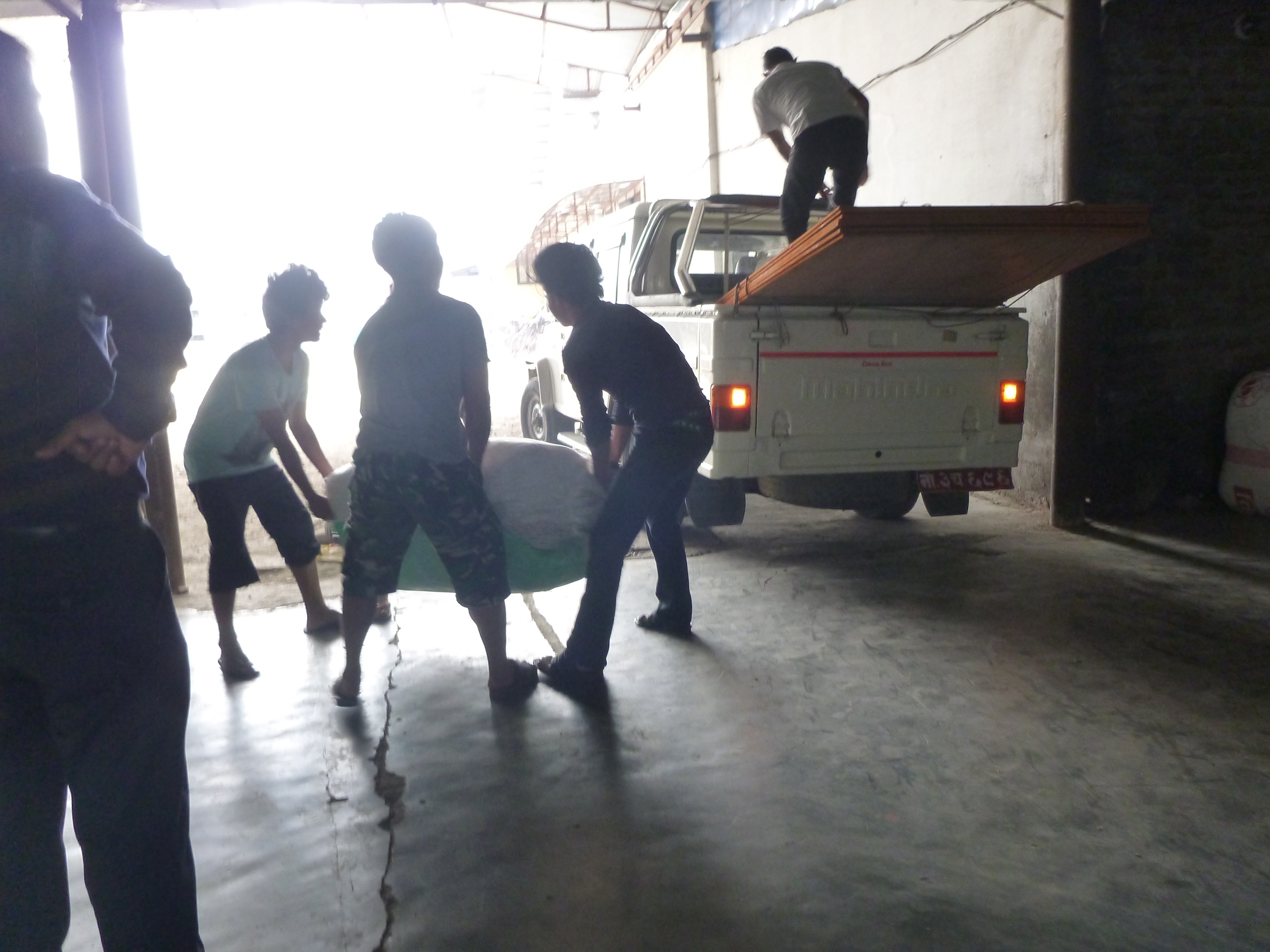
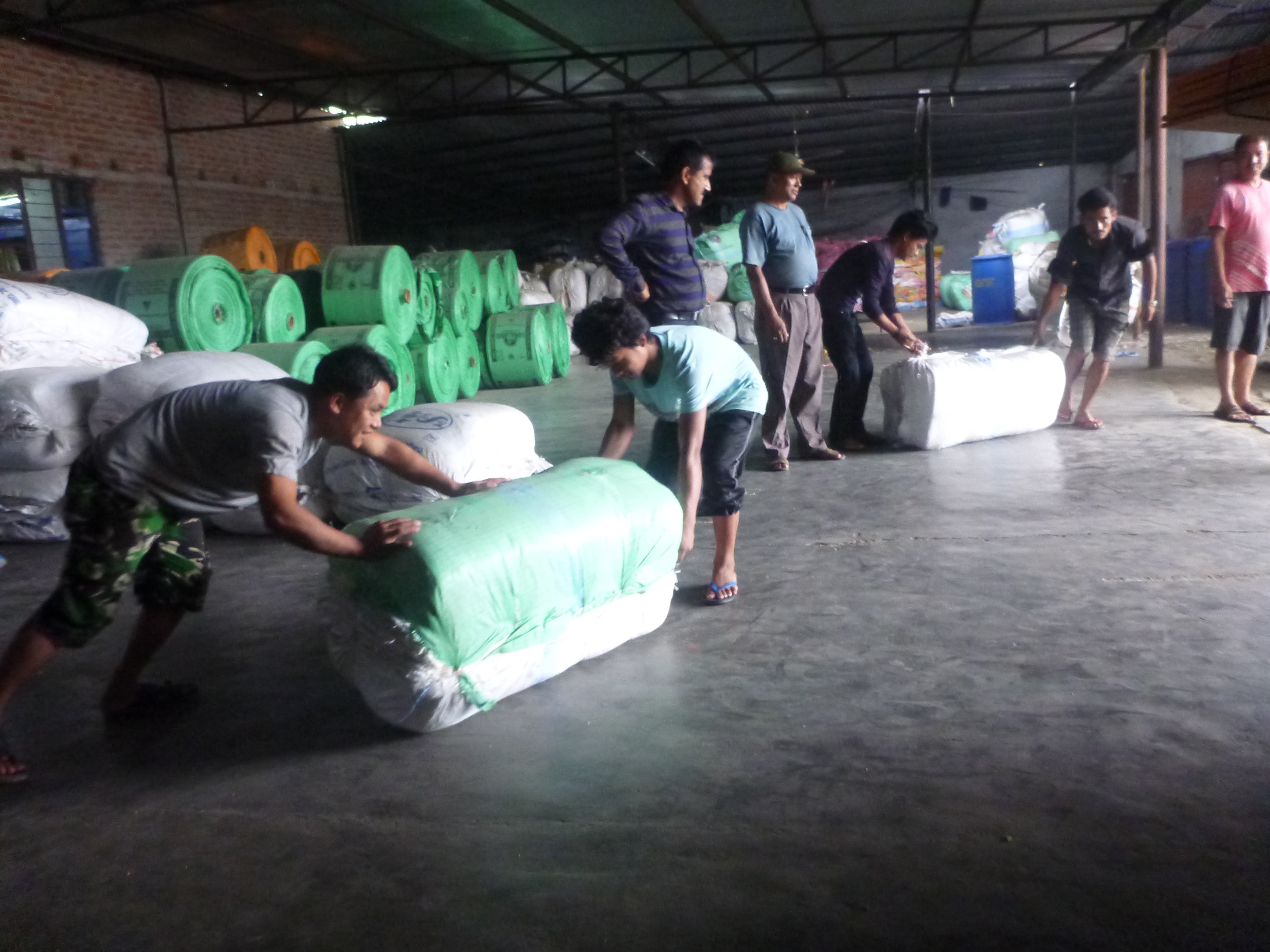
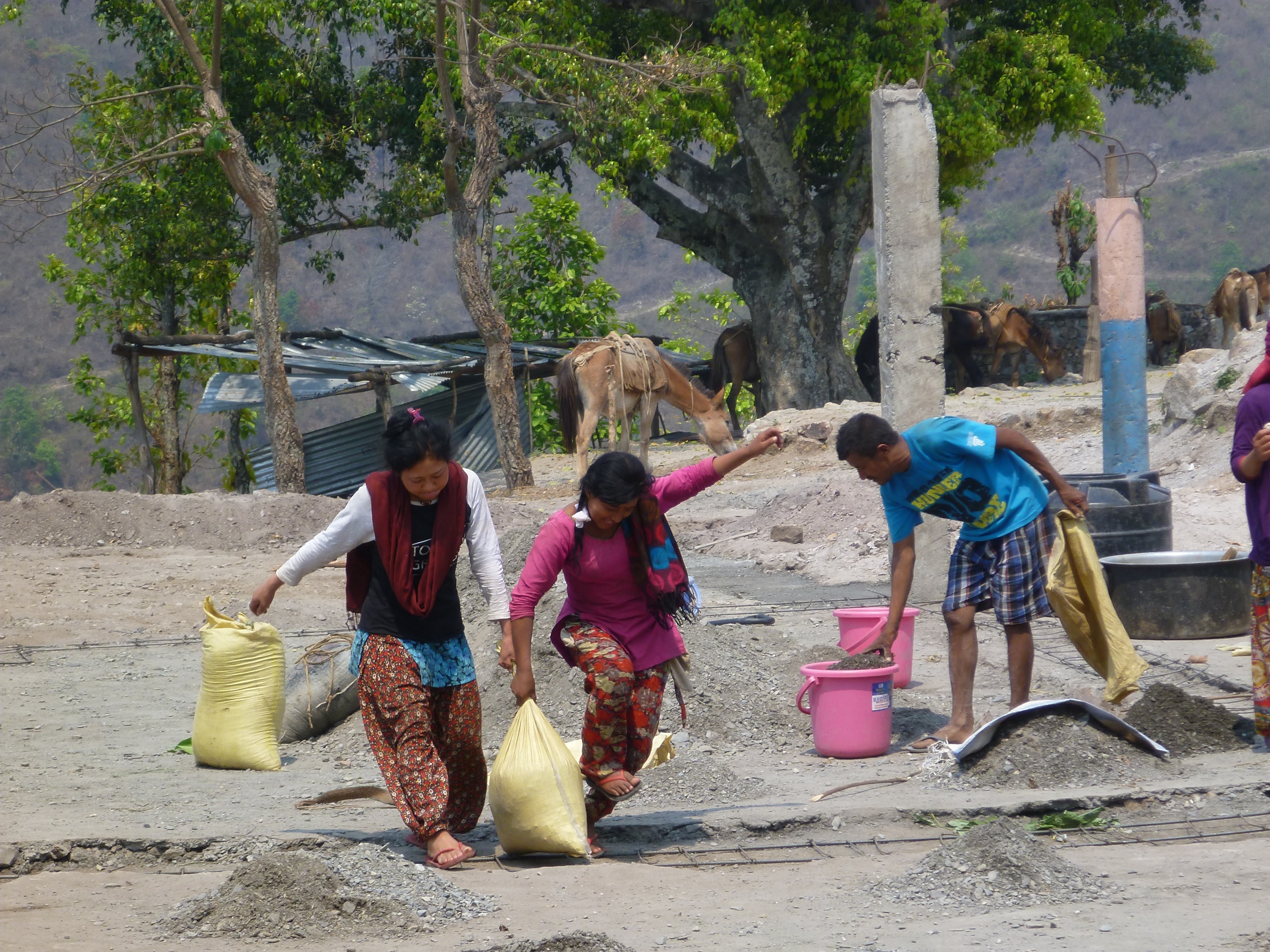
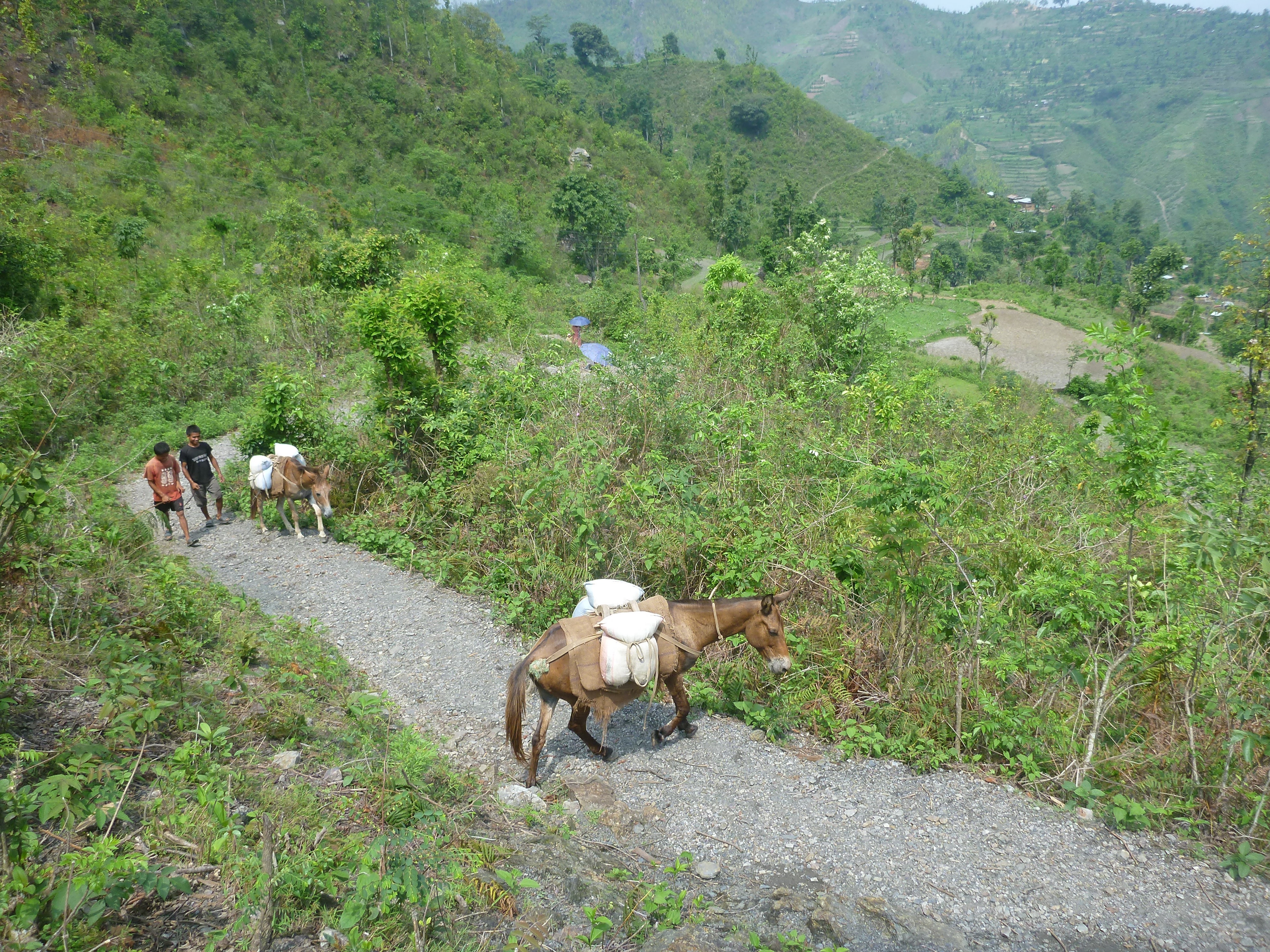
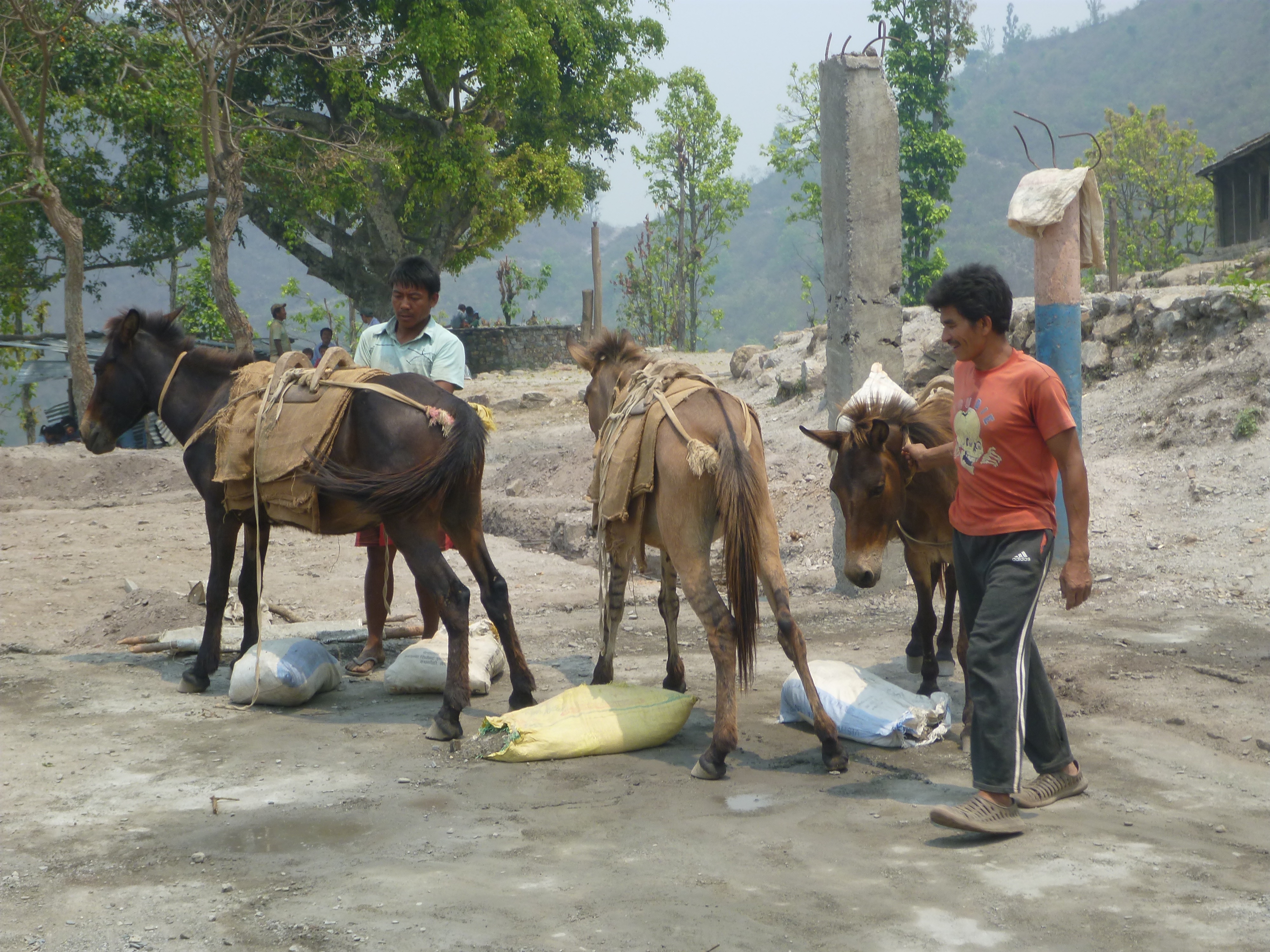
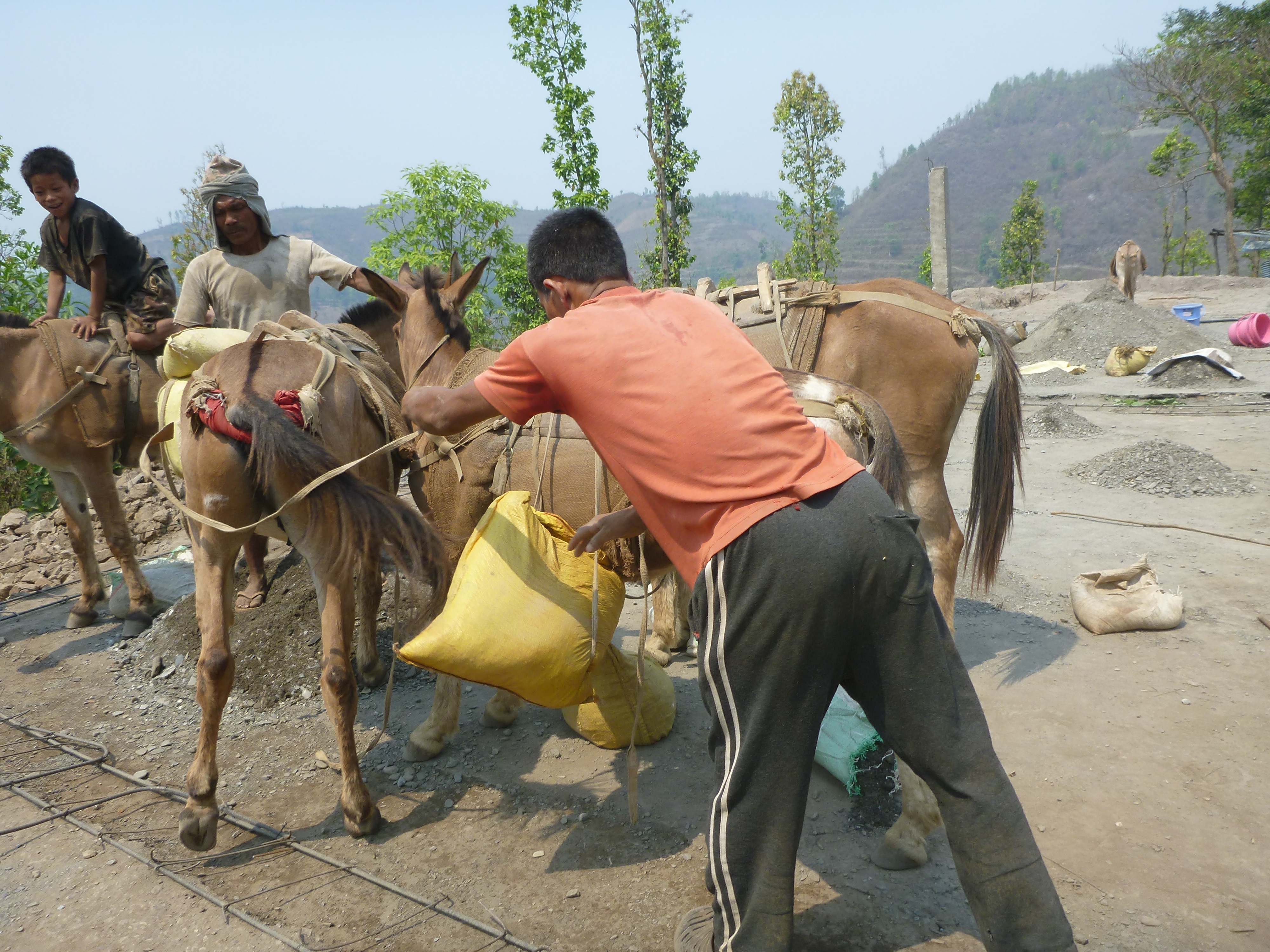
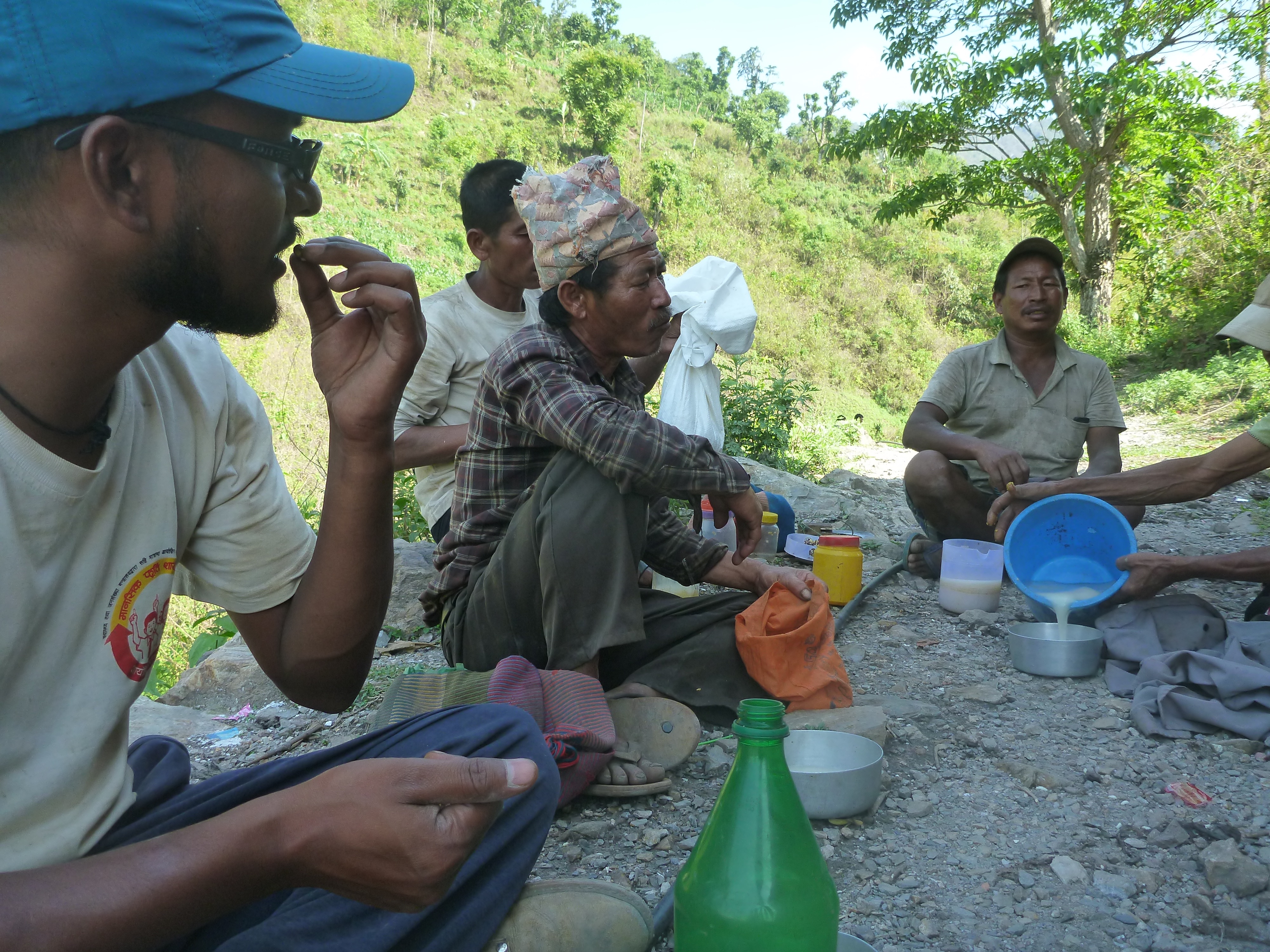
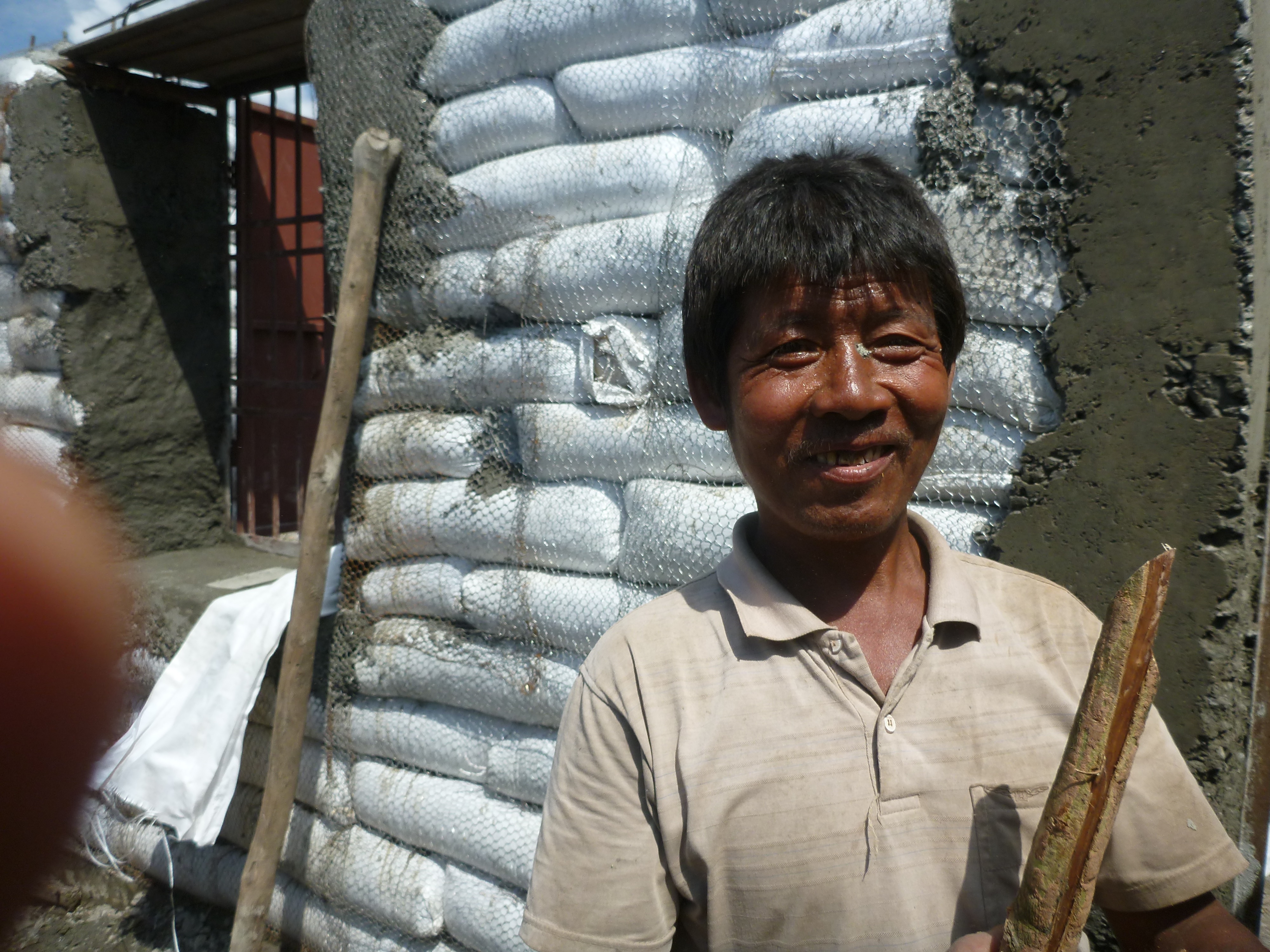
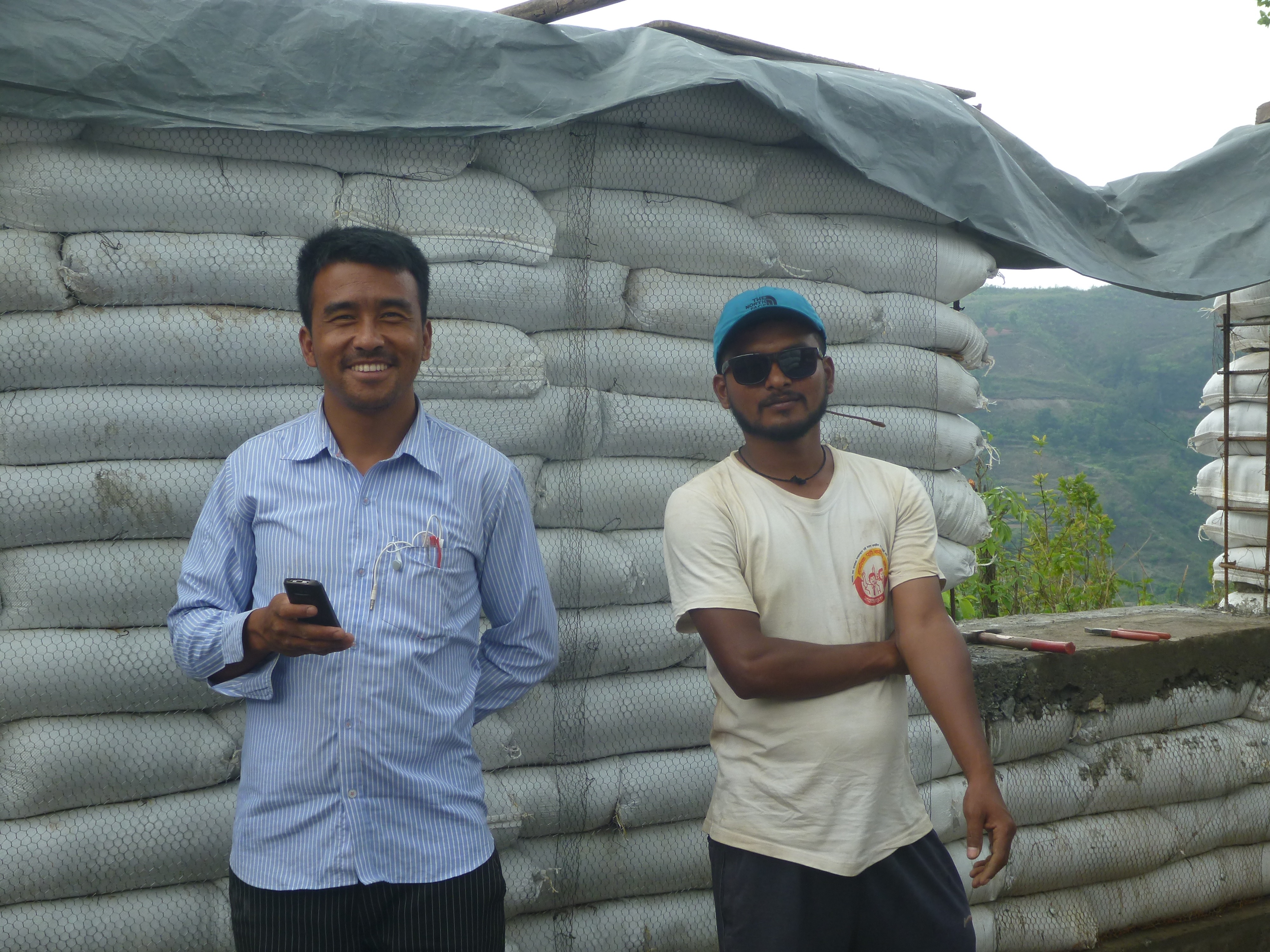
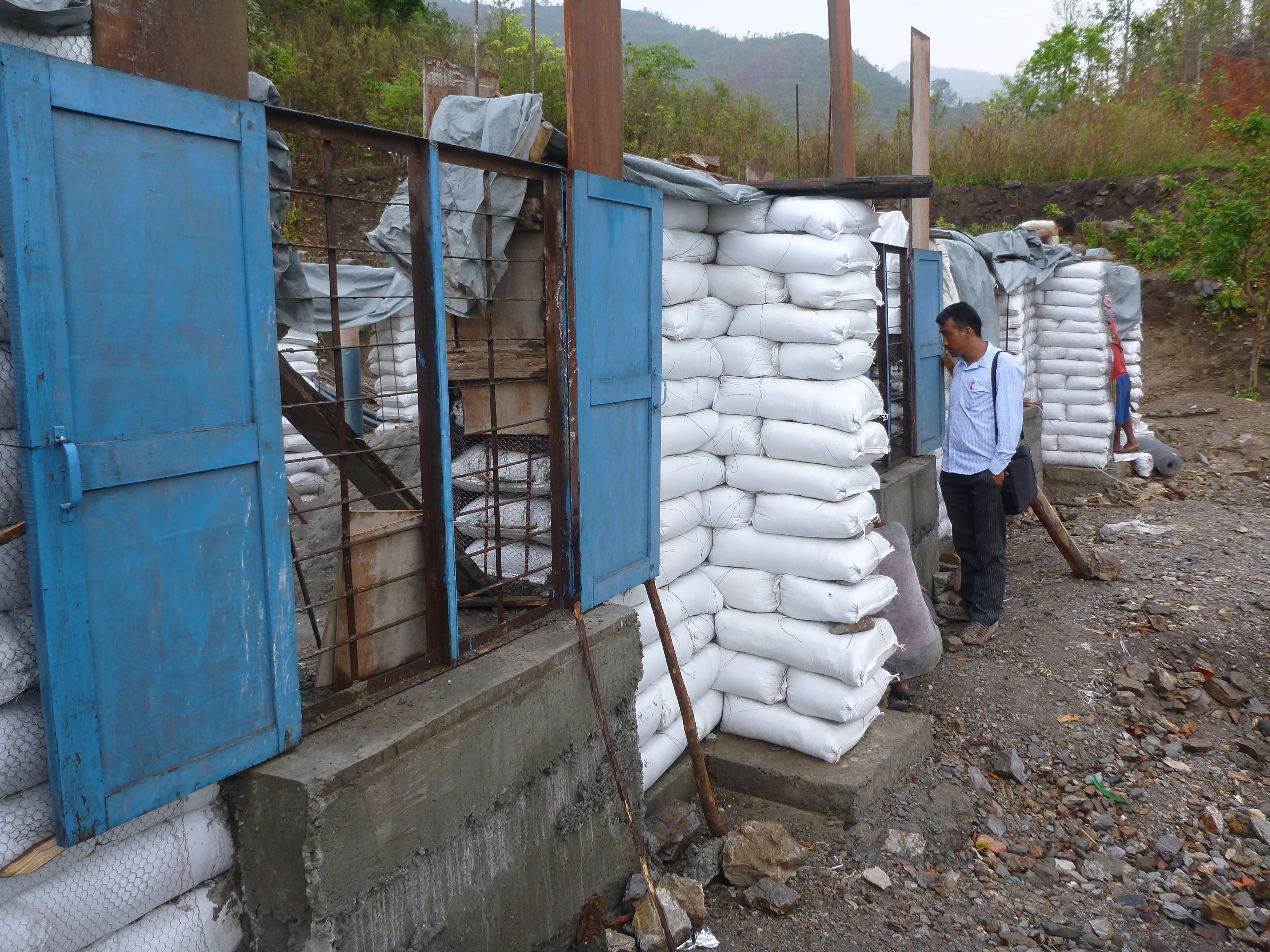
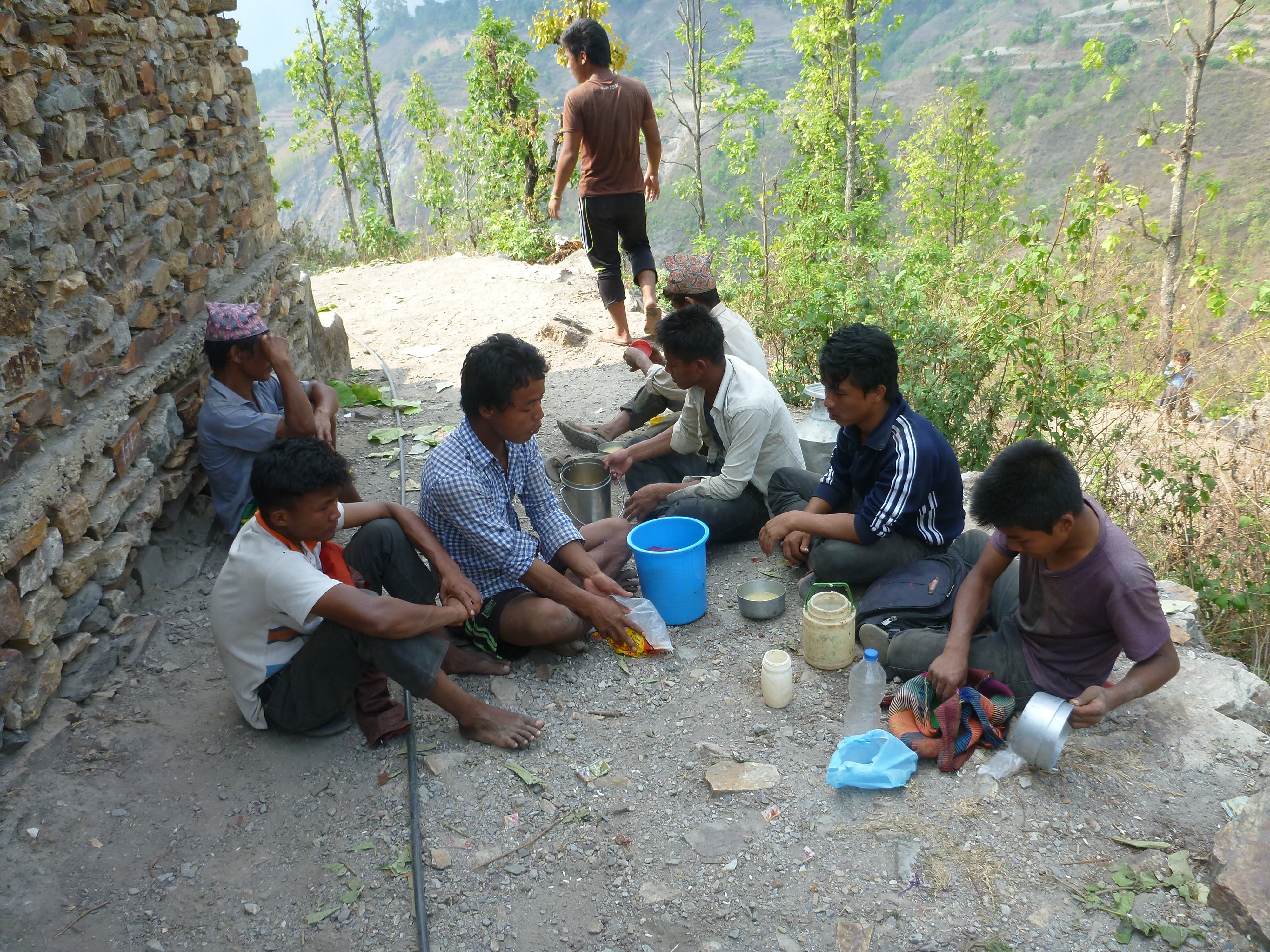
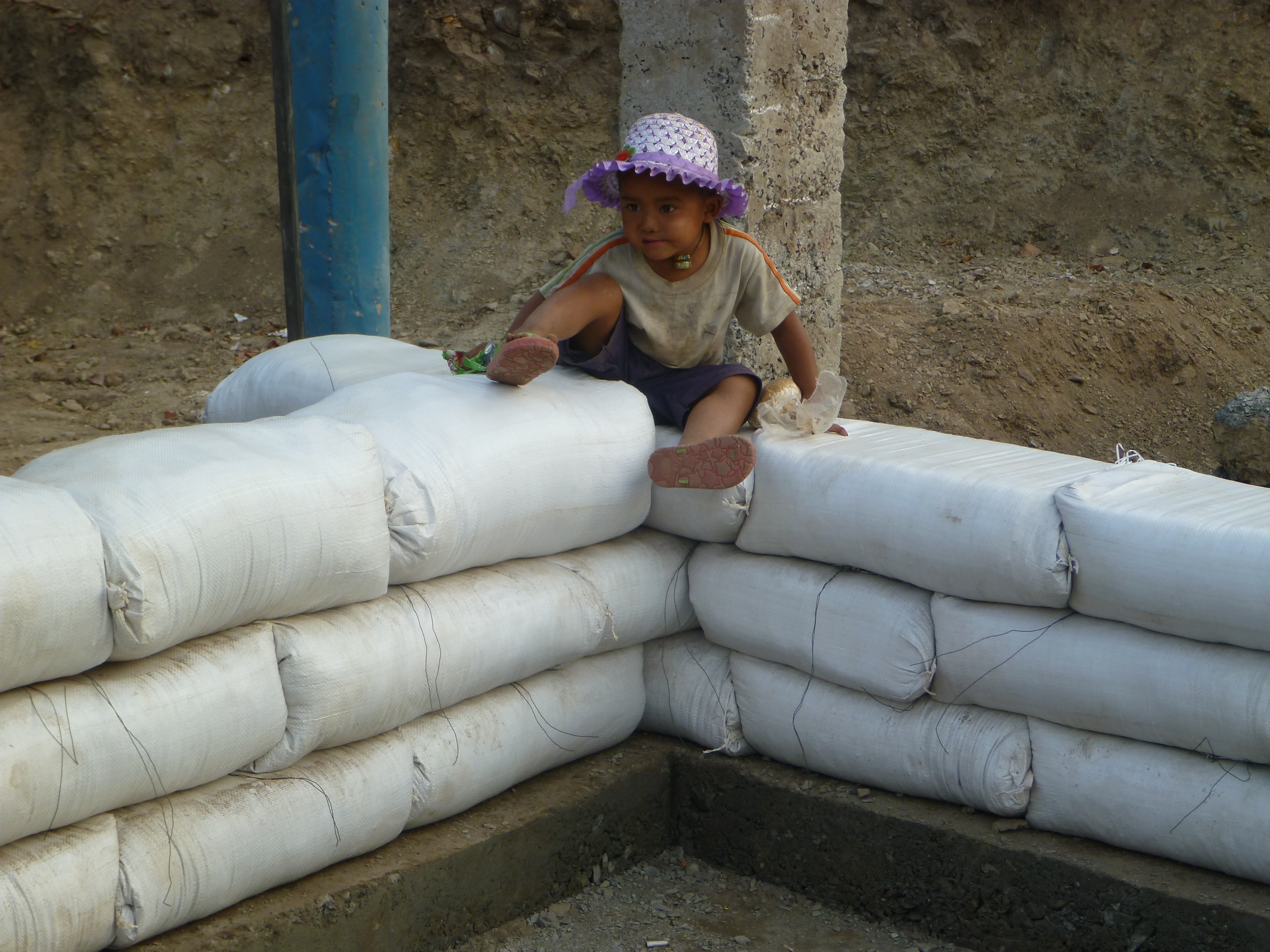
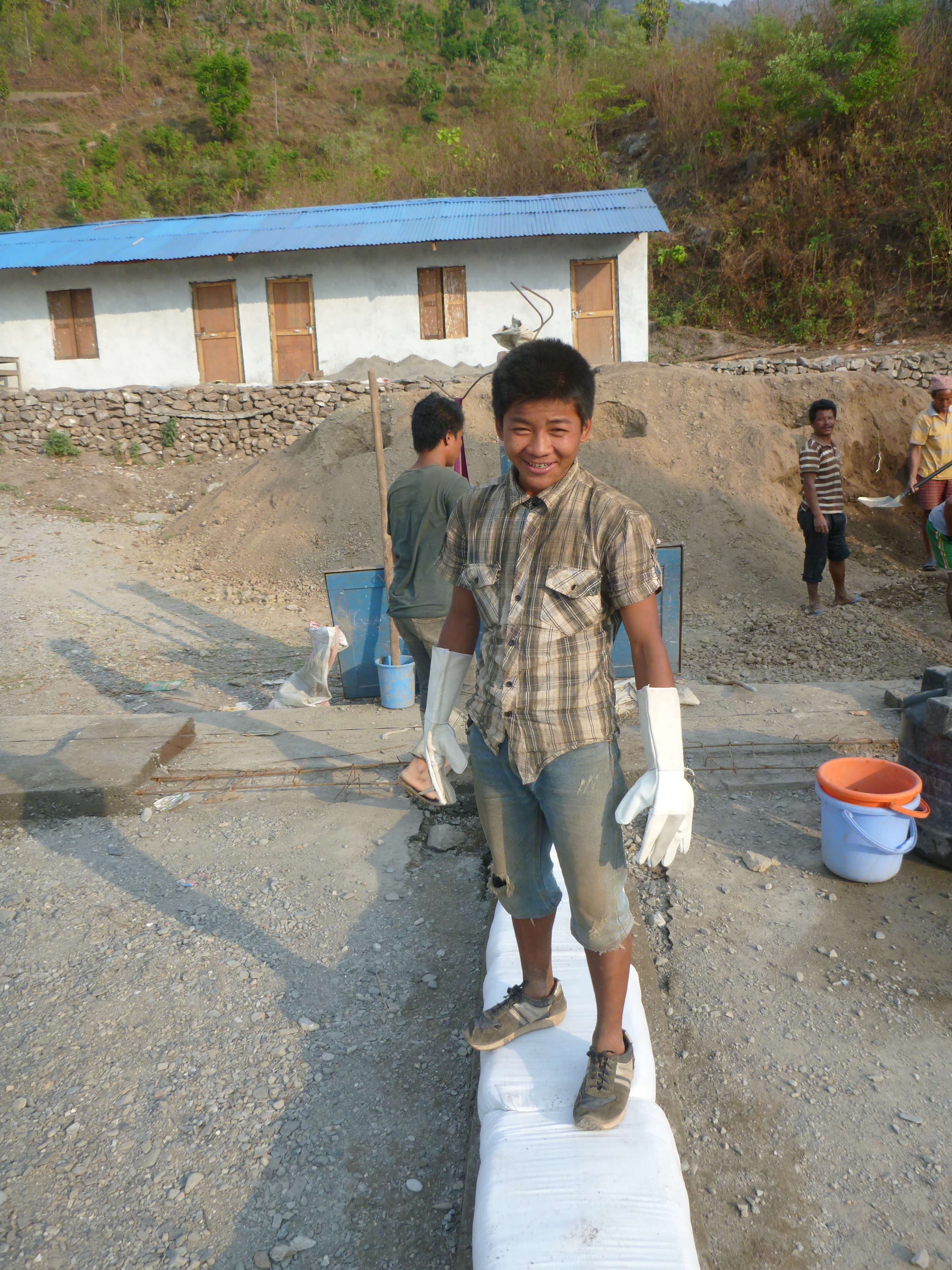
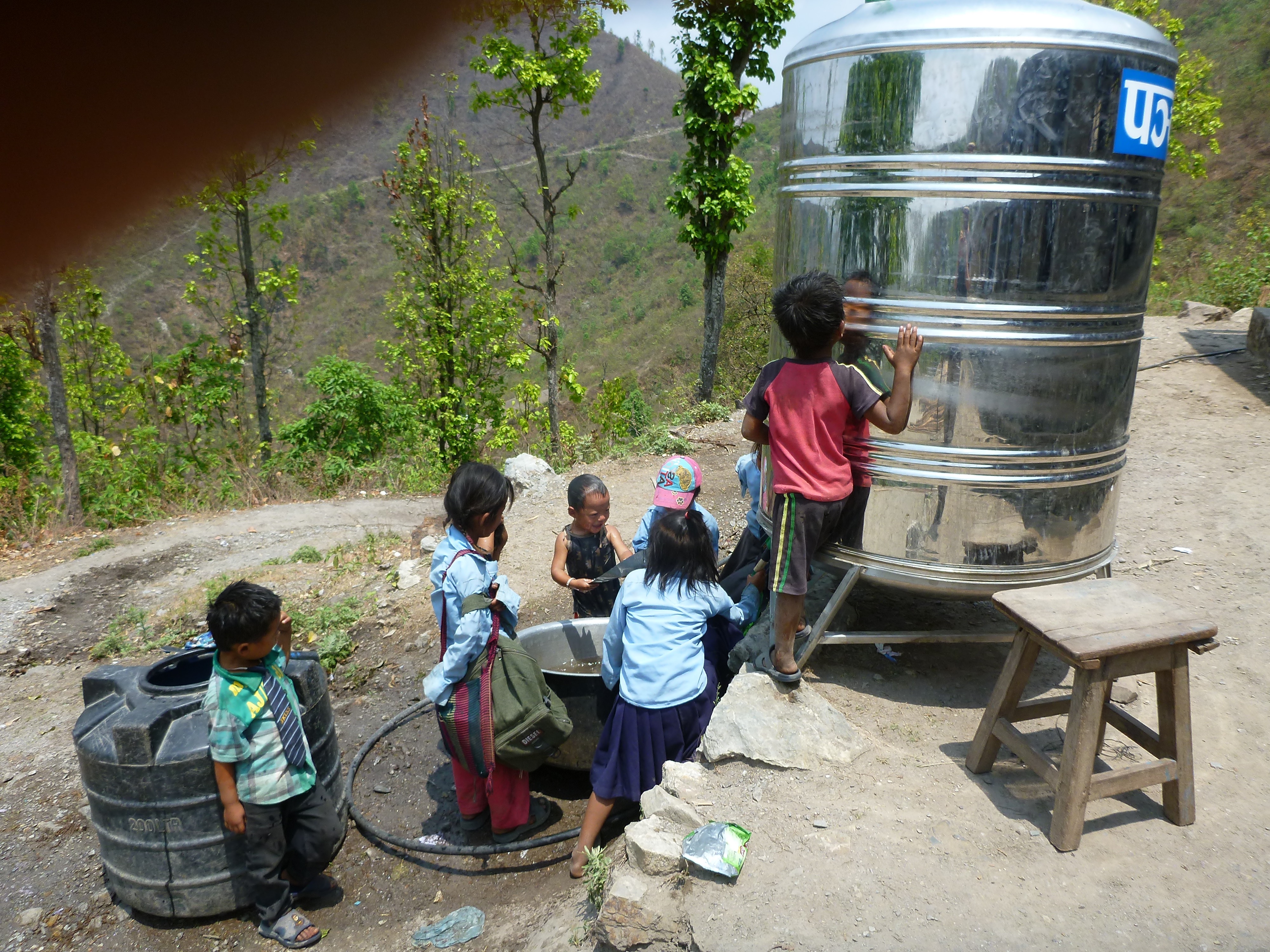
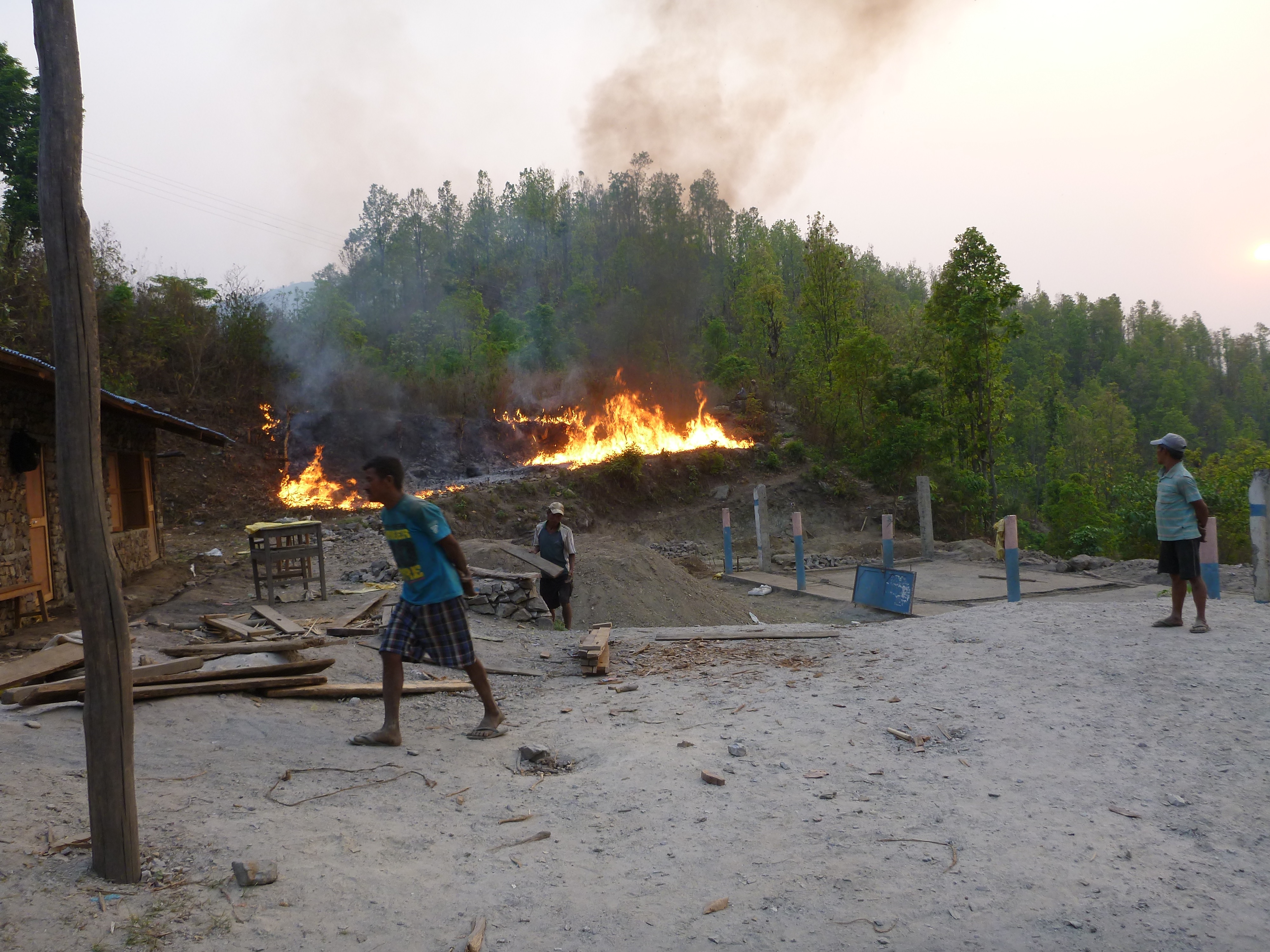
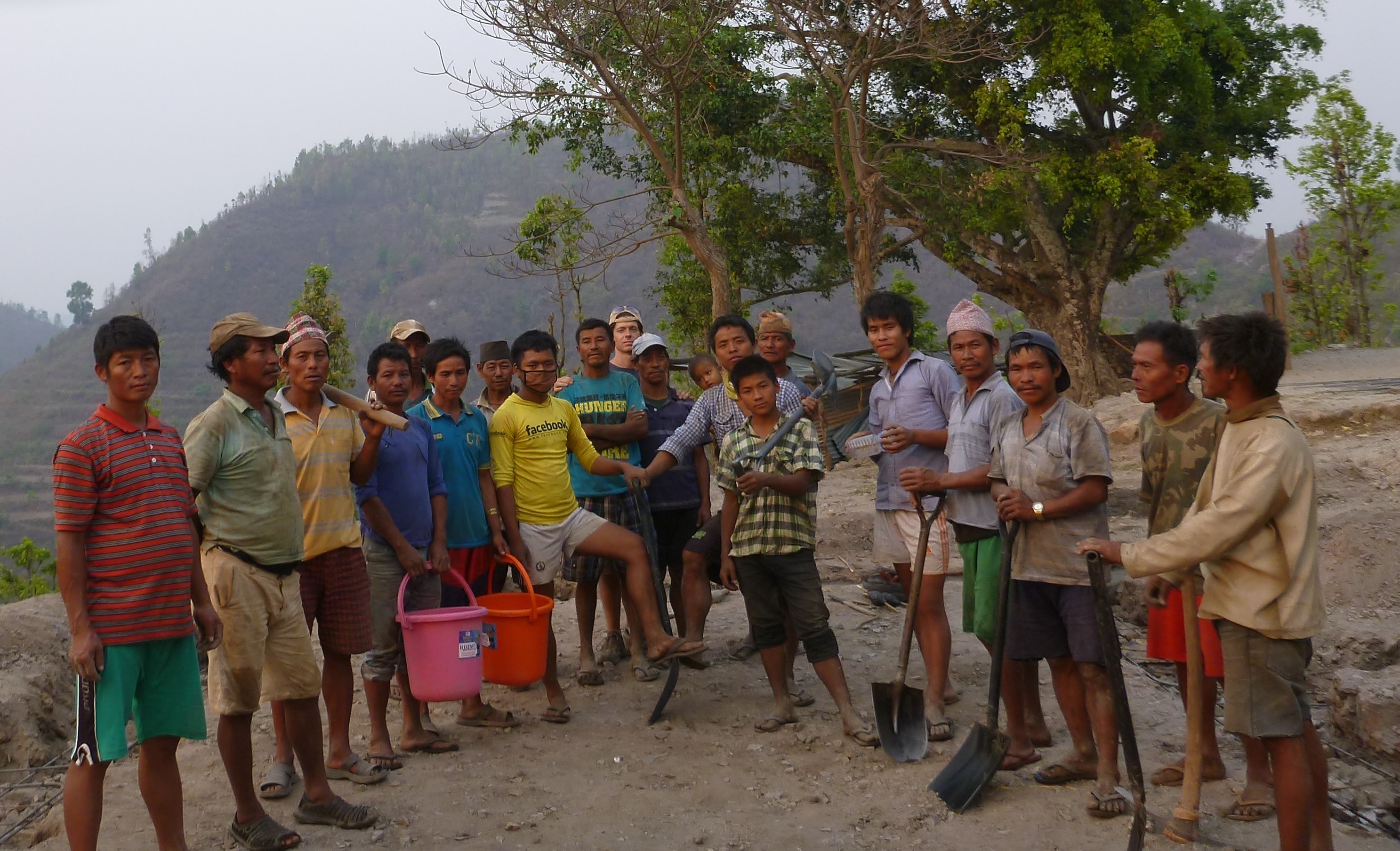
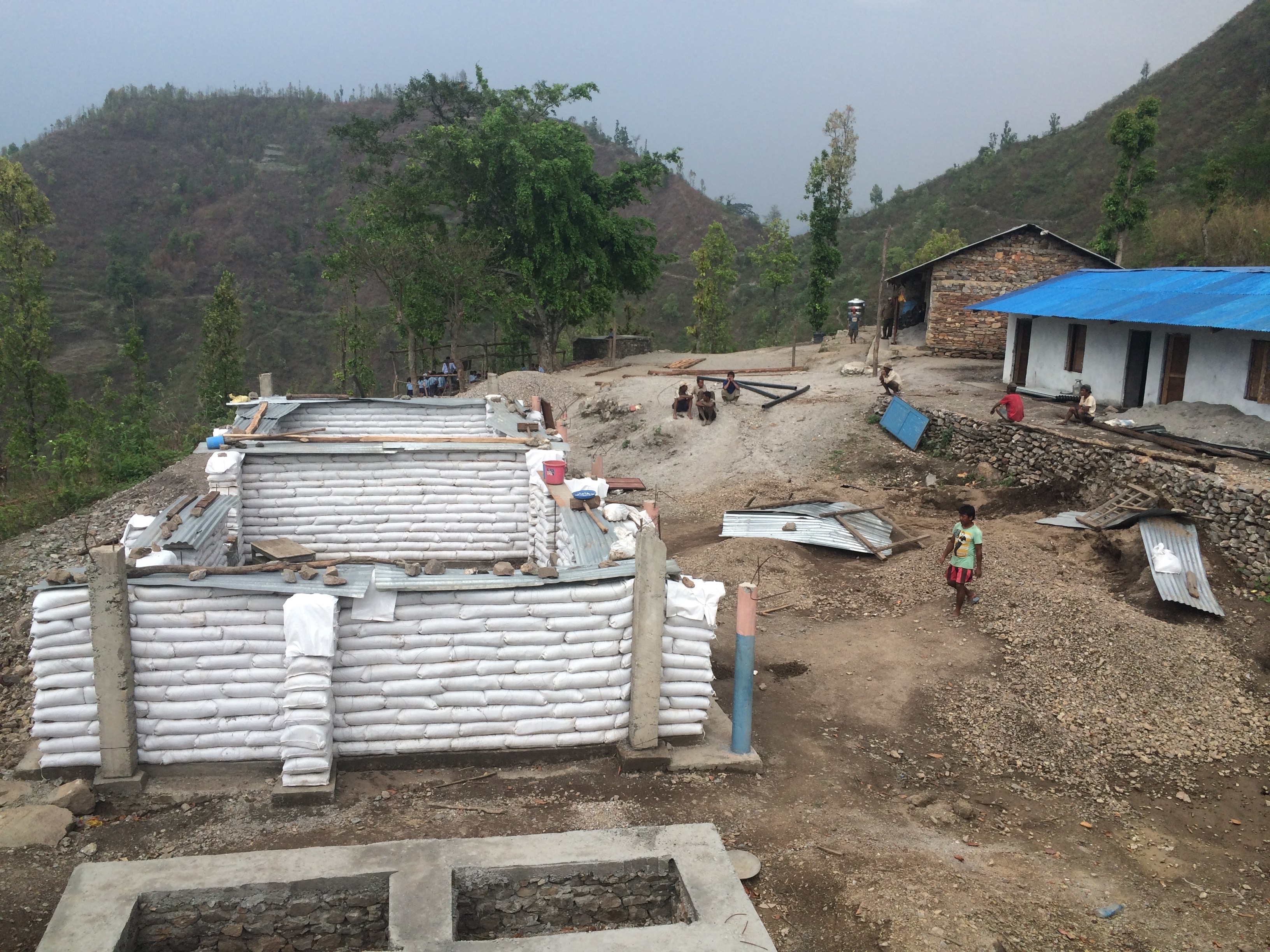
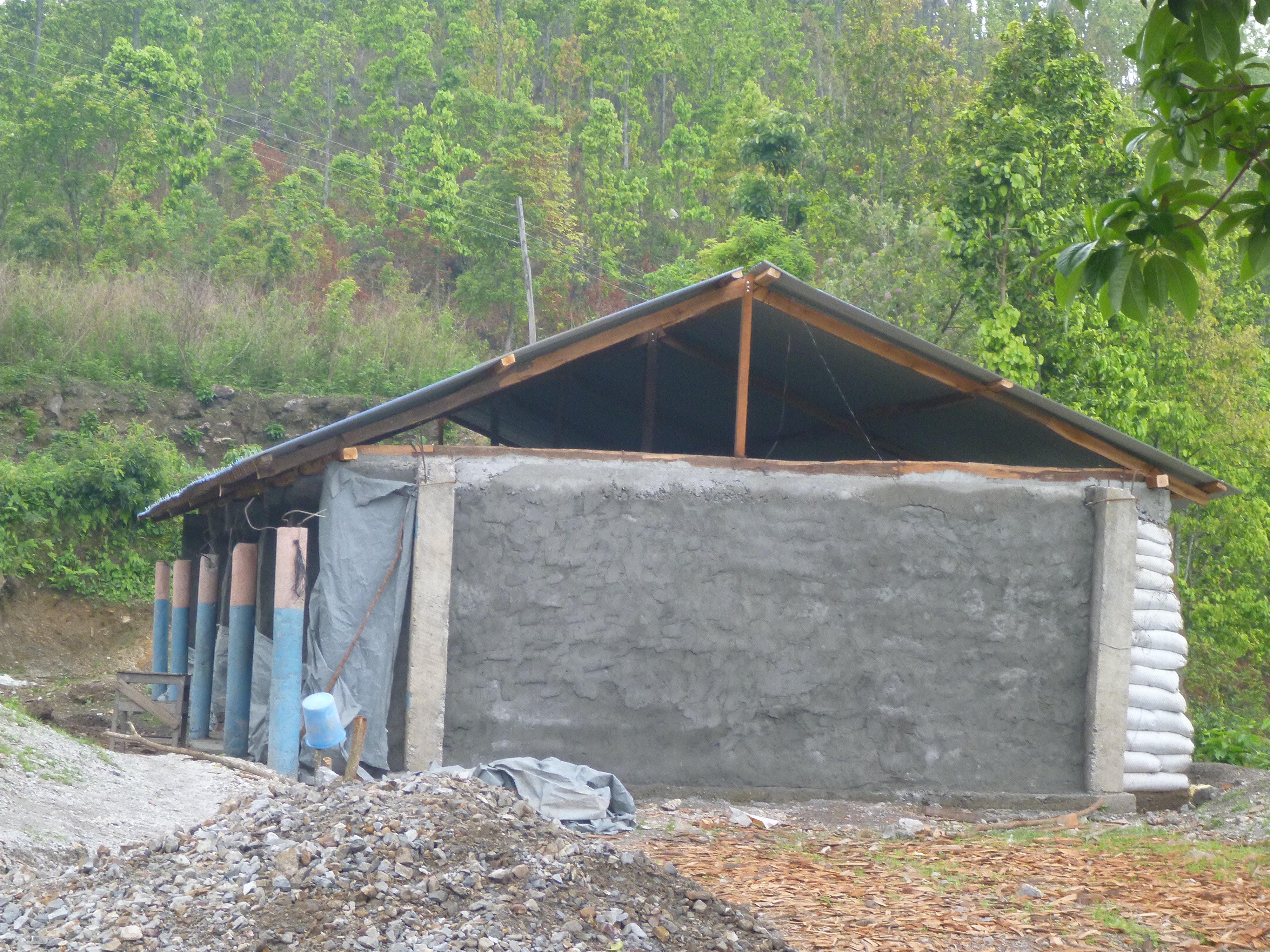
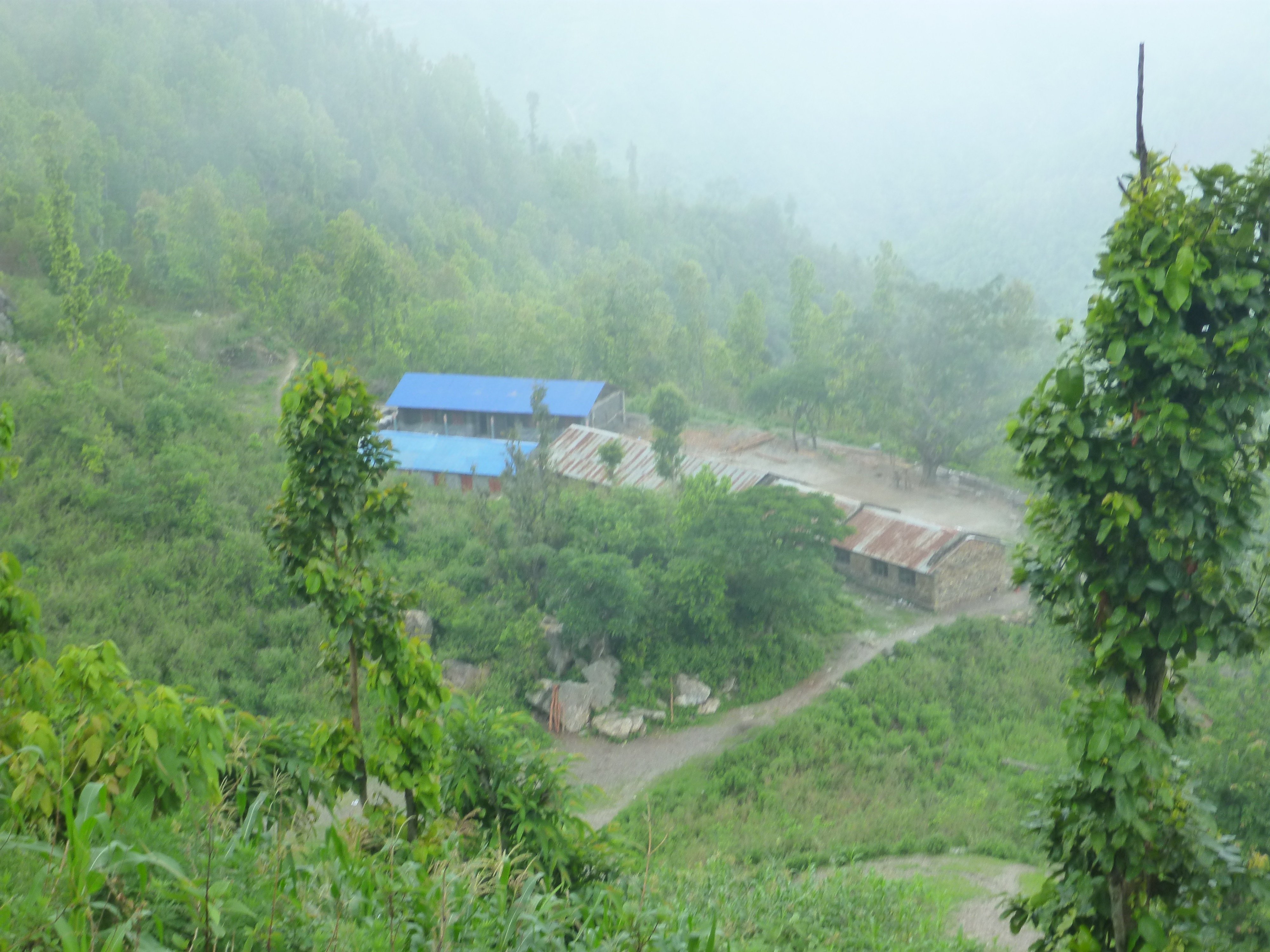
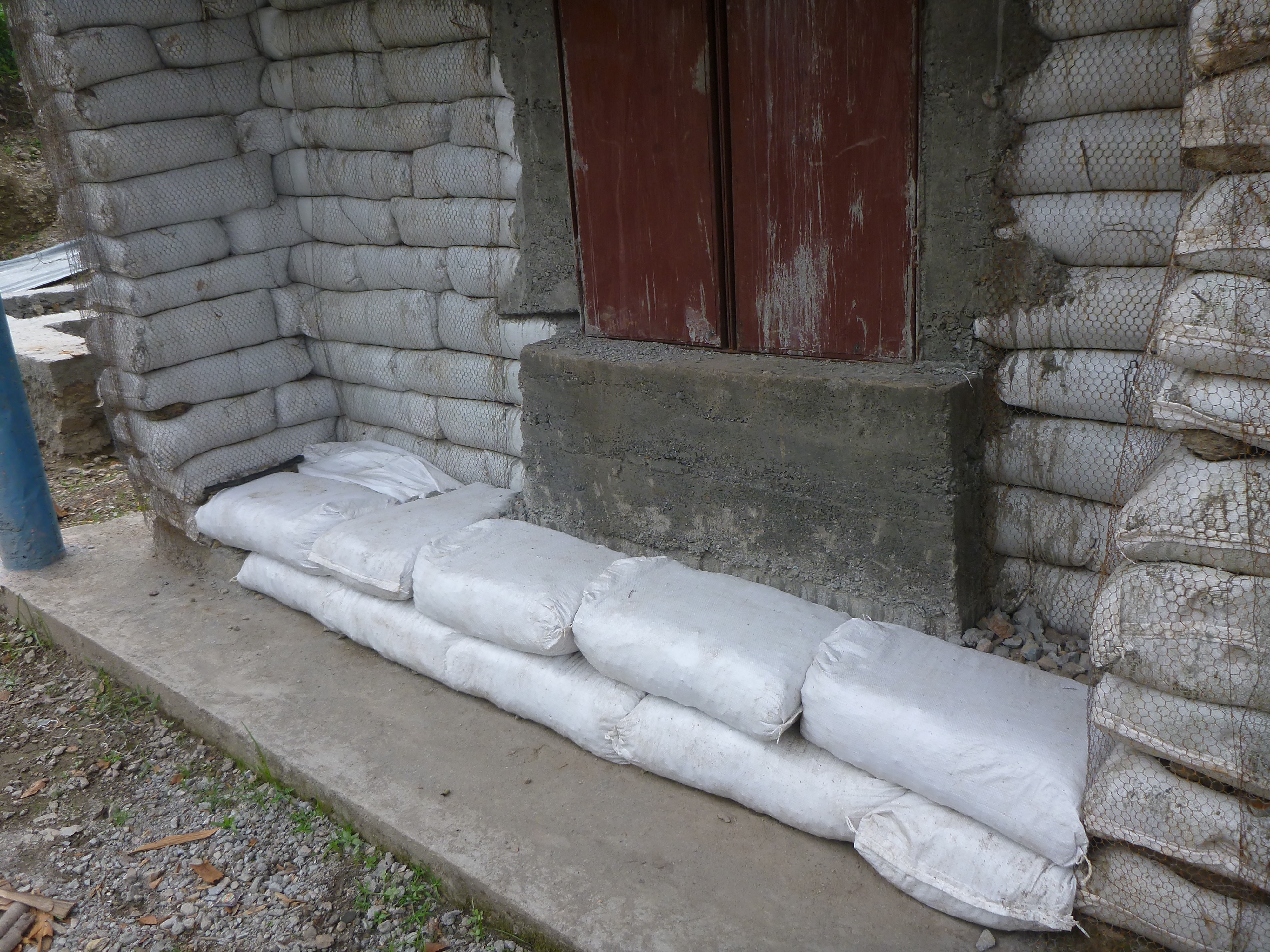
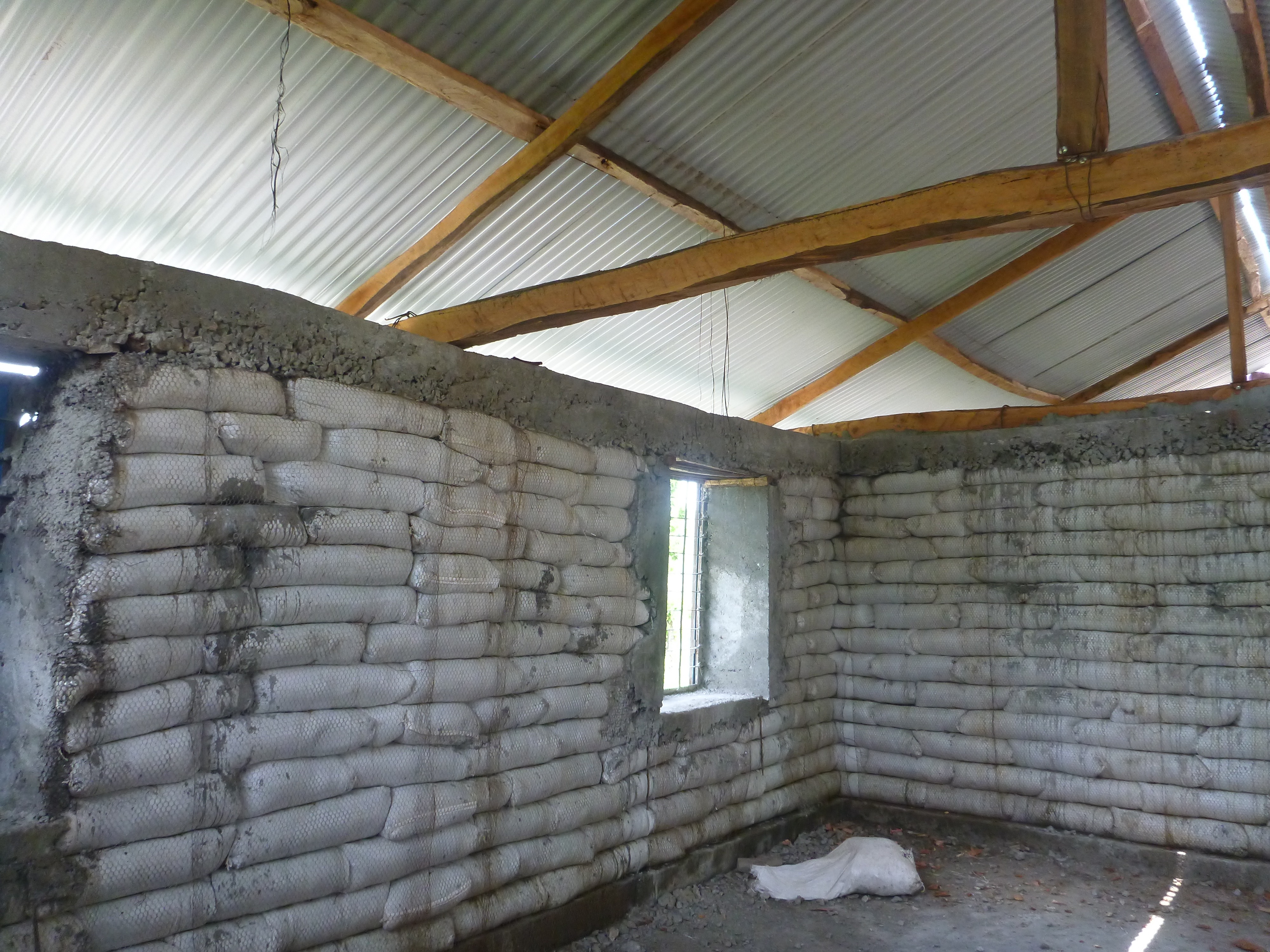
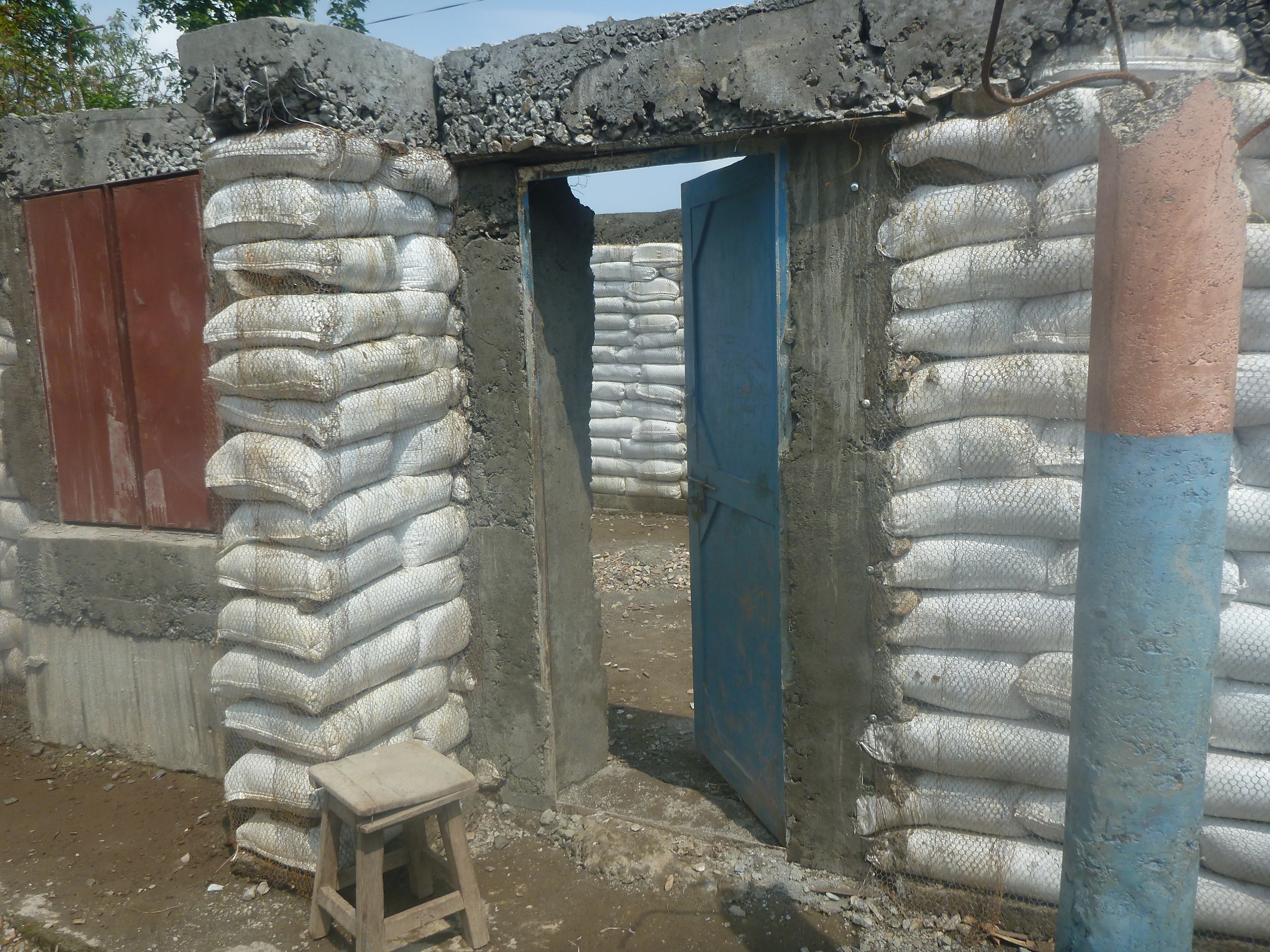
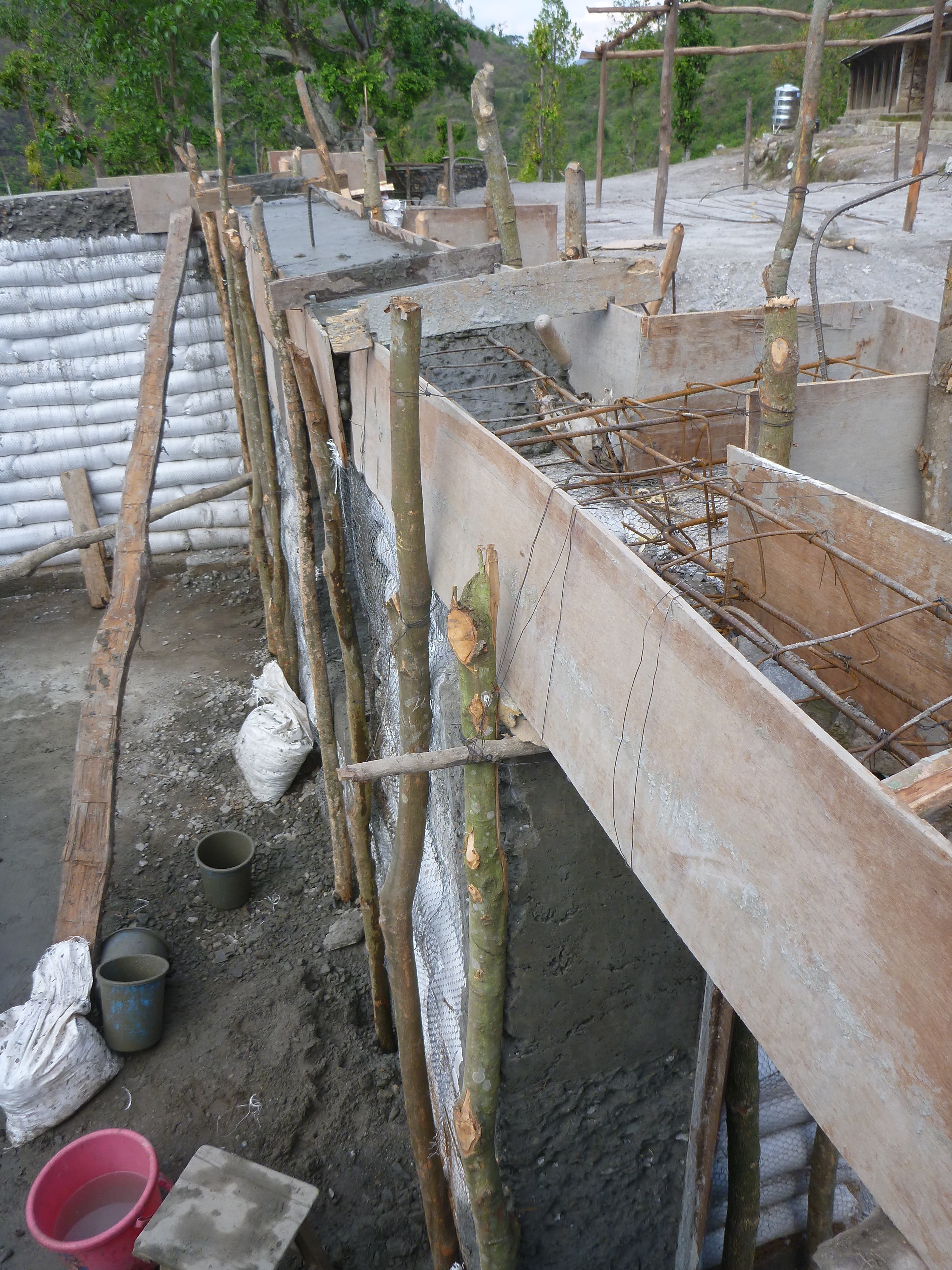
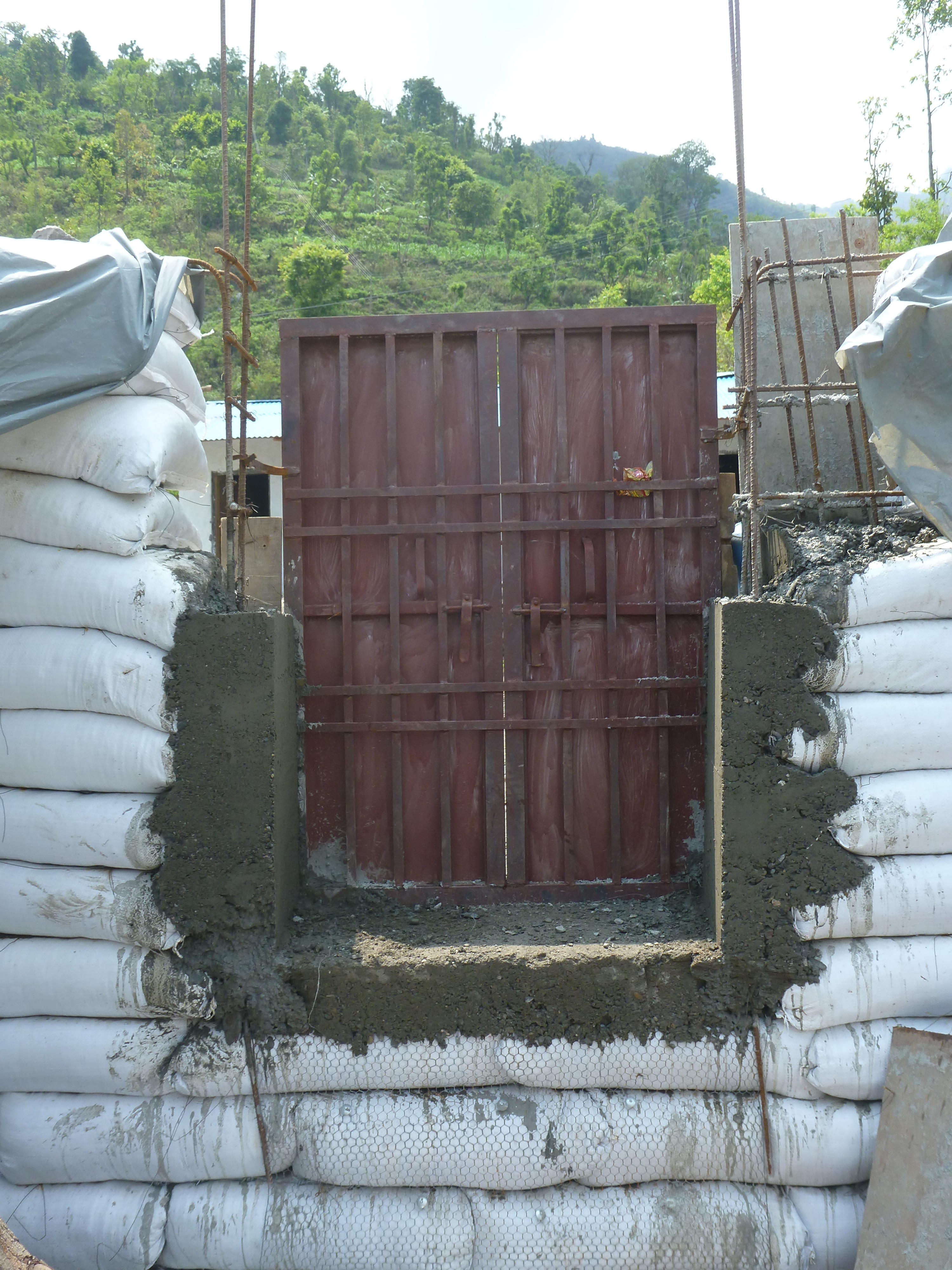
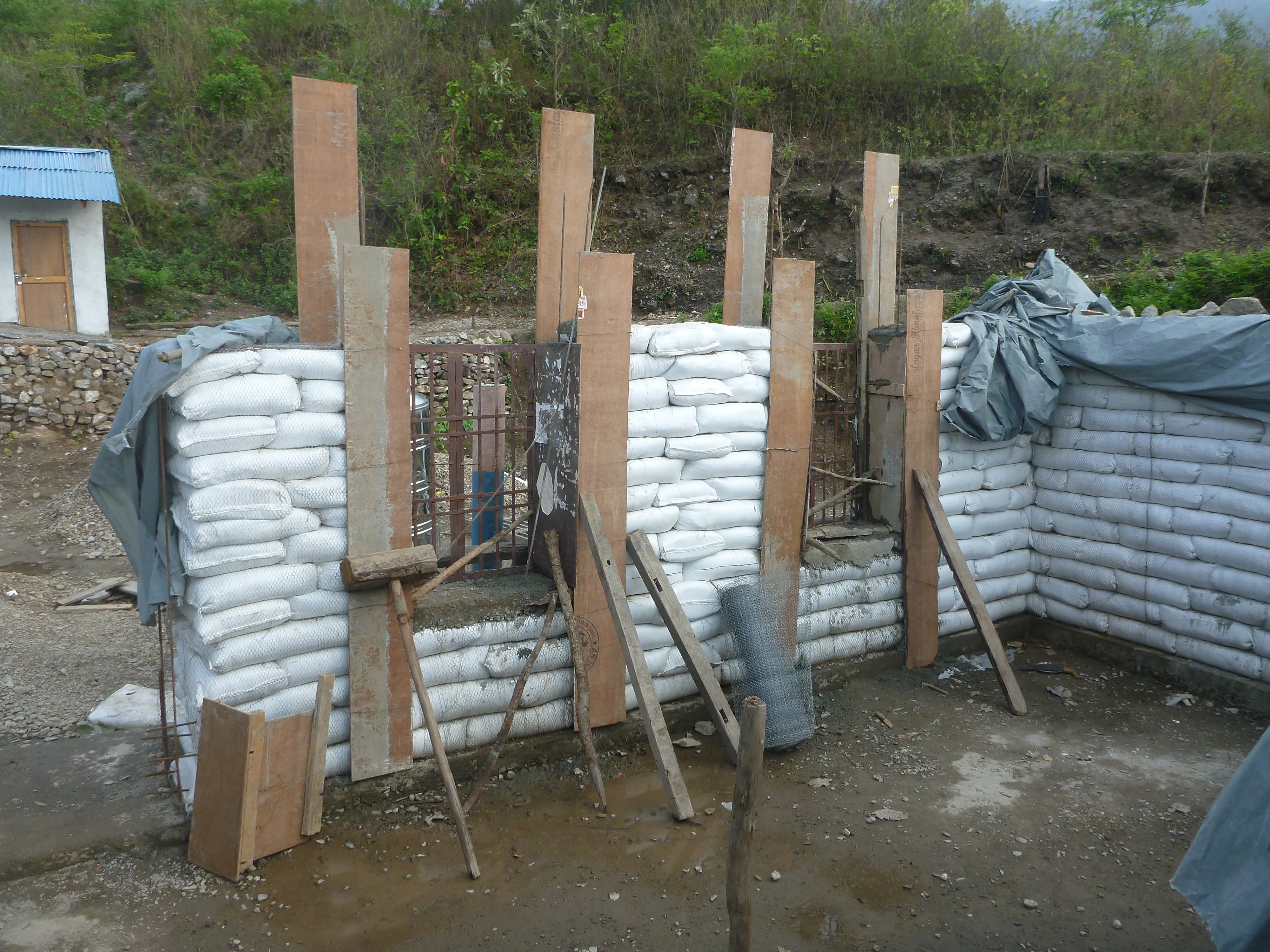
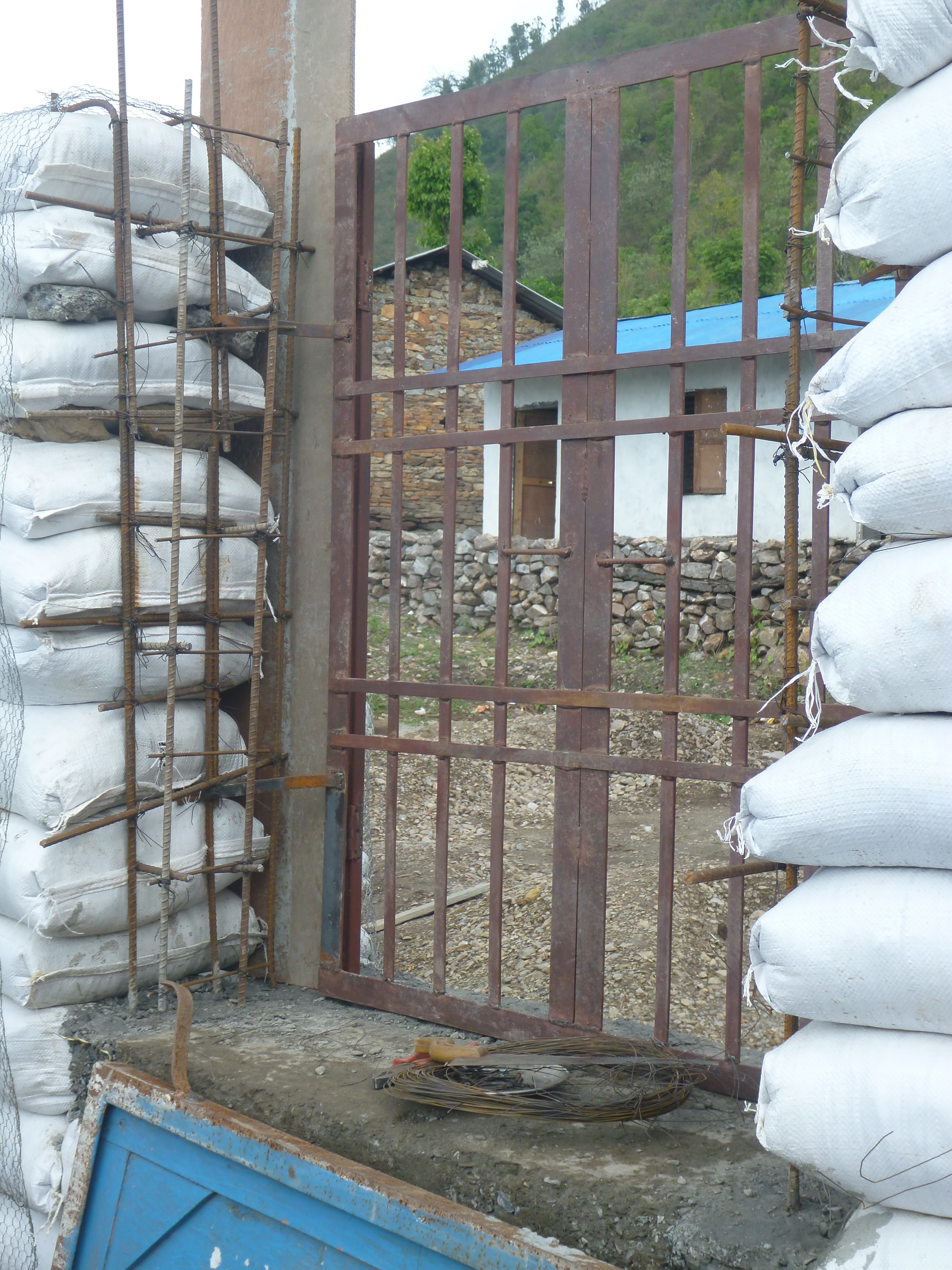
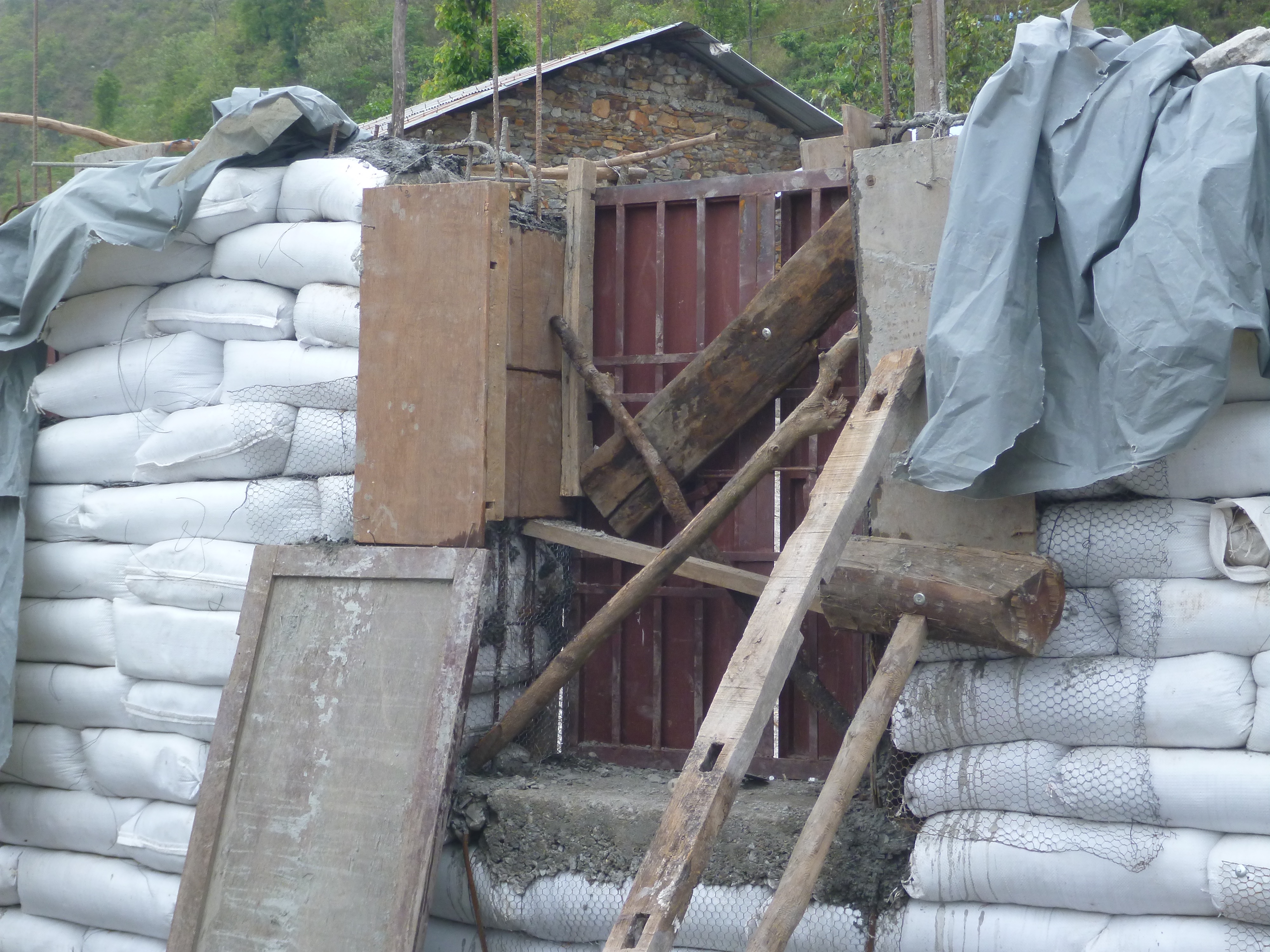
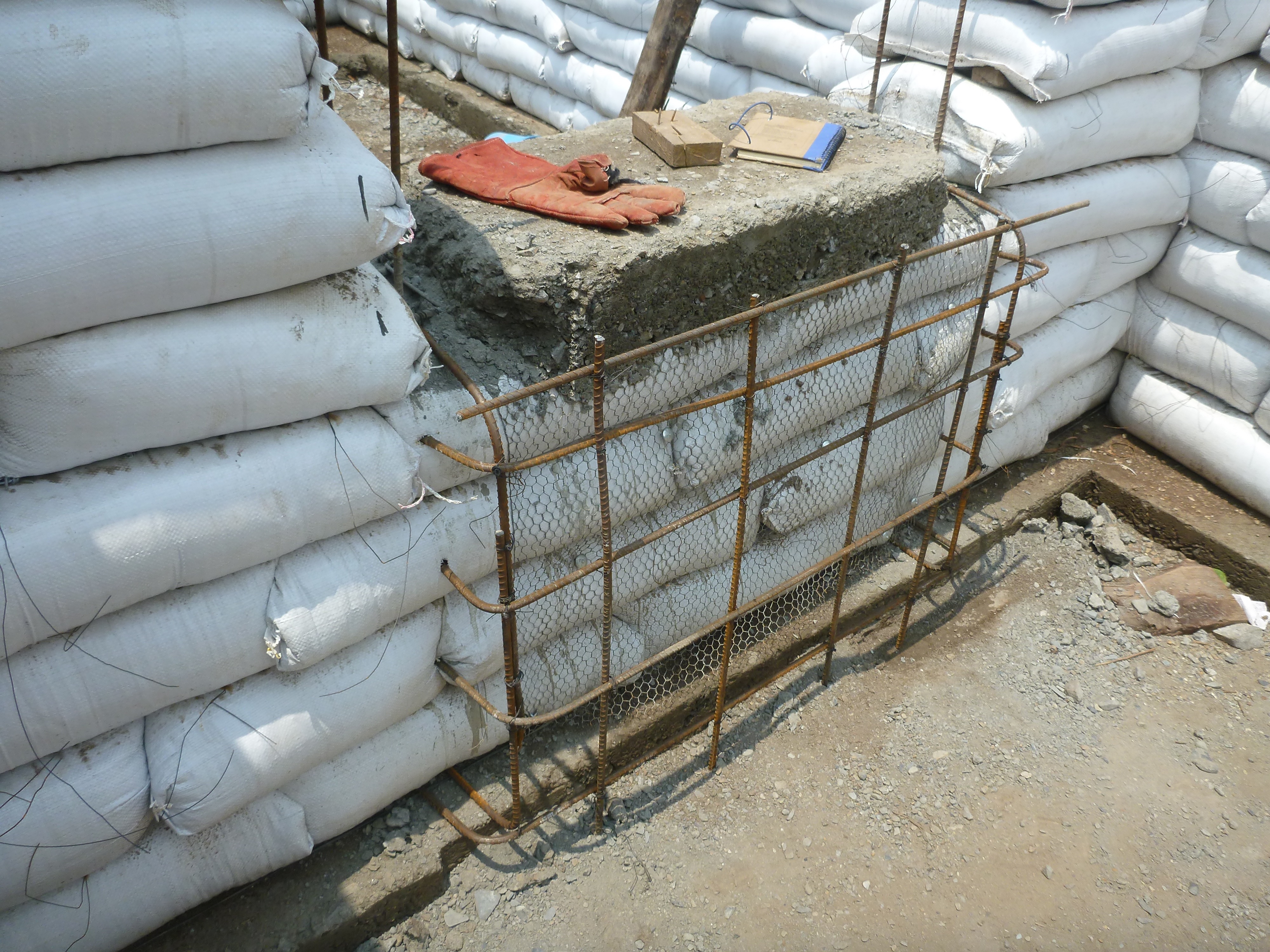
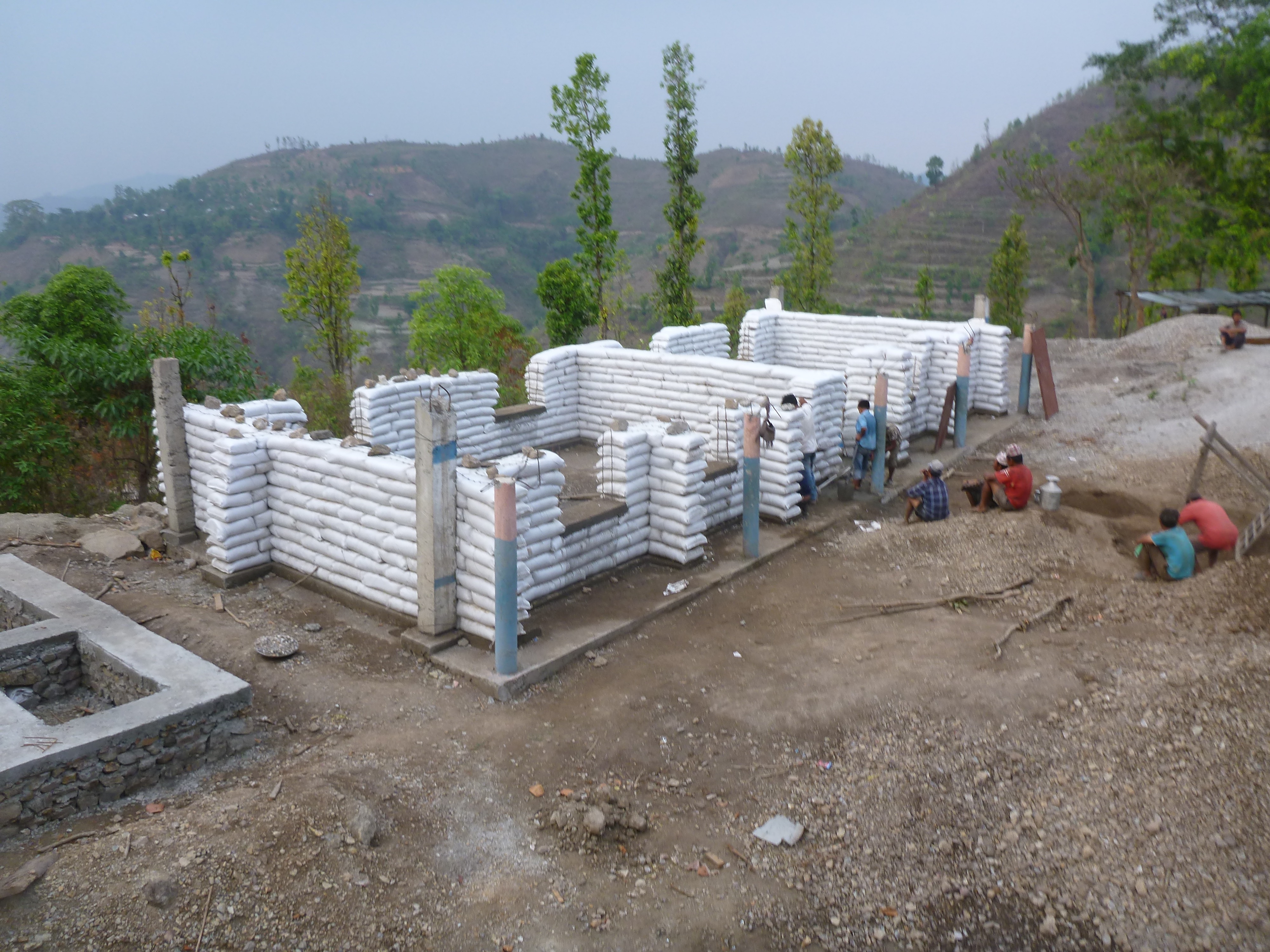
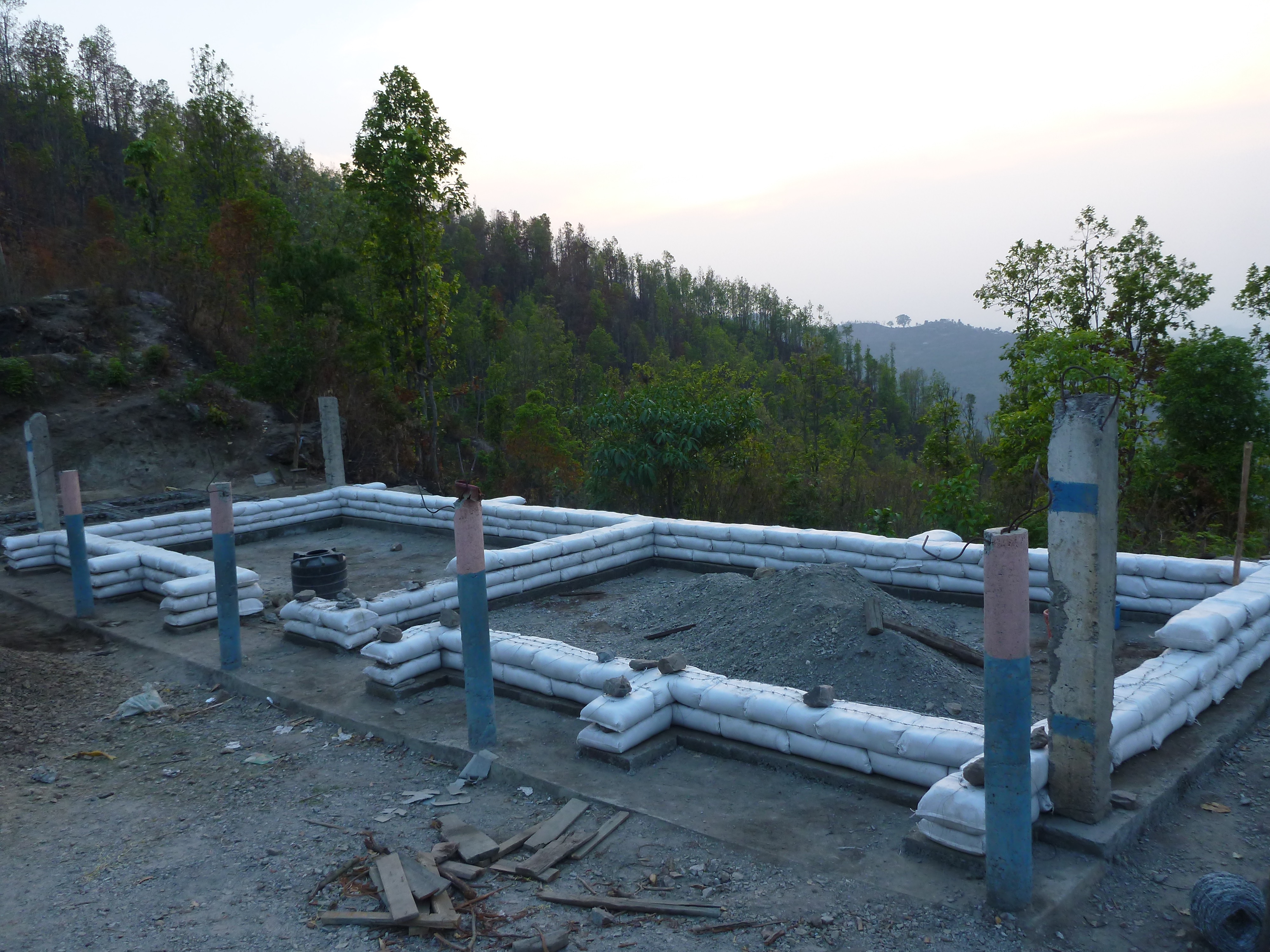
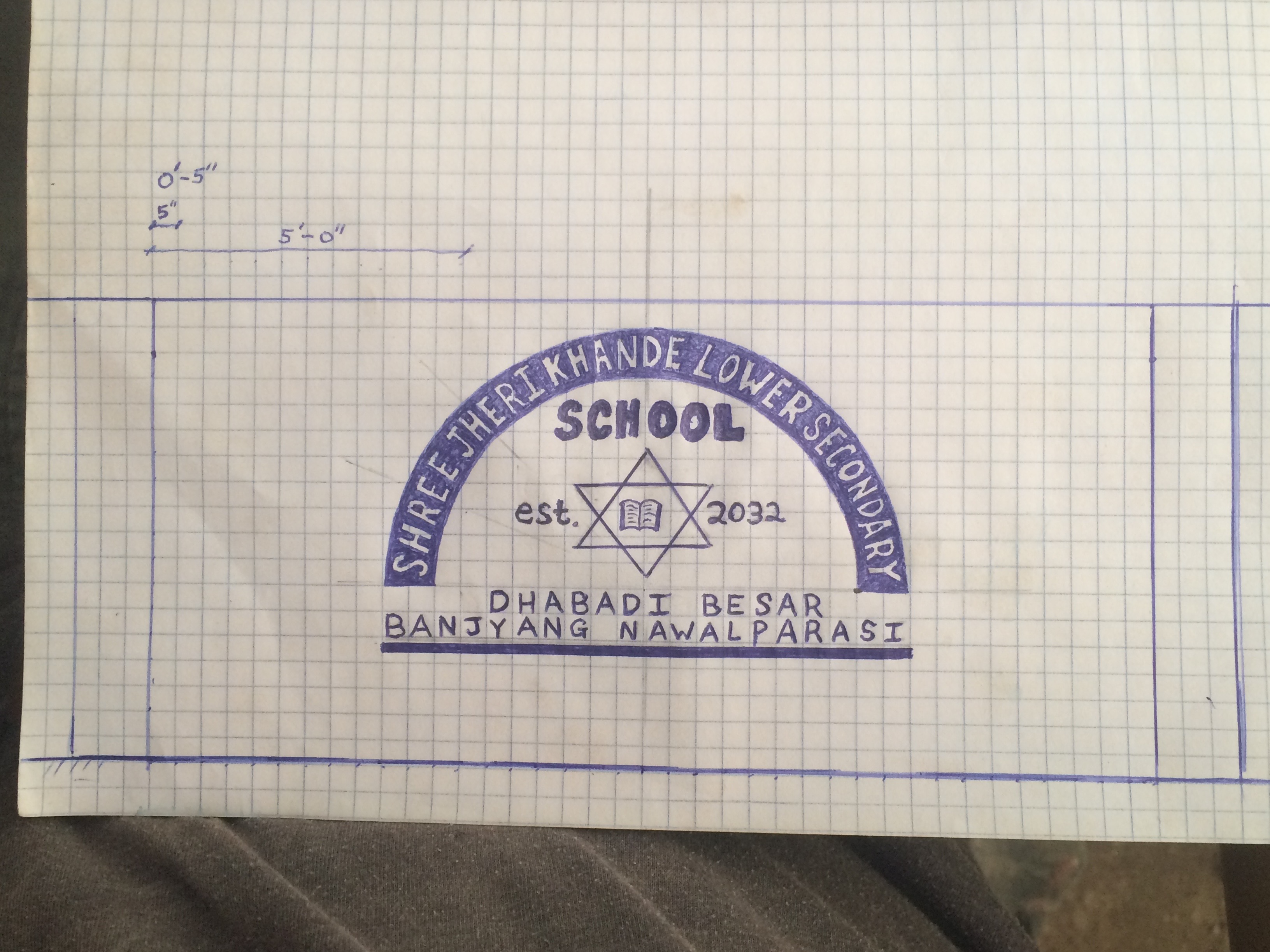
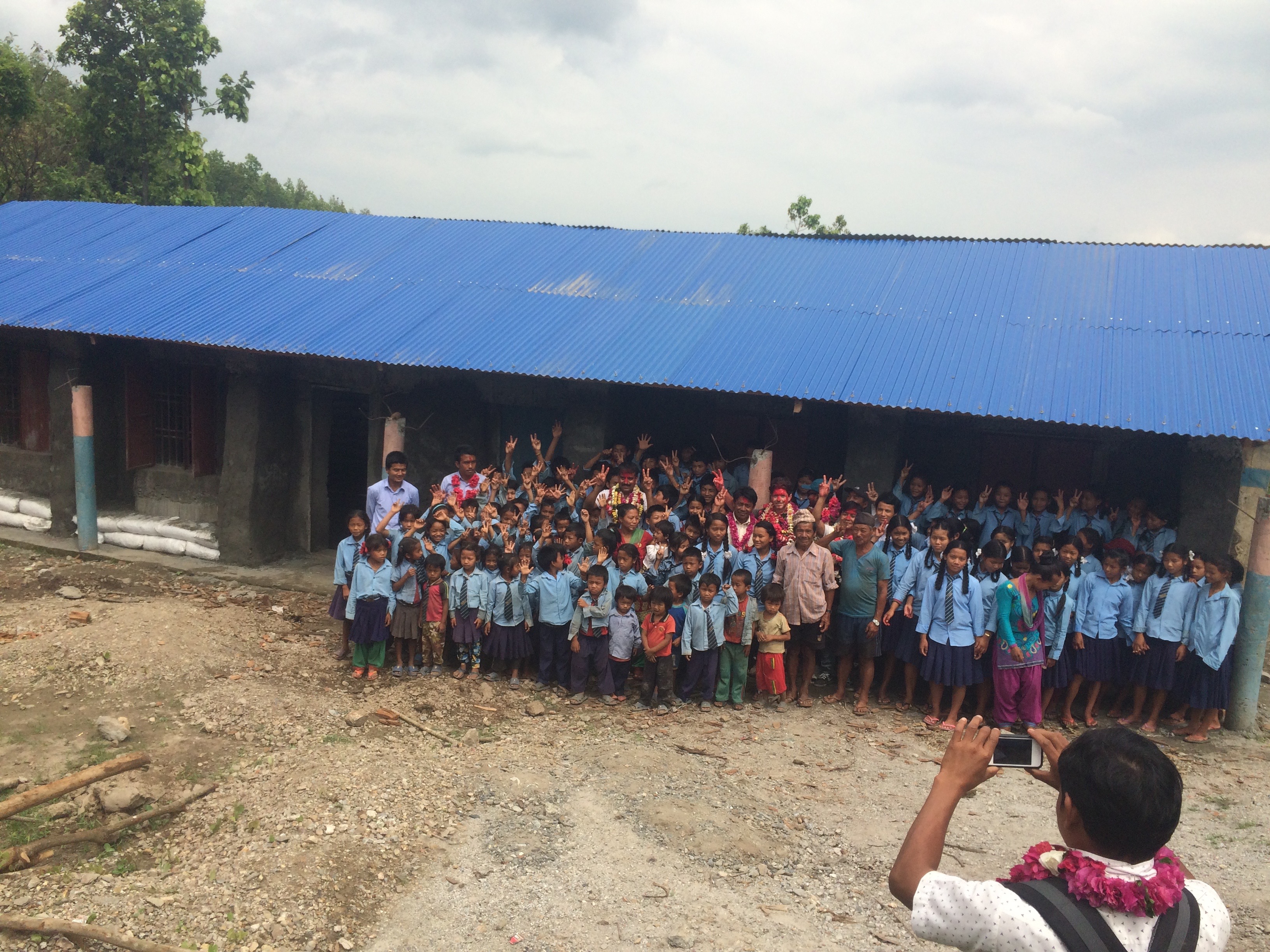
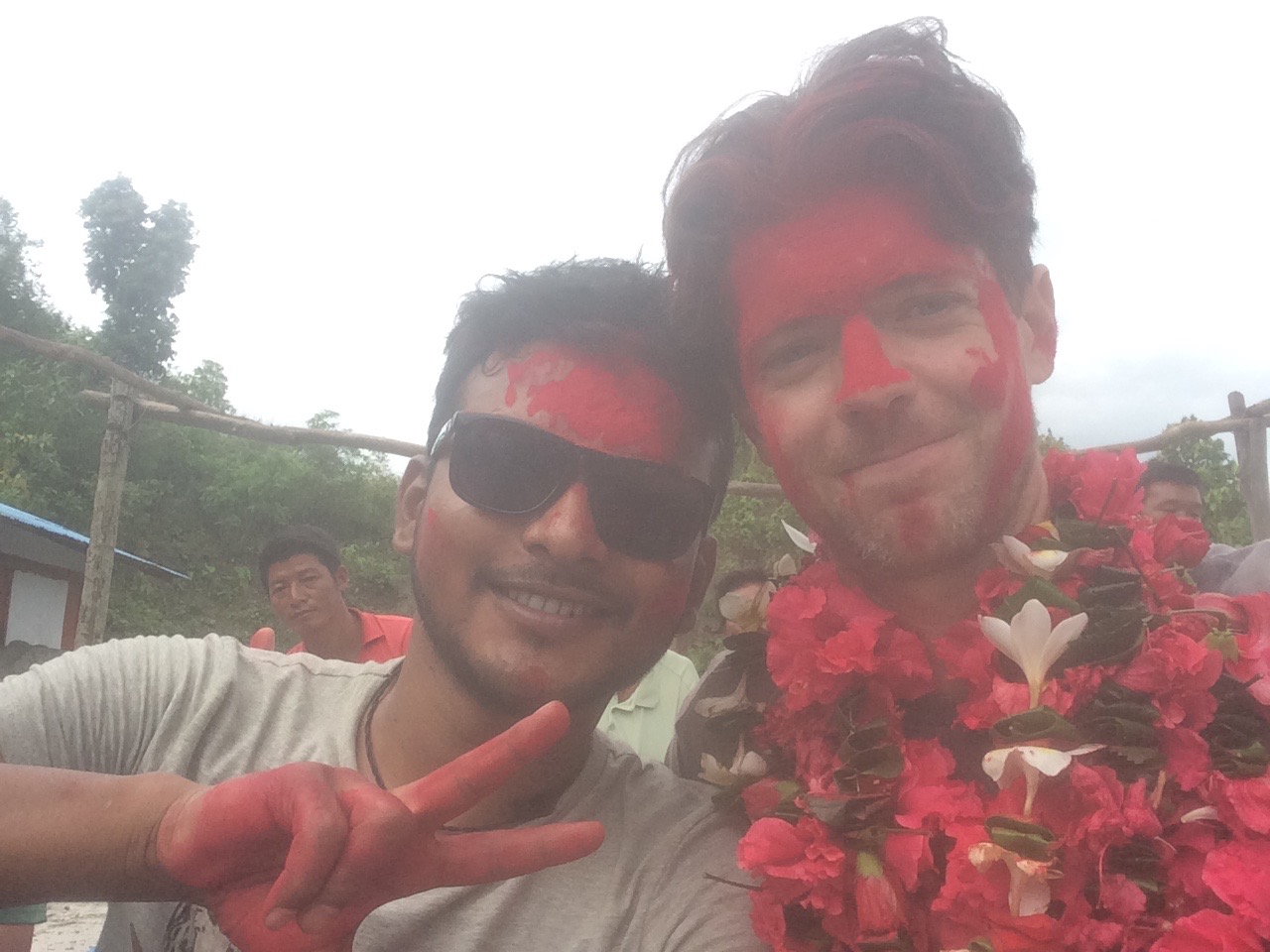
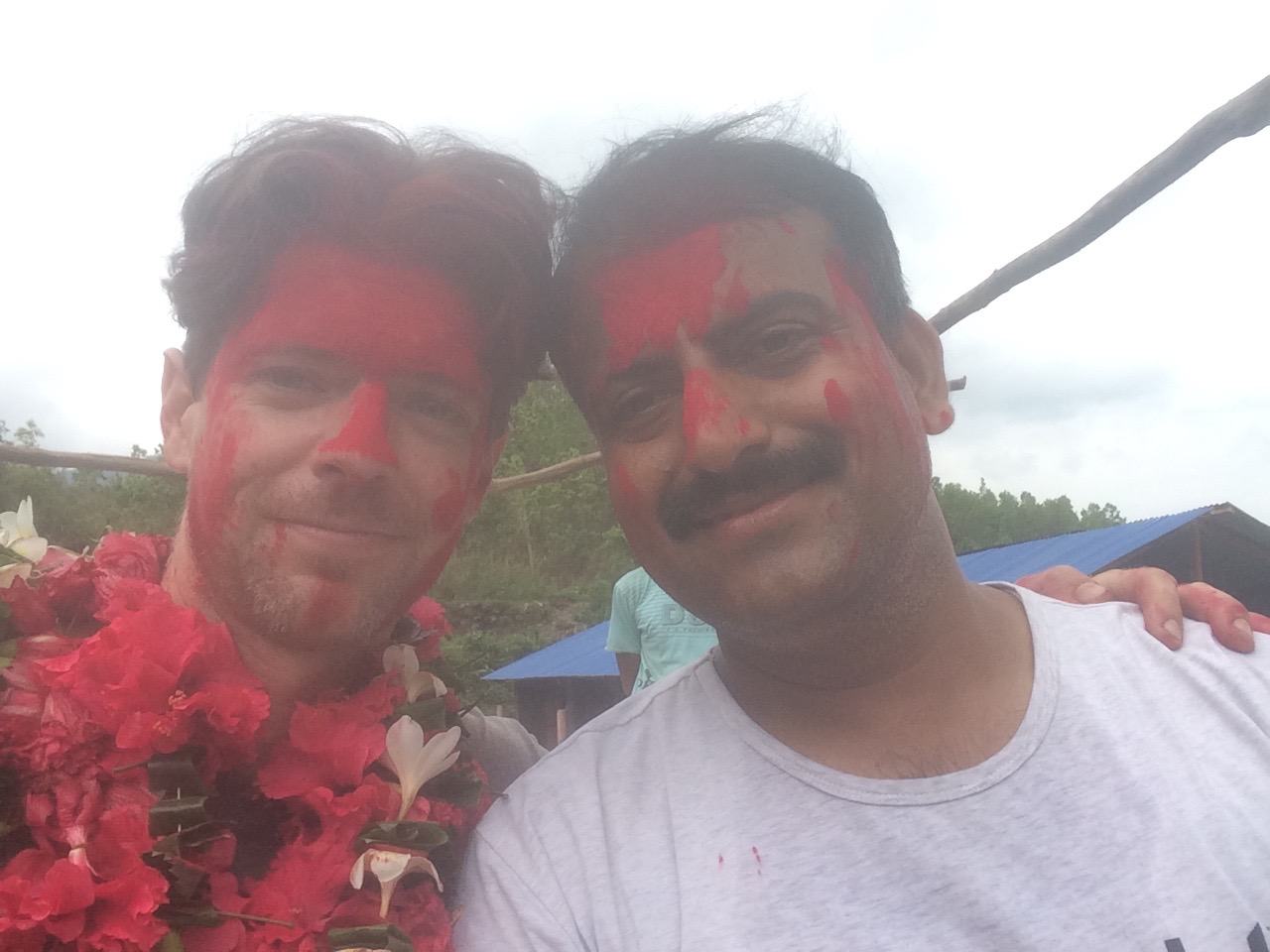
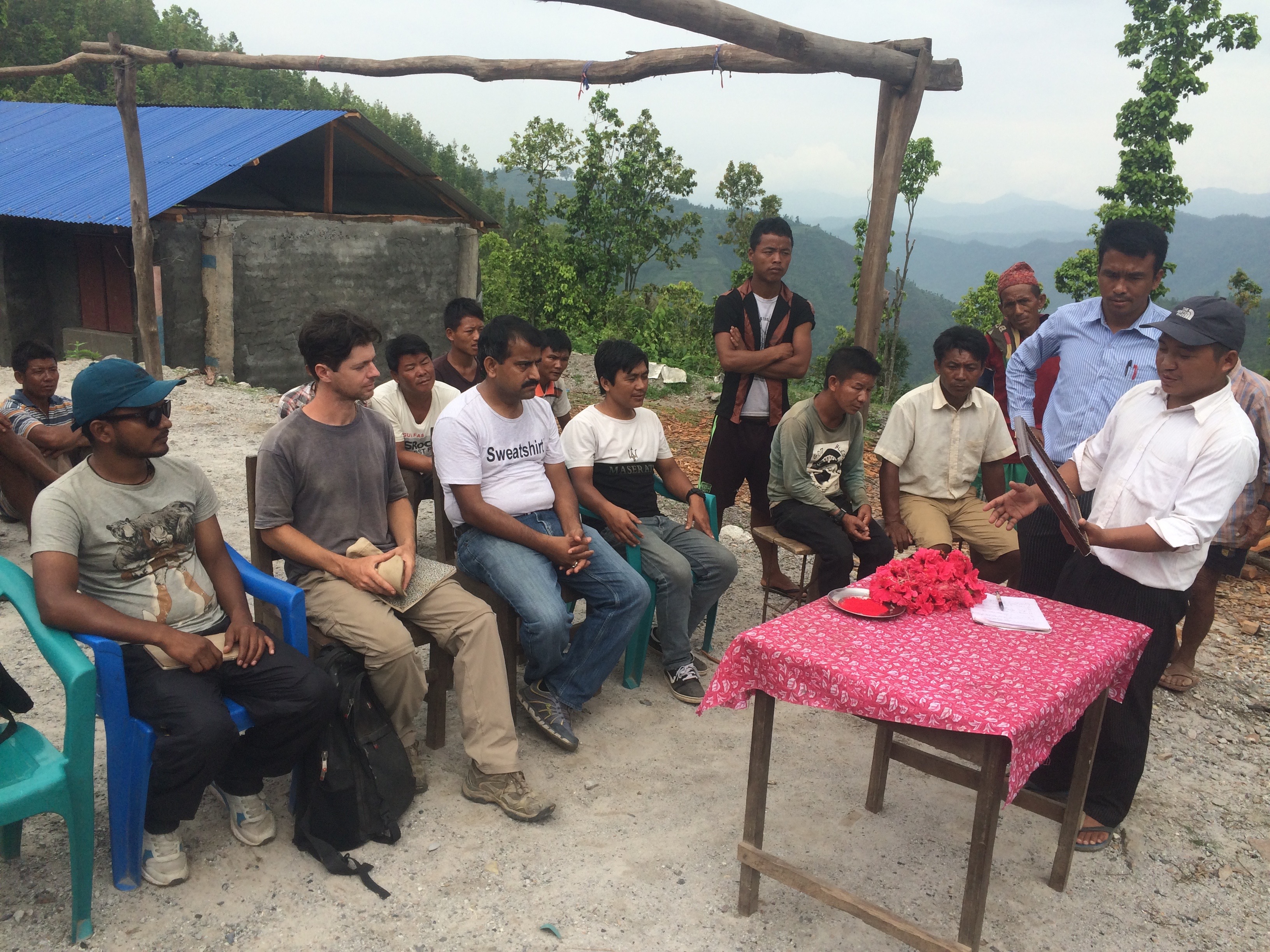
Earthbag construction enables remote communities to build durable, disaster‑resilient structures without machinery or electricity. Involving residents in financing, sourcing, and building strengthens local self‑reliance and fosters lasting community cohesion.  This project was built in a remote part of the Gaindakot Municipality in Nepal.

IMG_0303.jpg
Disaster Rebuilding

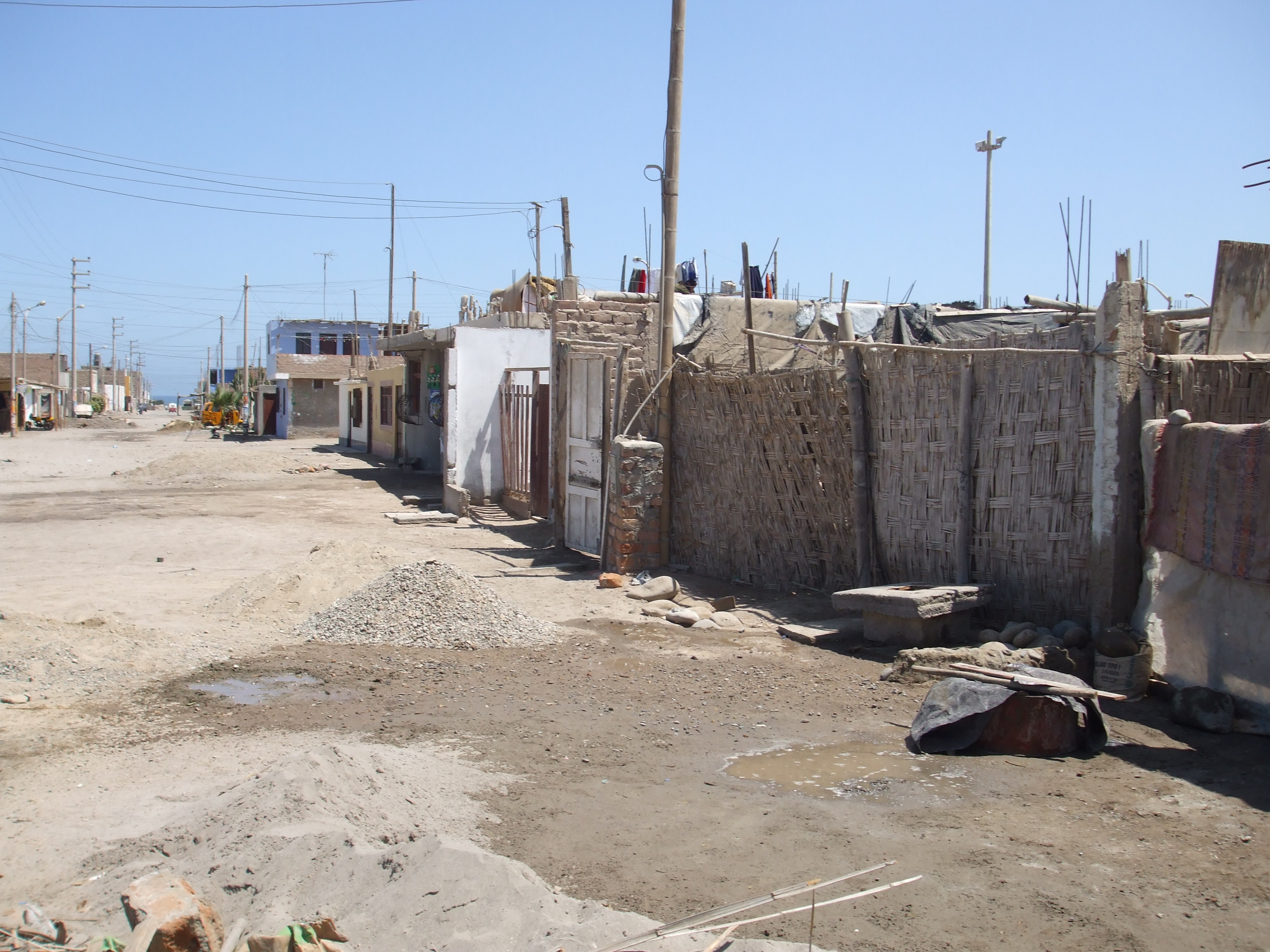
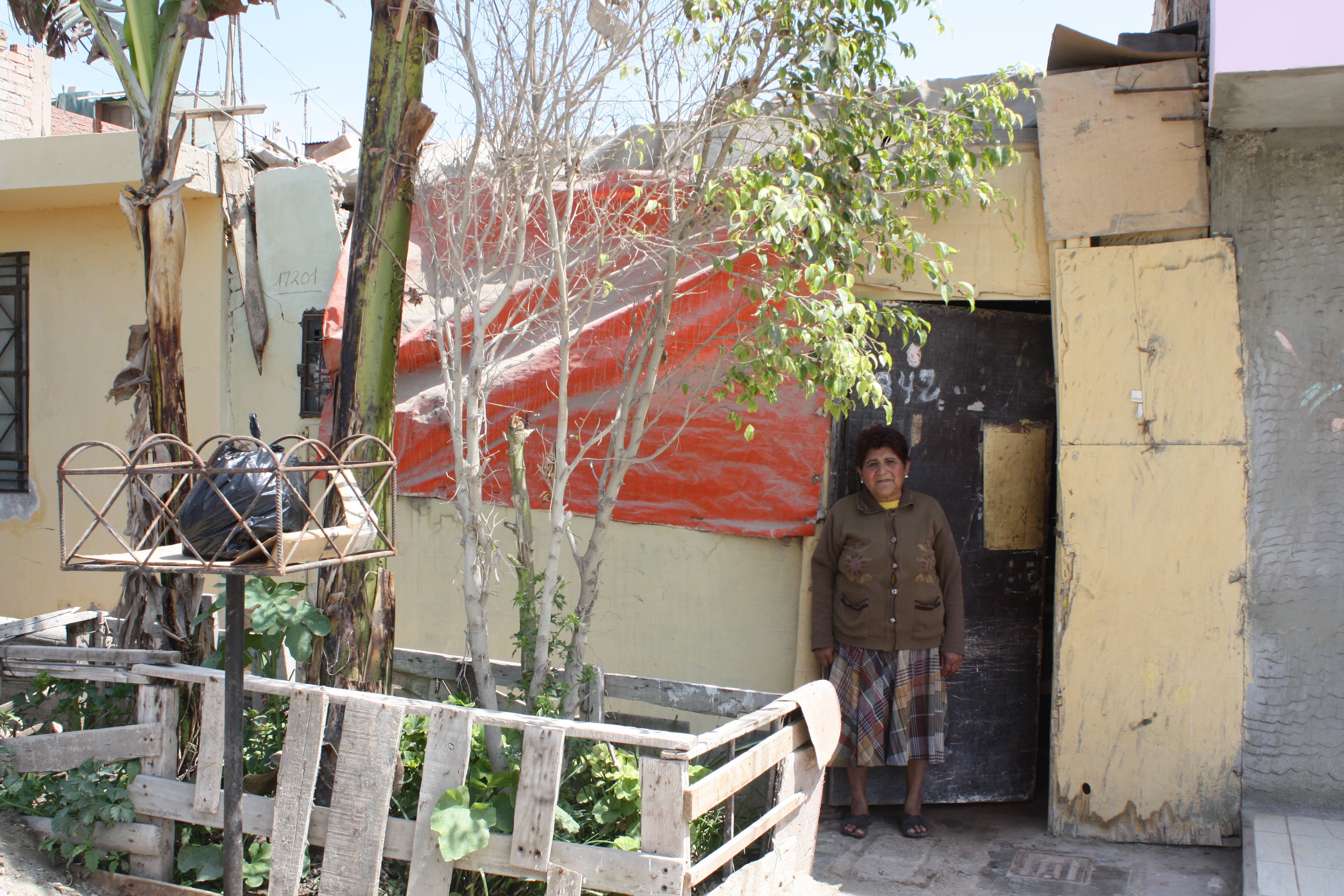
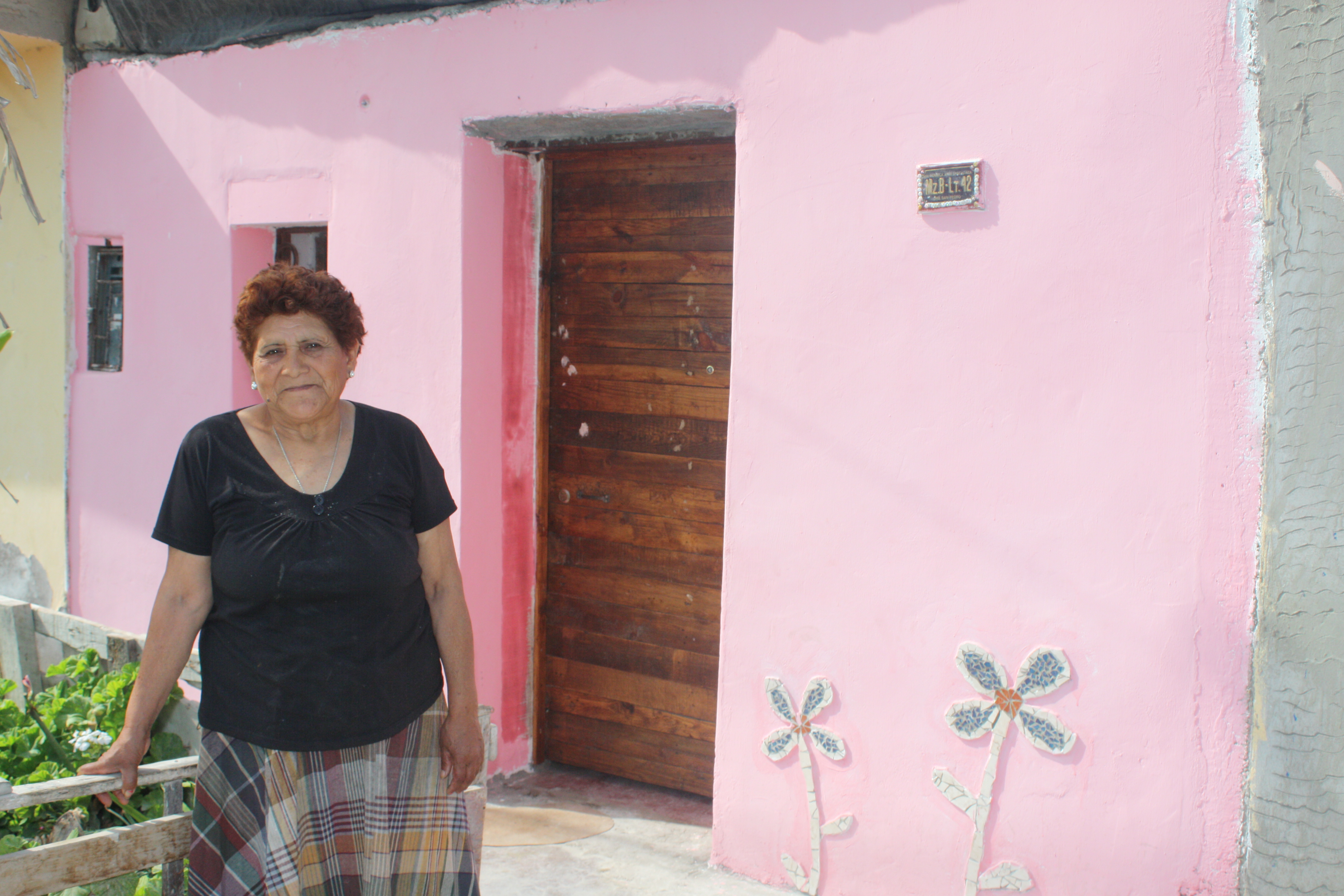
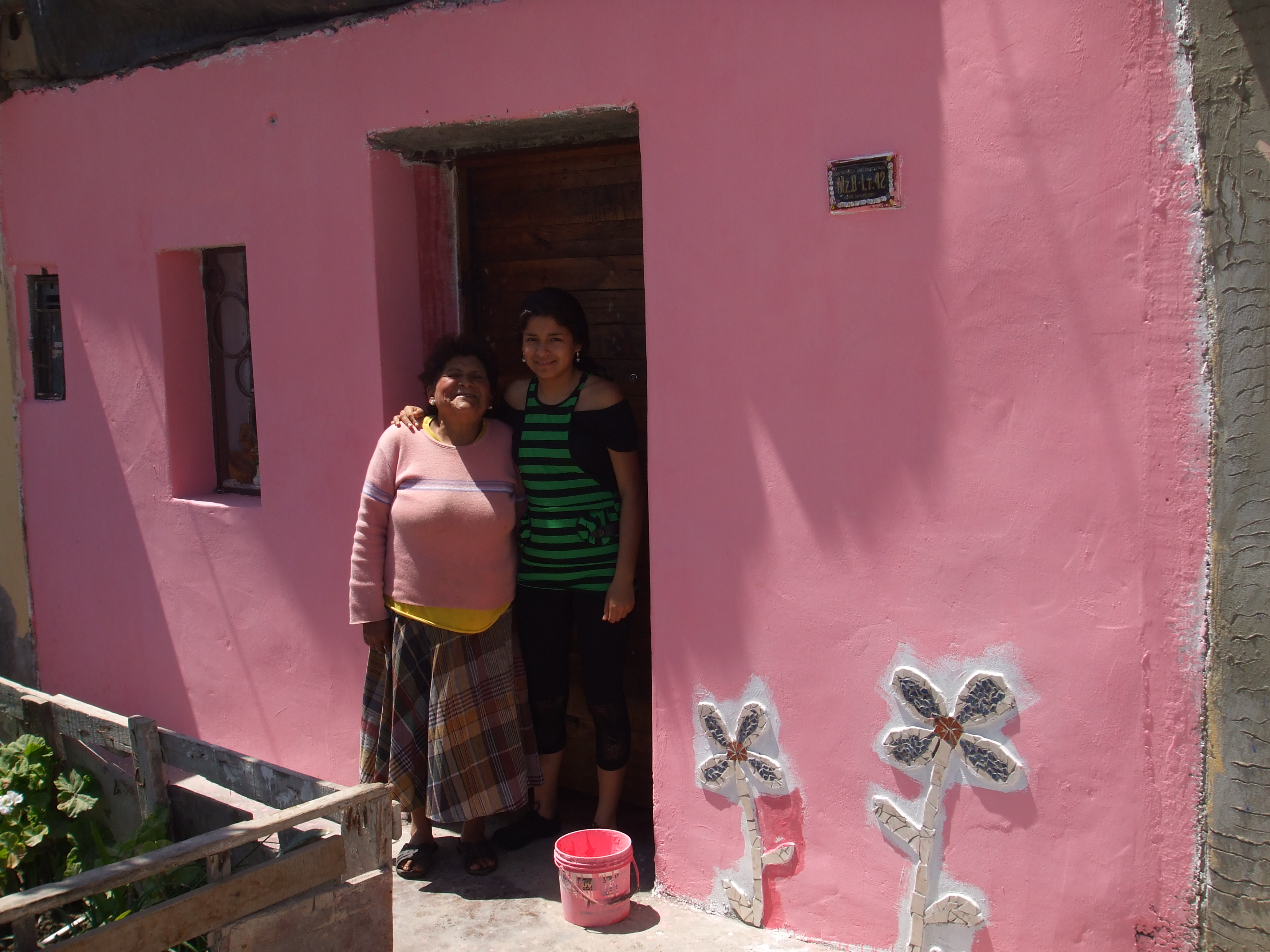
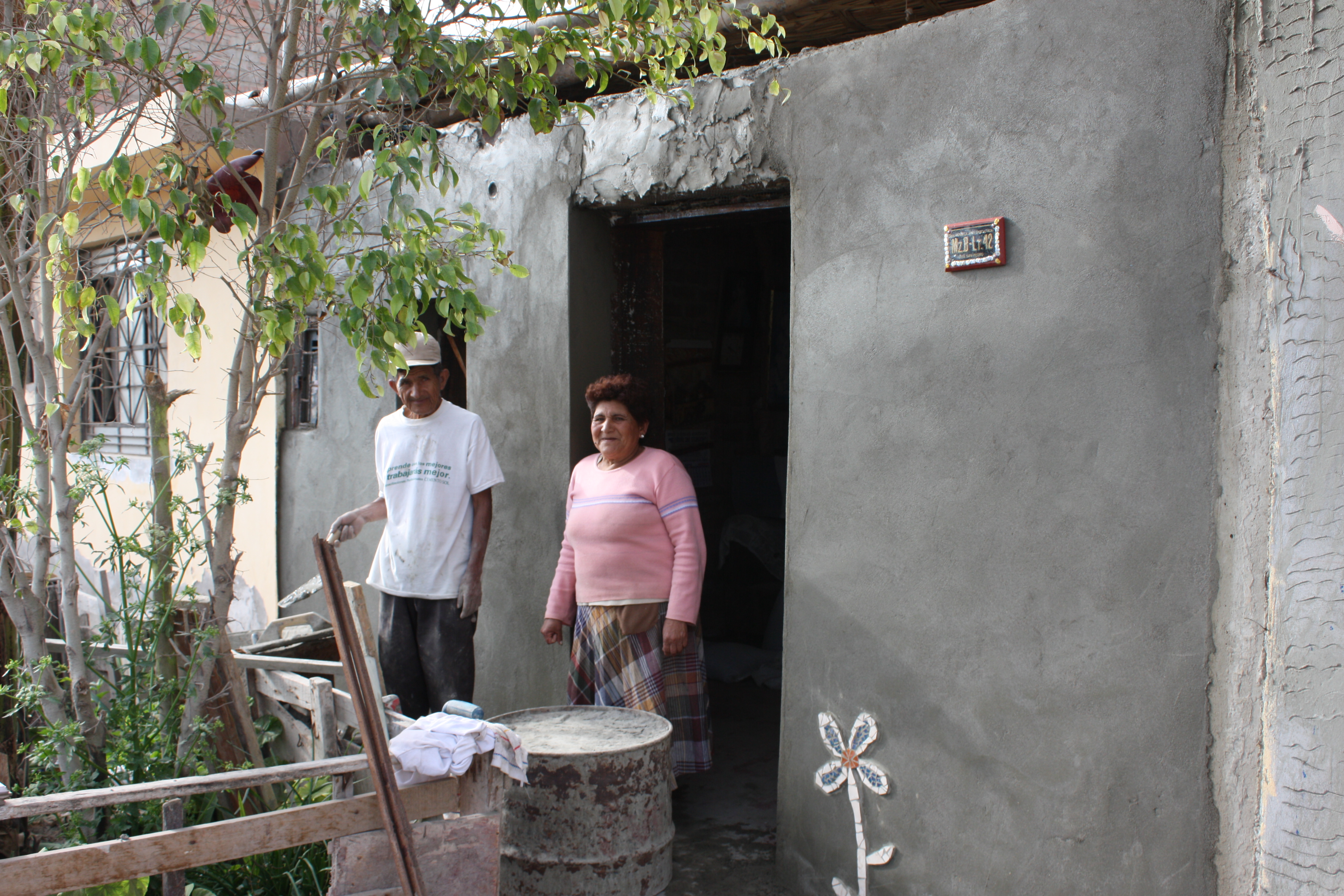
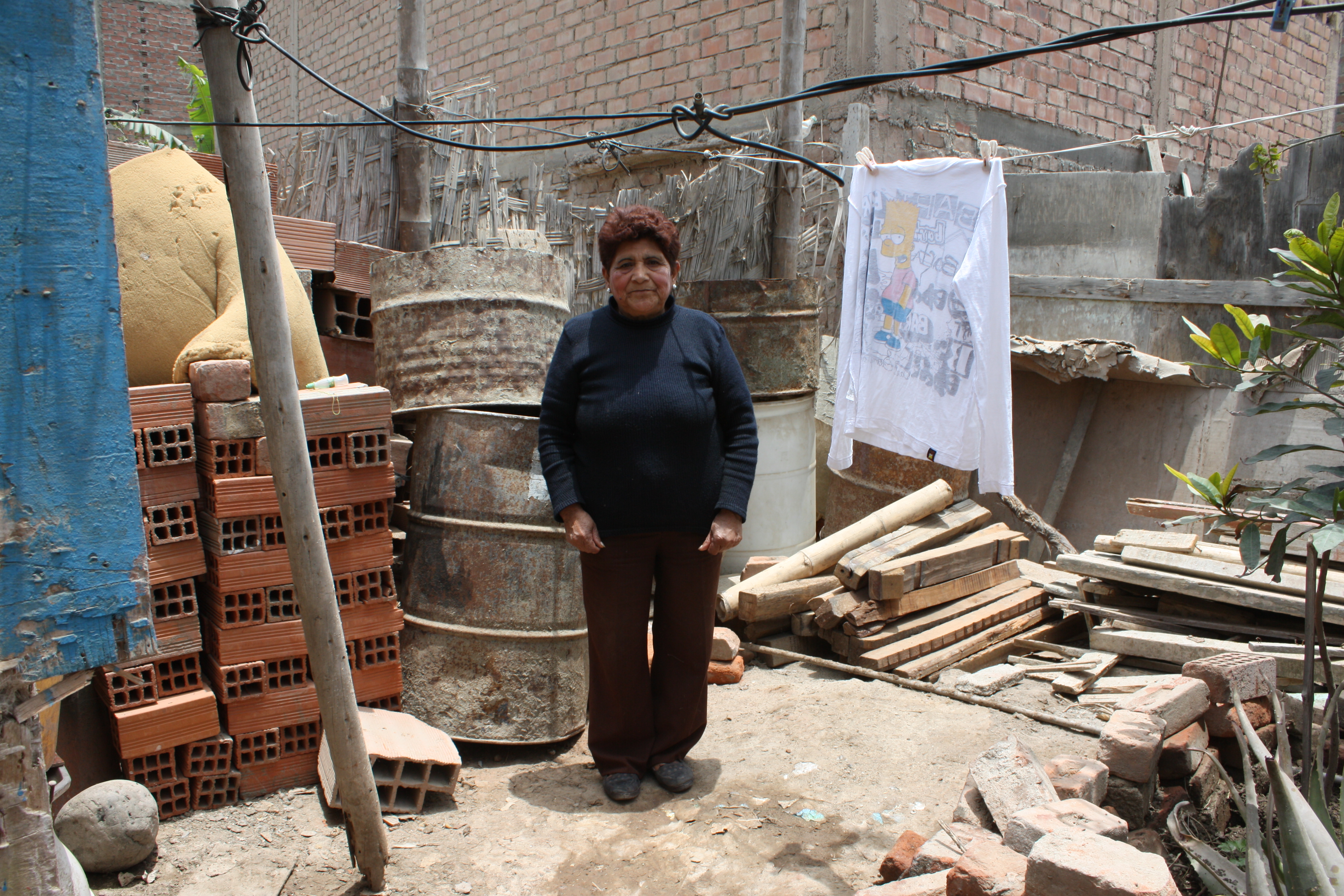
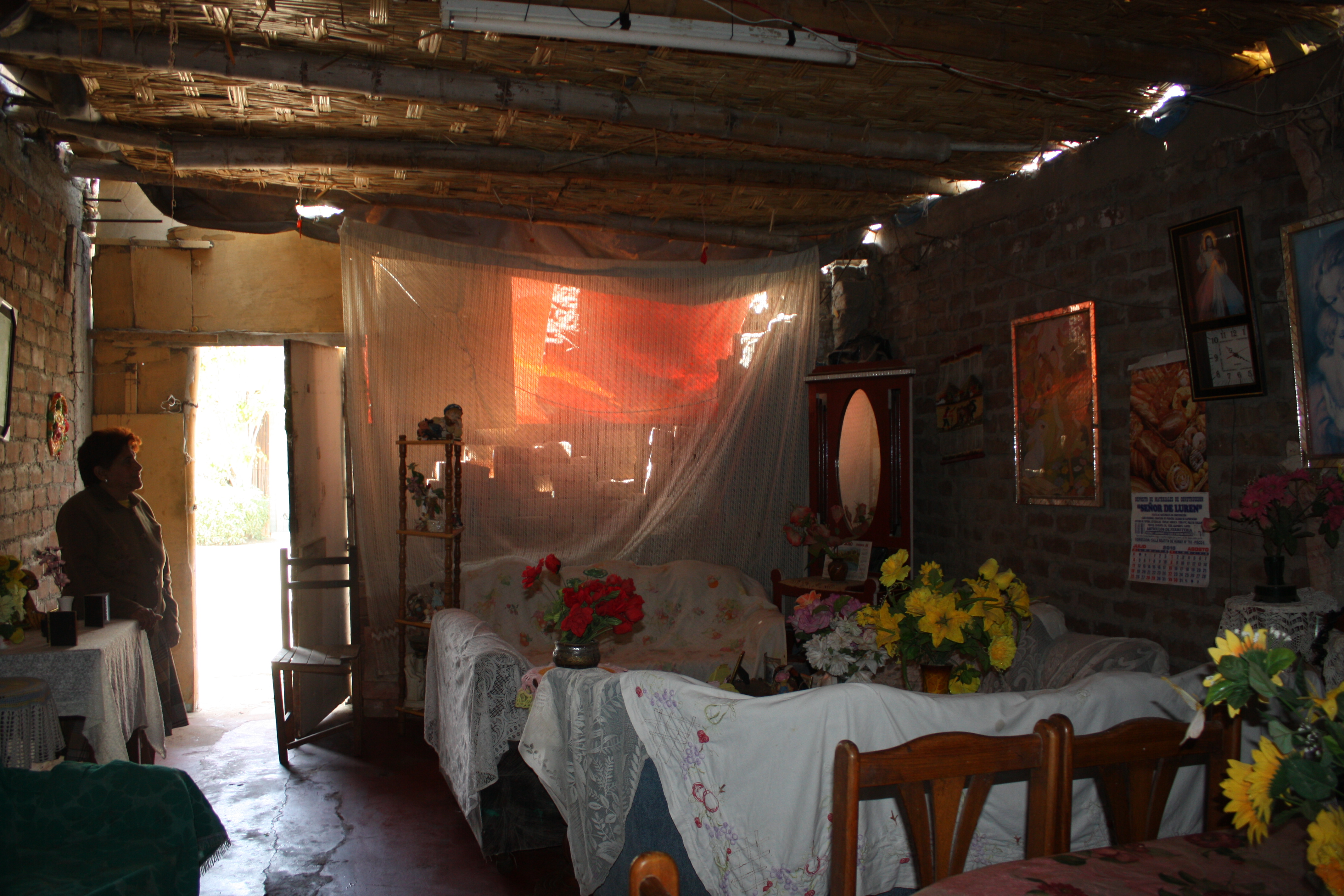
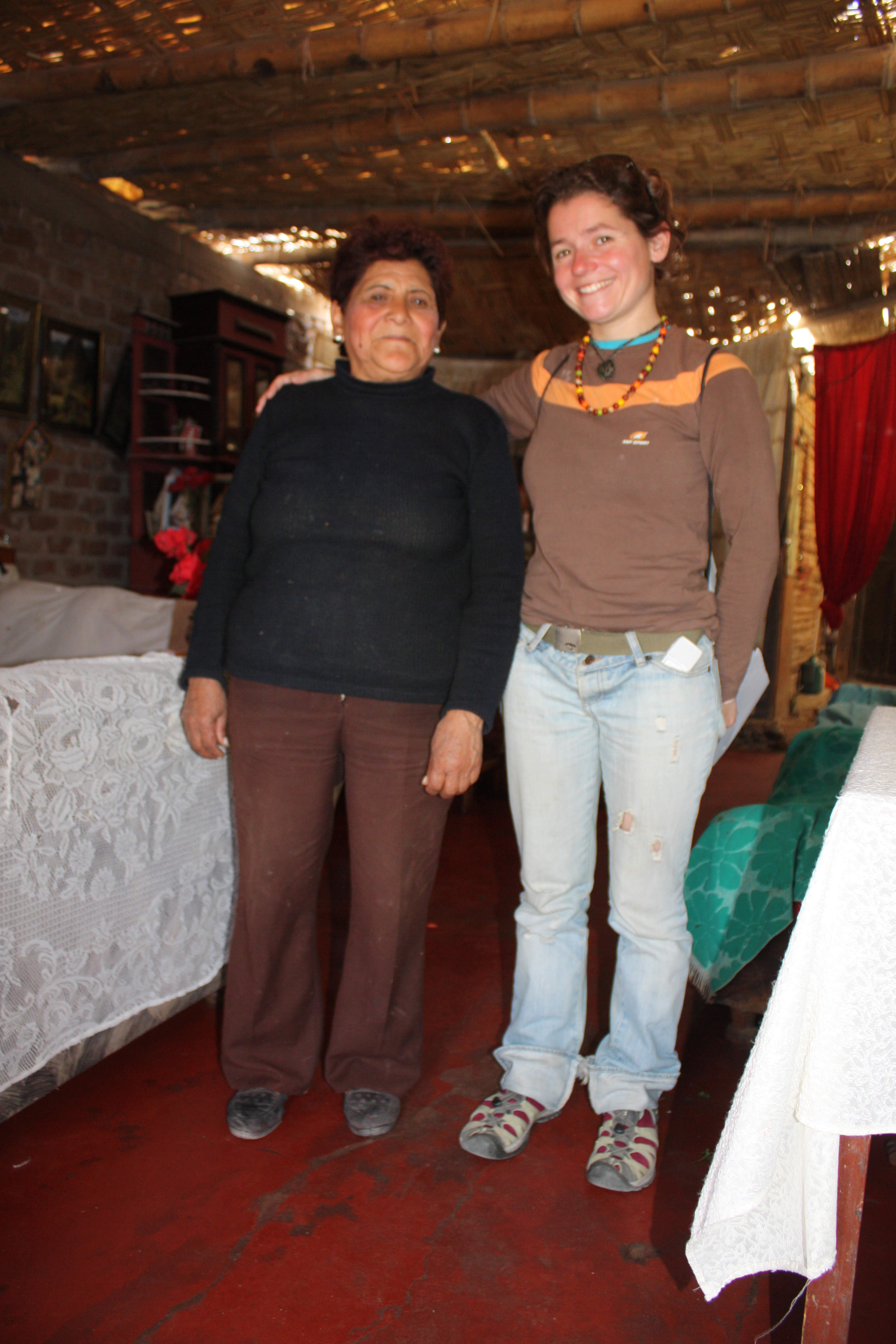
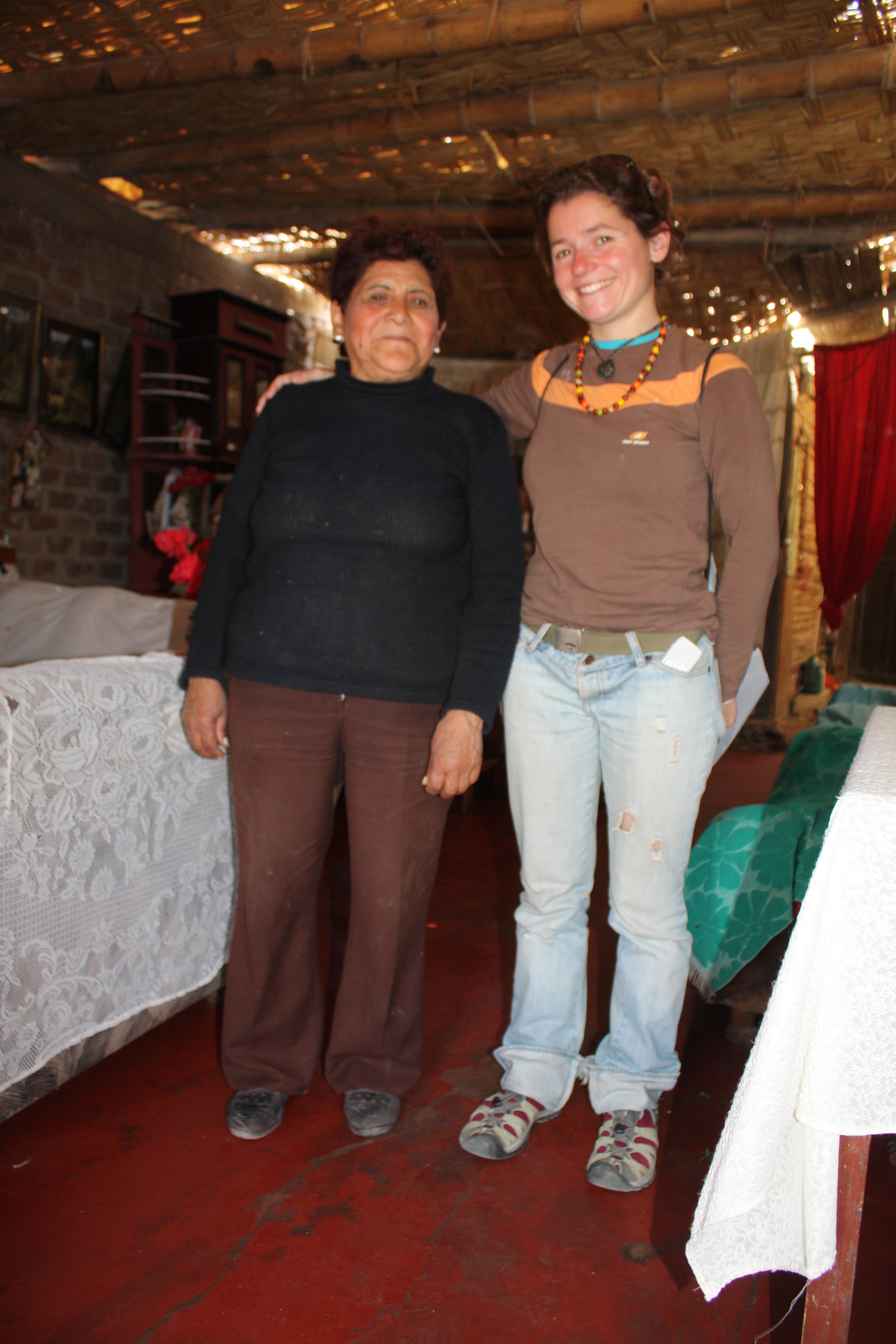
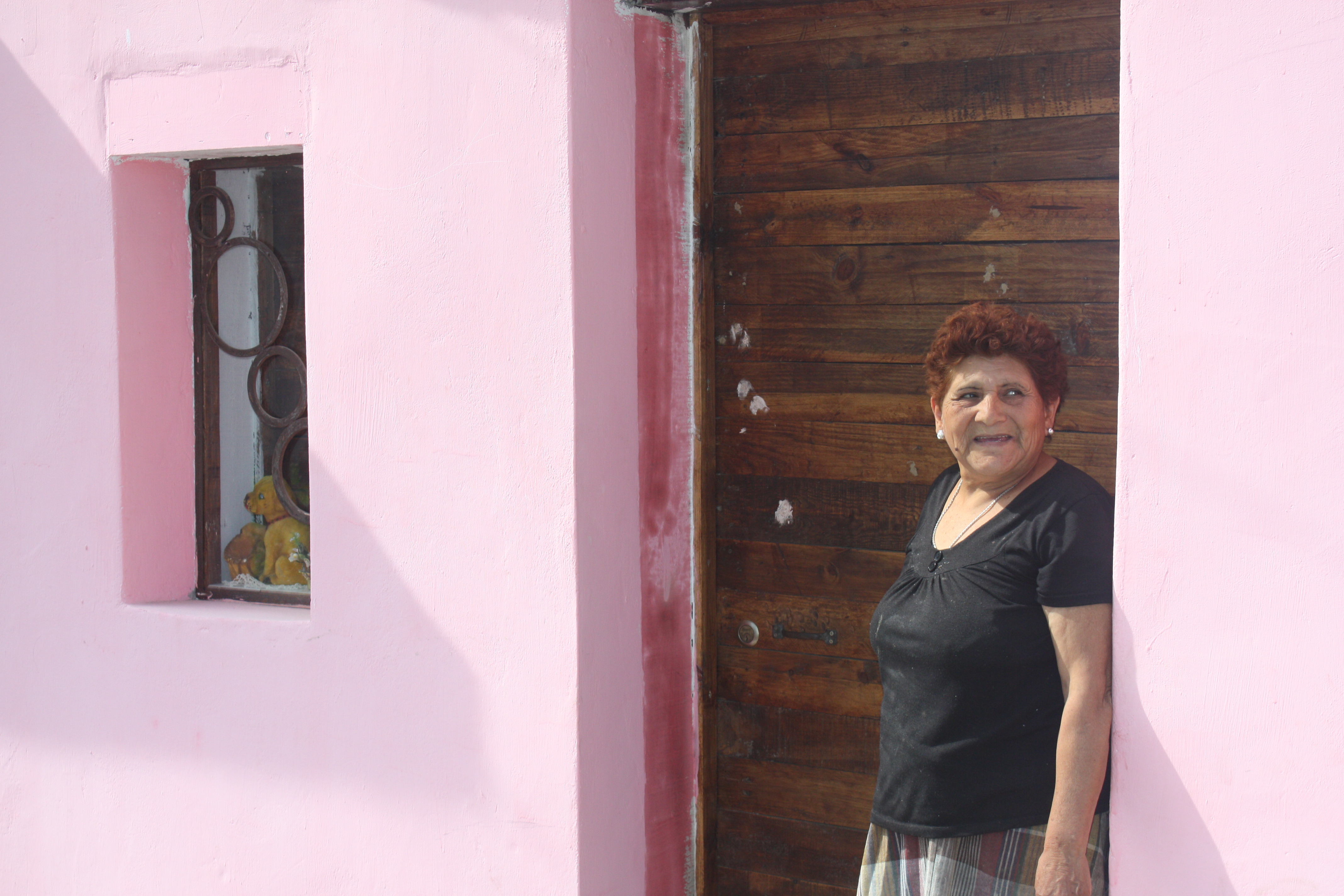
Earthbag building provides durable, low‑cost solutions well‑suited for post‑crisis environments.  It's simple assembly and use of local materials can help empower survivors to reclaim their lives after disaster. This is Carmela, her house caved in during an earthquake and earthbag building helped bring her a sense of security.

  HIGHLIGHTS

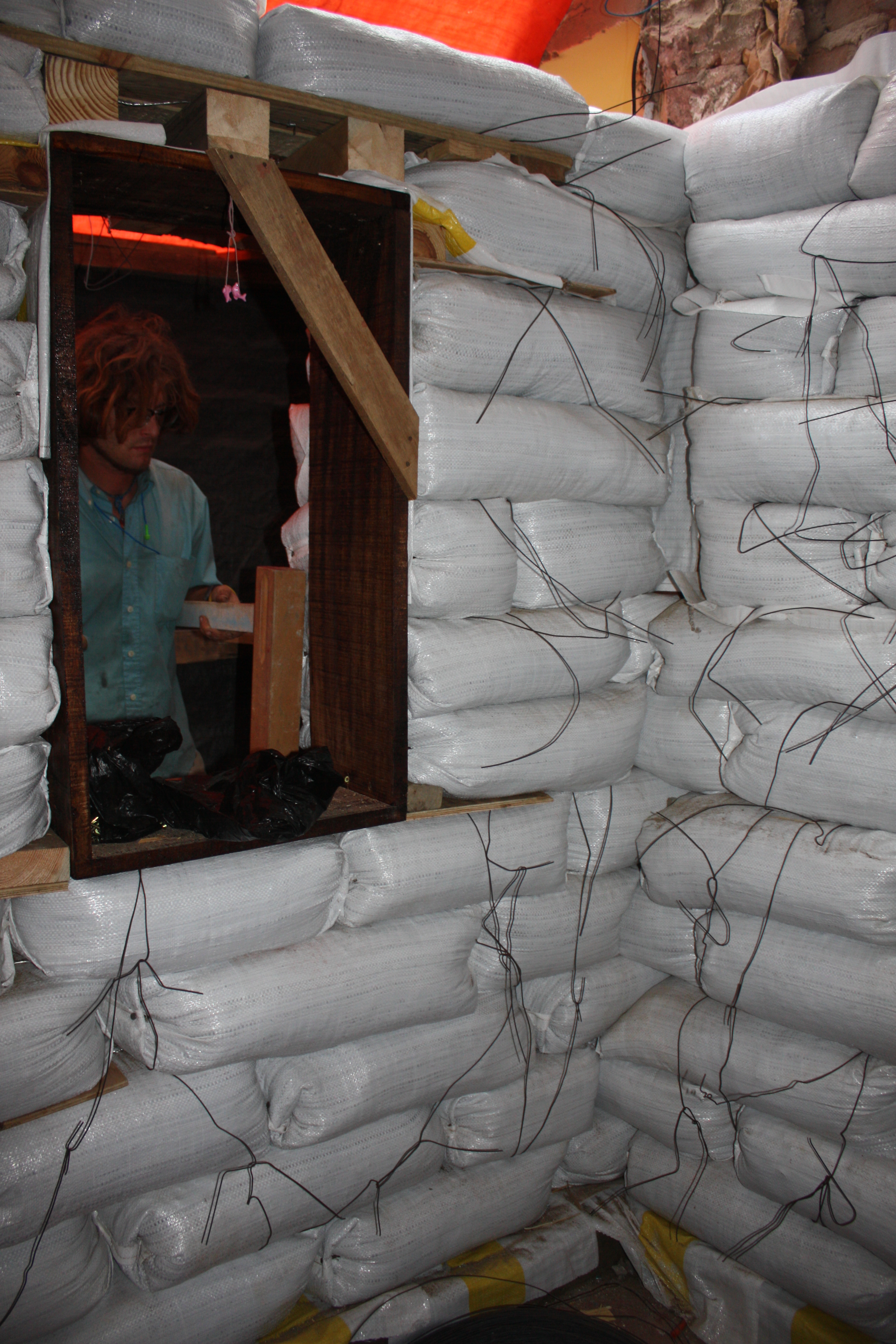
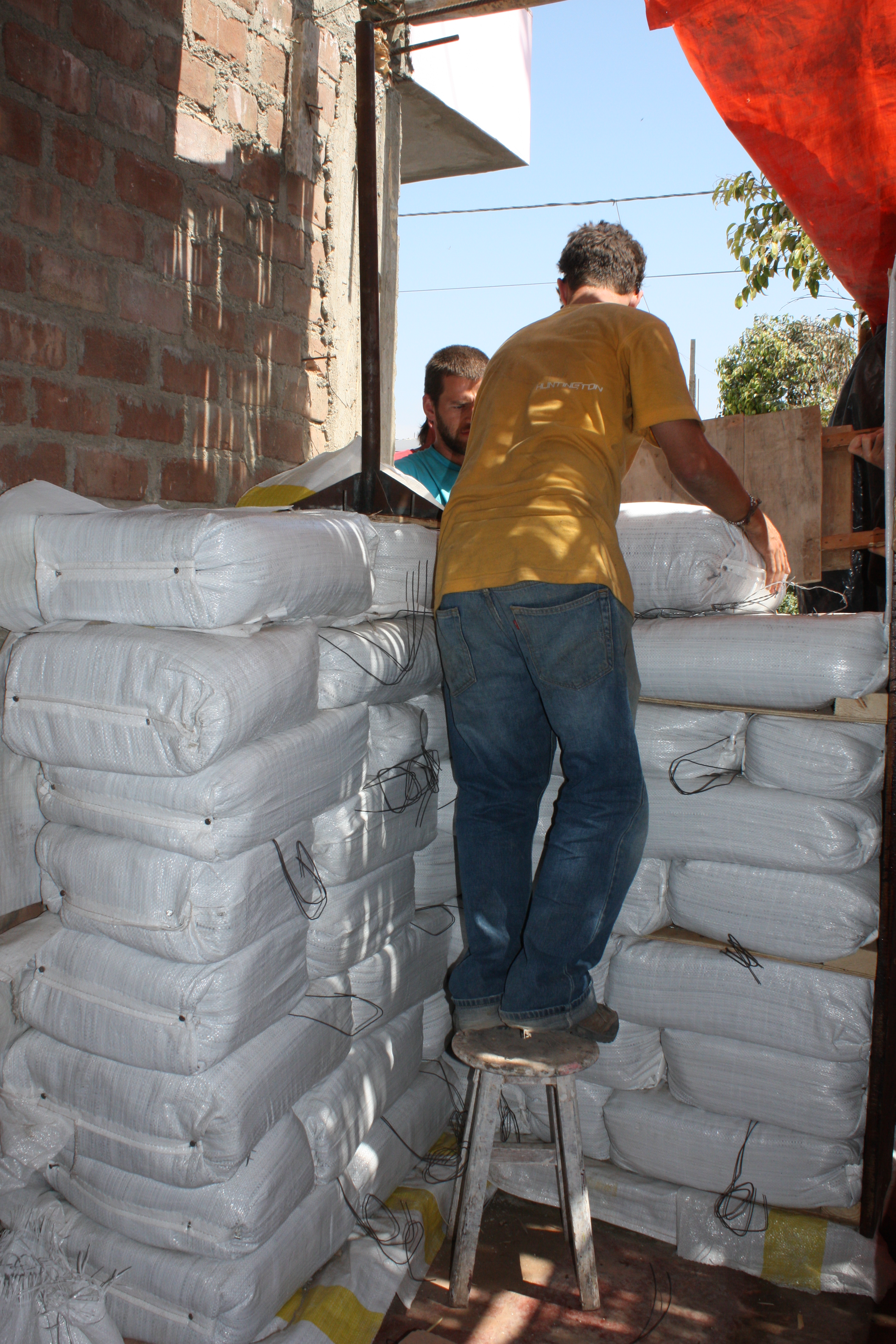
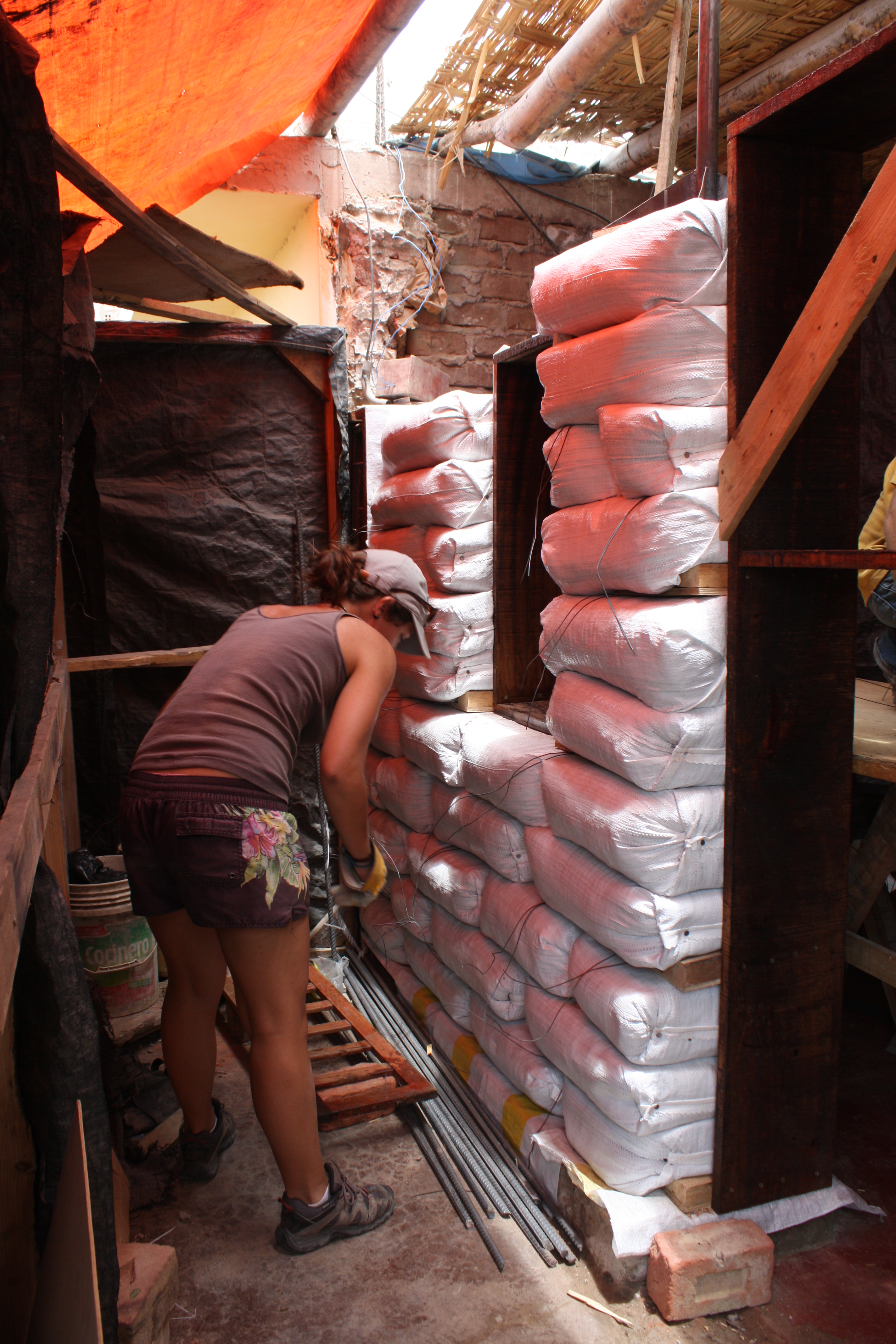
PISCO, PERU.  "Carmela's House"

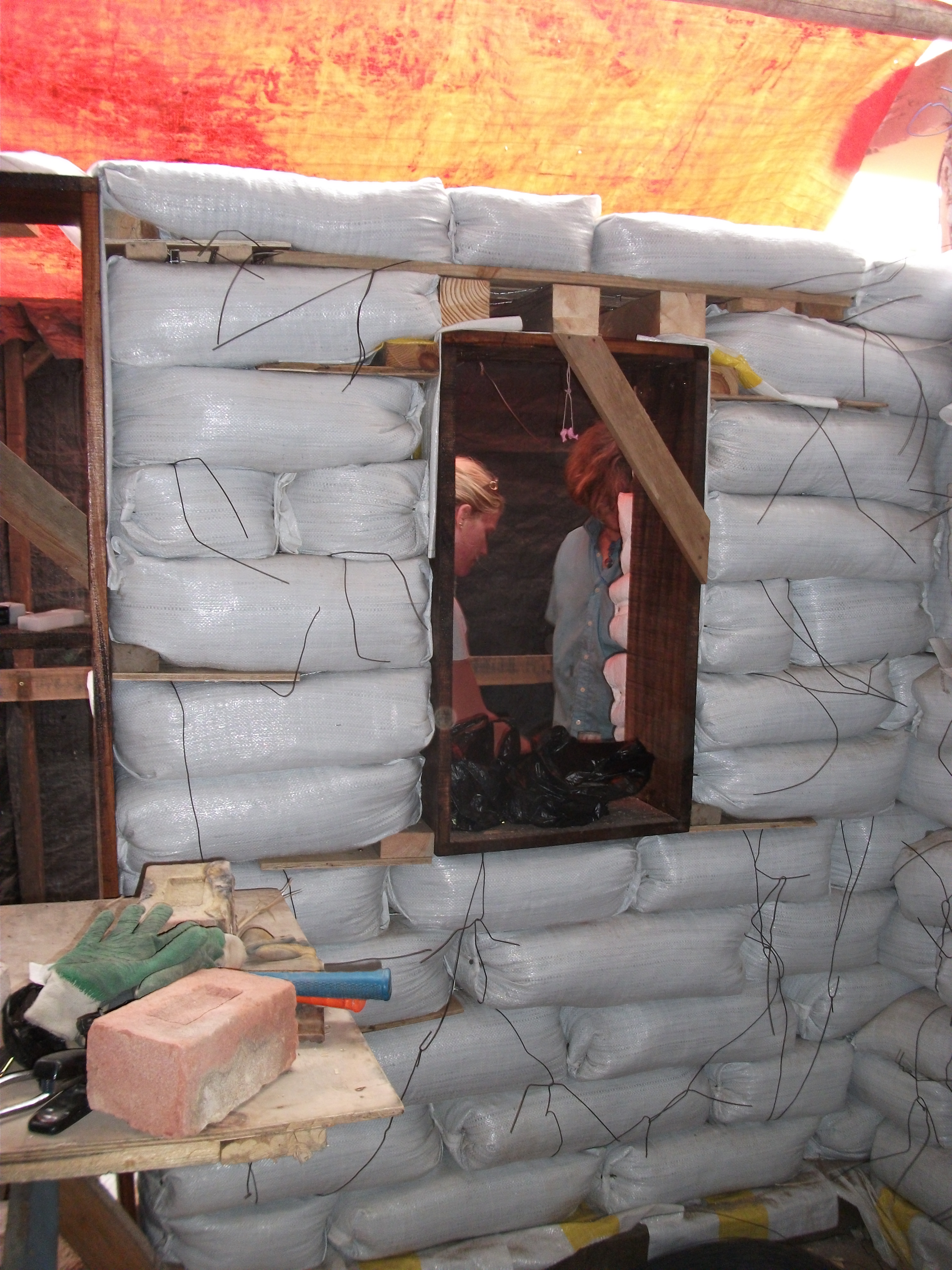
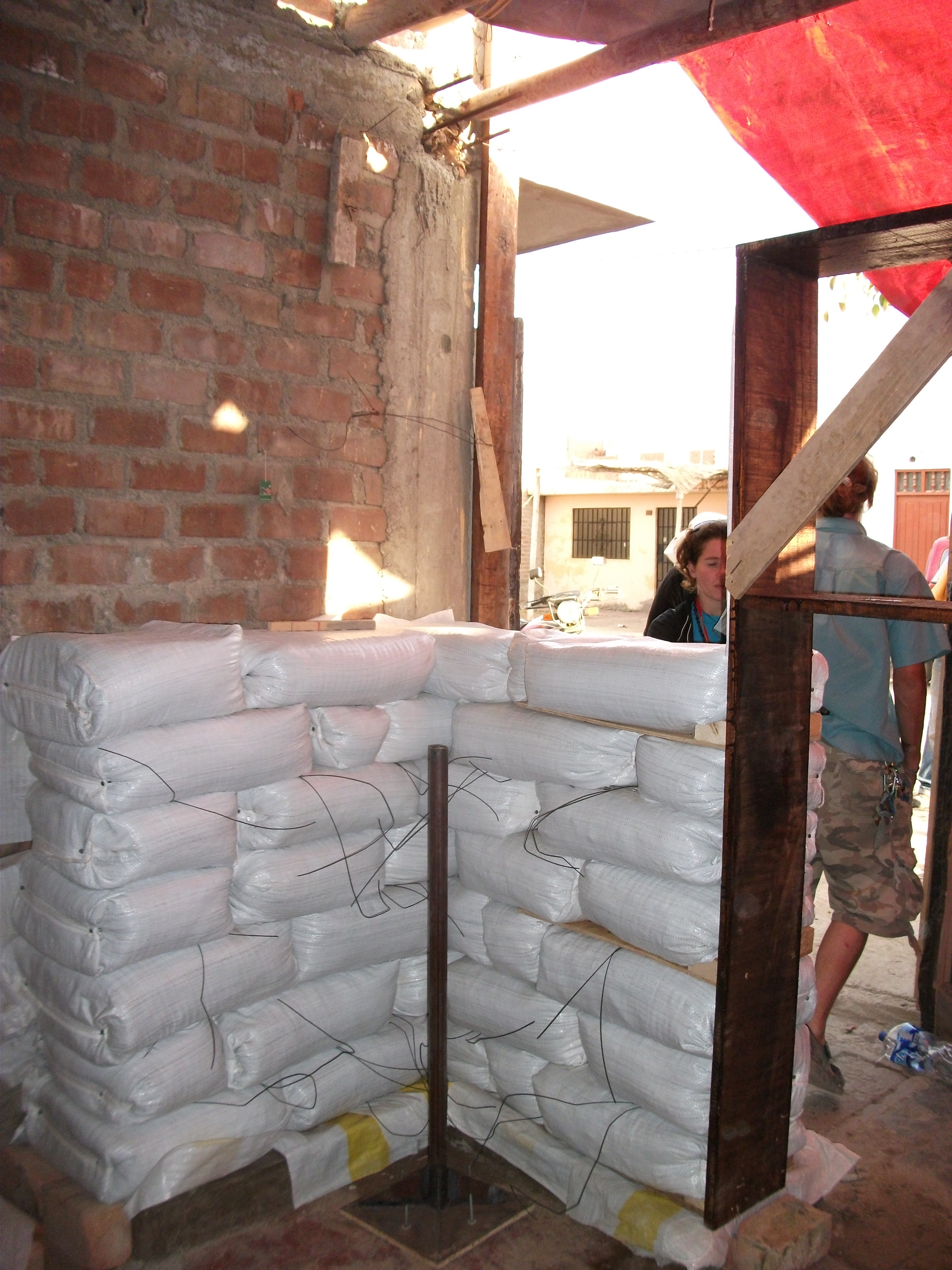
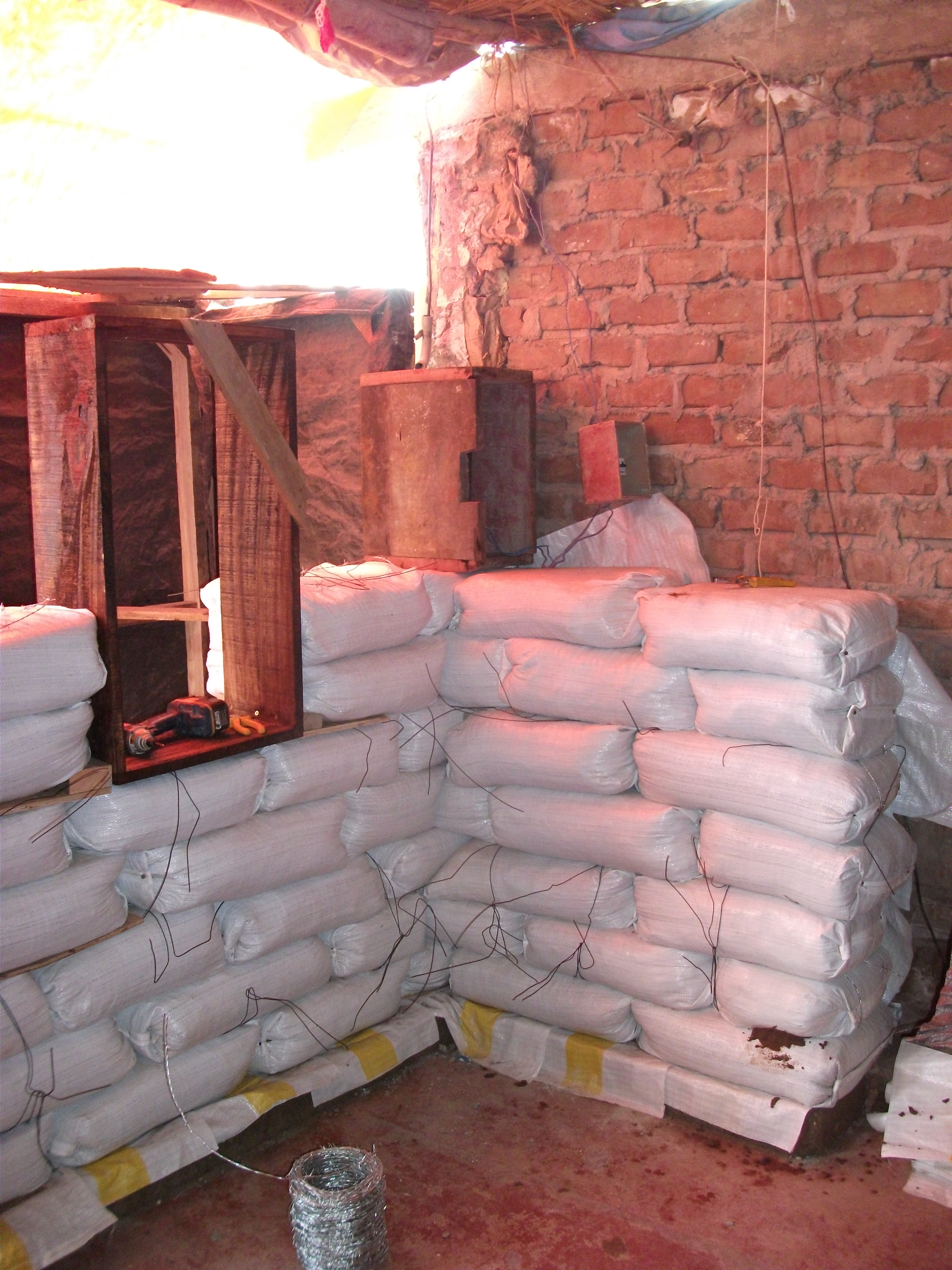
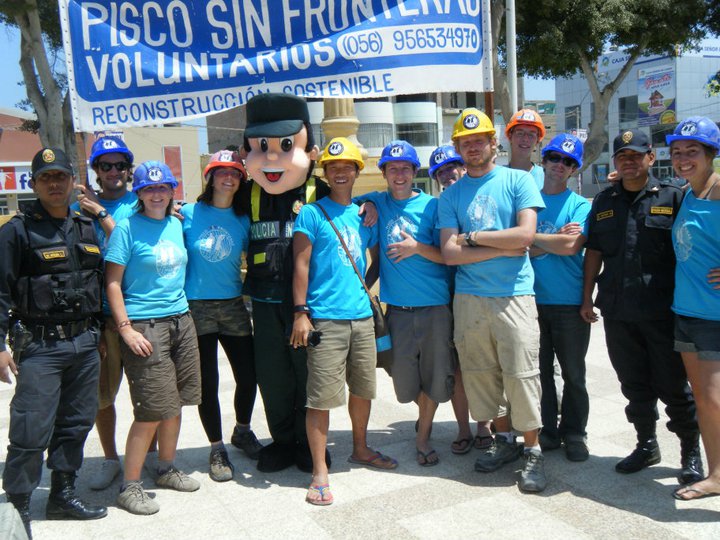
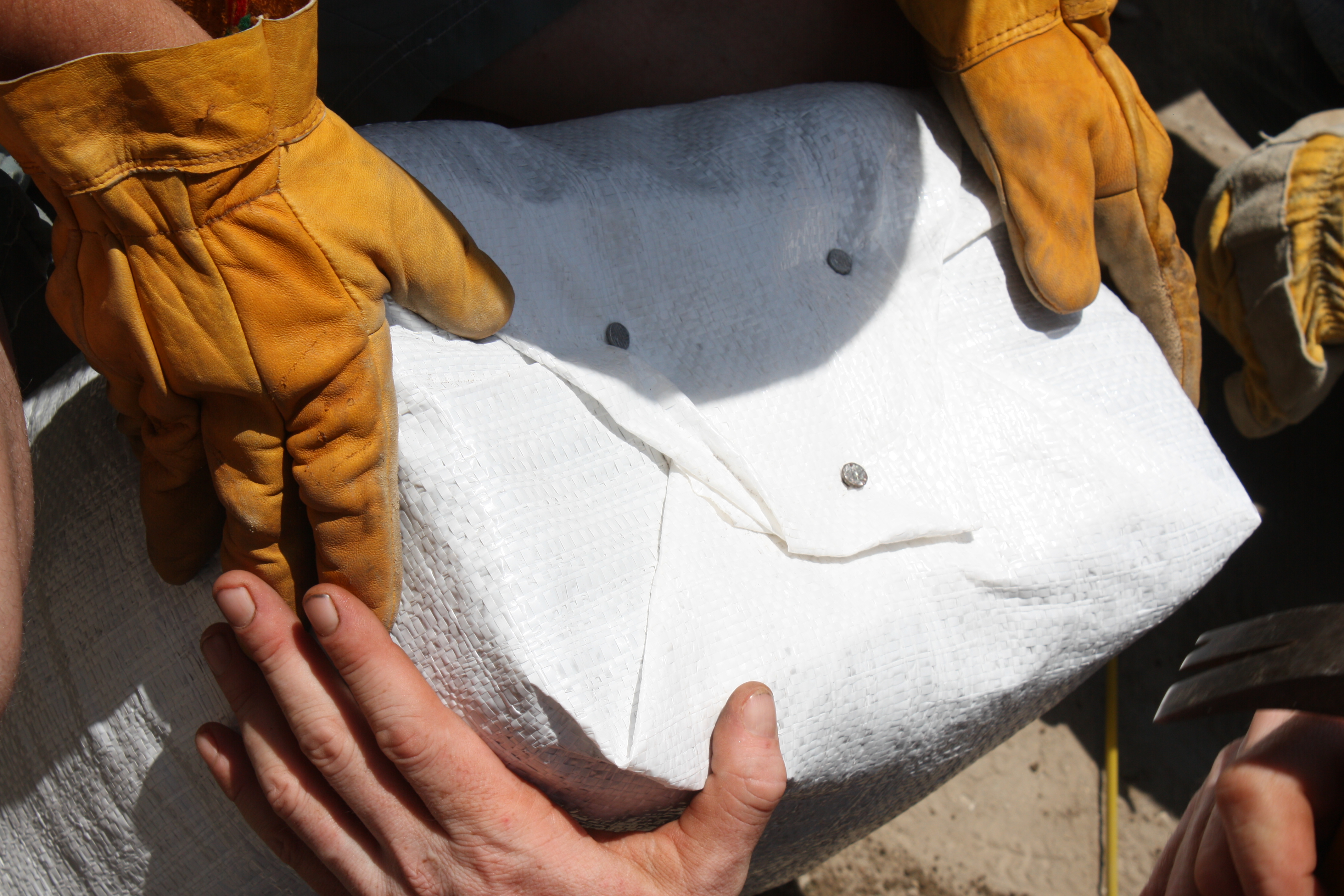
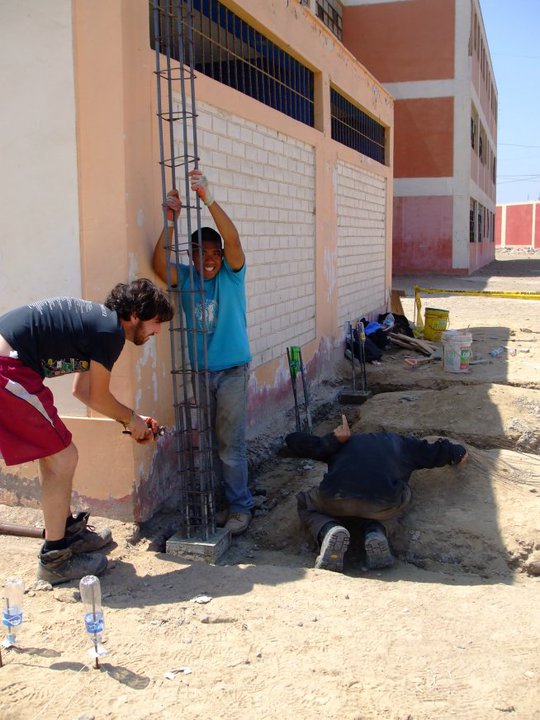
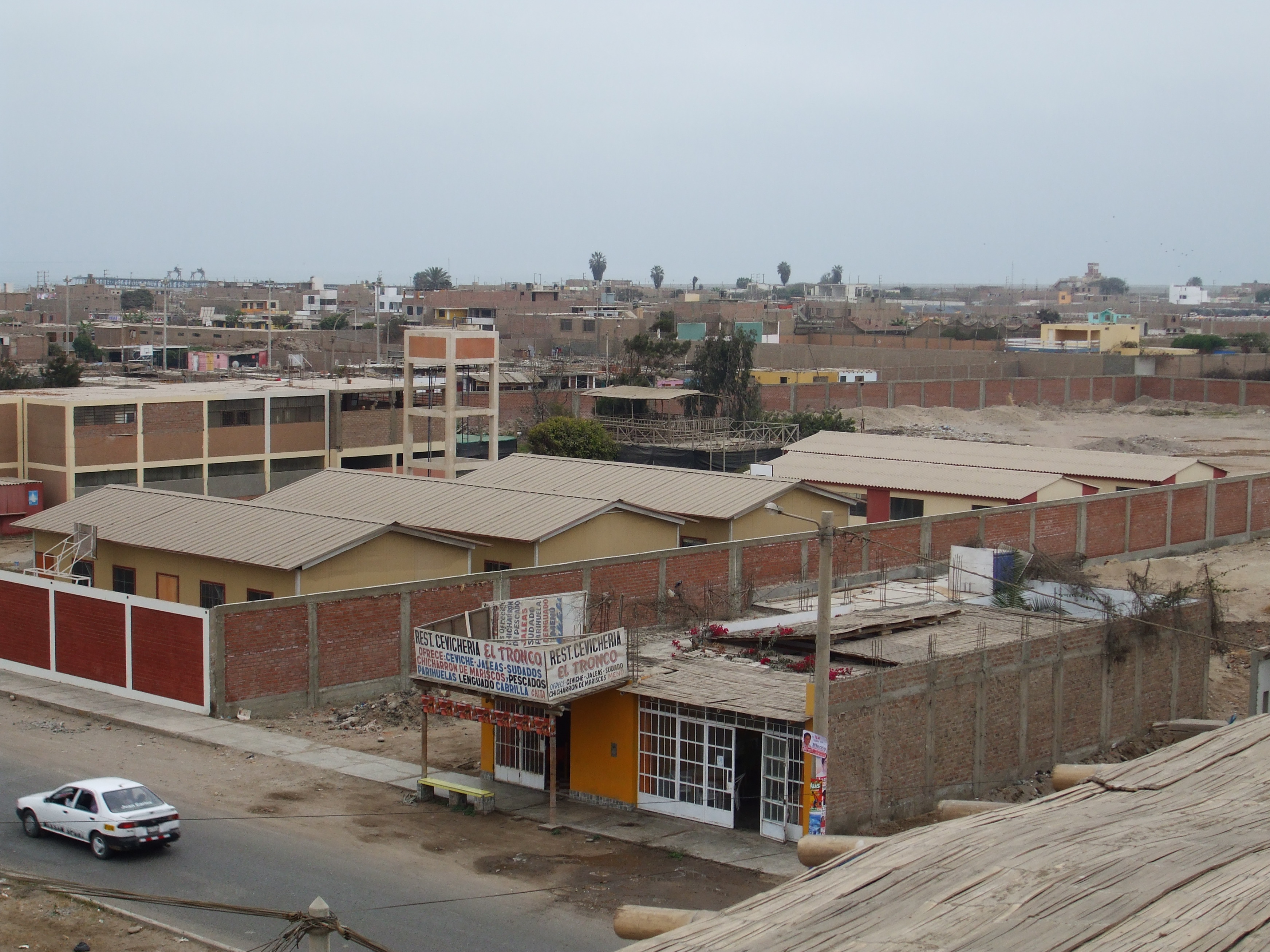
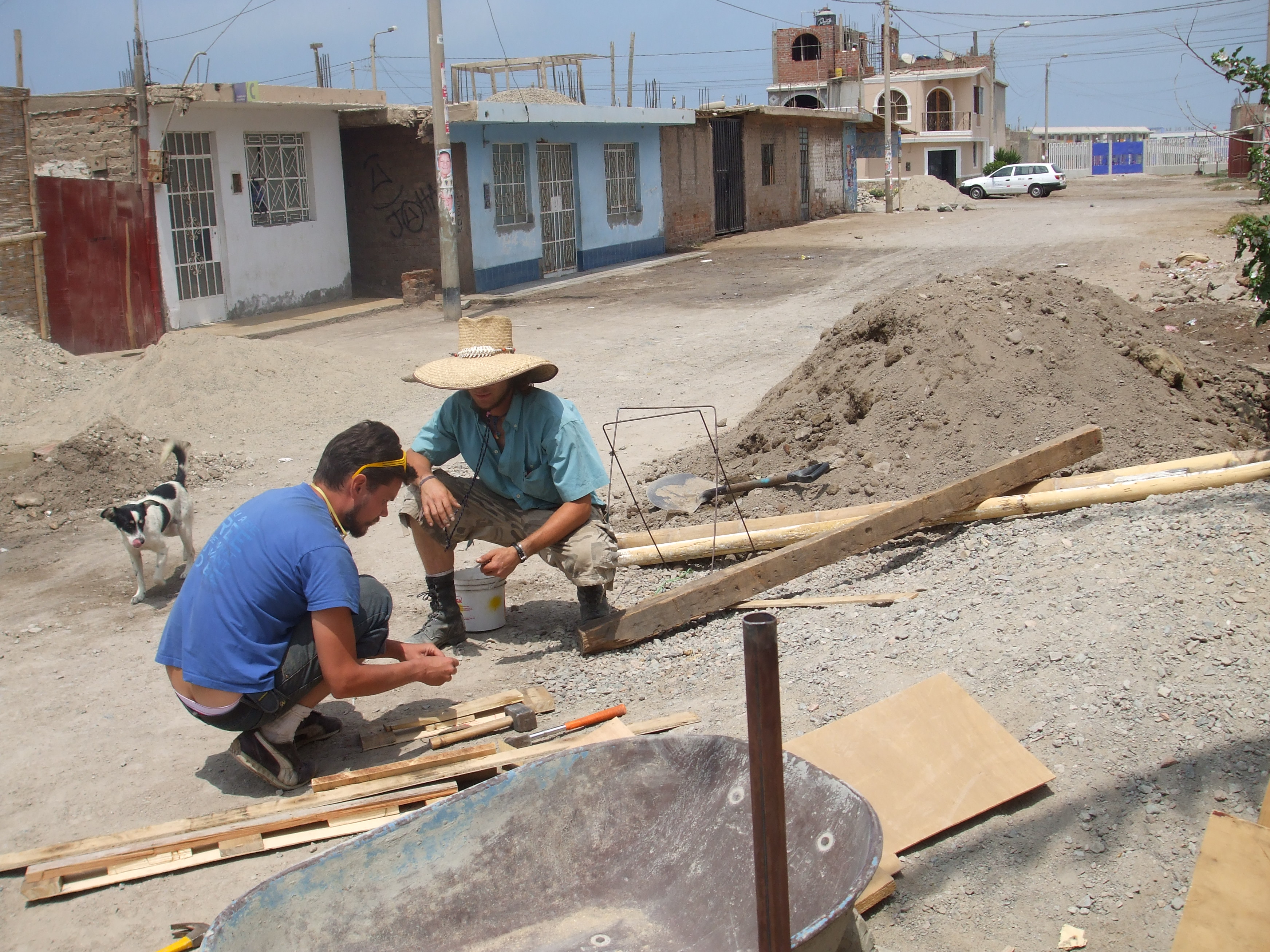
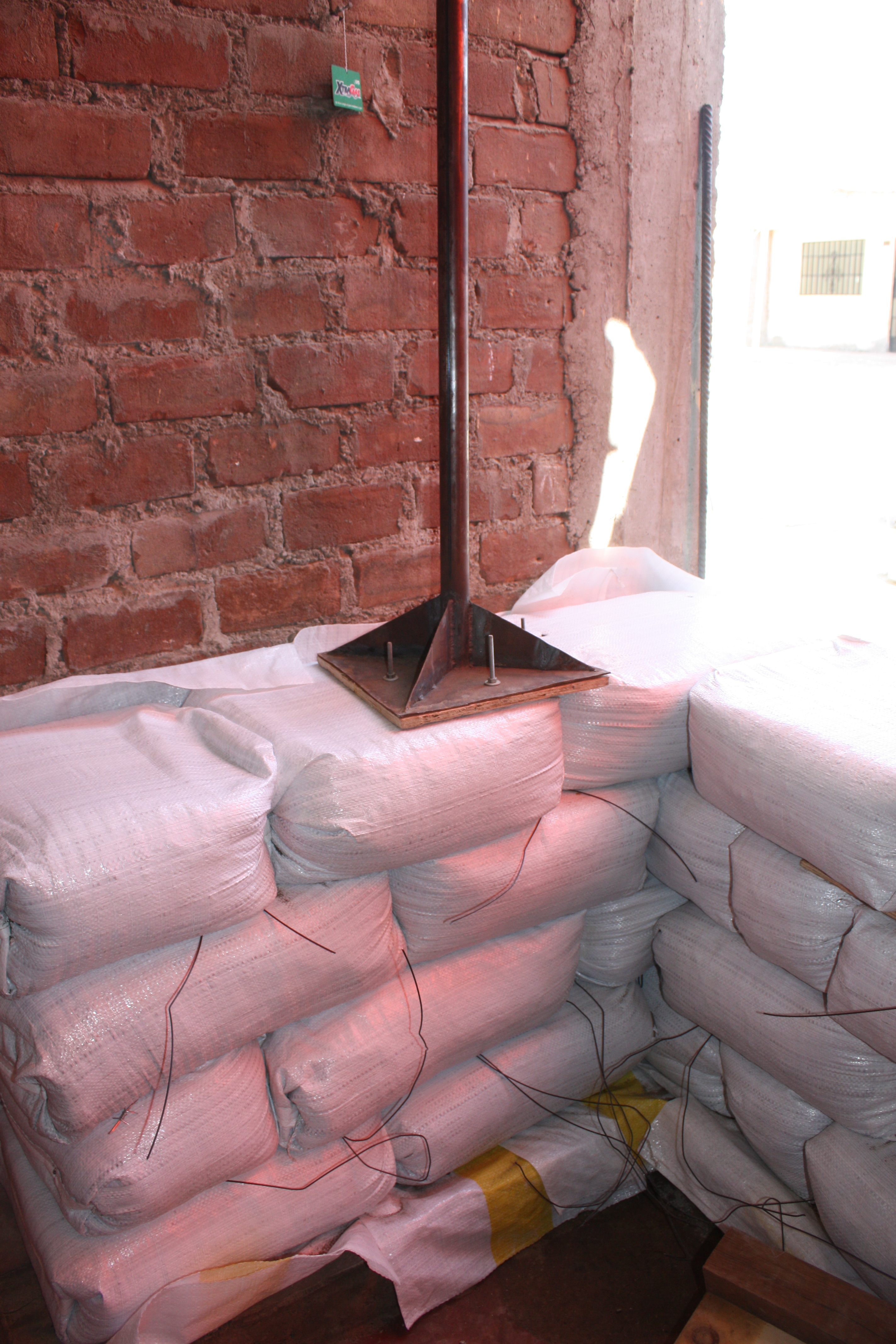
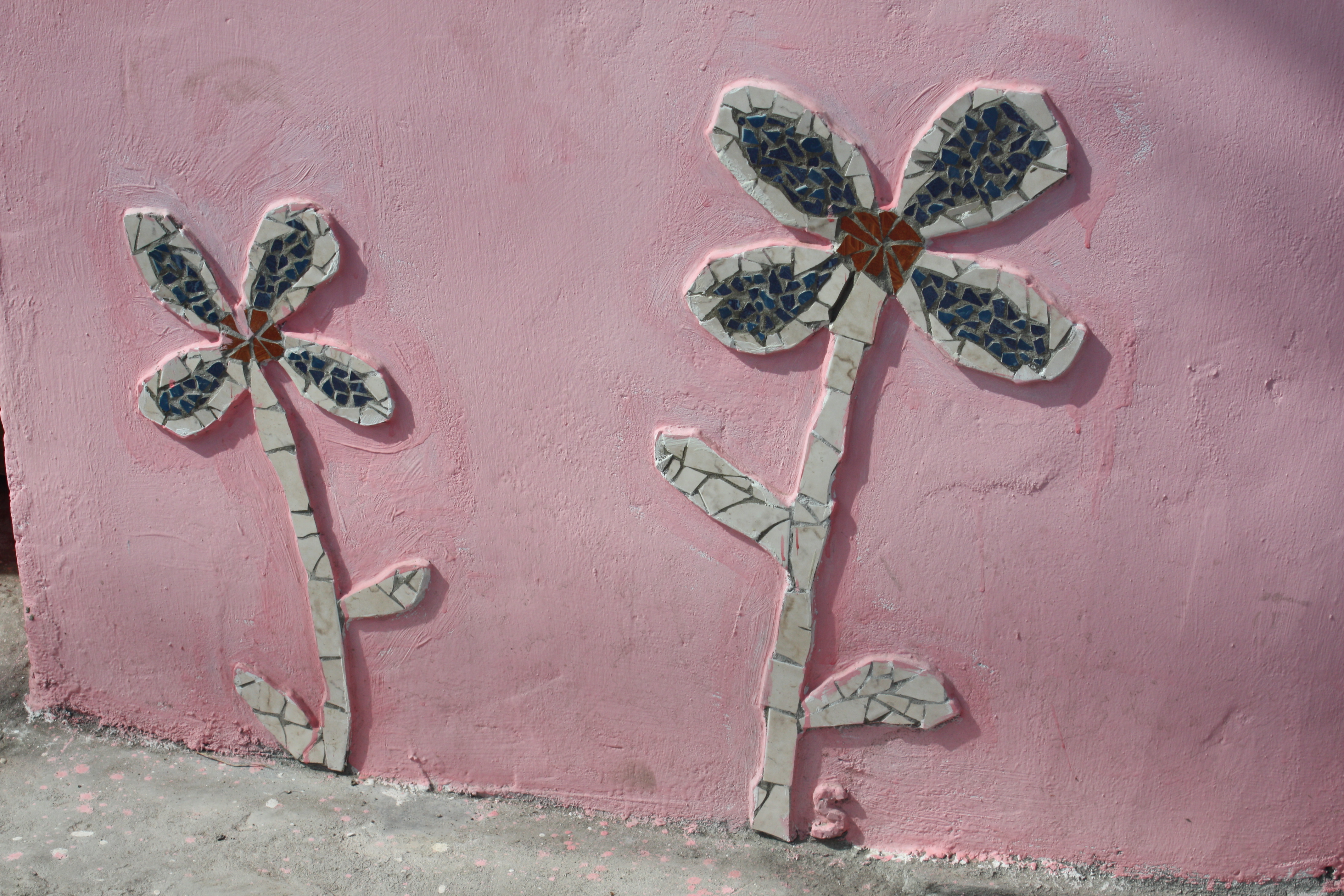
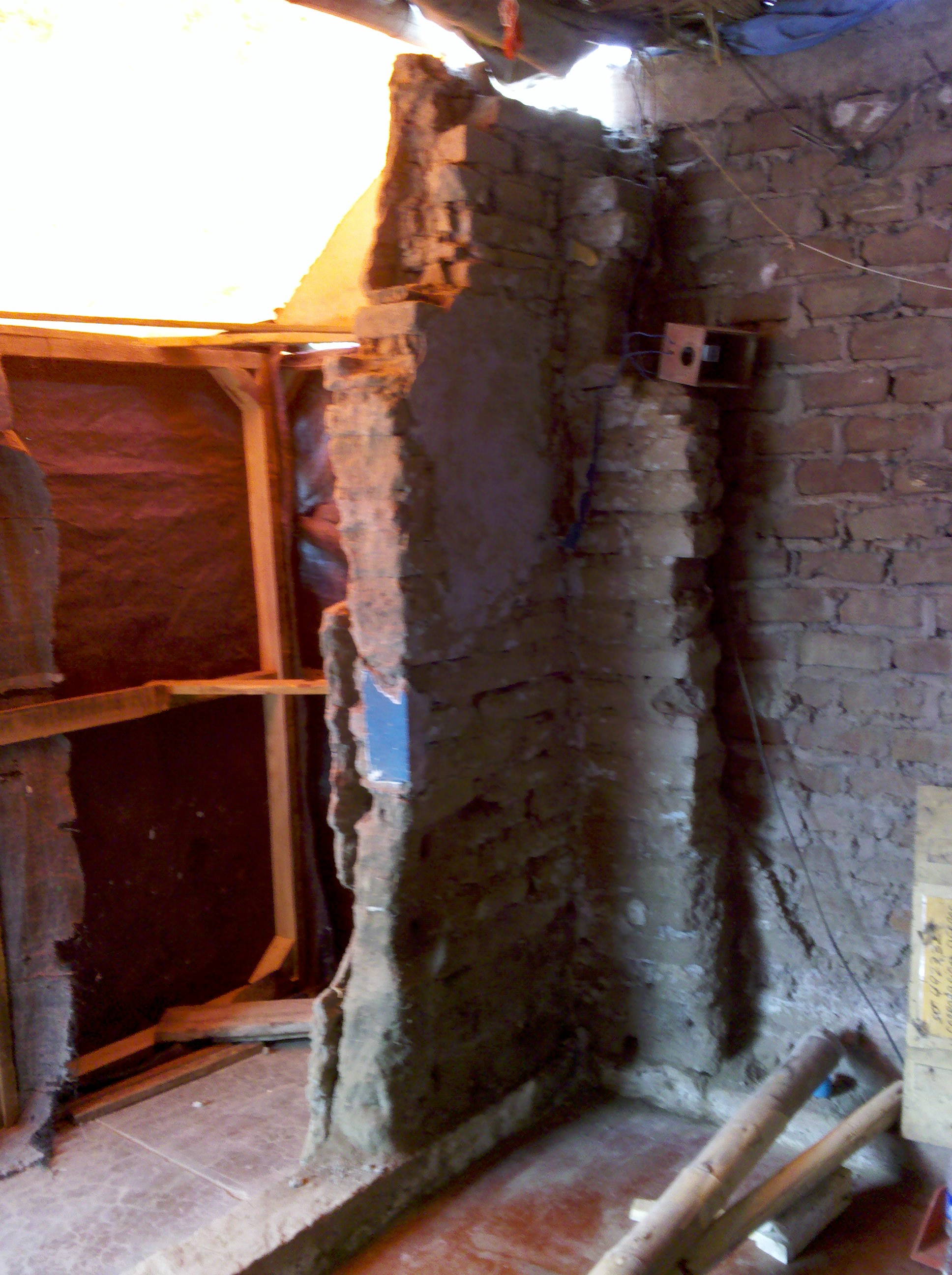
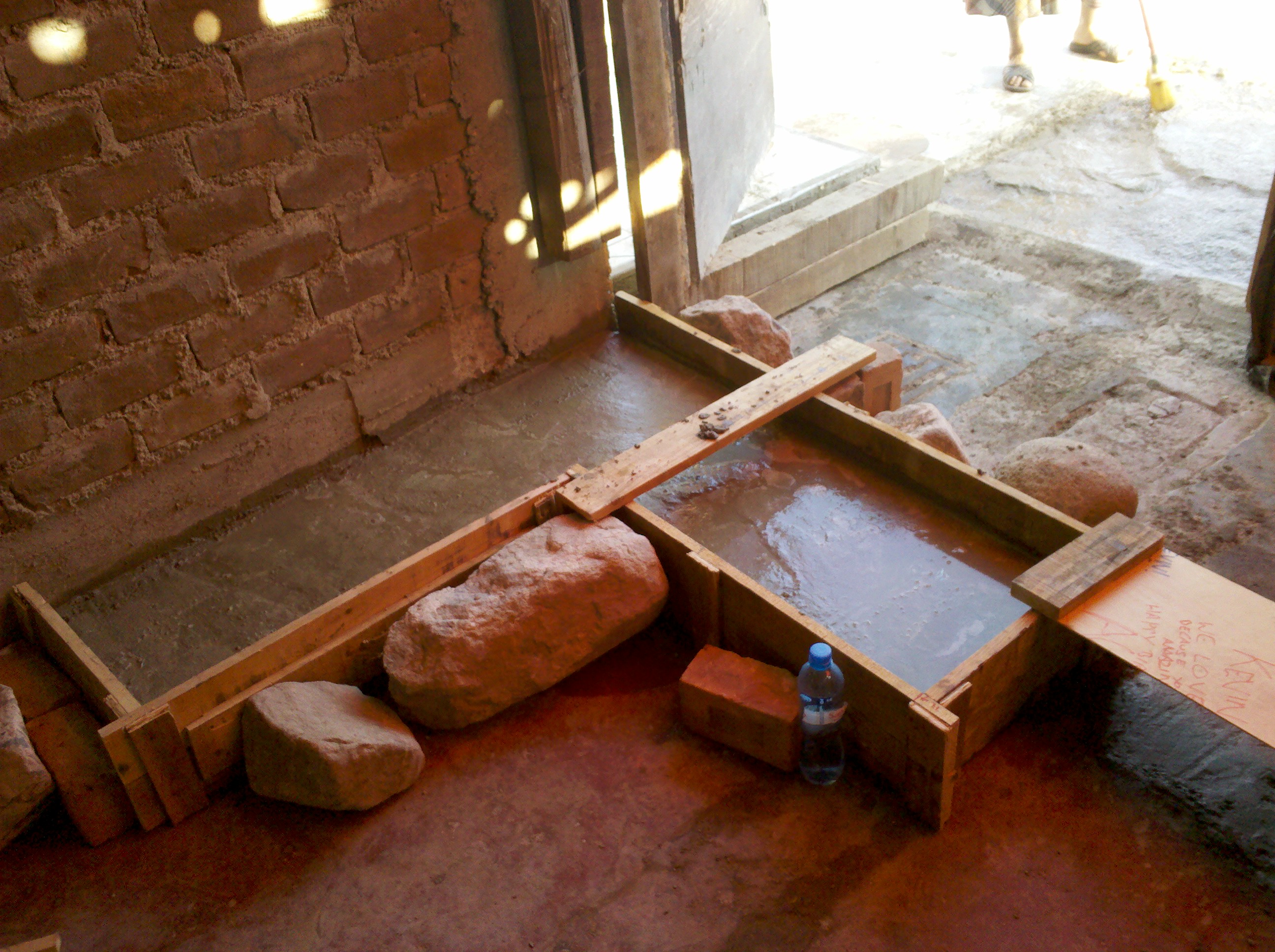
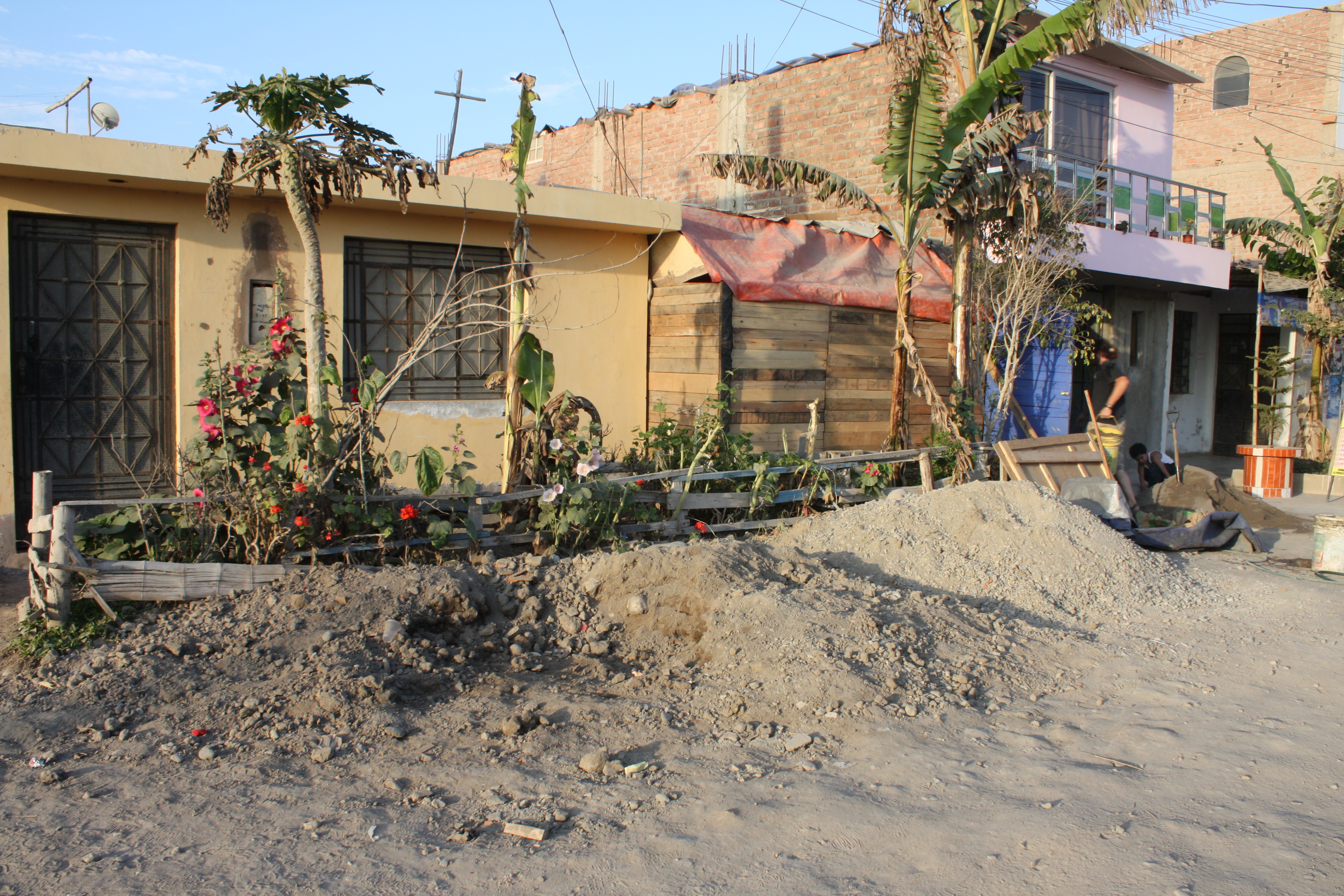
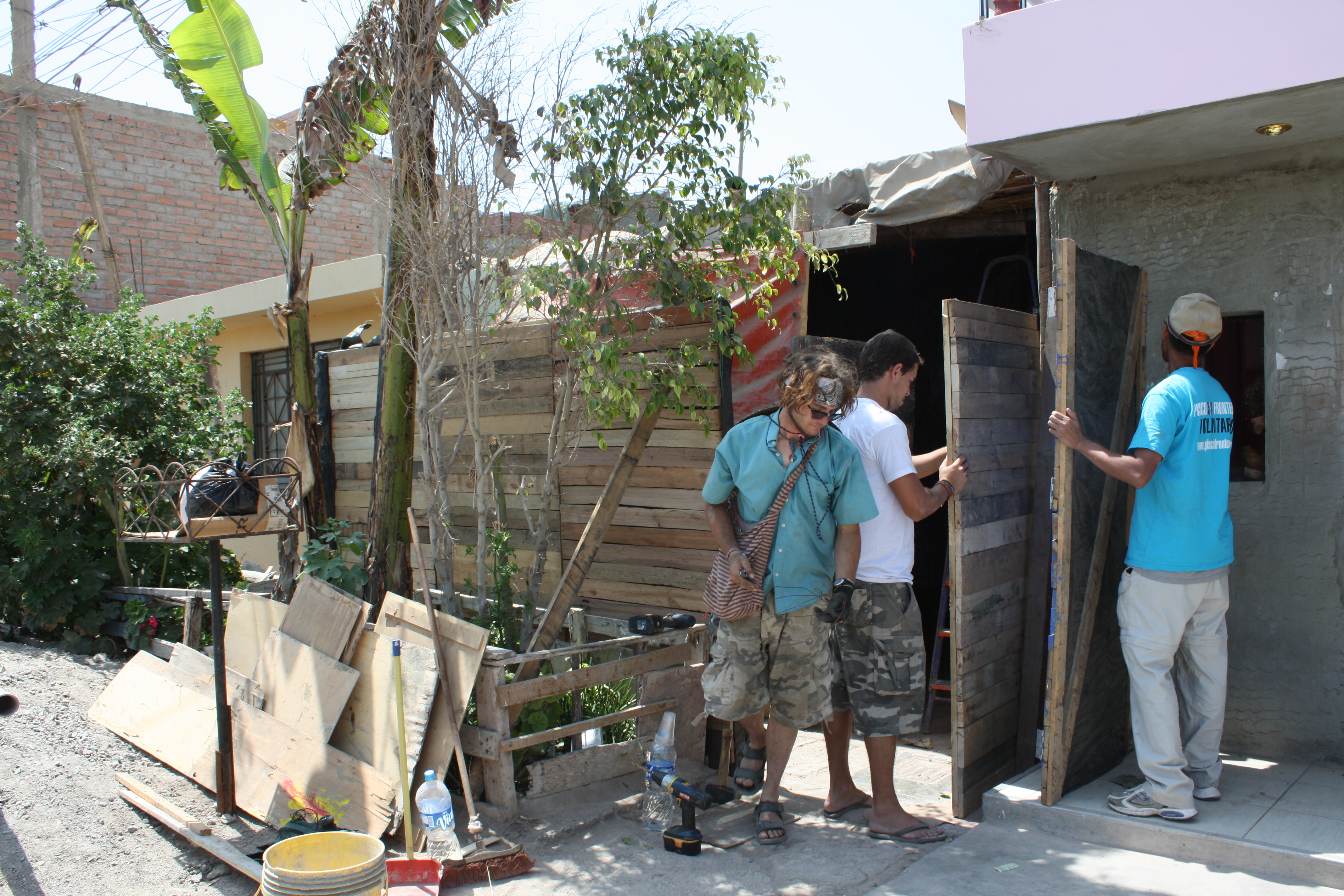
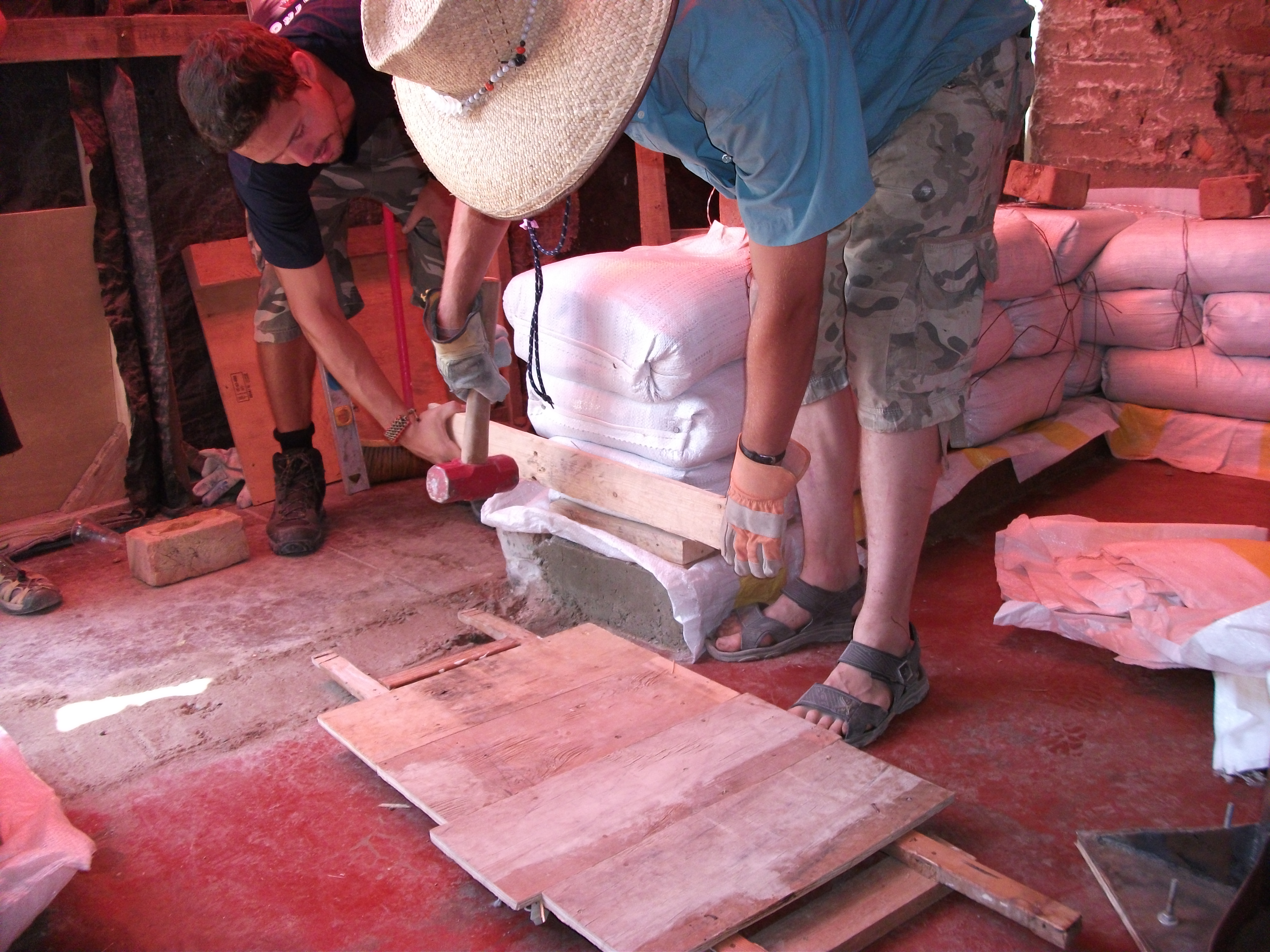
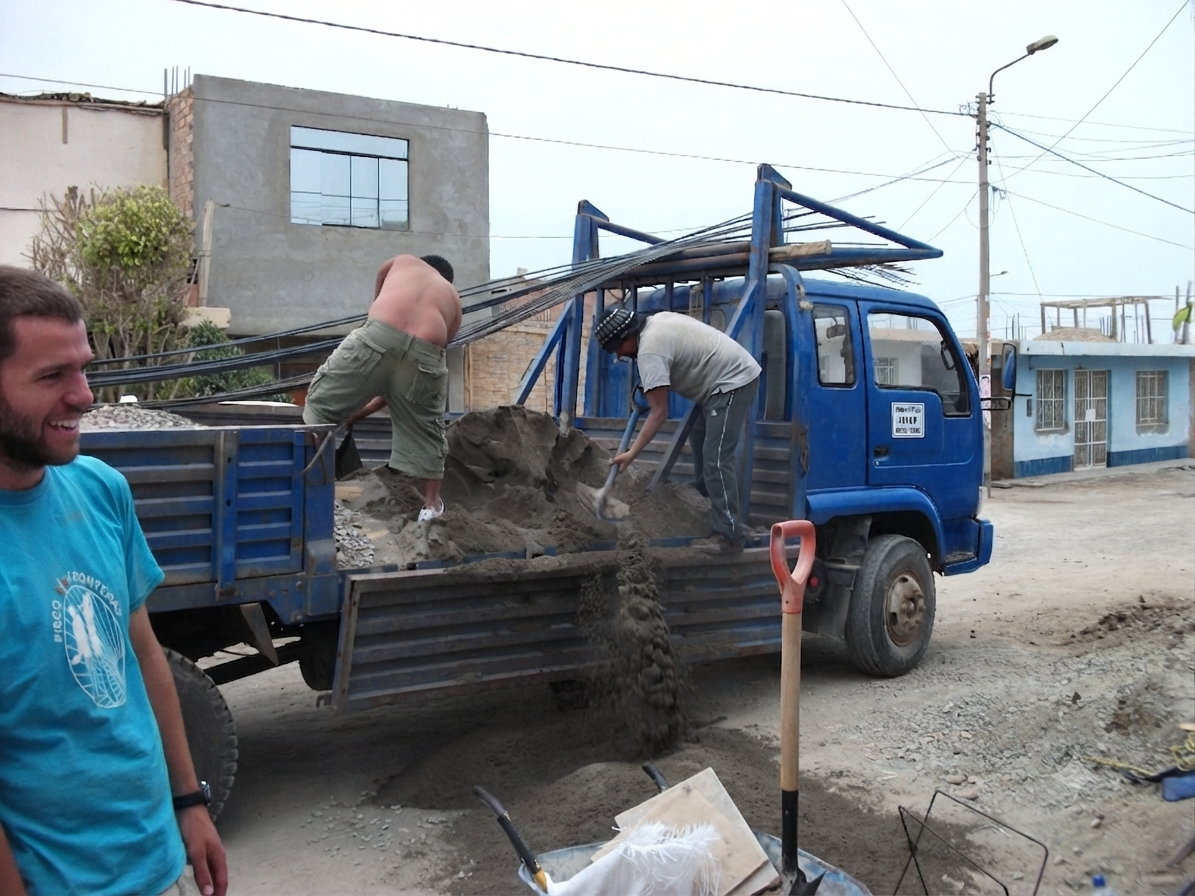
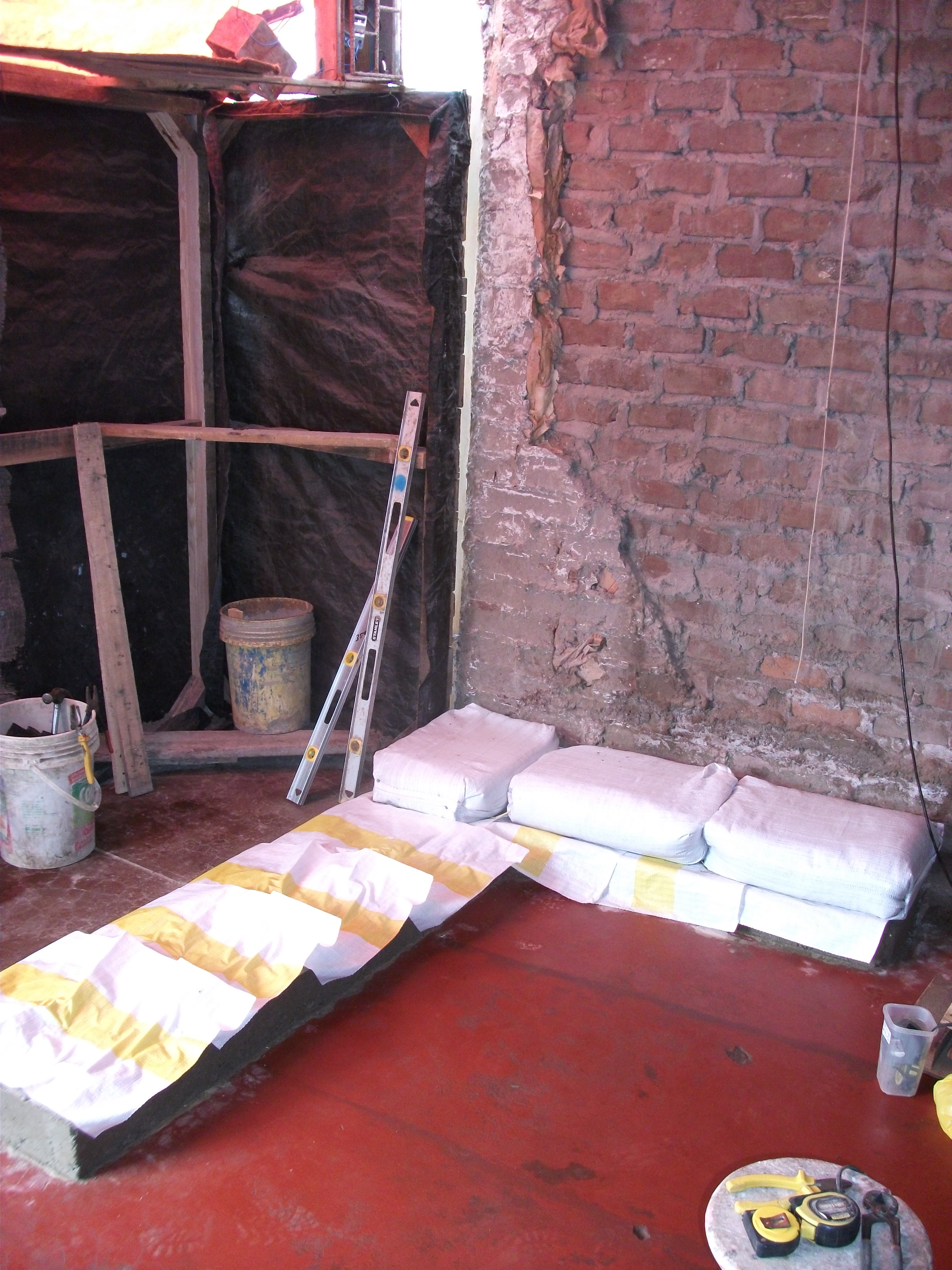
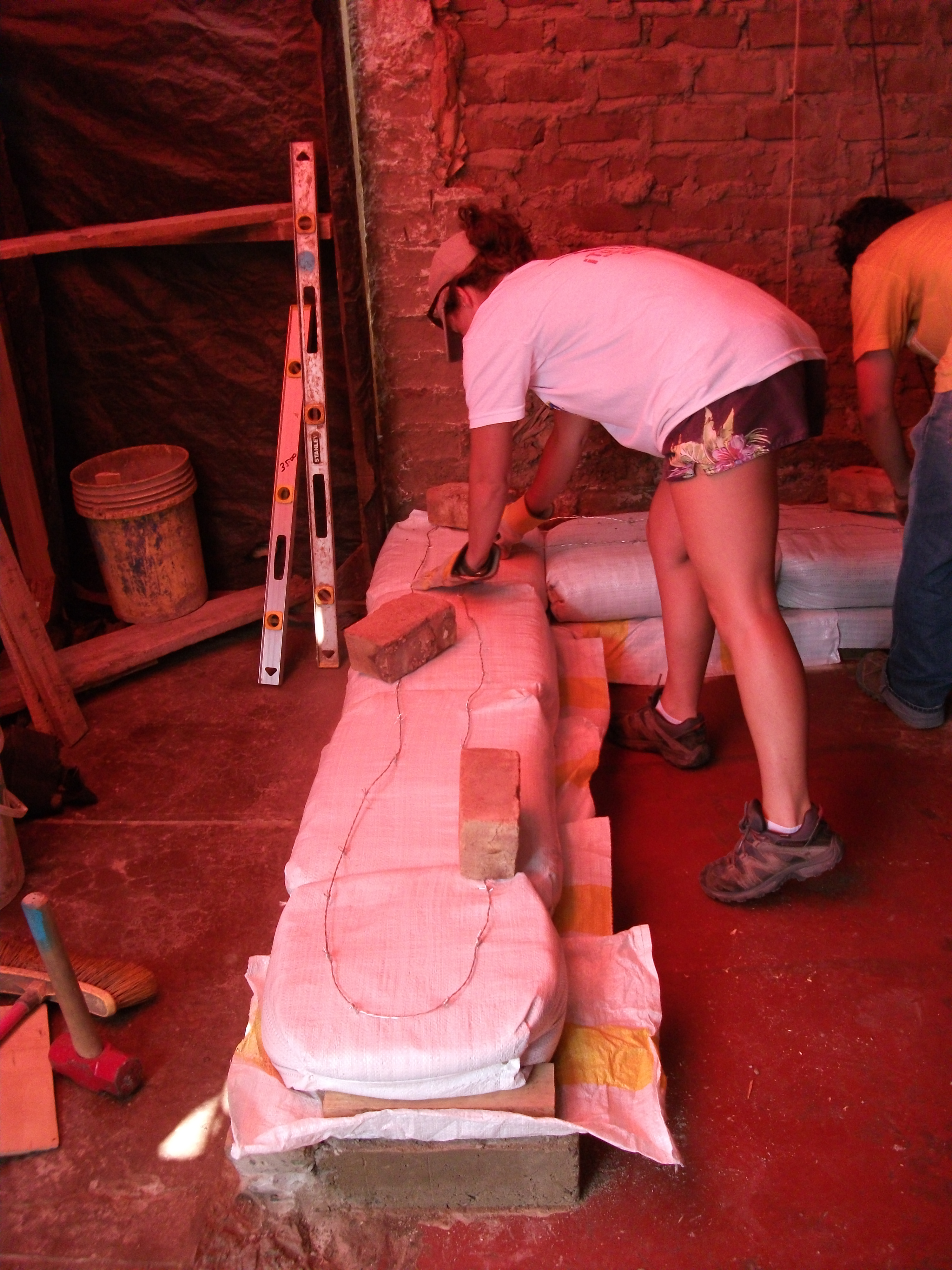
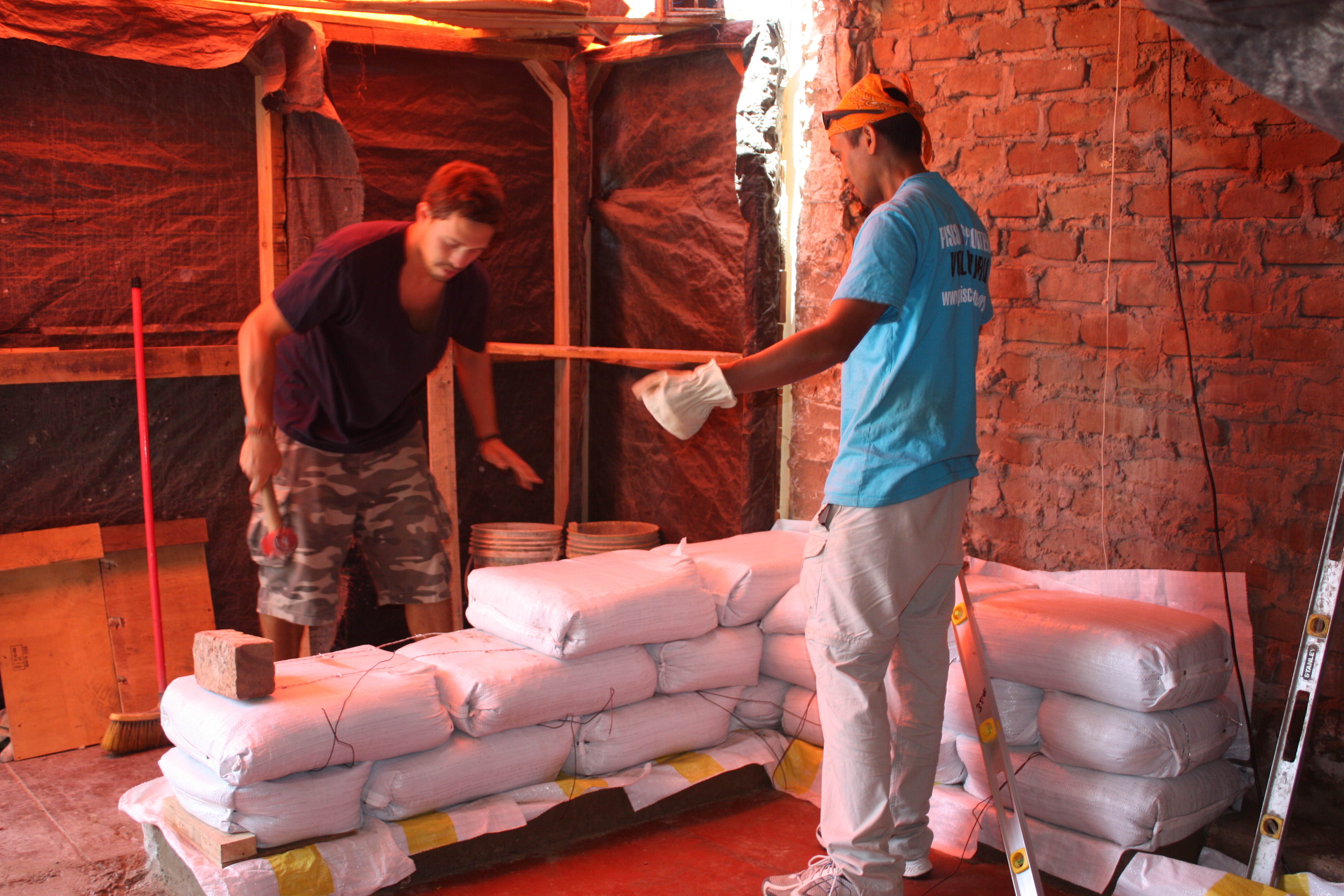
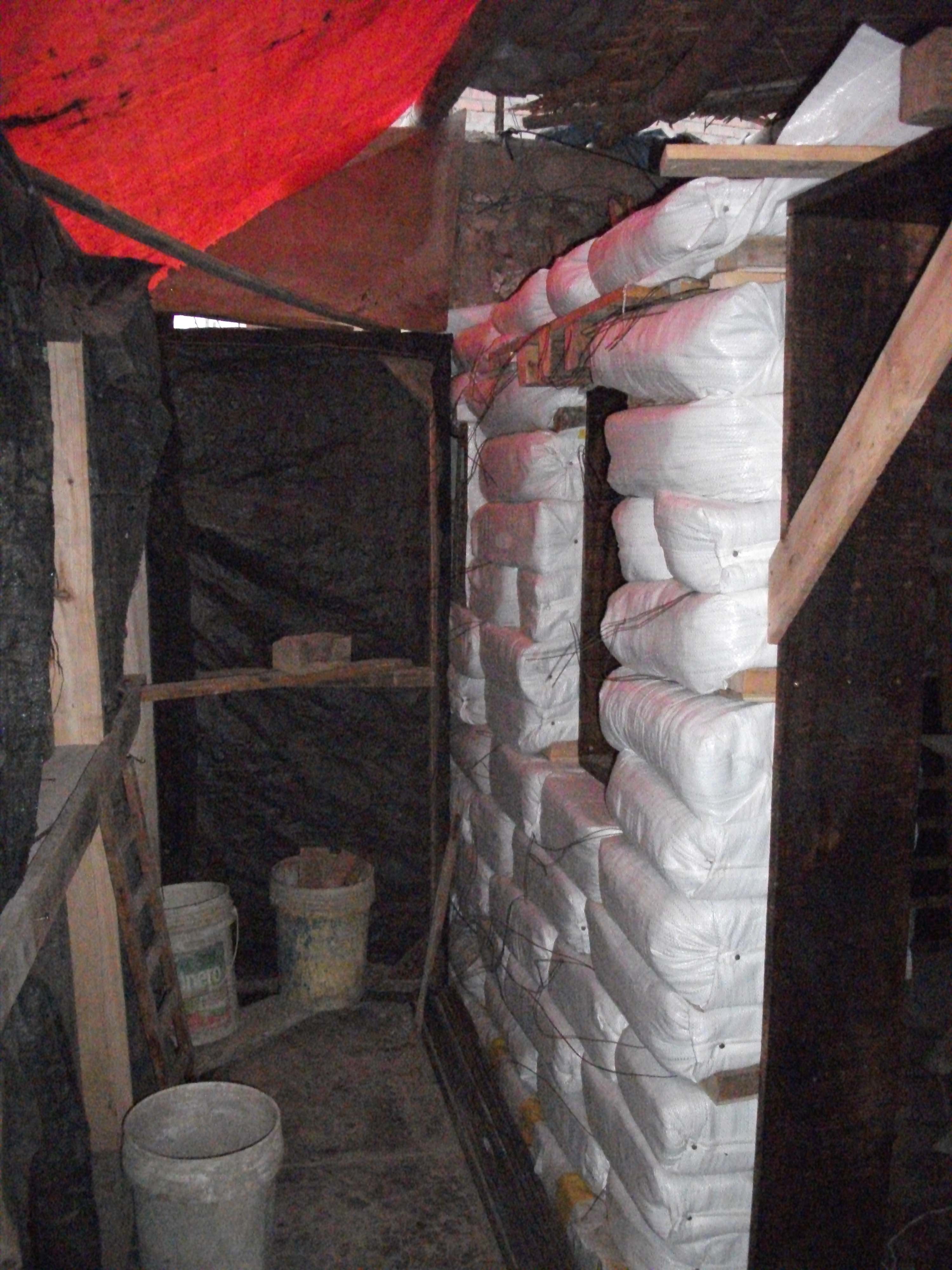
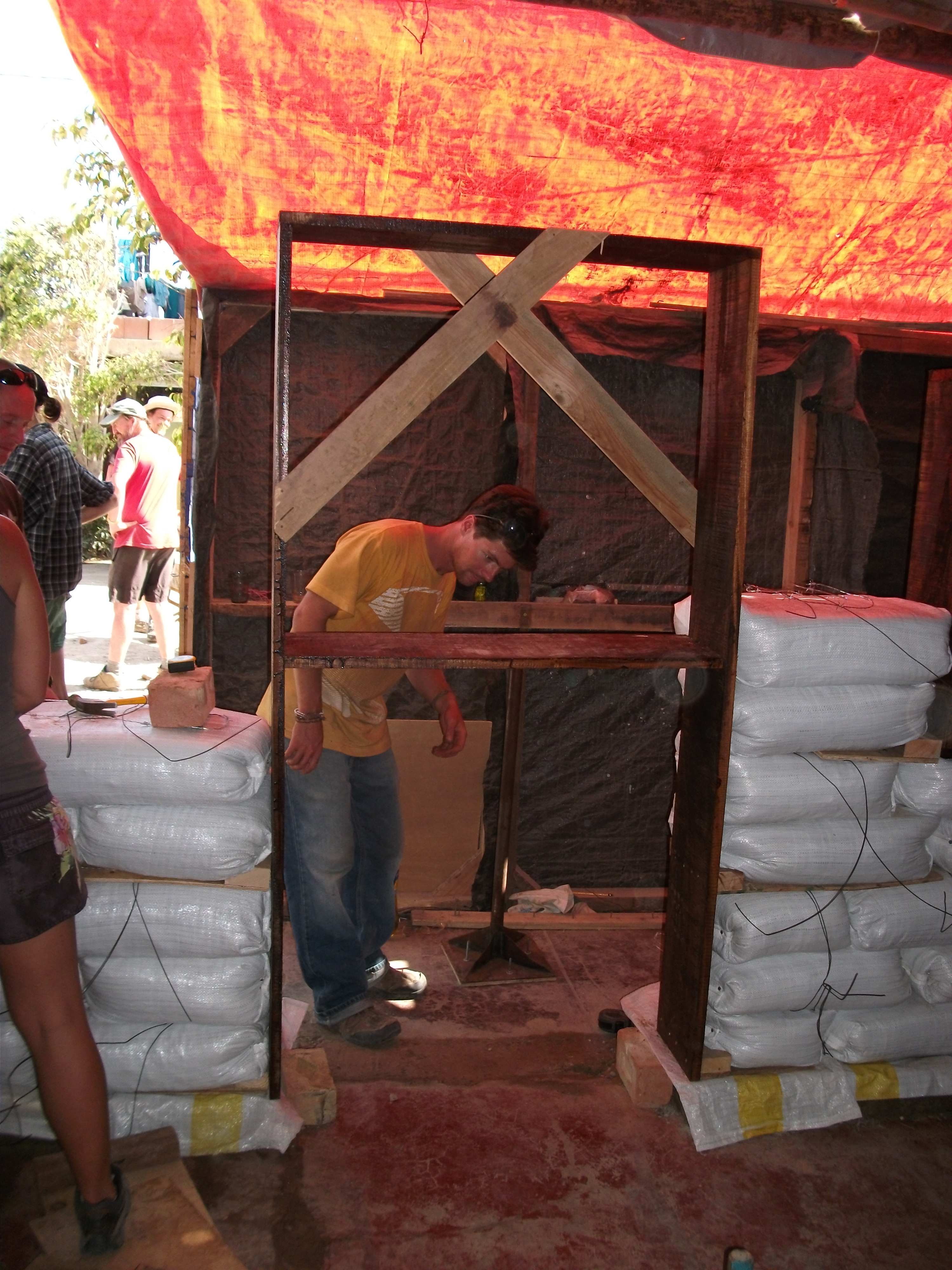
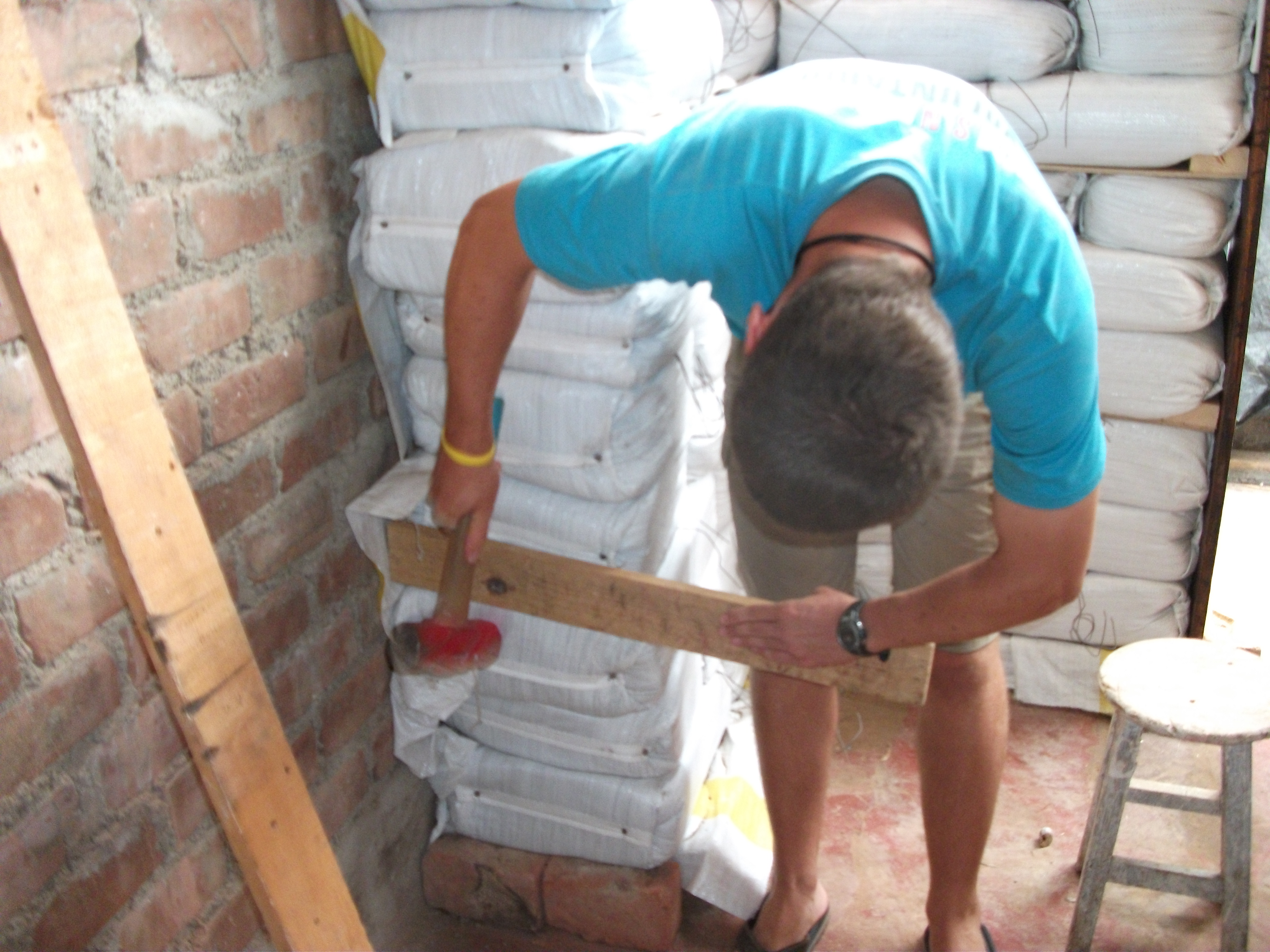
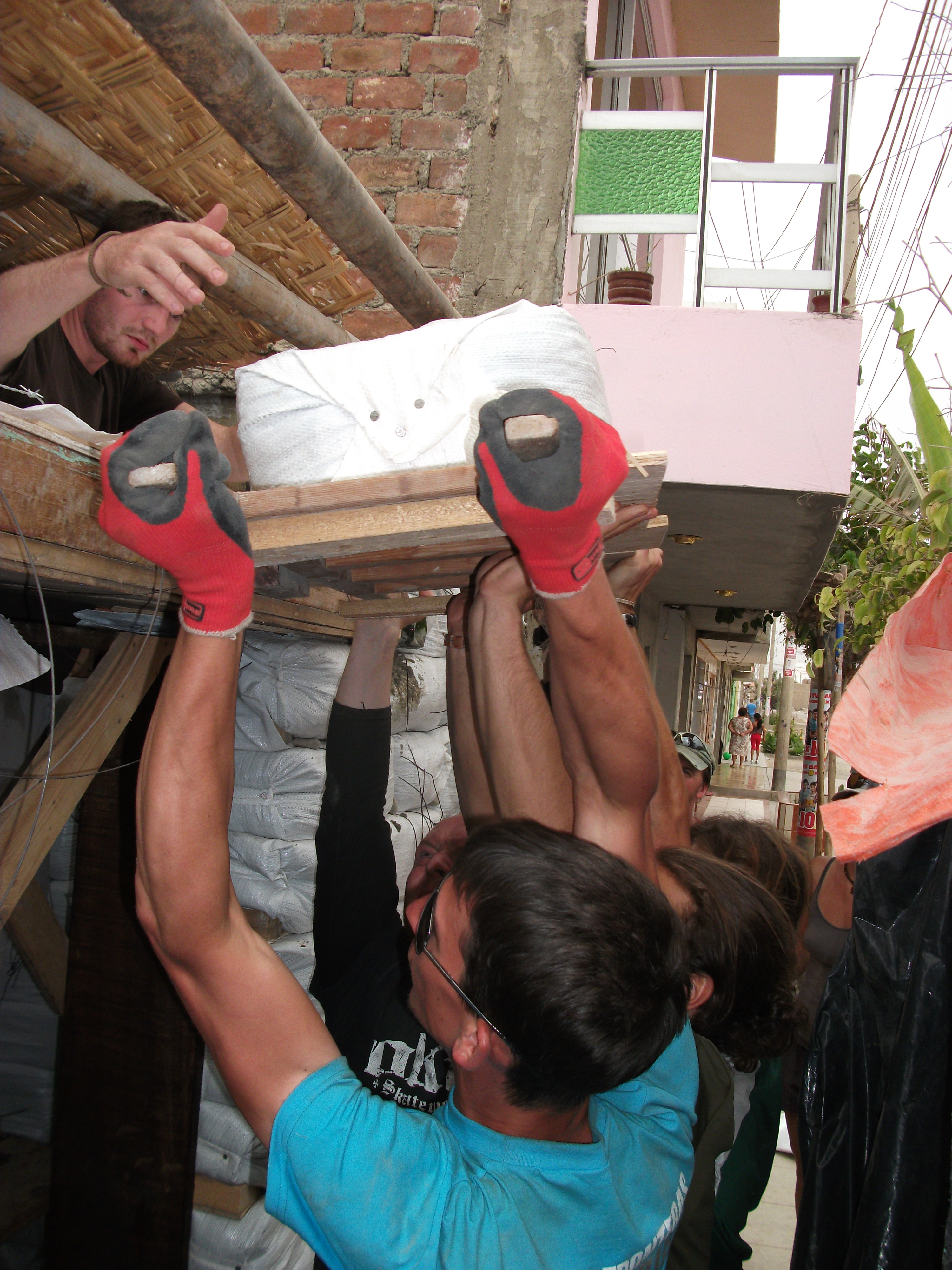
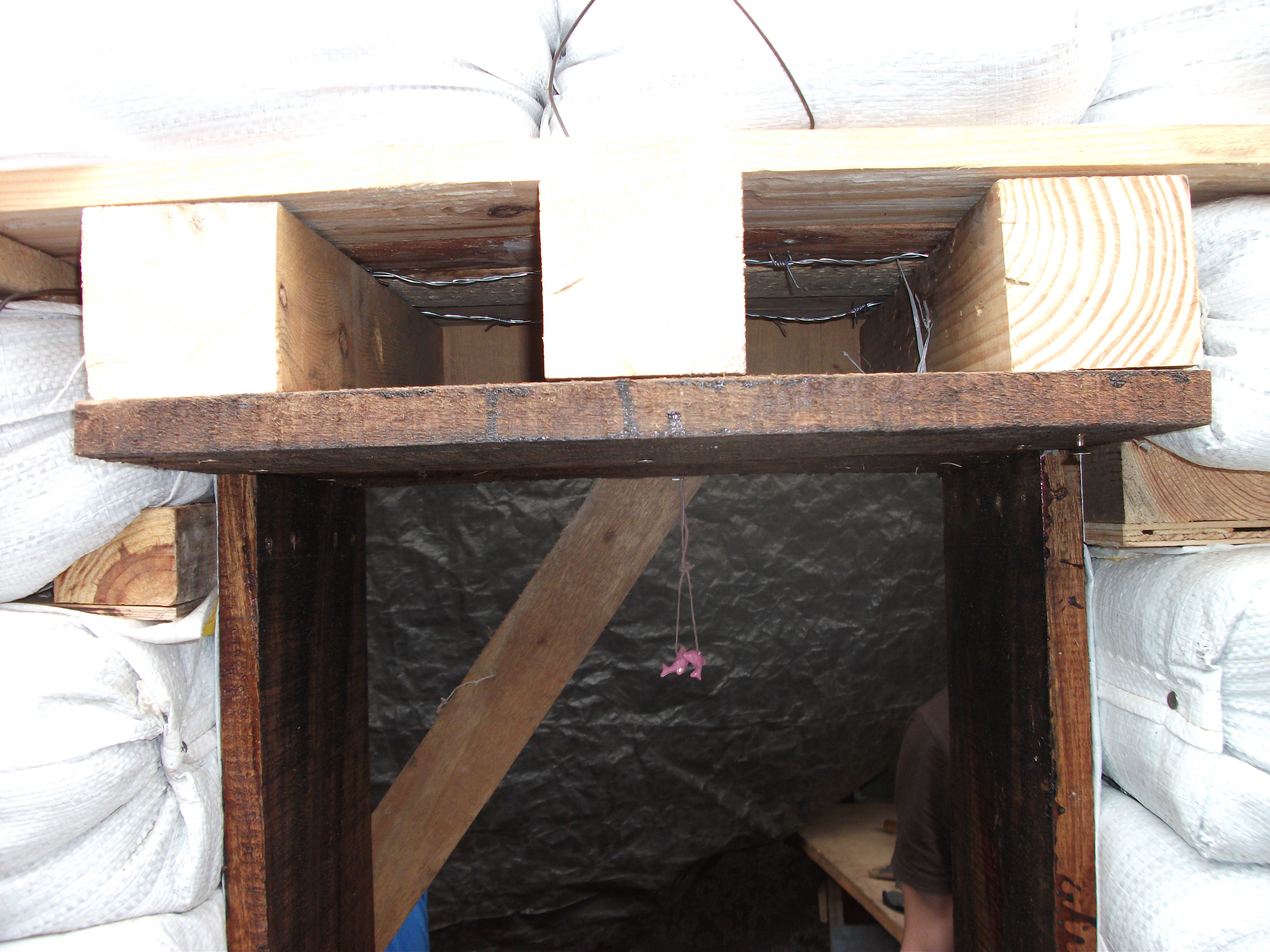
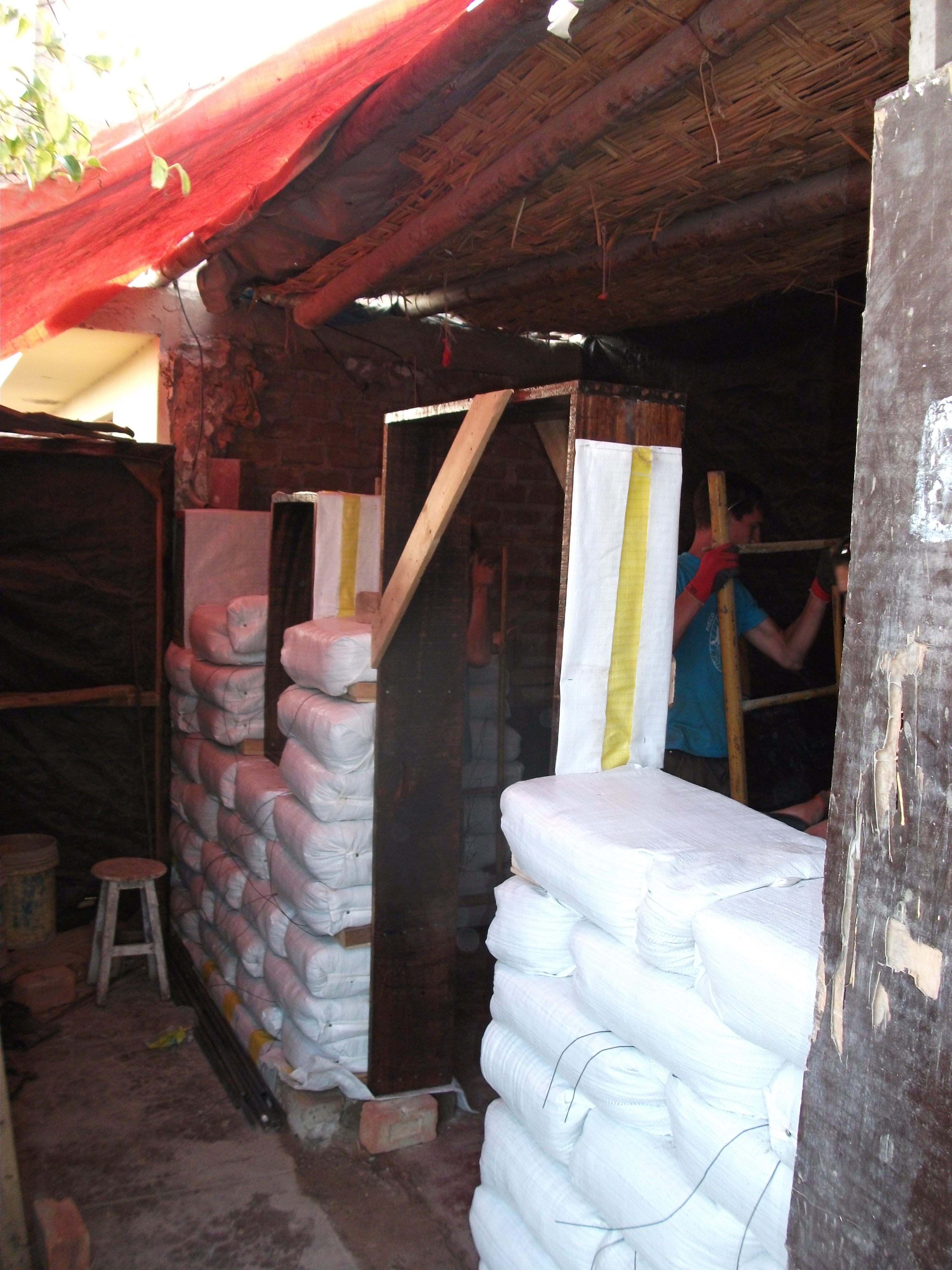
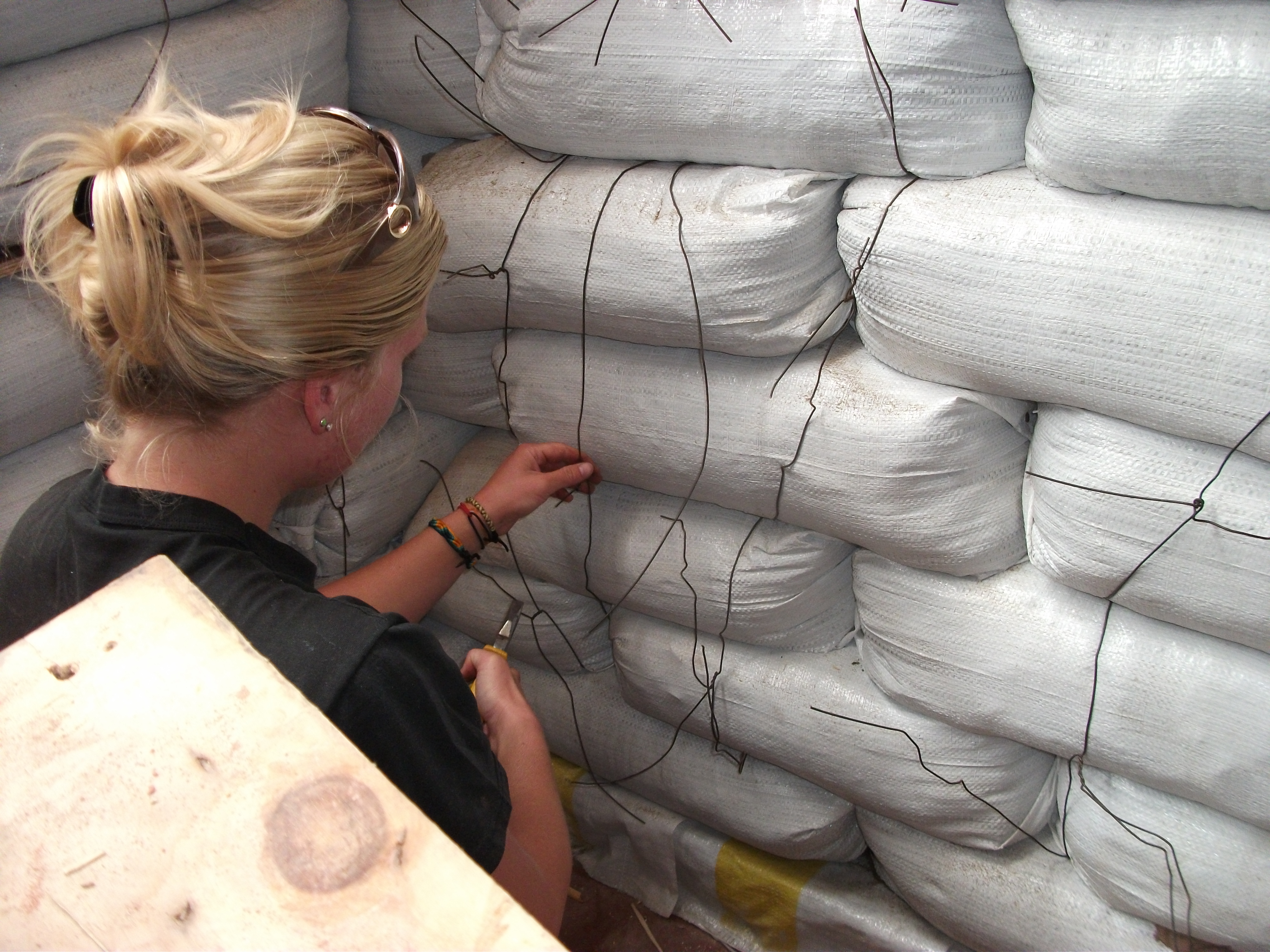
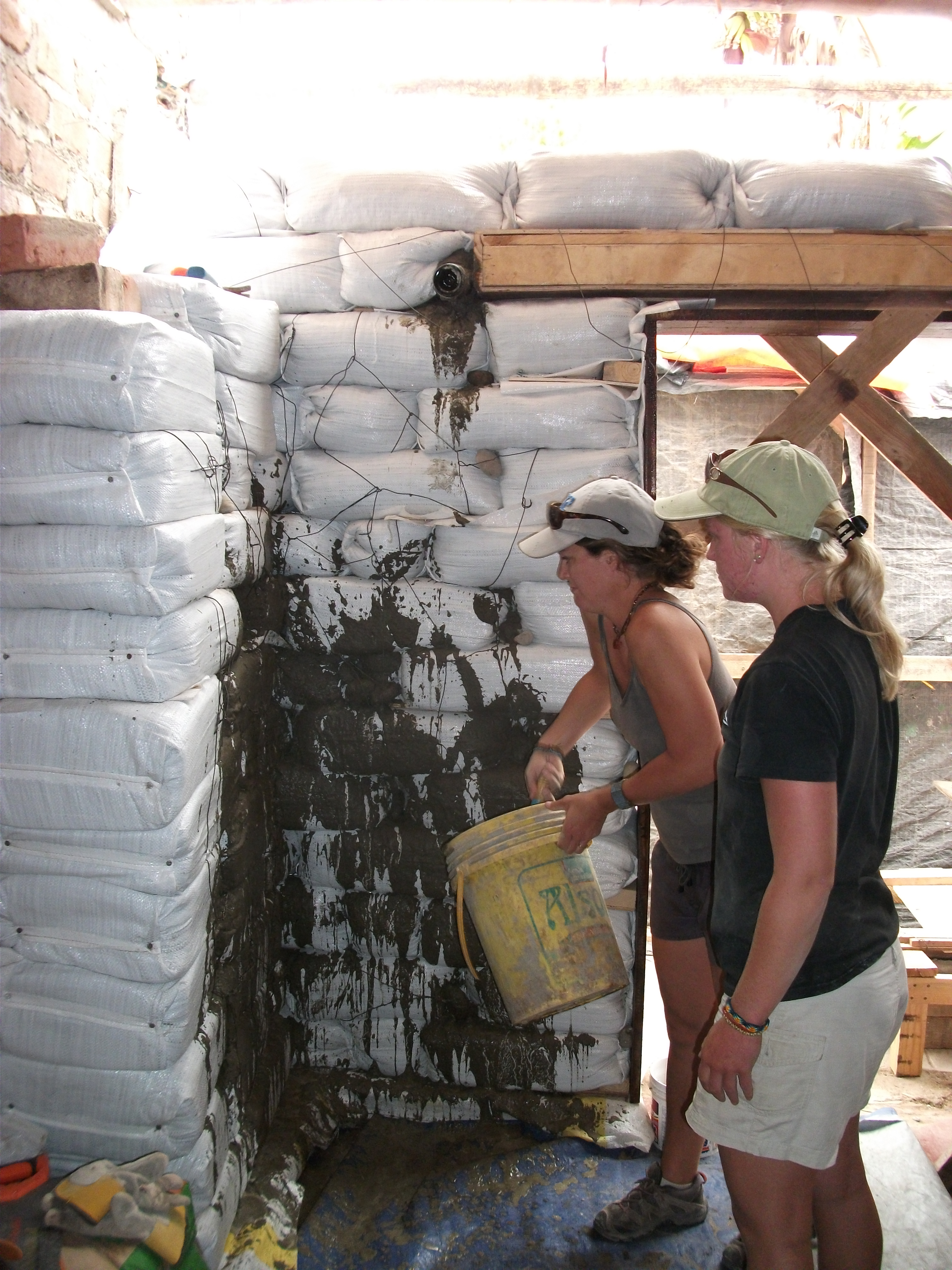
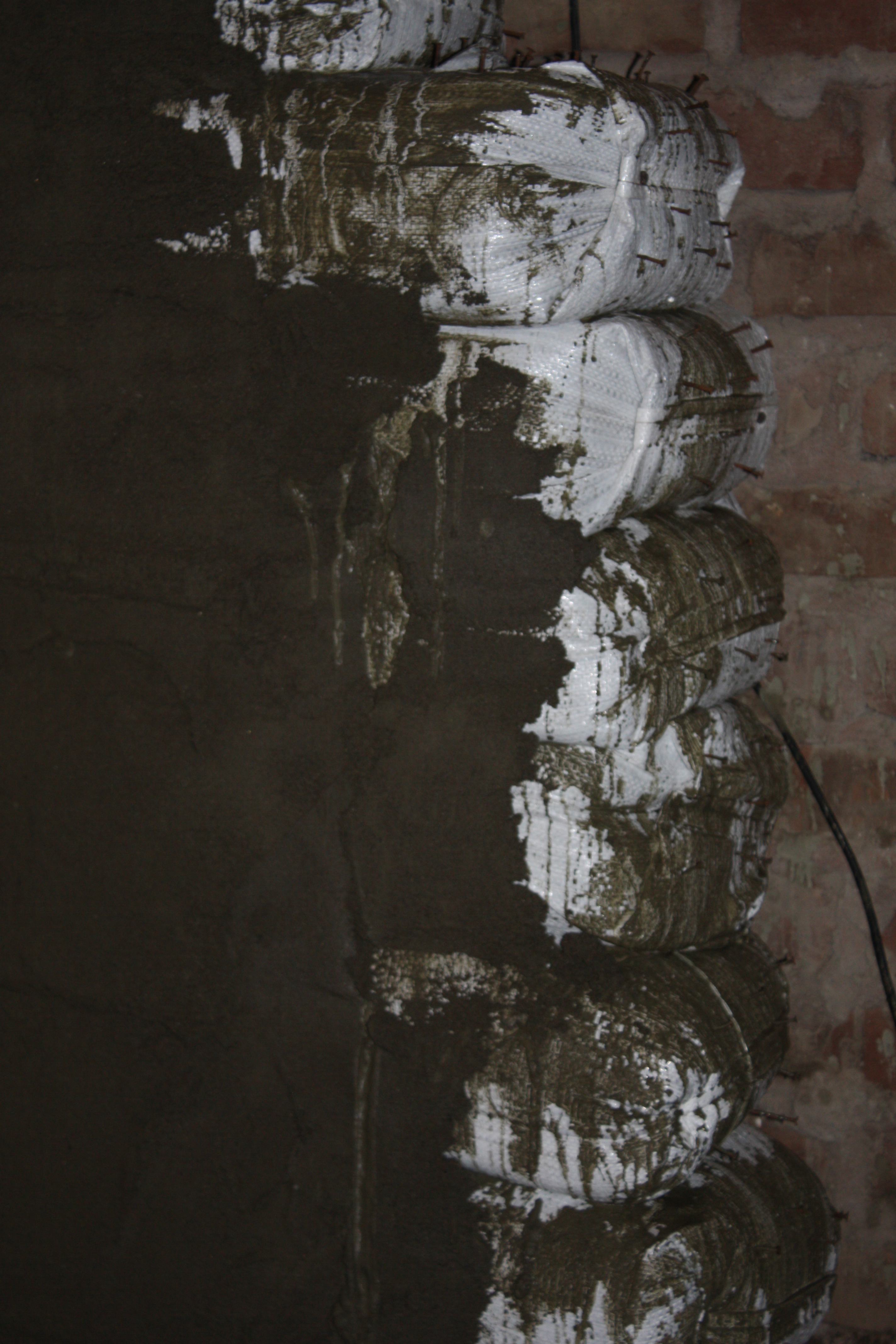
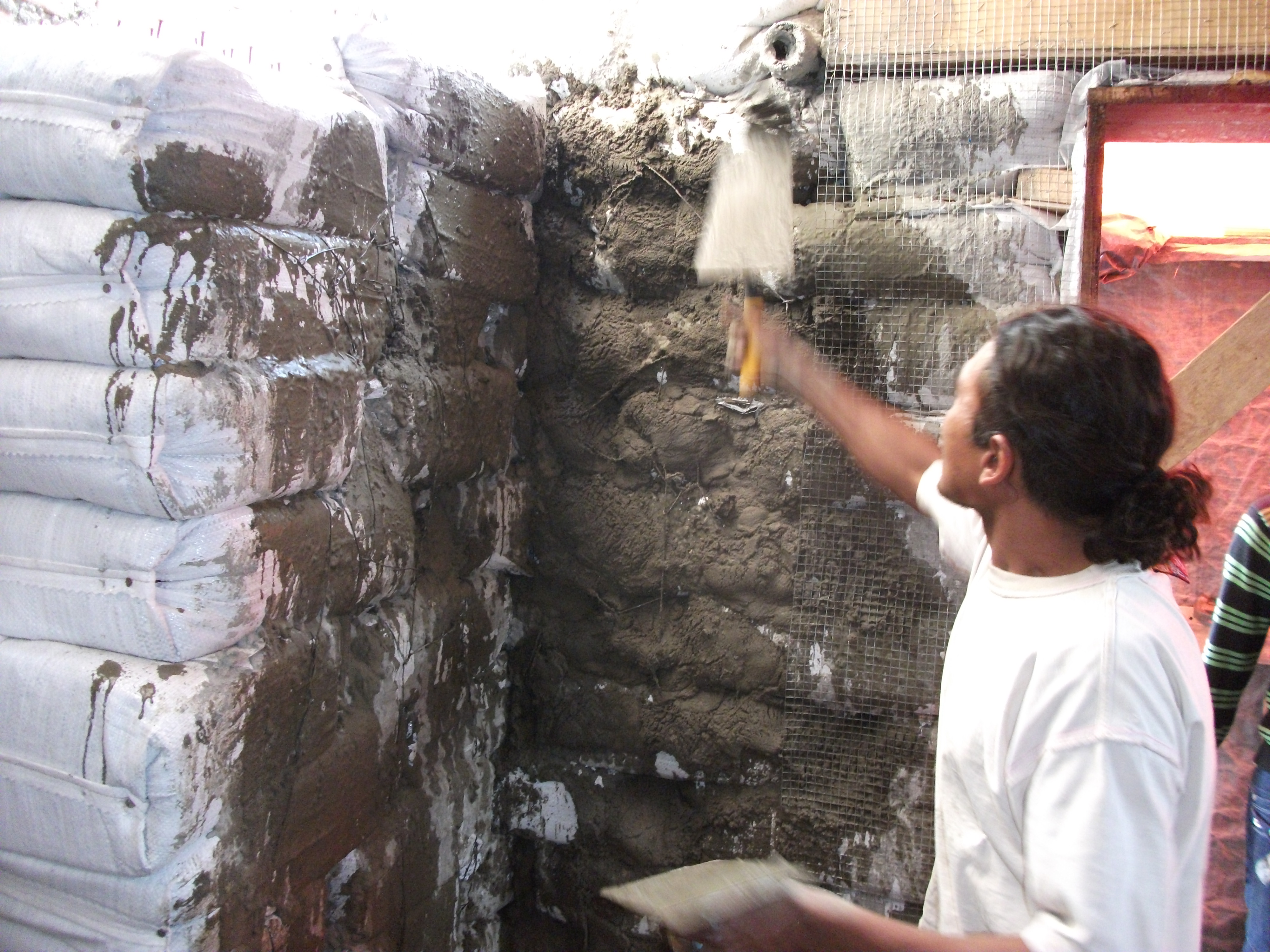
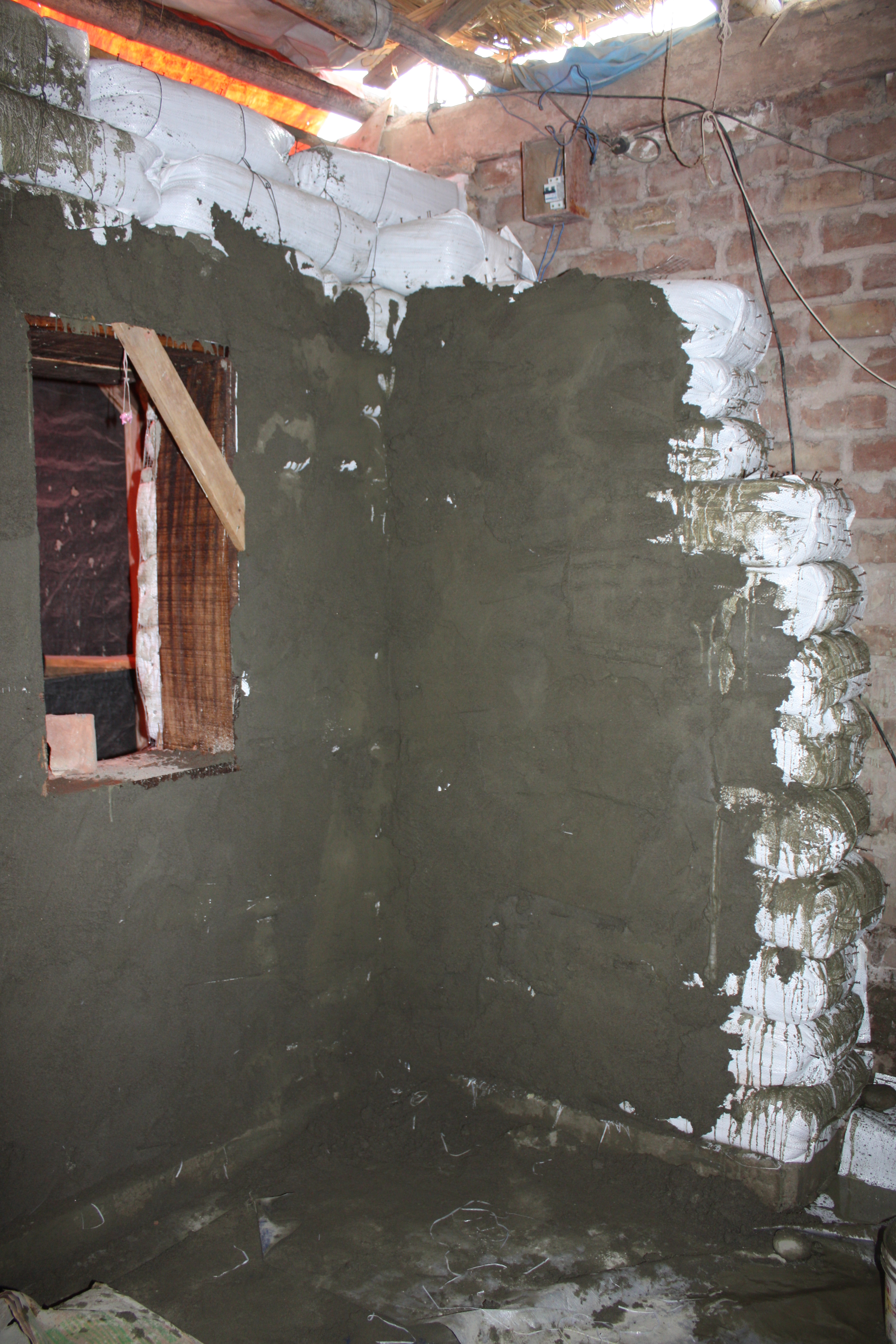
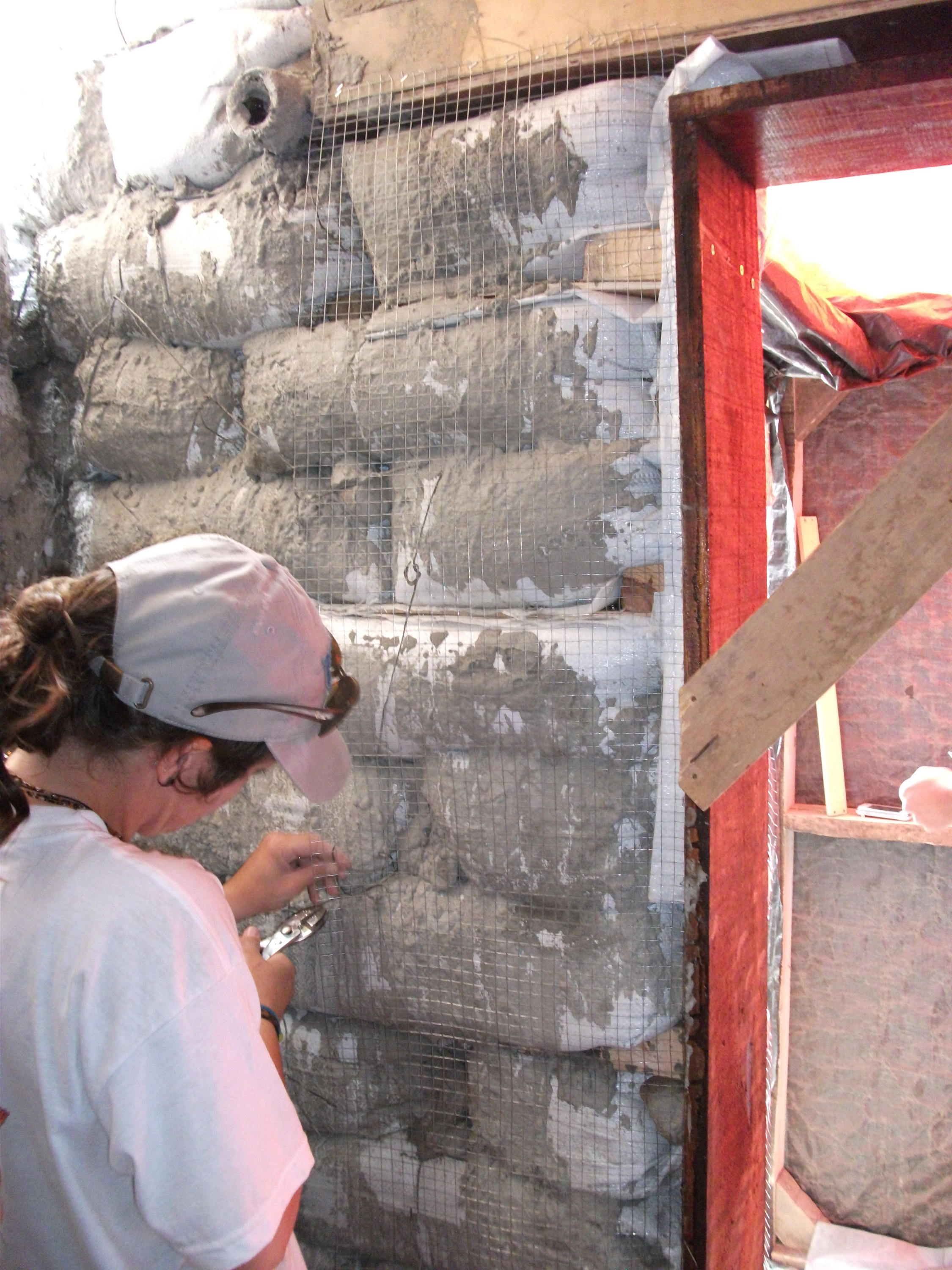
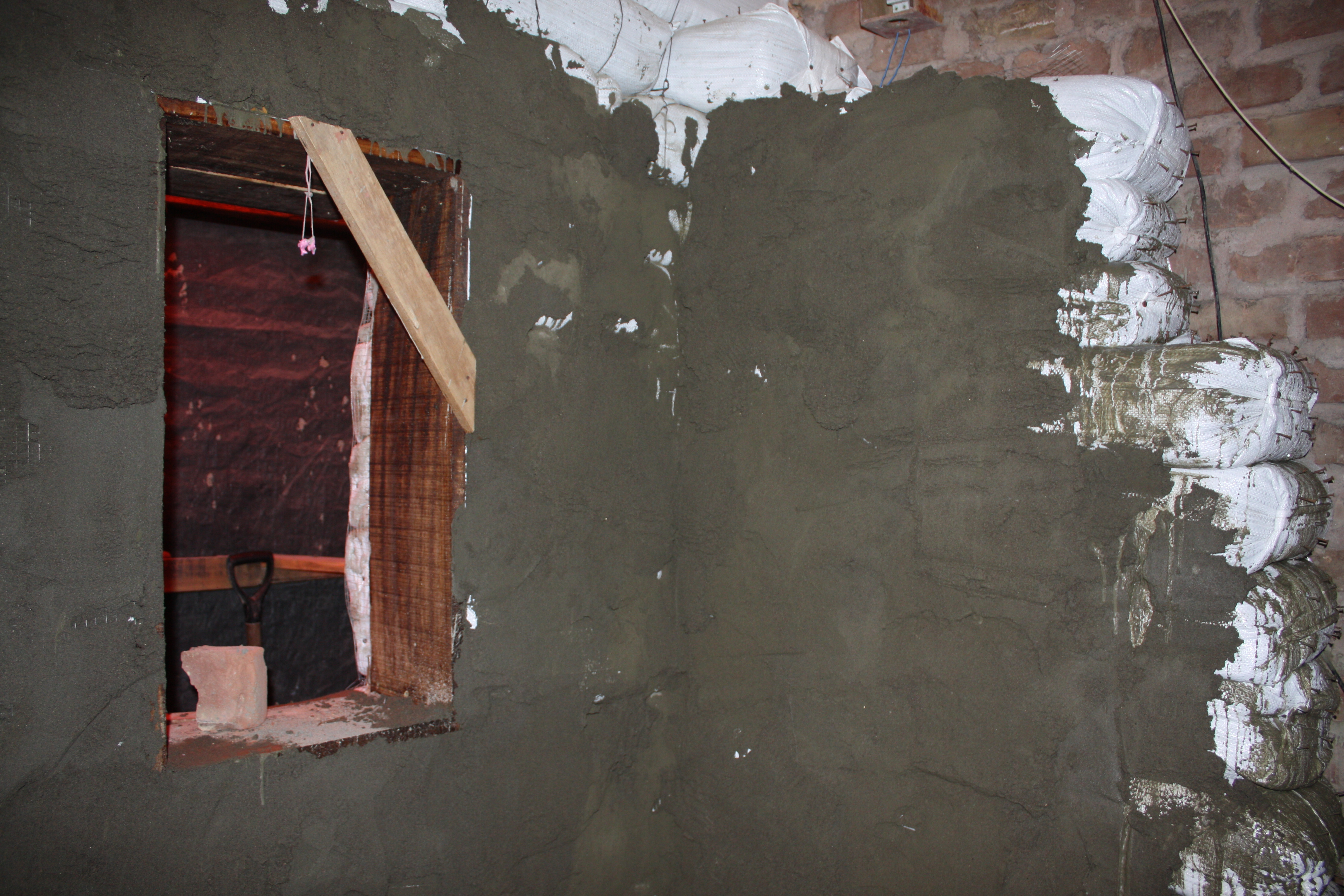
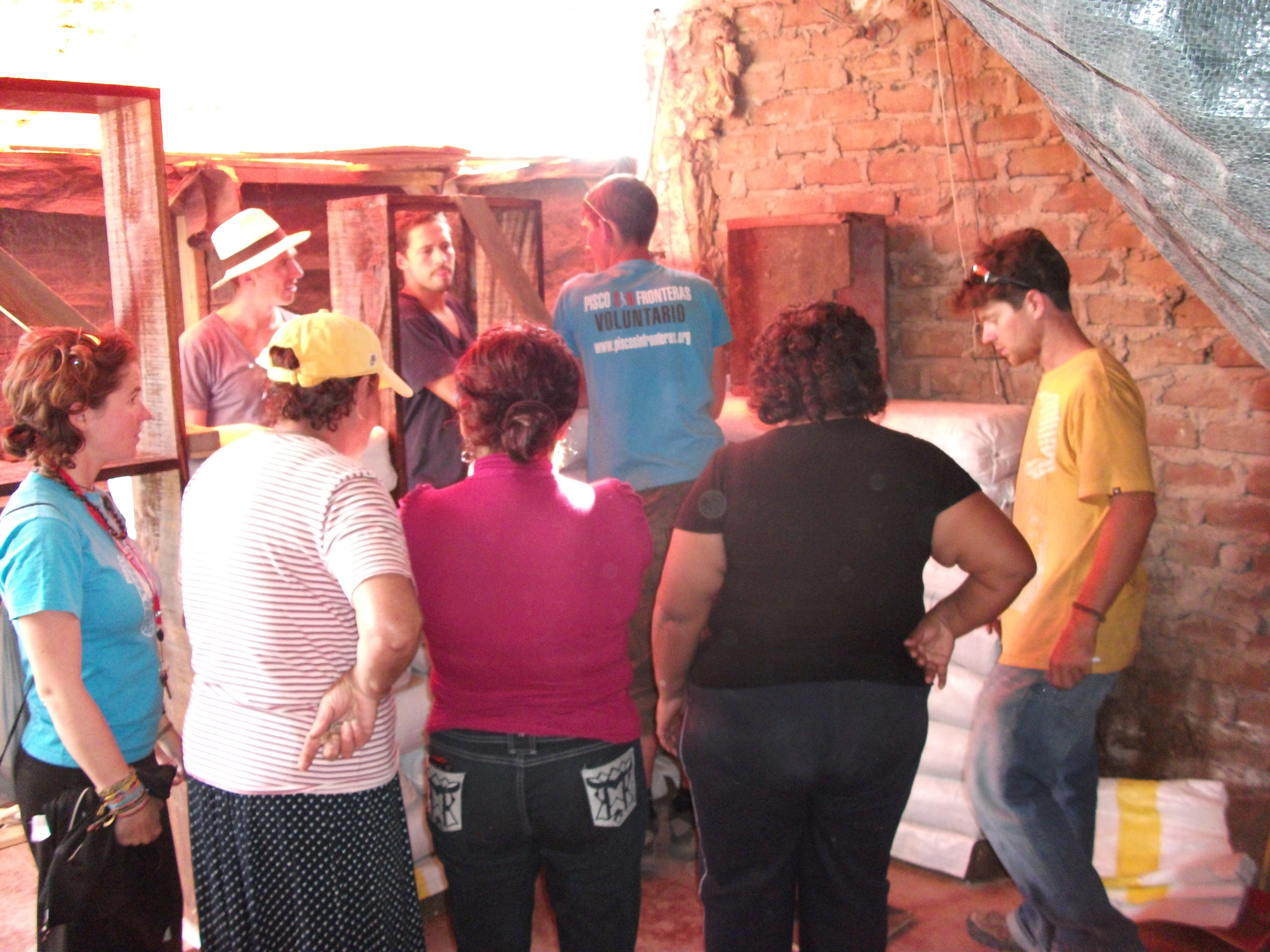
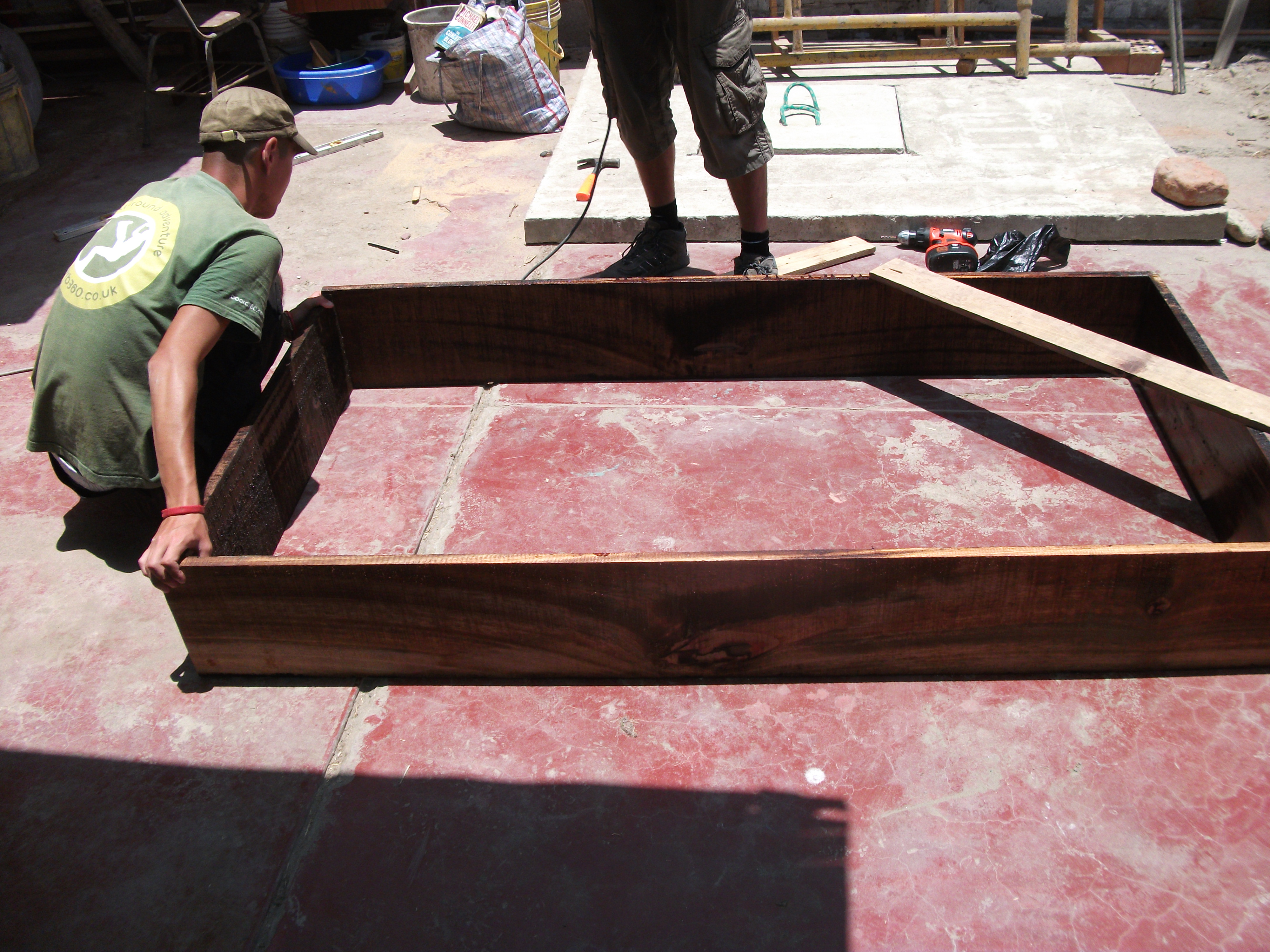
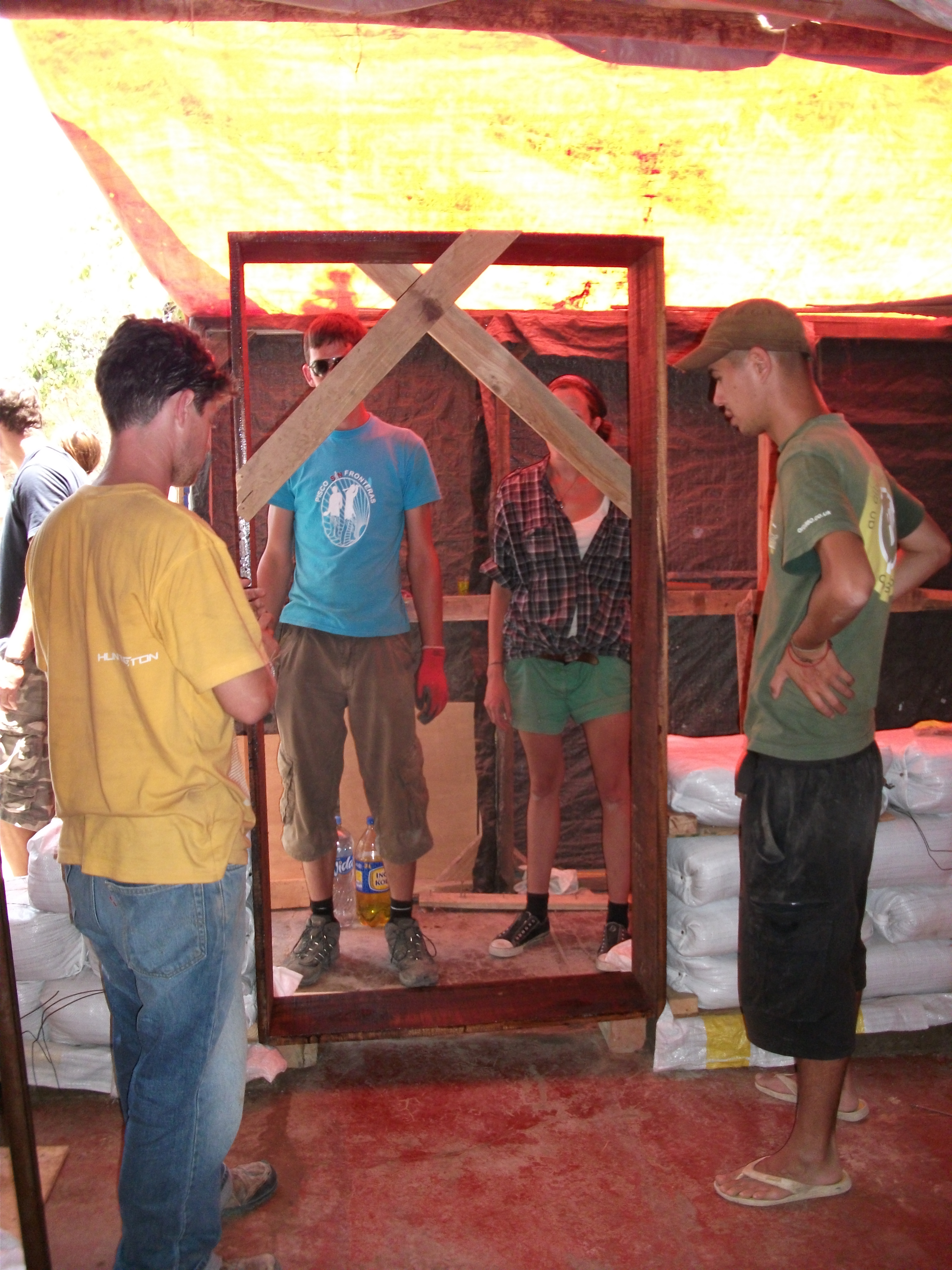
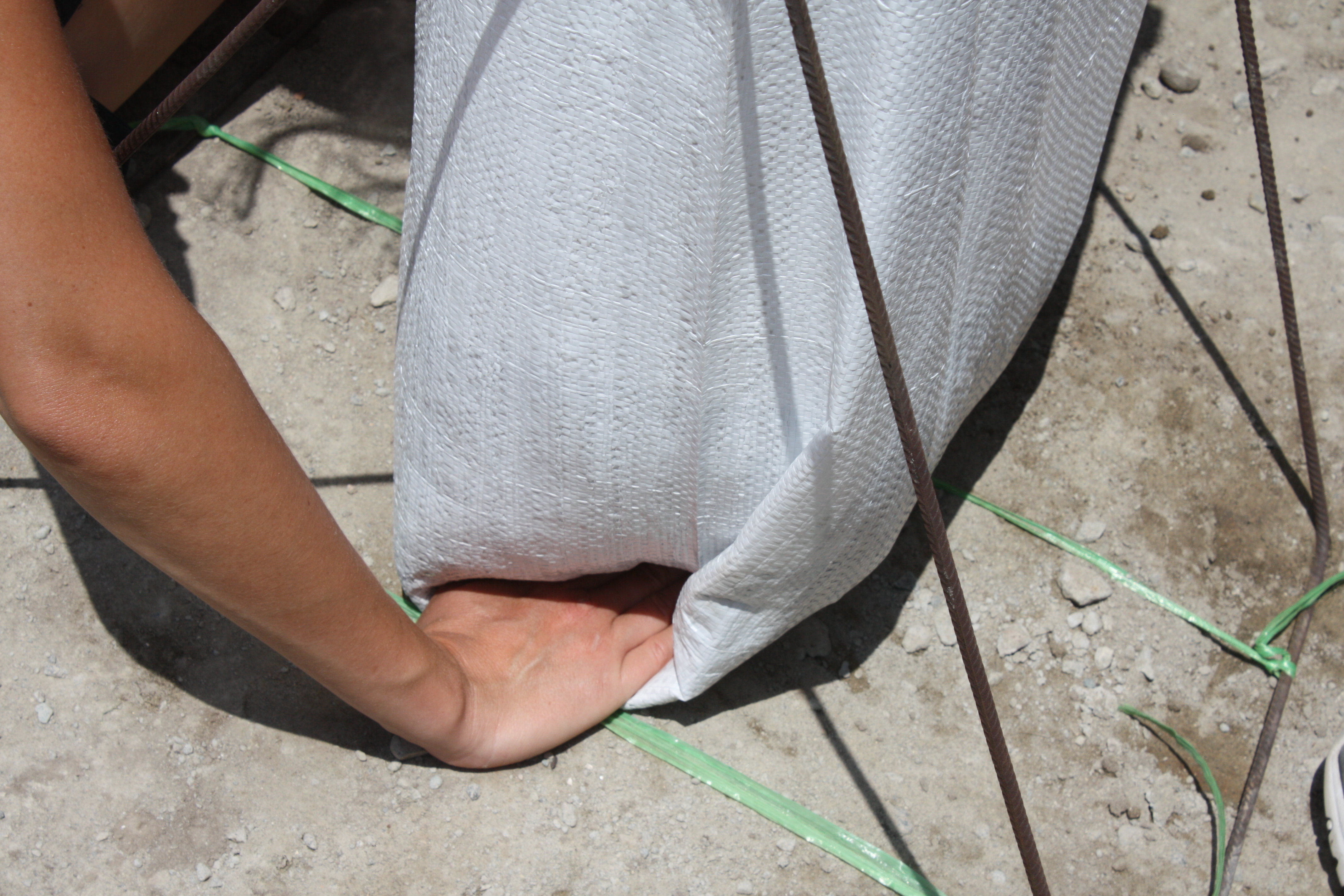
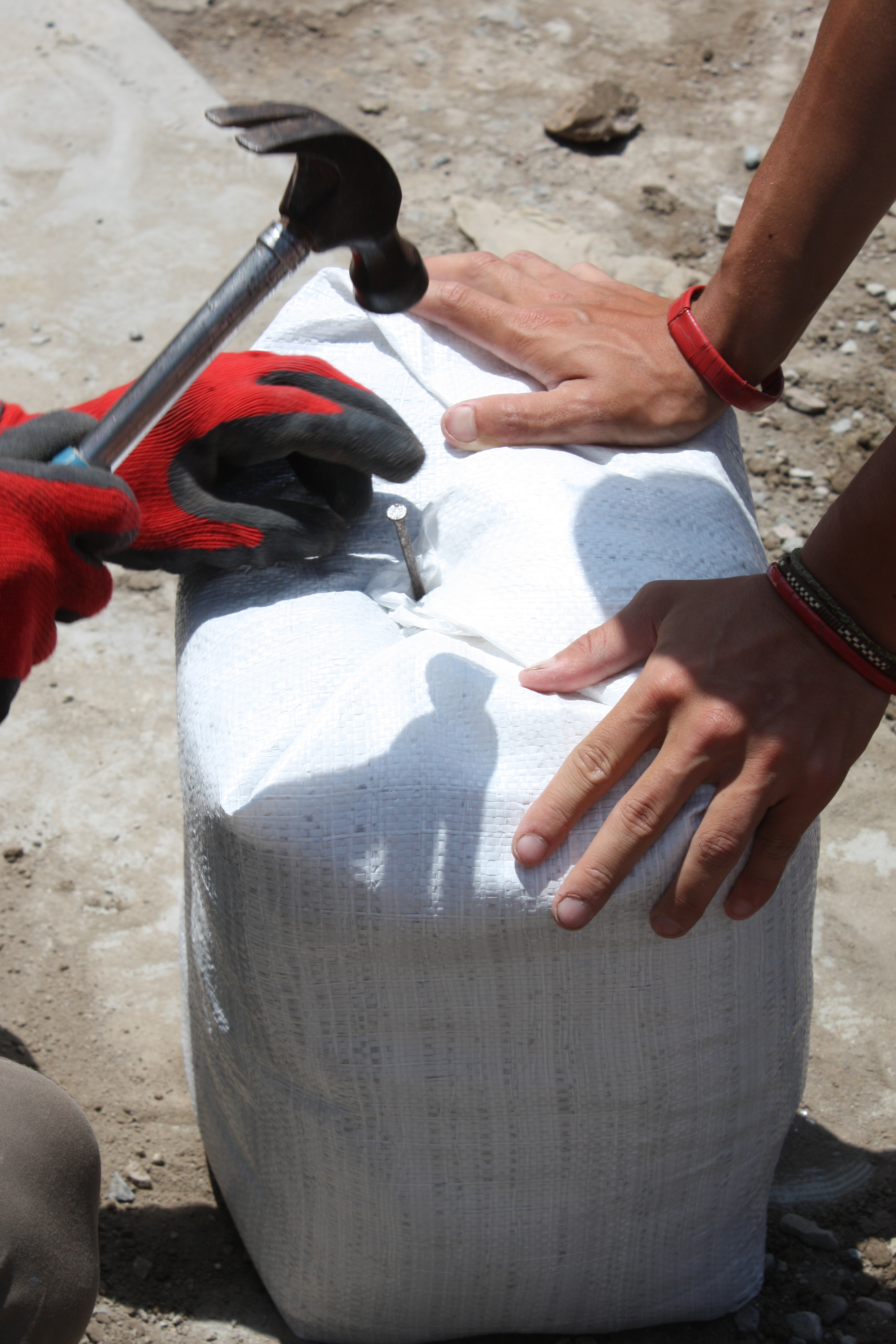
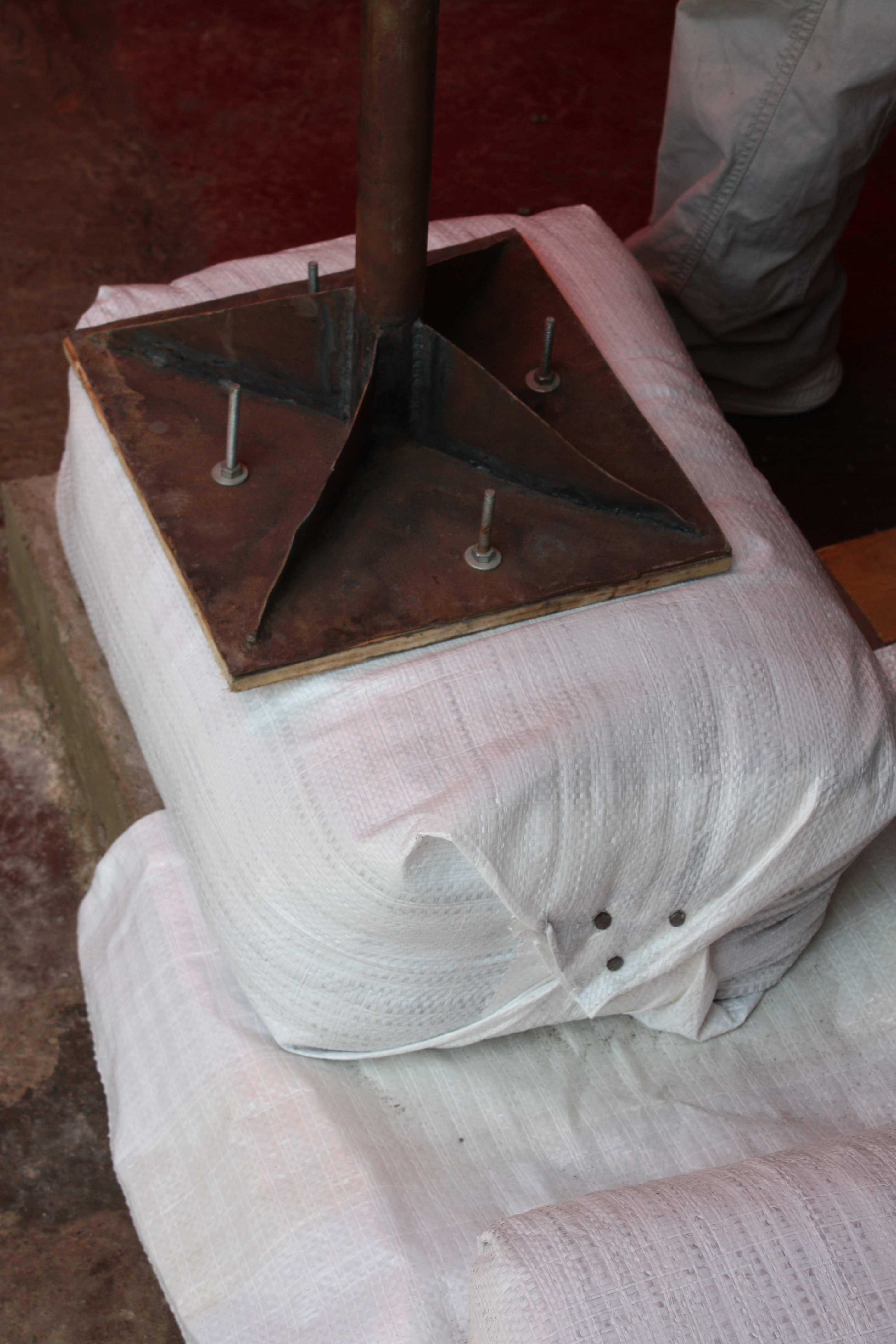
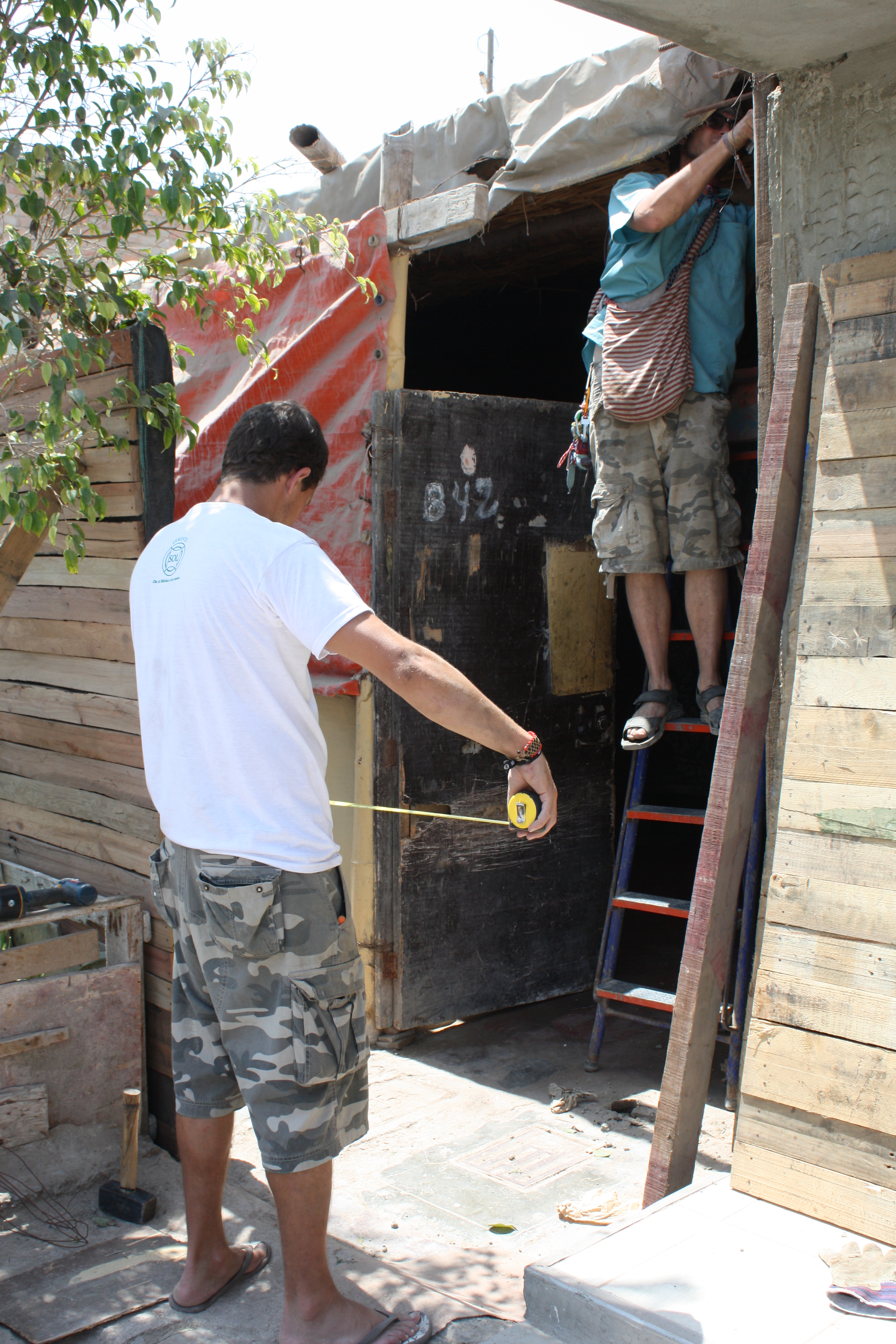
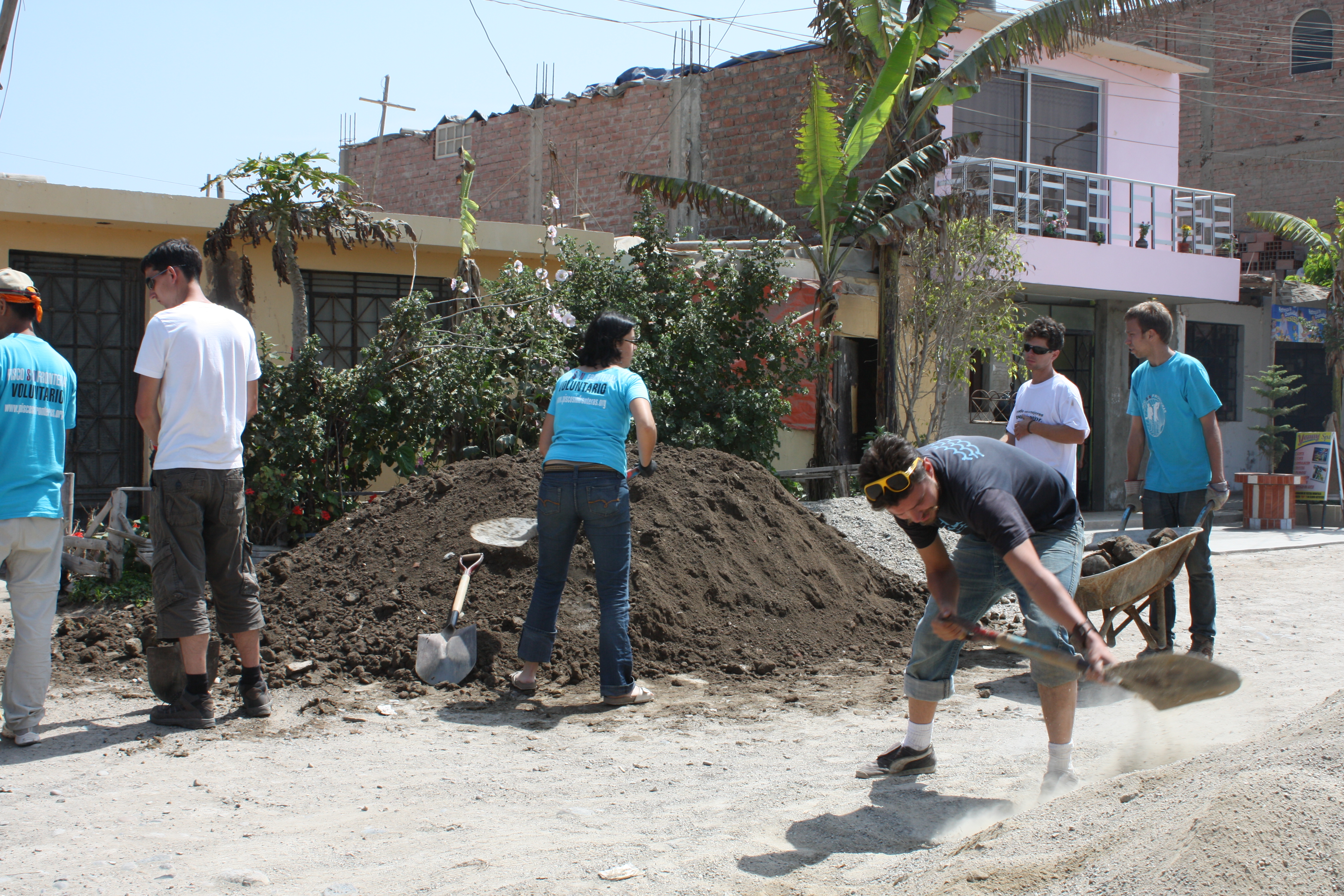
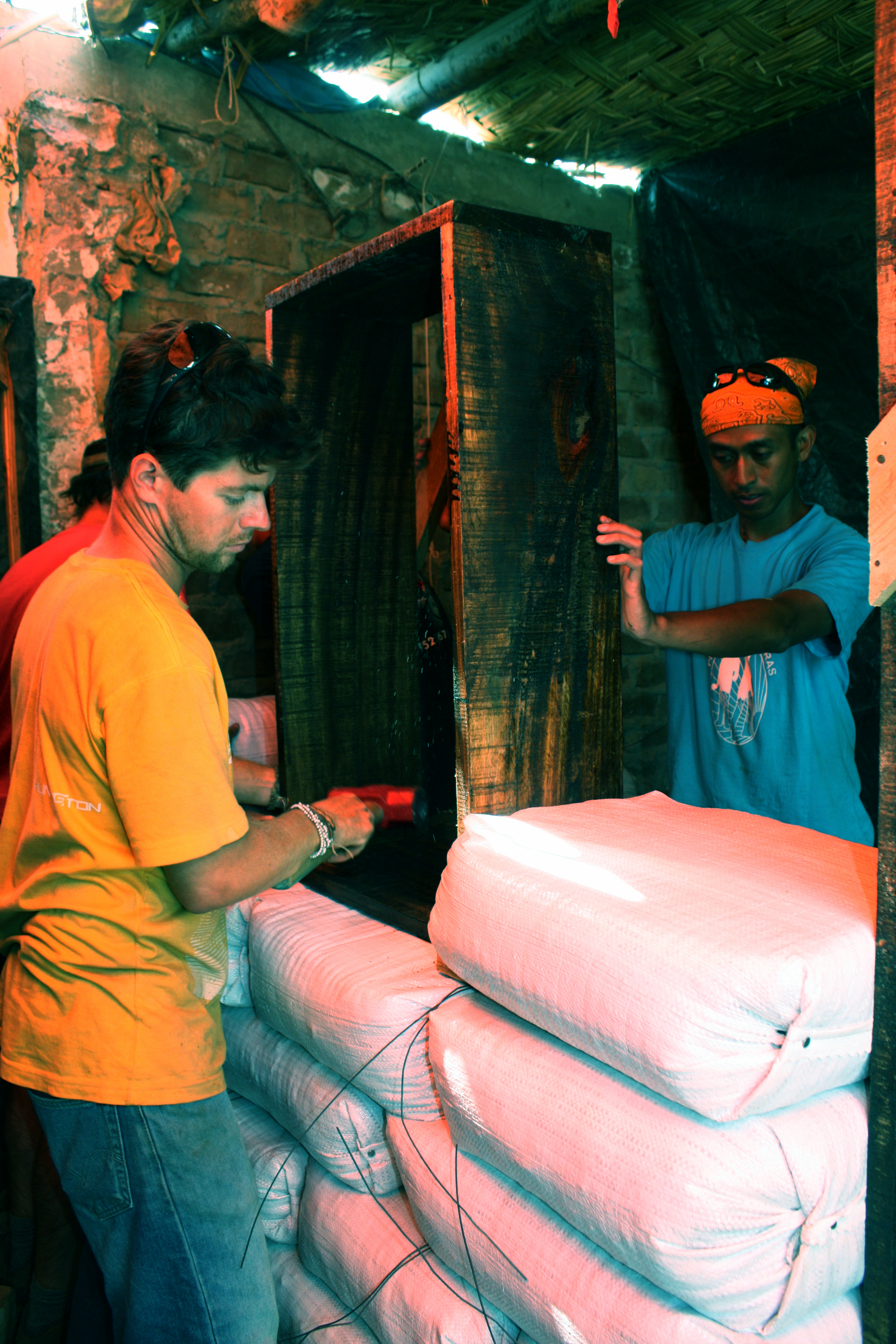
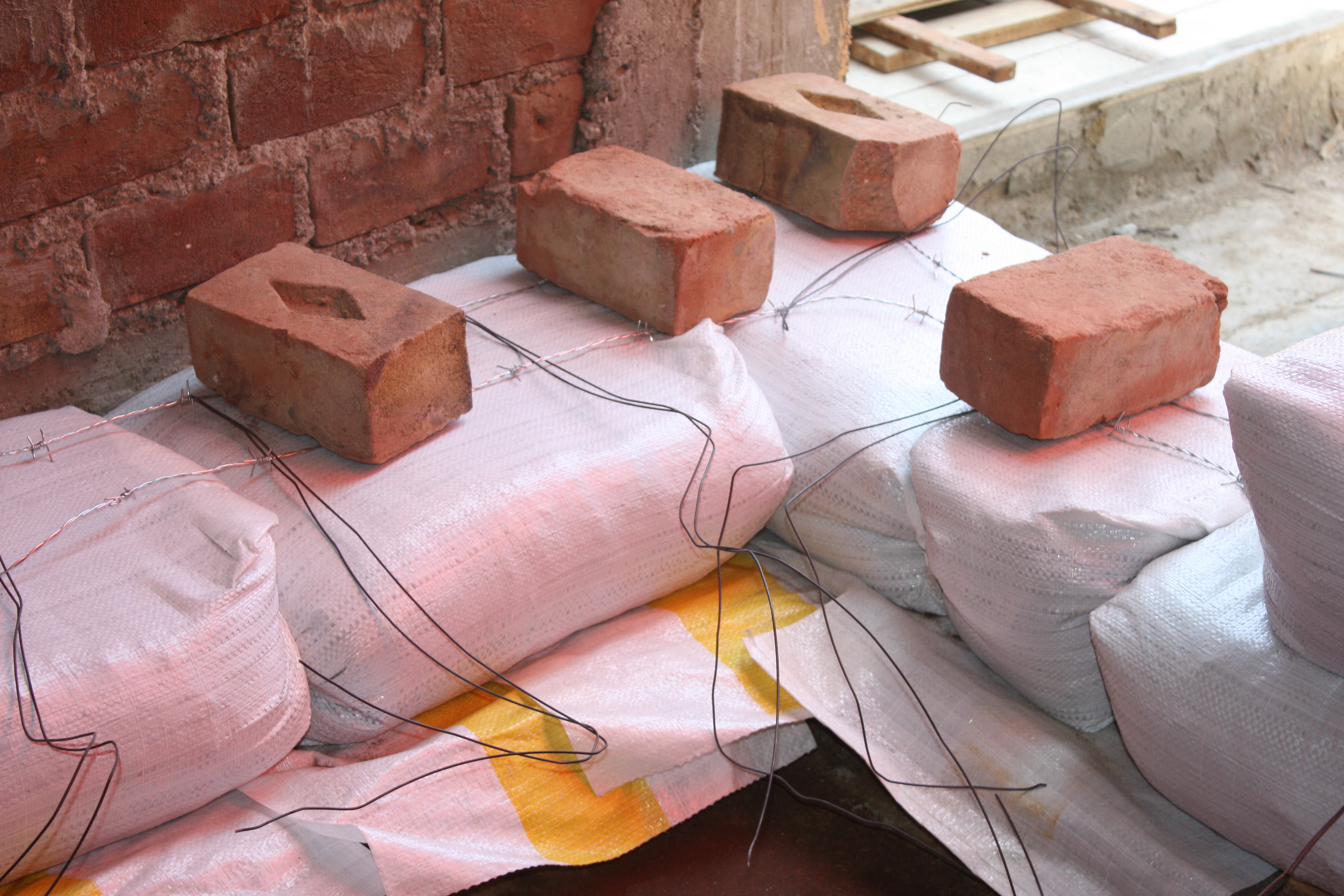
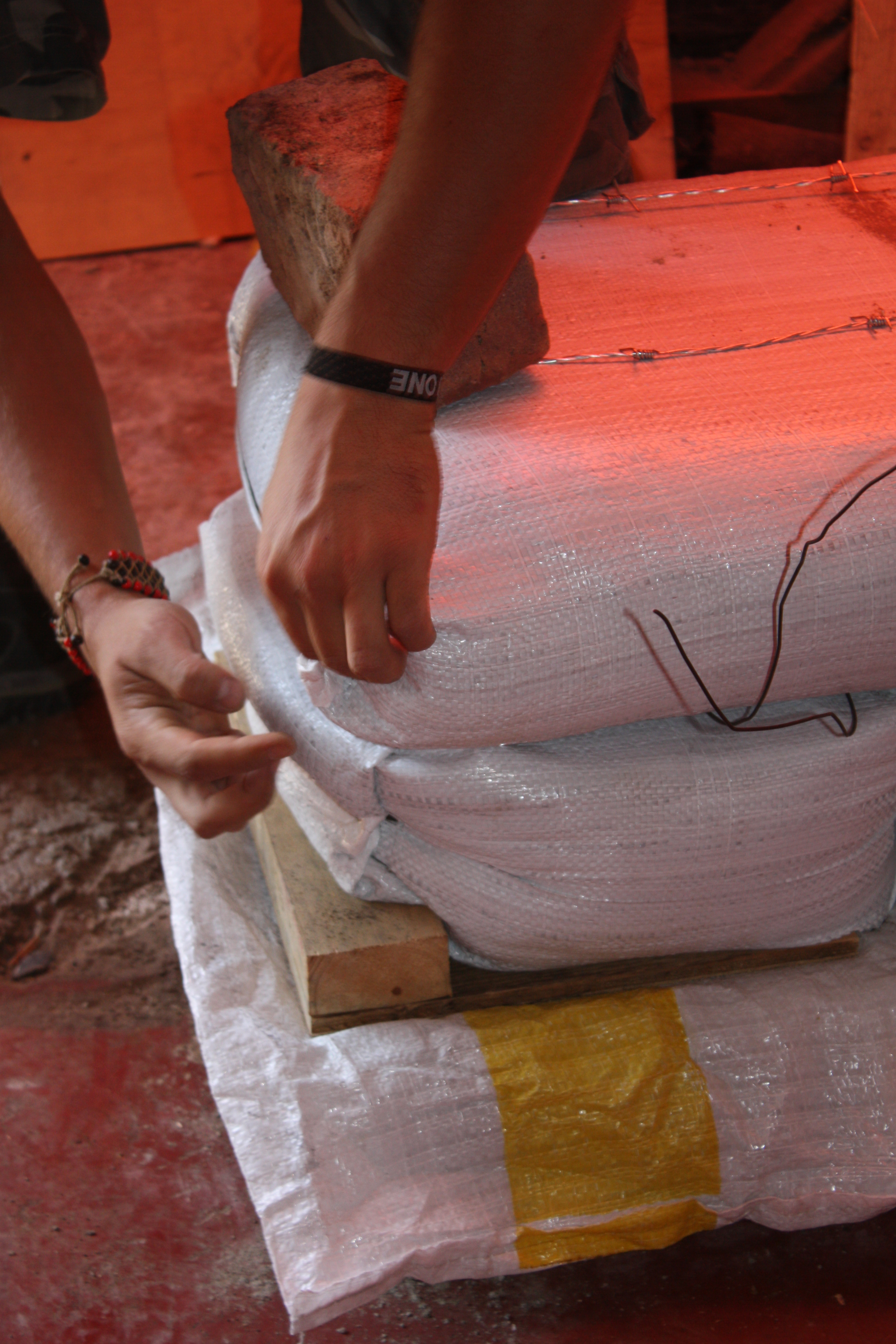
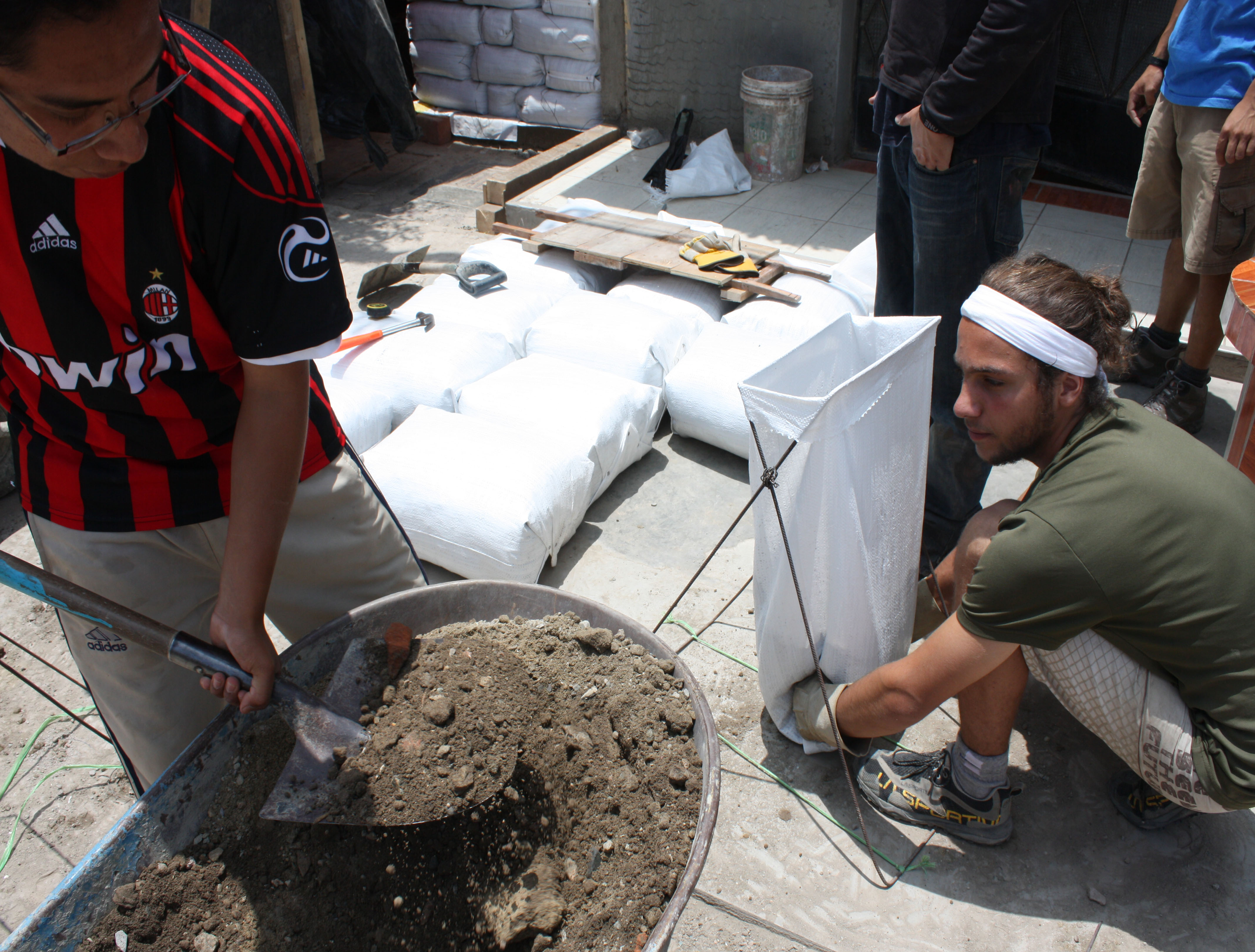
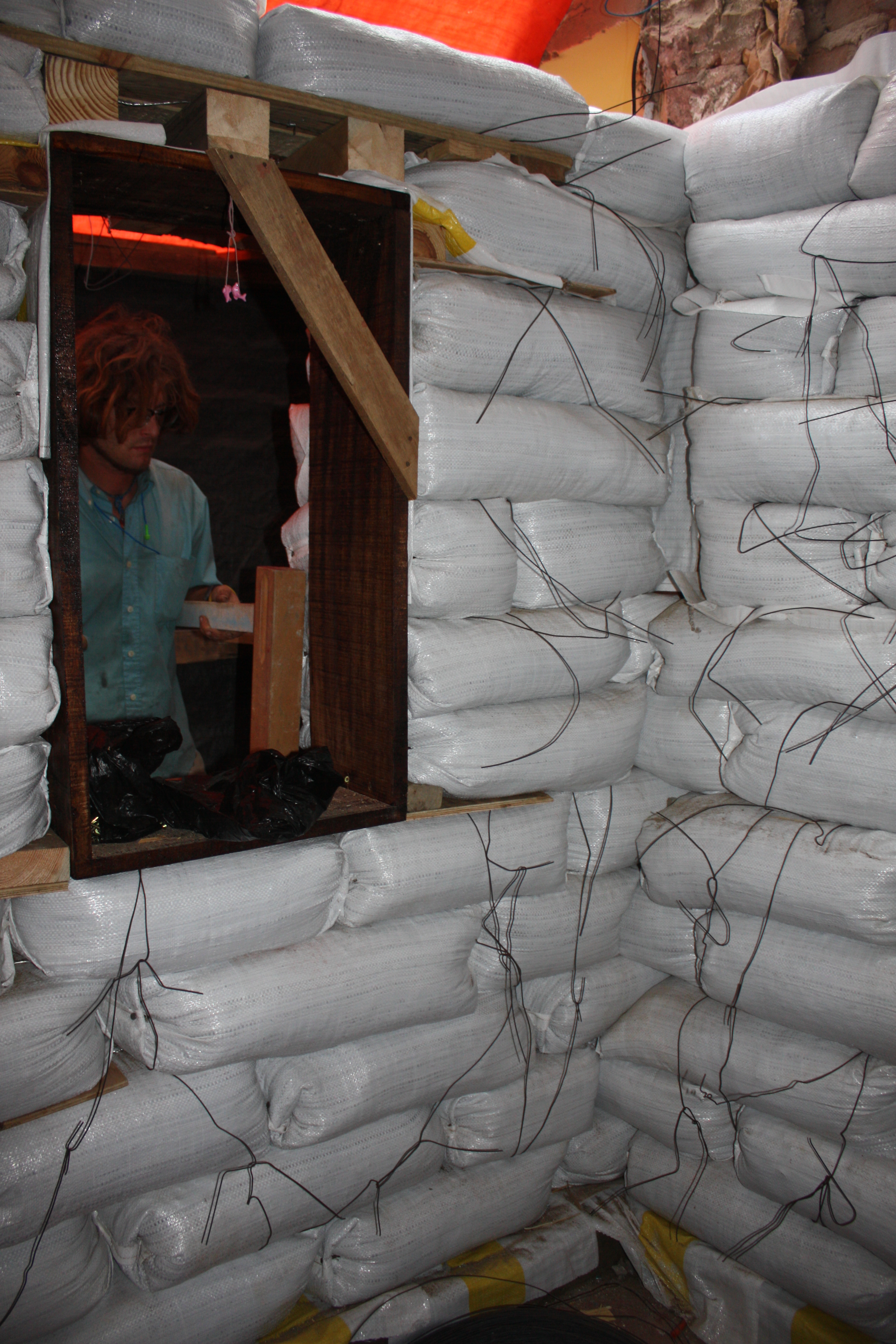
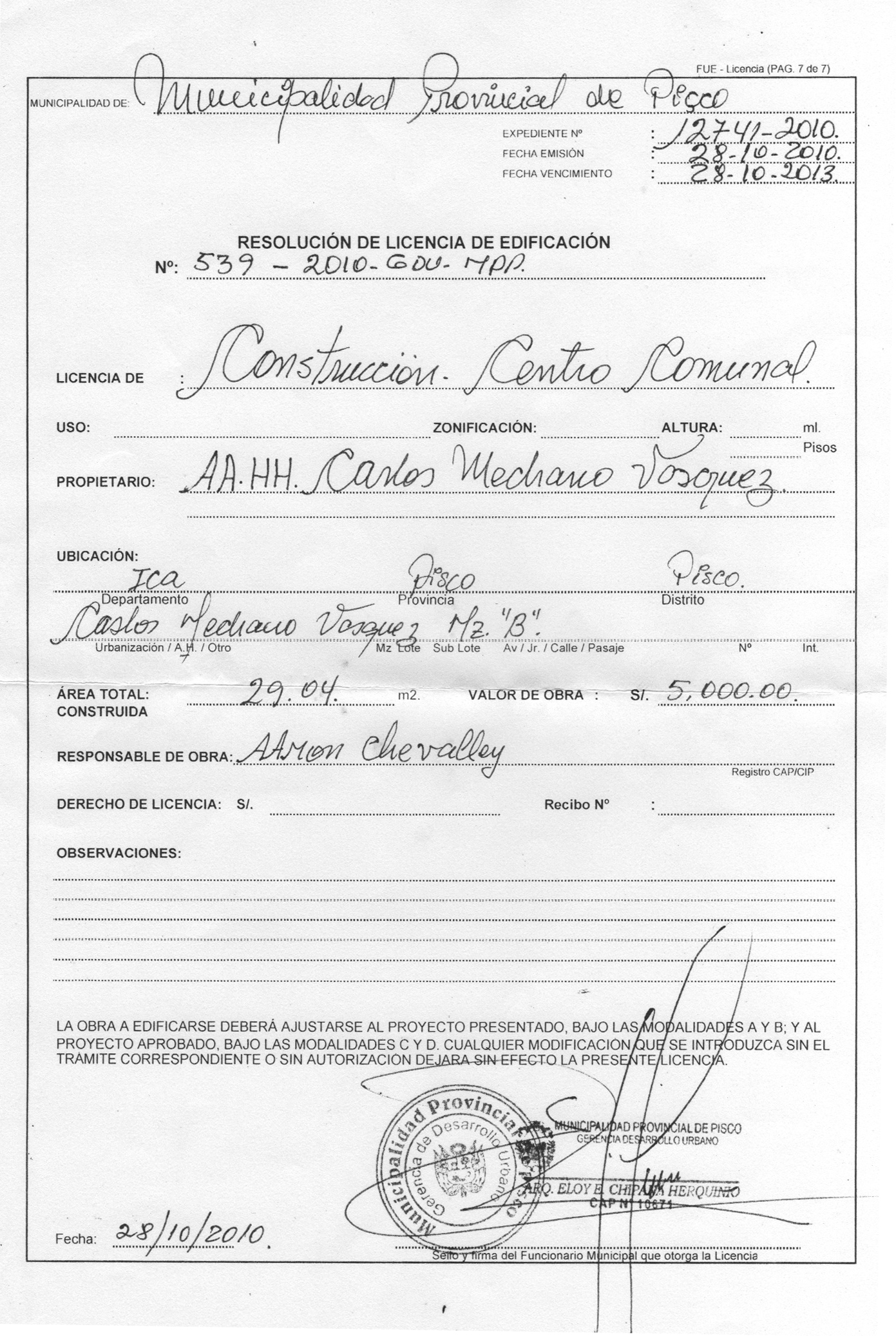
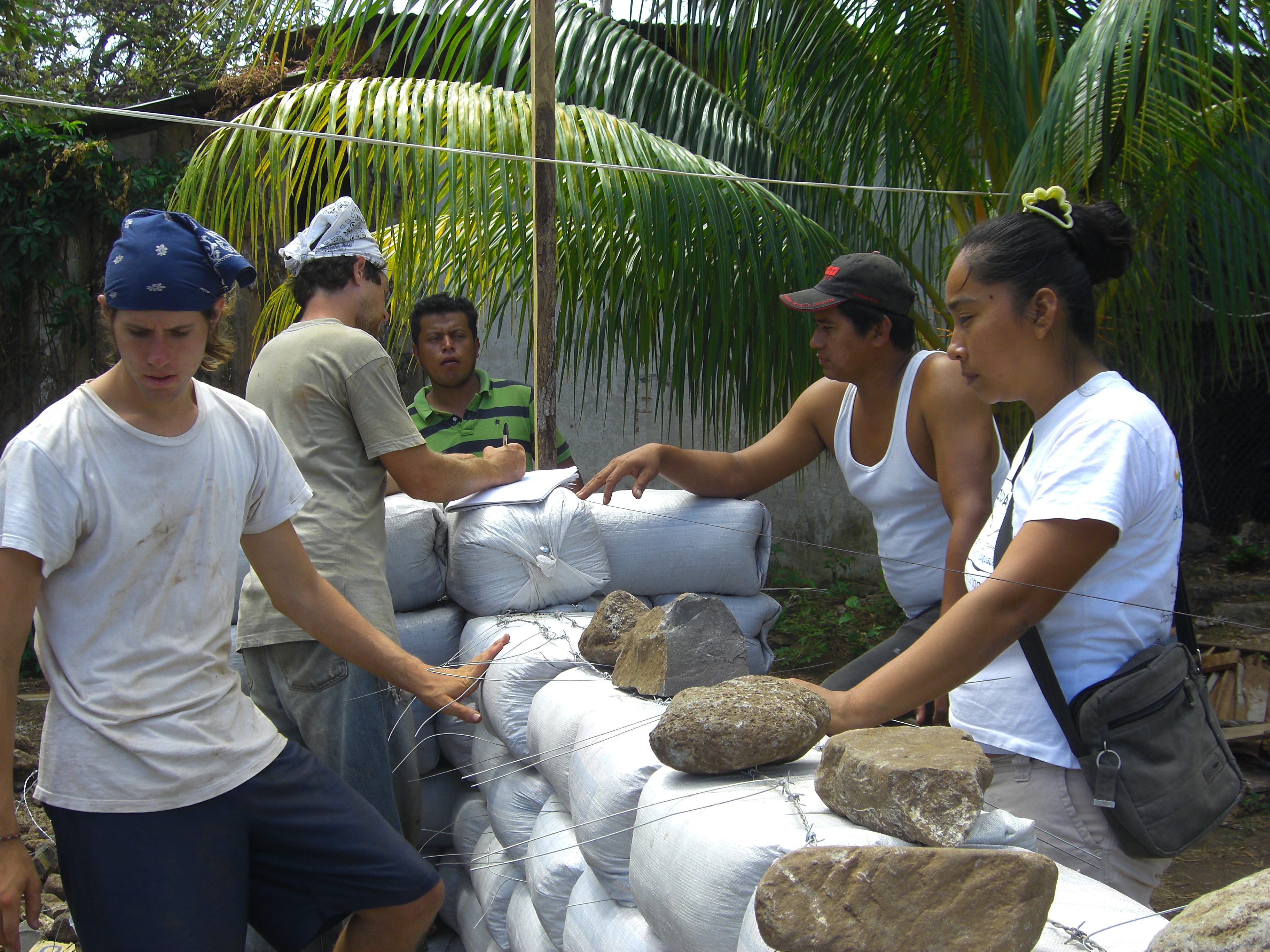
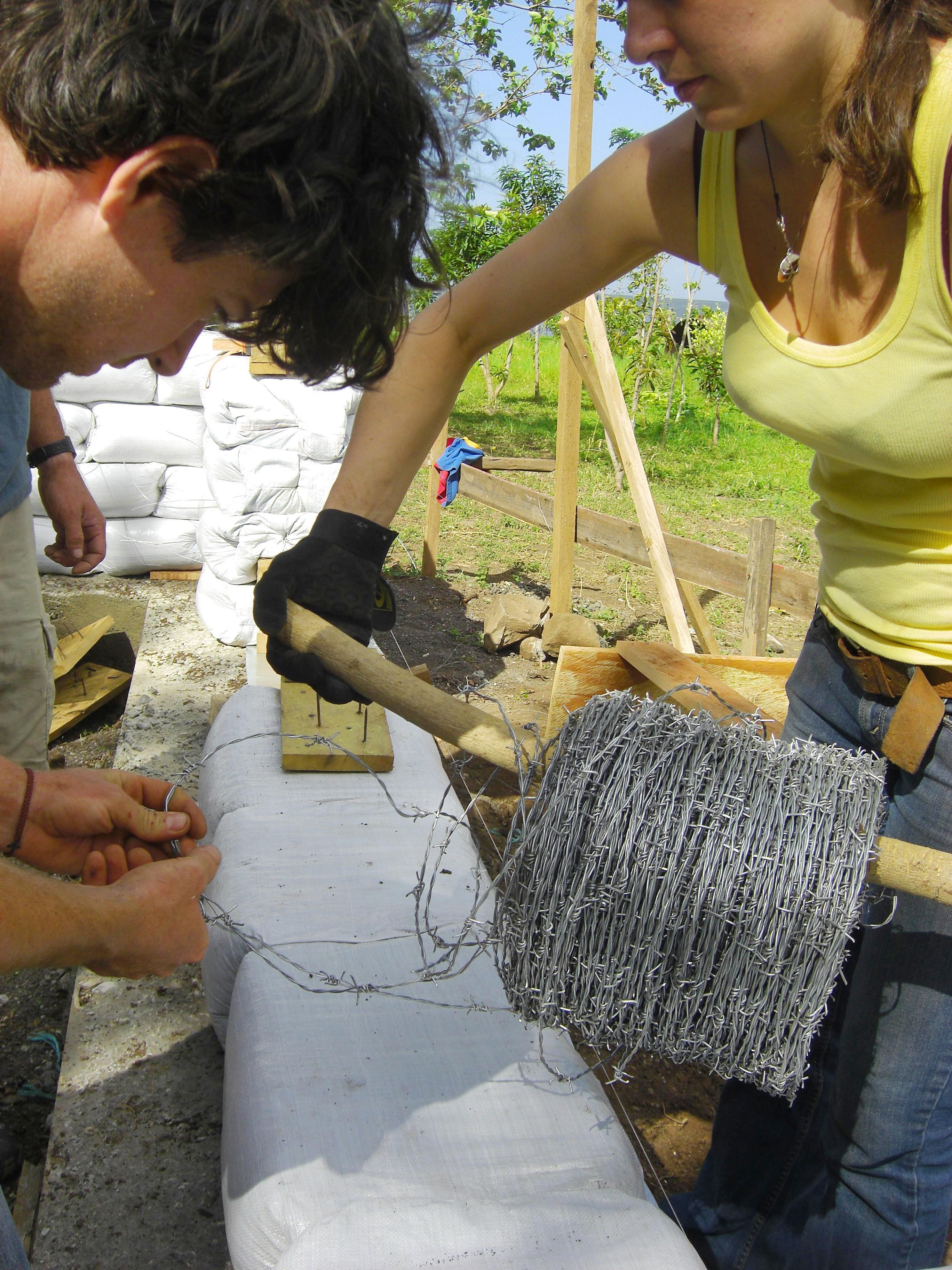
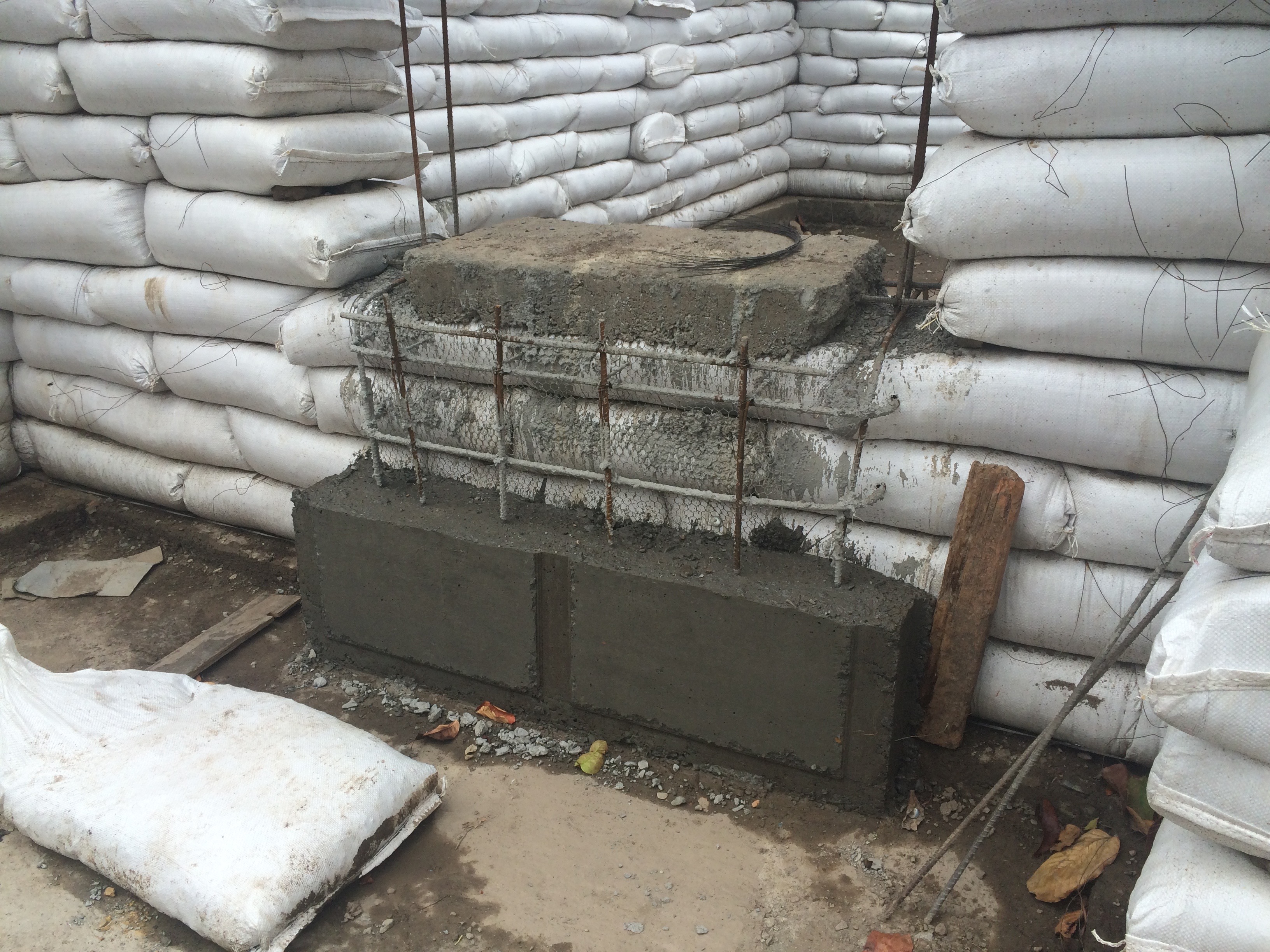
Carmela Vilma Arce Chacallaz, a 65-year-old resident of Pisco, lost her adobe home during the 2007 earthquake and has since lived in precarious conditions with her husband and two sons. After years without municipal support, she sought help from Pisco Sin Fronteras, who initiated a project to rebuild her home’s façade using an innovative earthbag construction technique. This method, involving soil-filled sacks reinforced with barbed wire and cement finishing, provides greater resilience against earthquakes while being cost-effective and sustainable. The project included demolishing the unsafe façade, building a stable base, installing door and window frames, and reinforcing the structure with metal bars. The completed façade offers Carmela improved safety, protection from the elements, and a renewed sense of home.

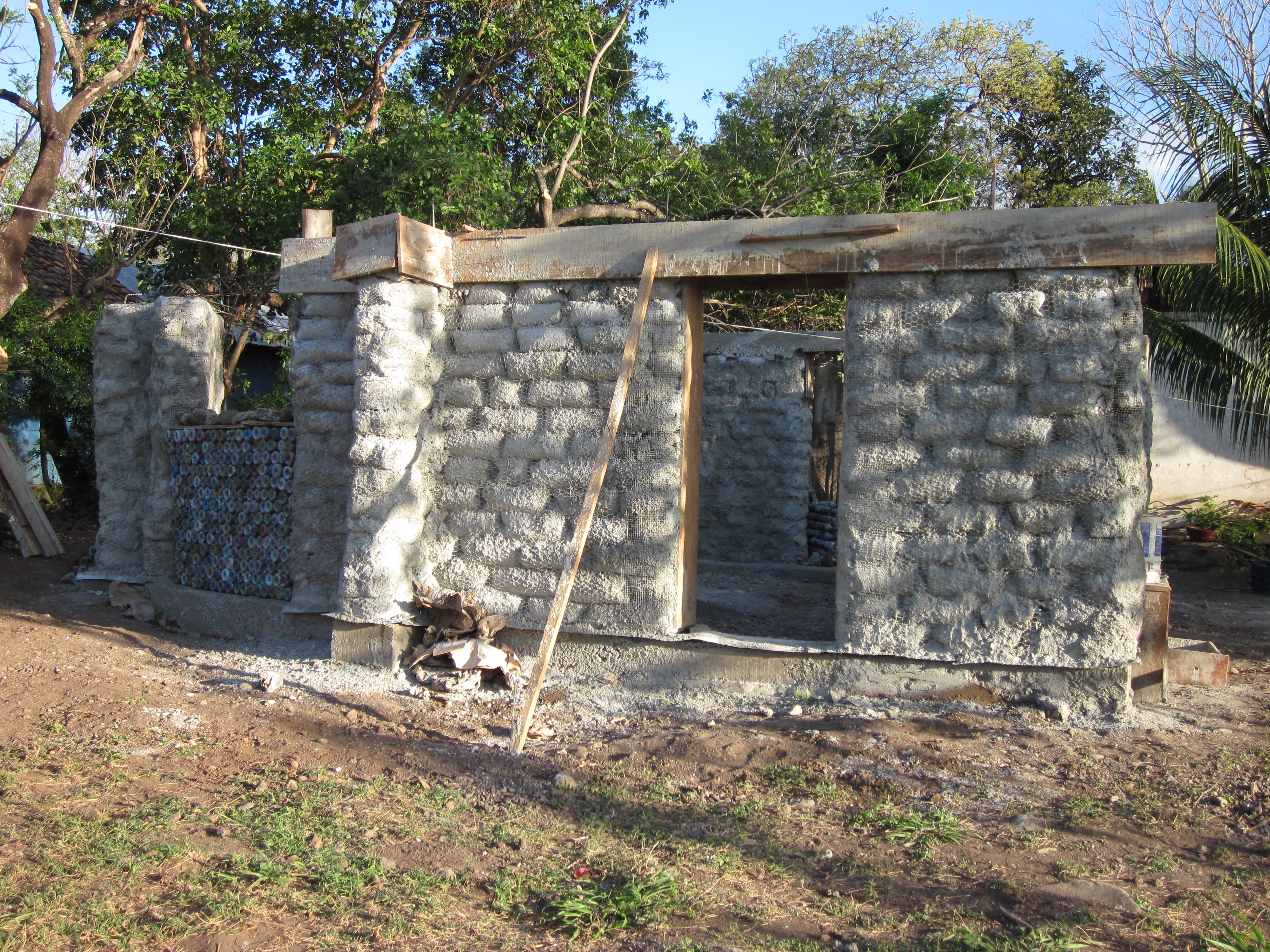
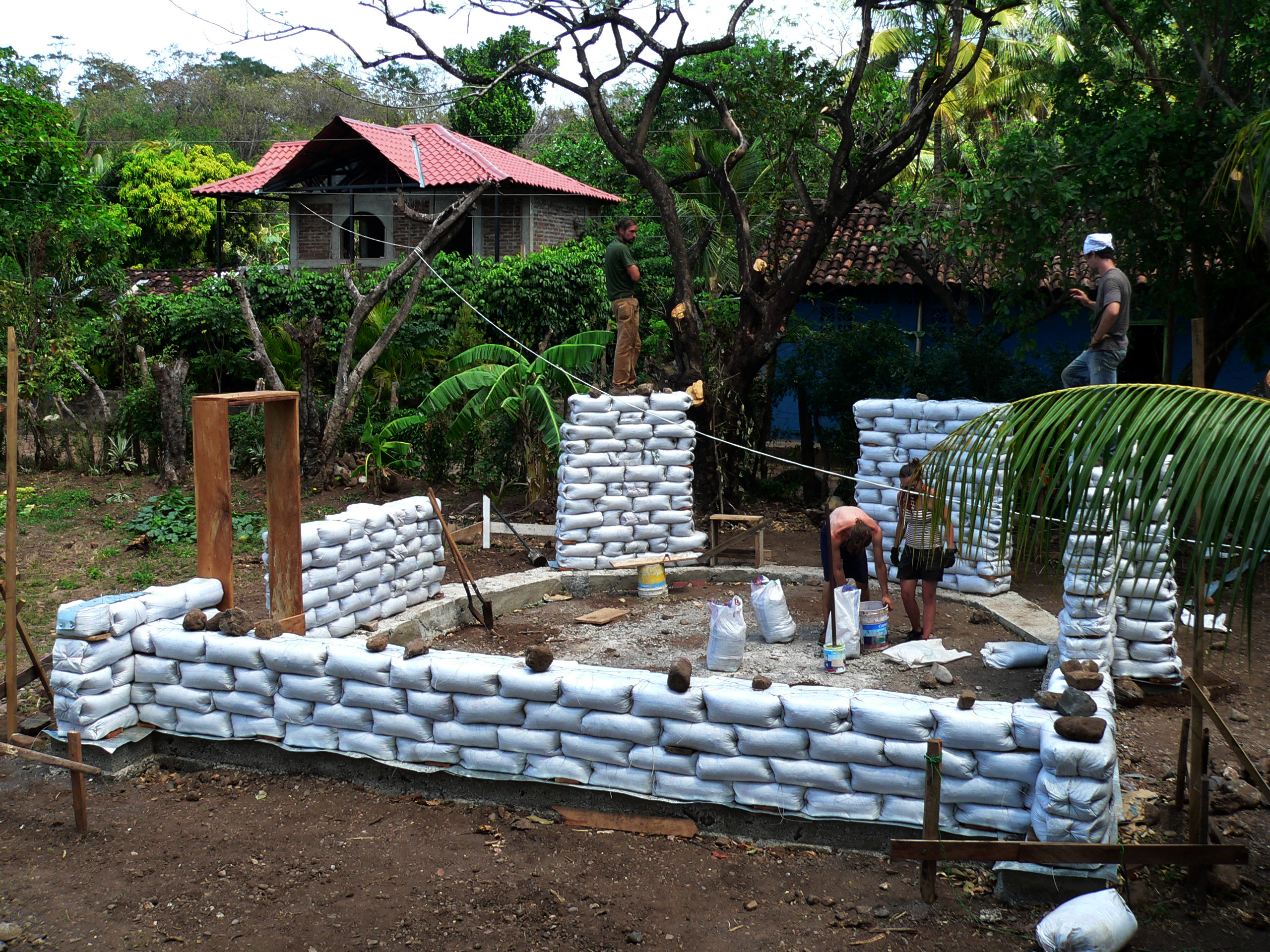
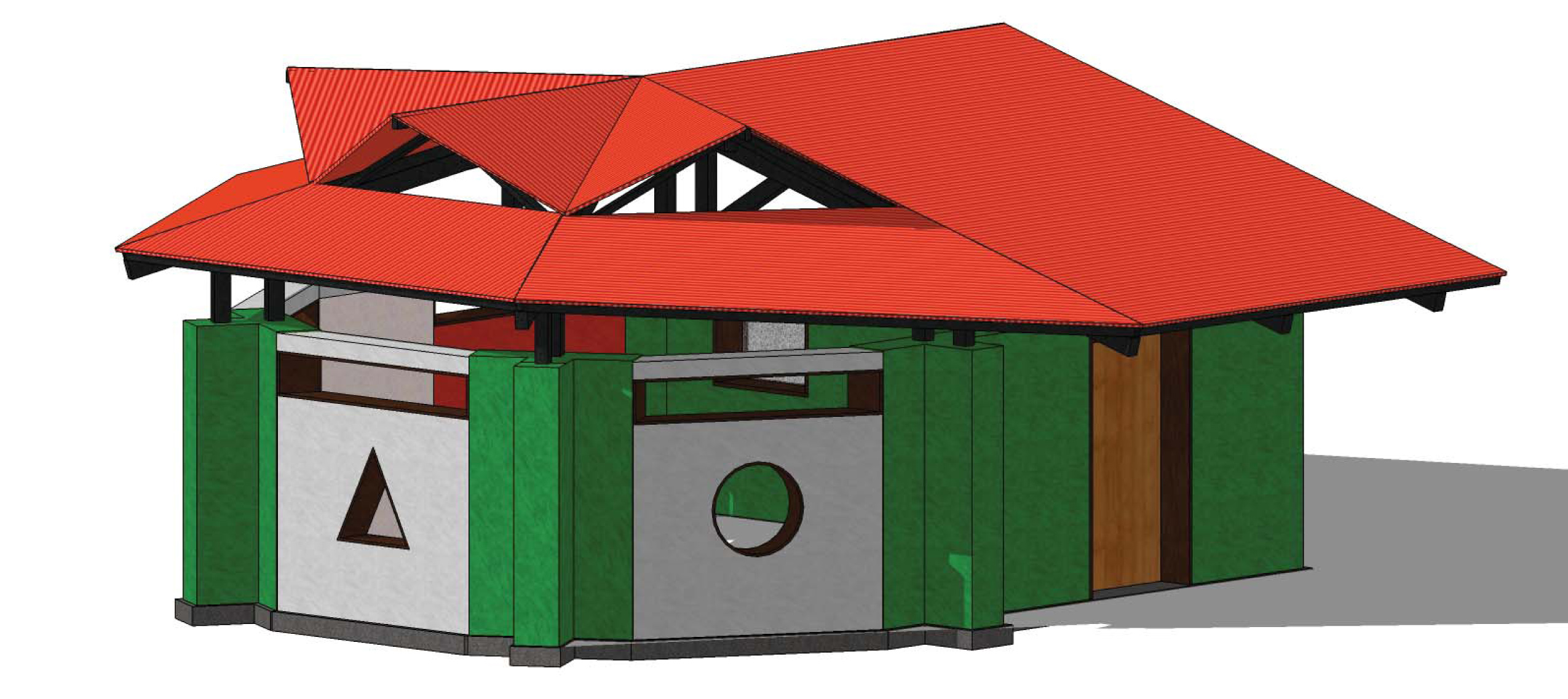
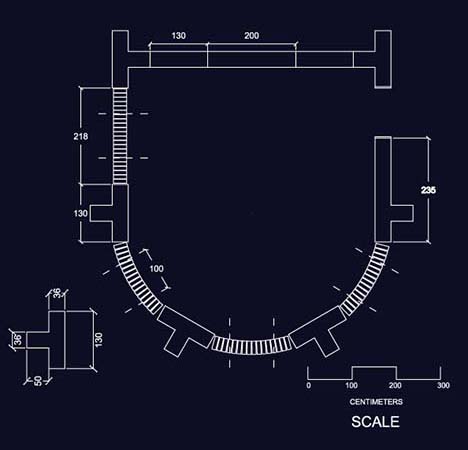
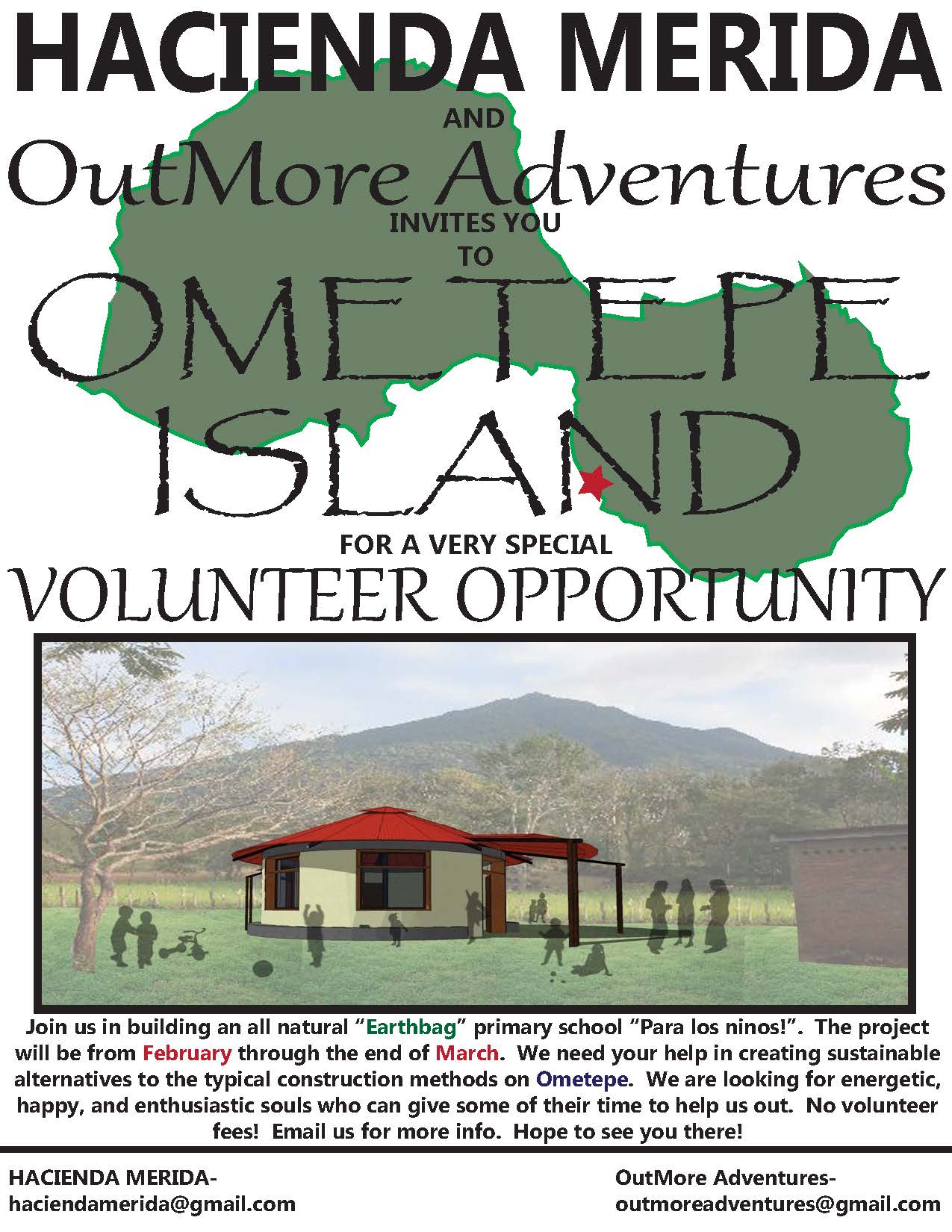
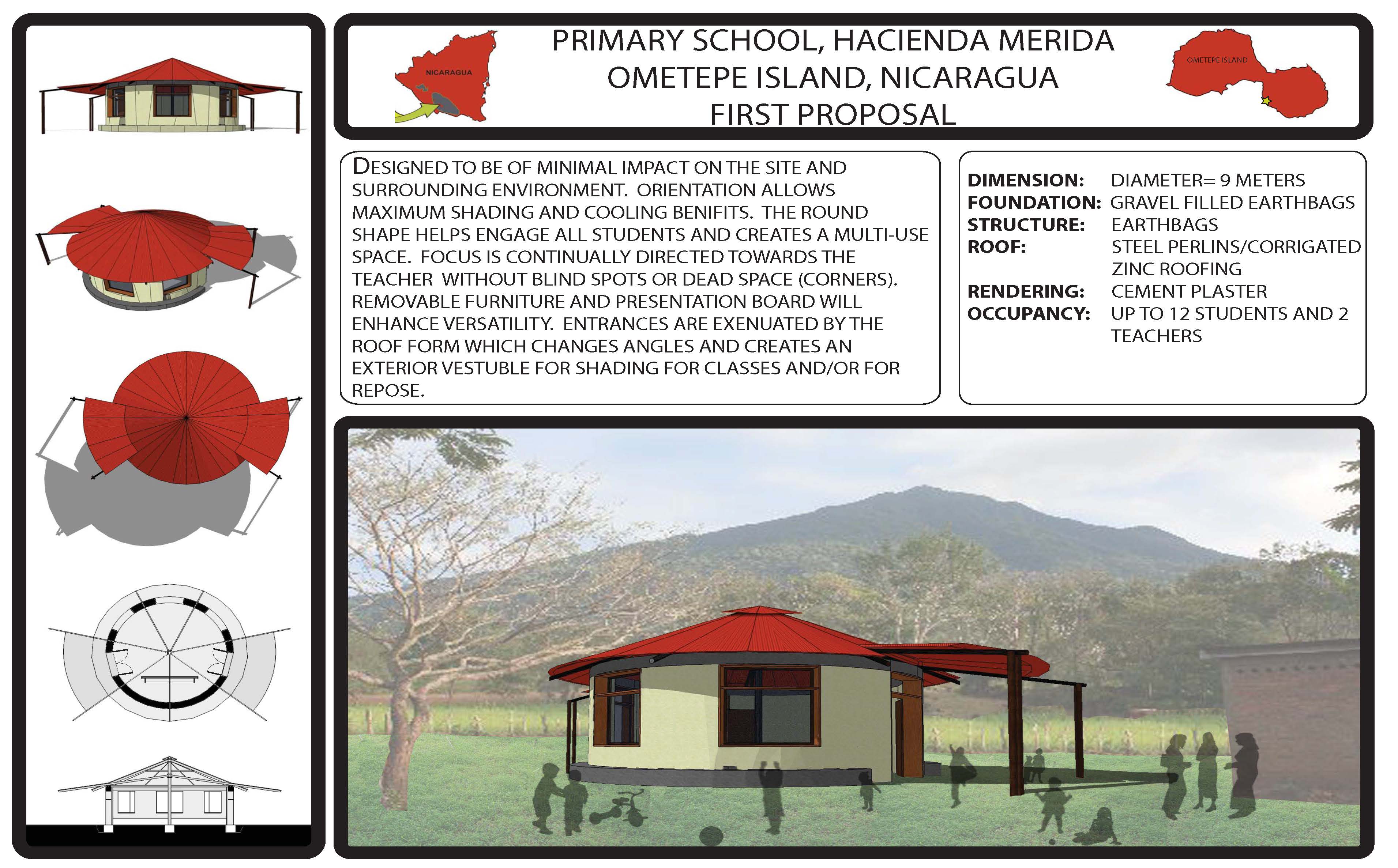
OMETEPE, NICARAGUA.  "English Language Pre-School"

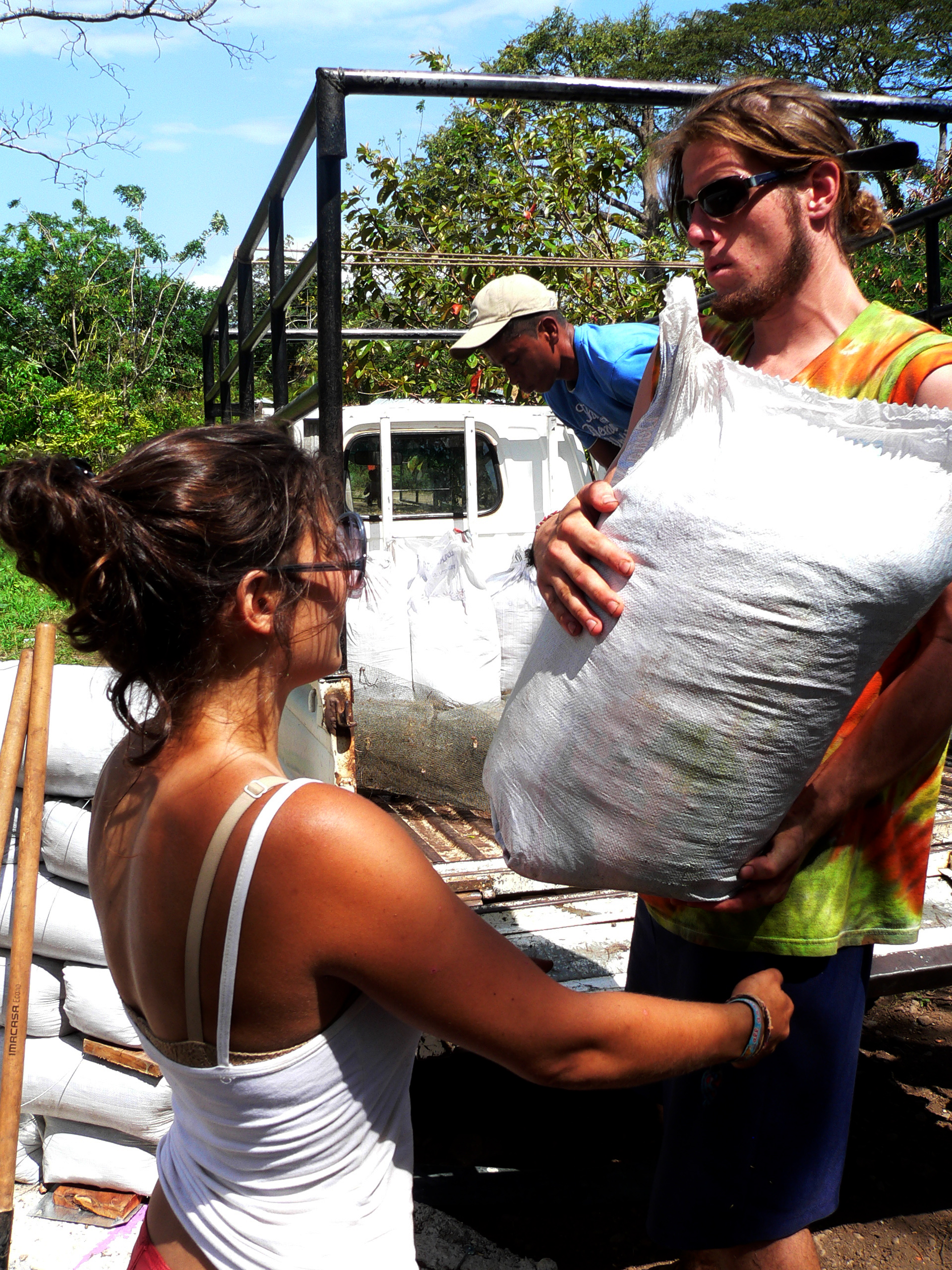
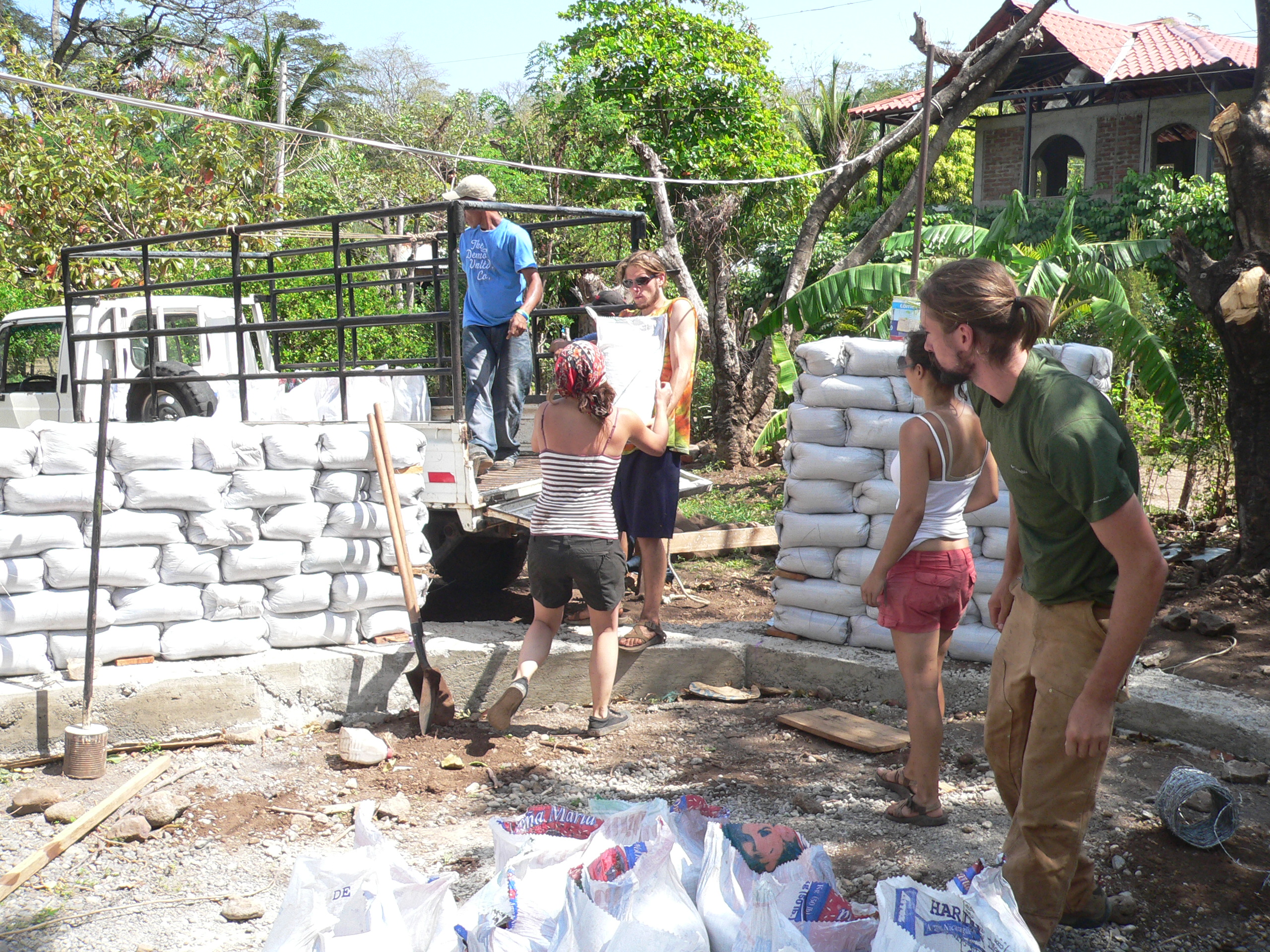
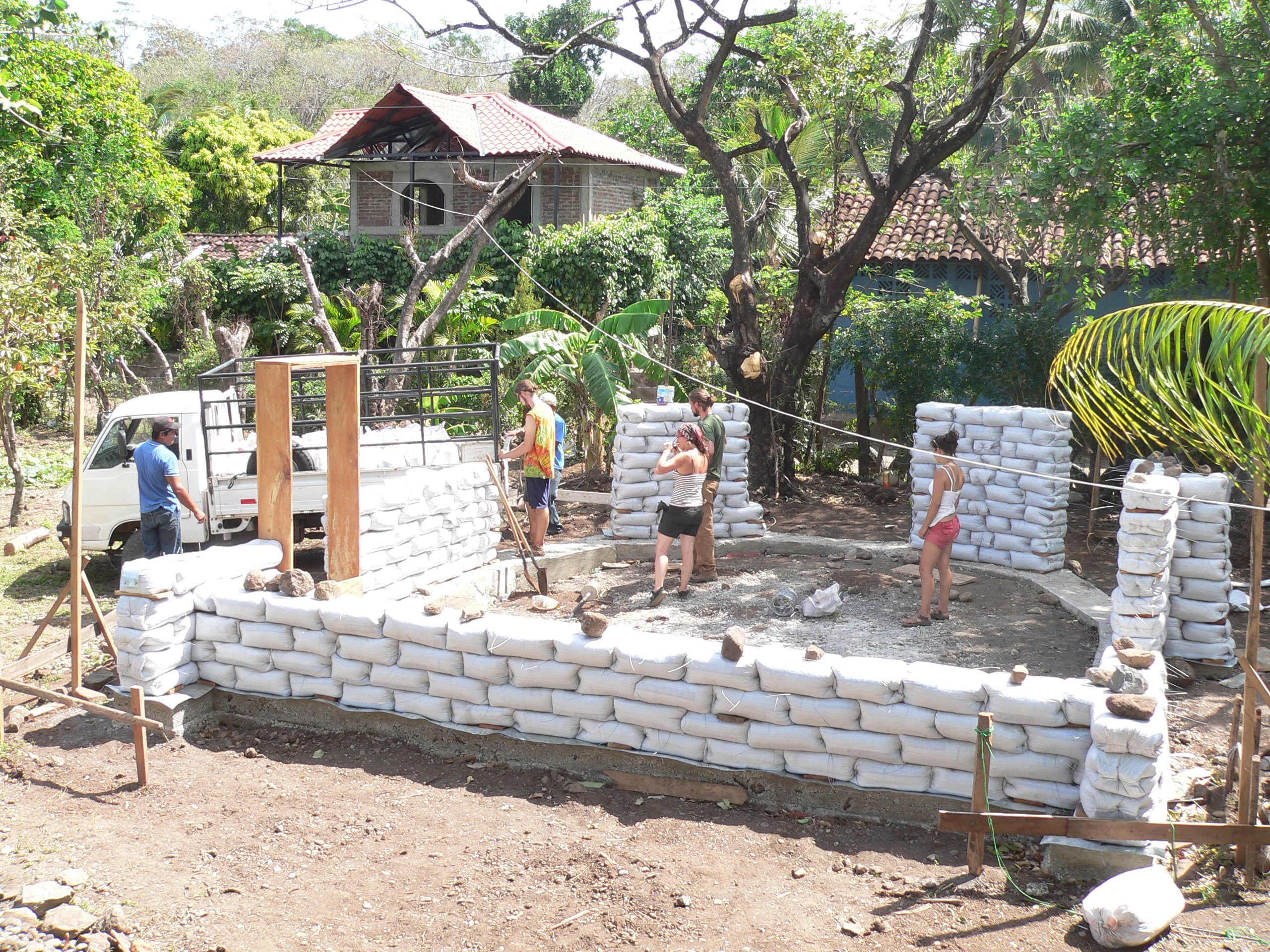
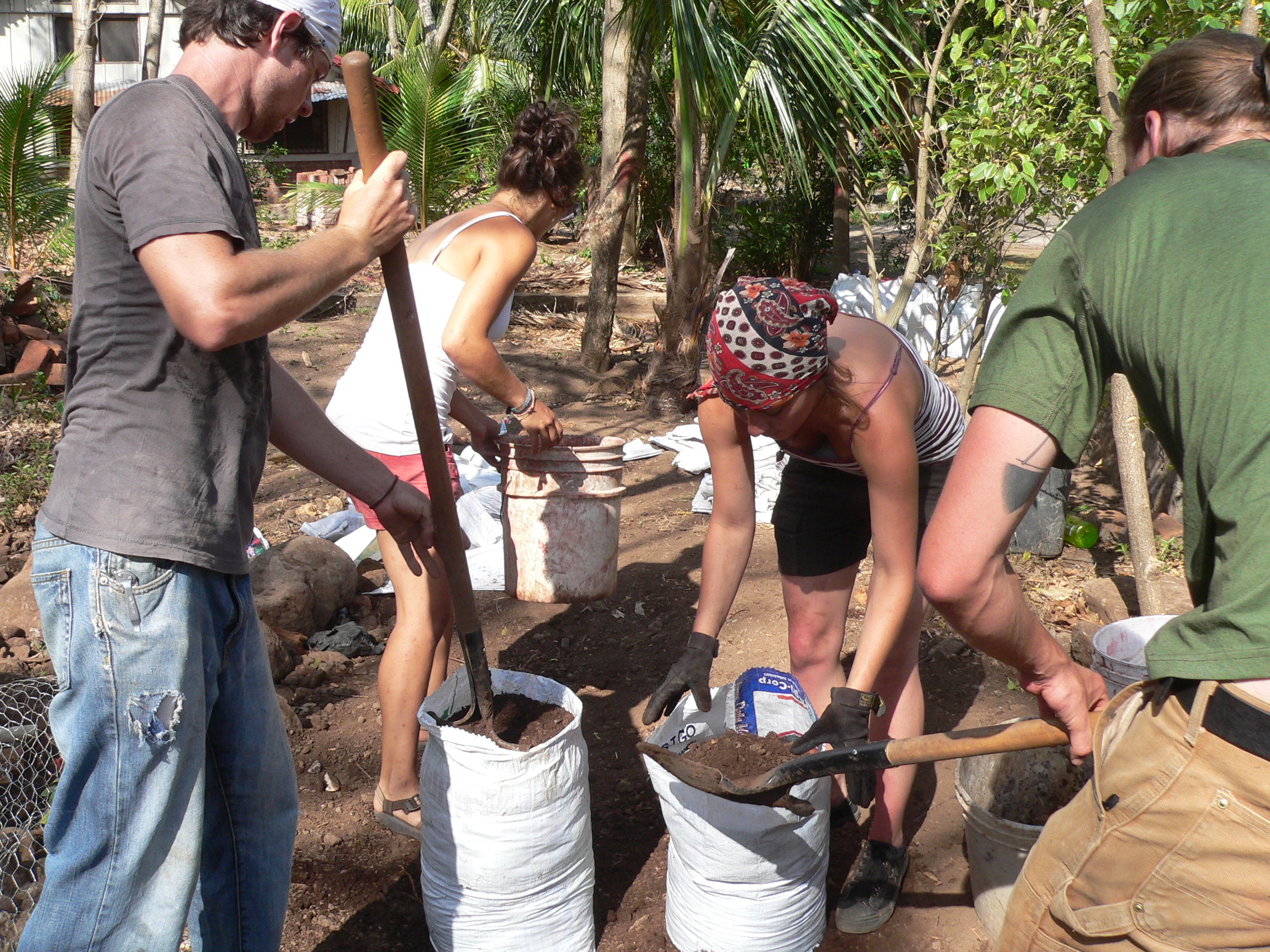
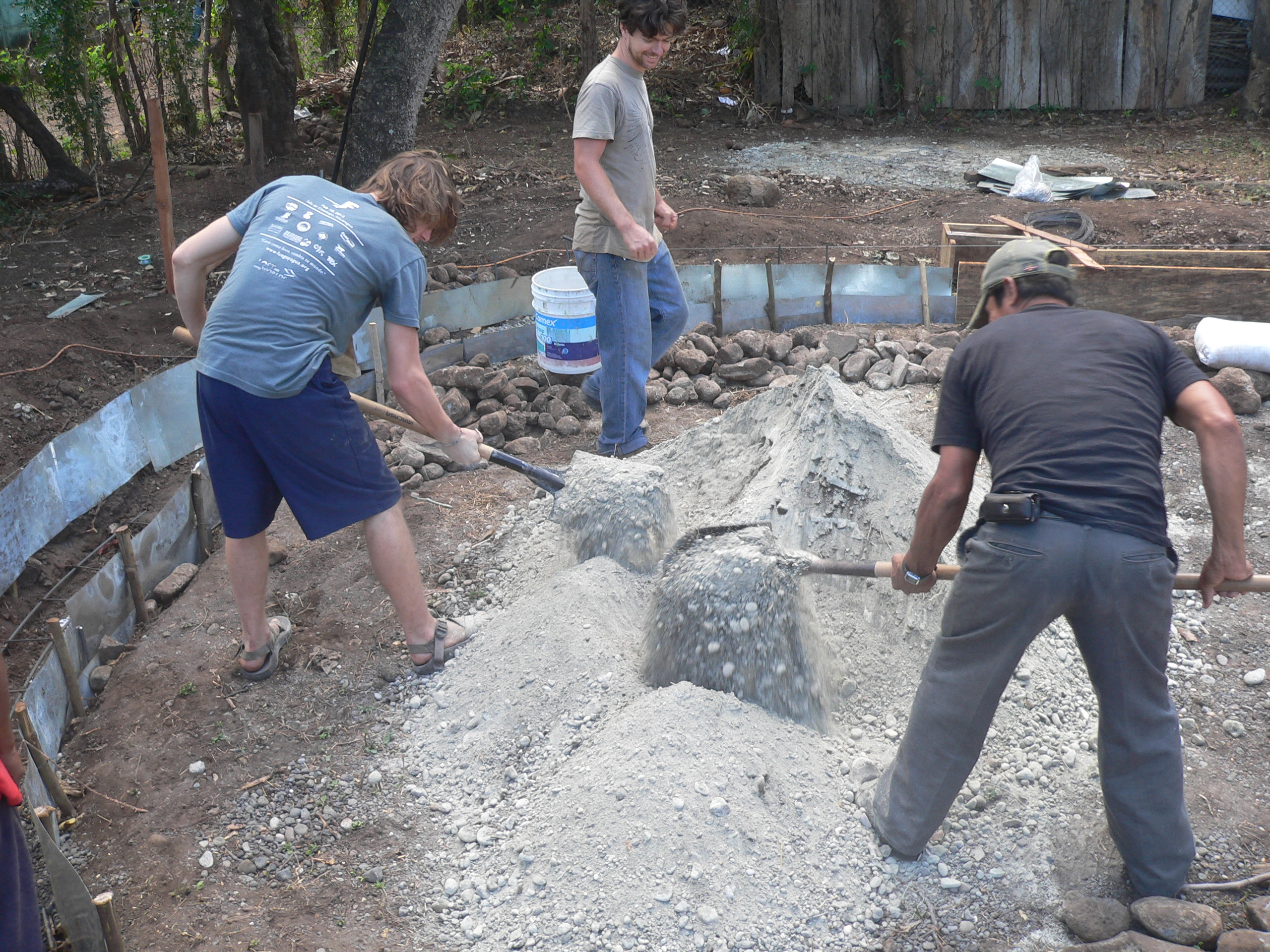
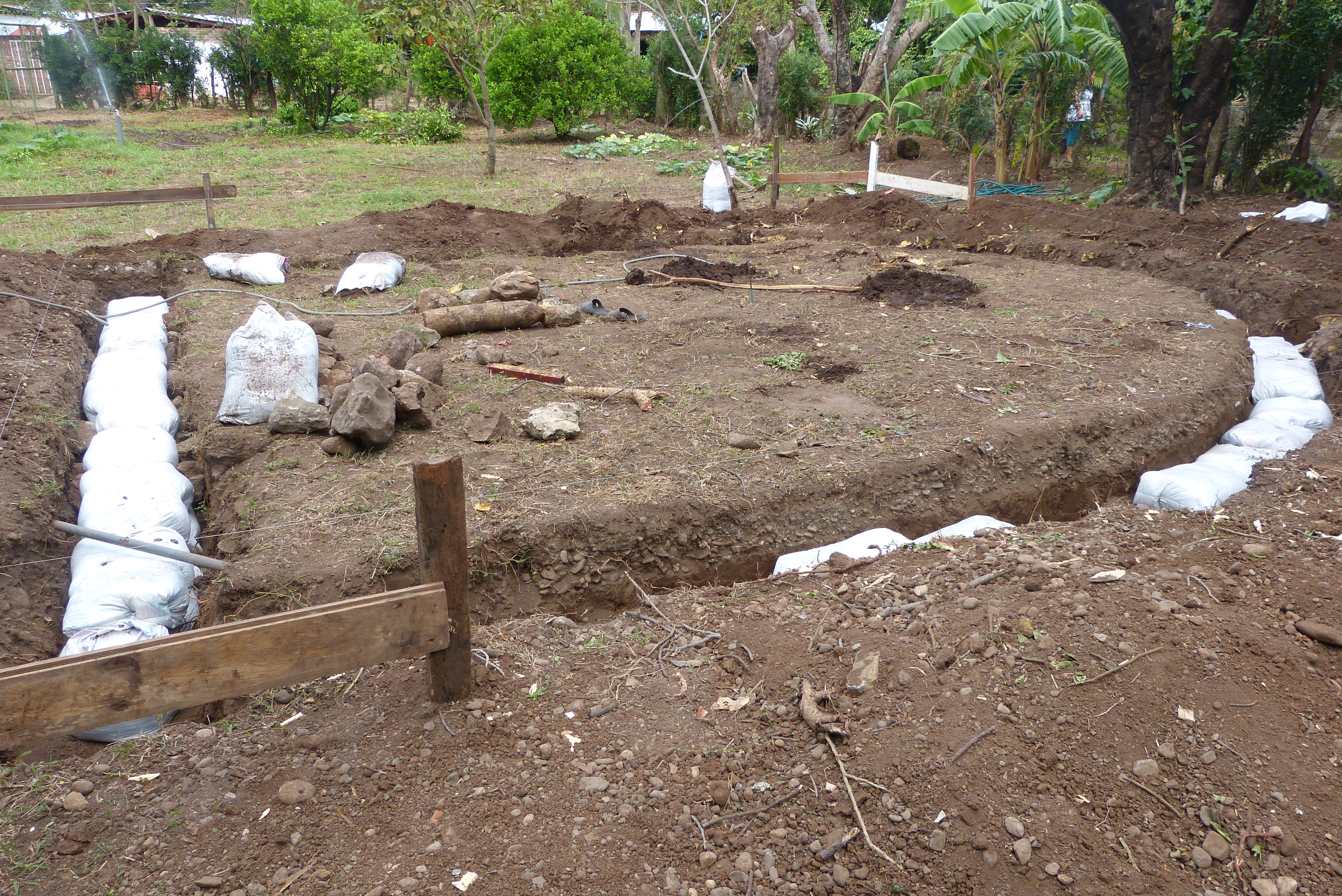
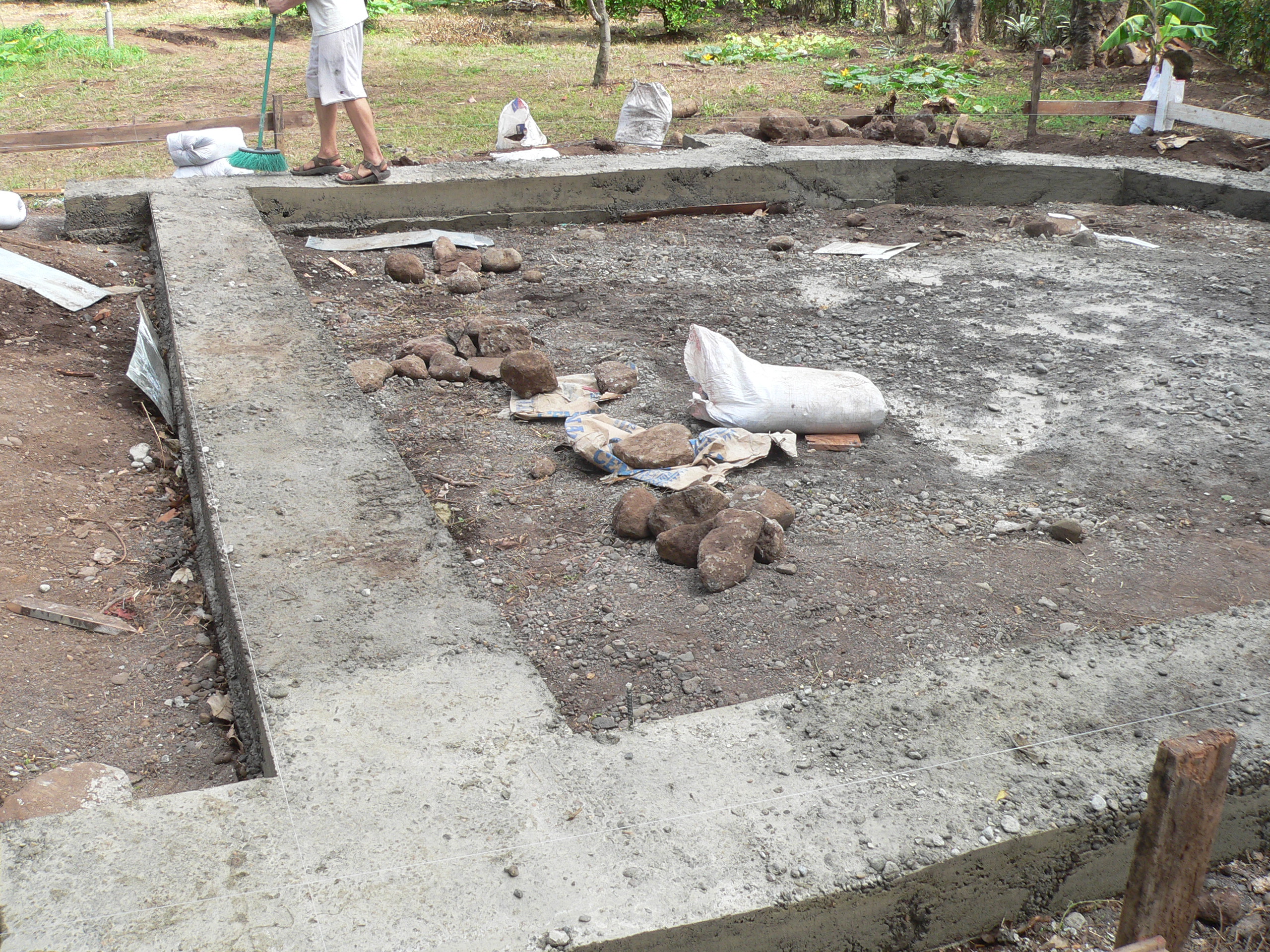
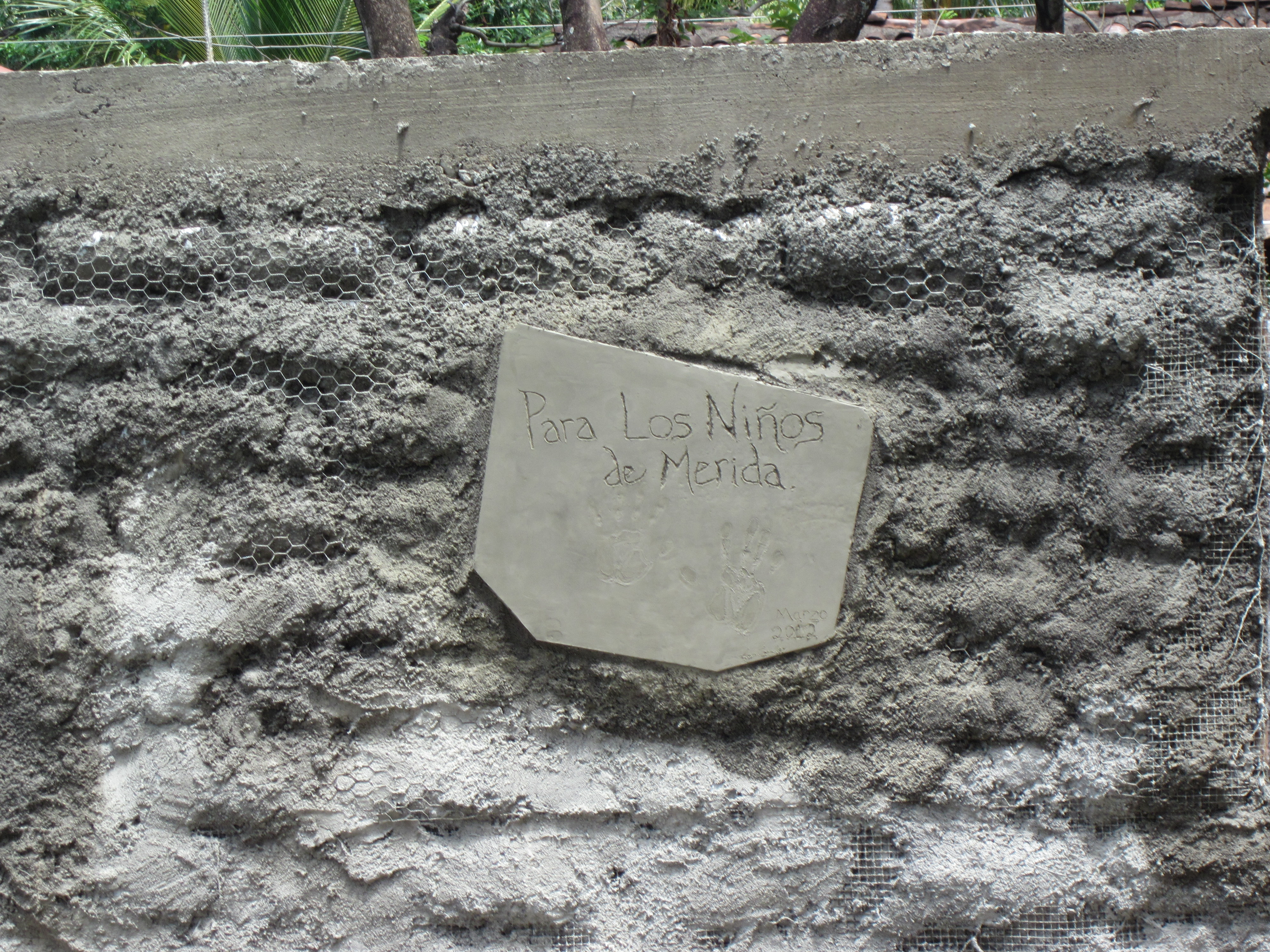
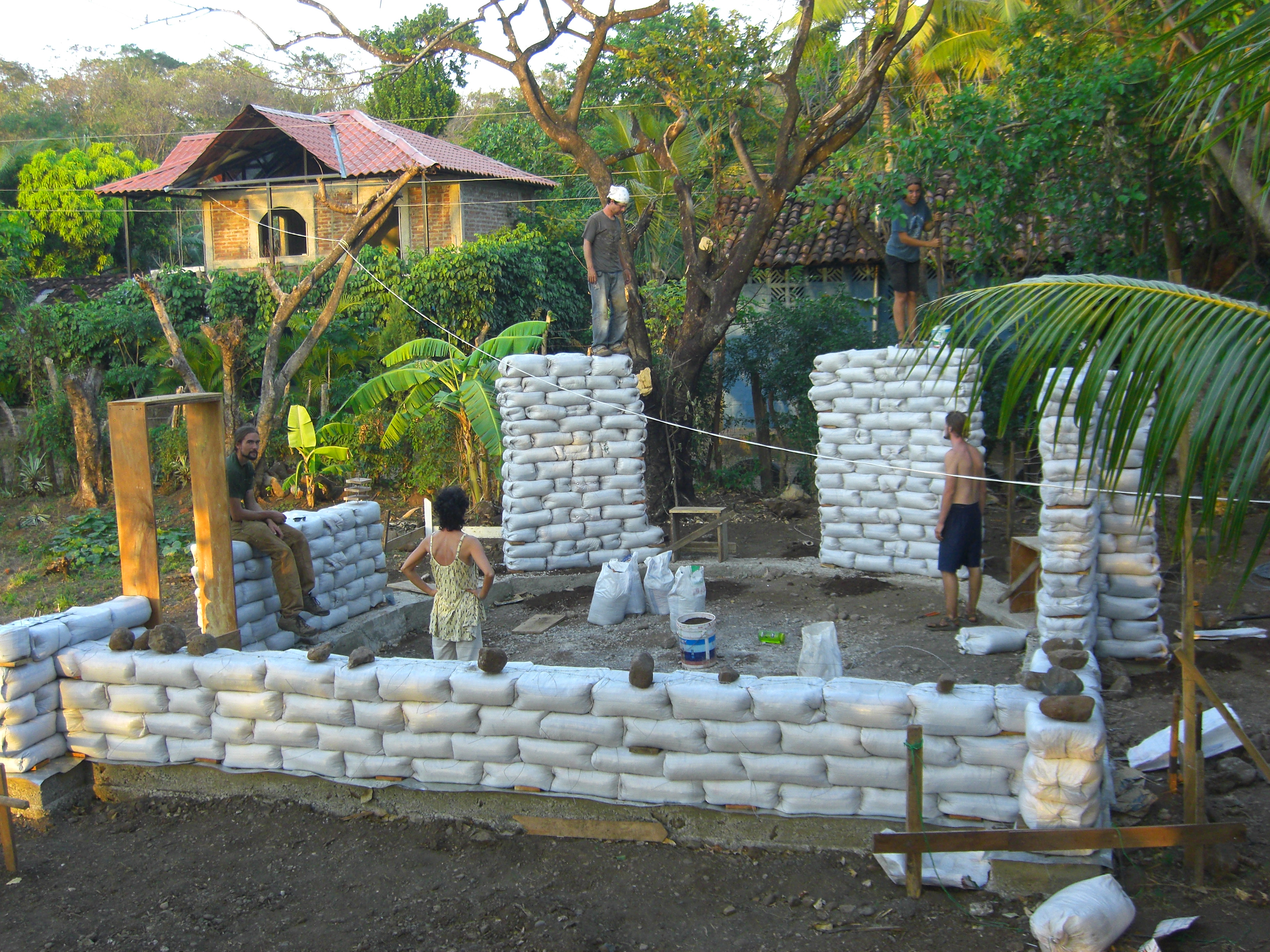
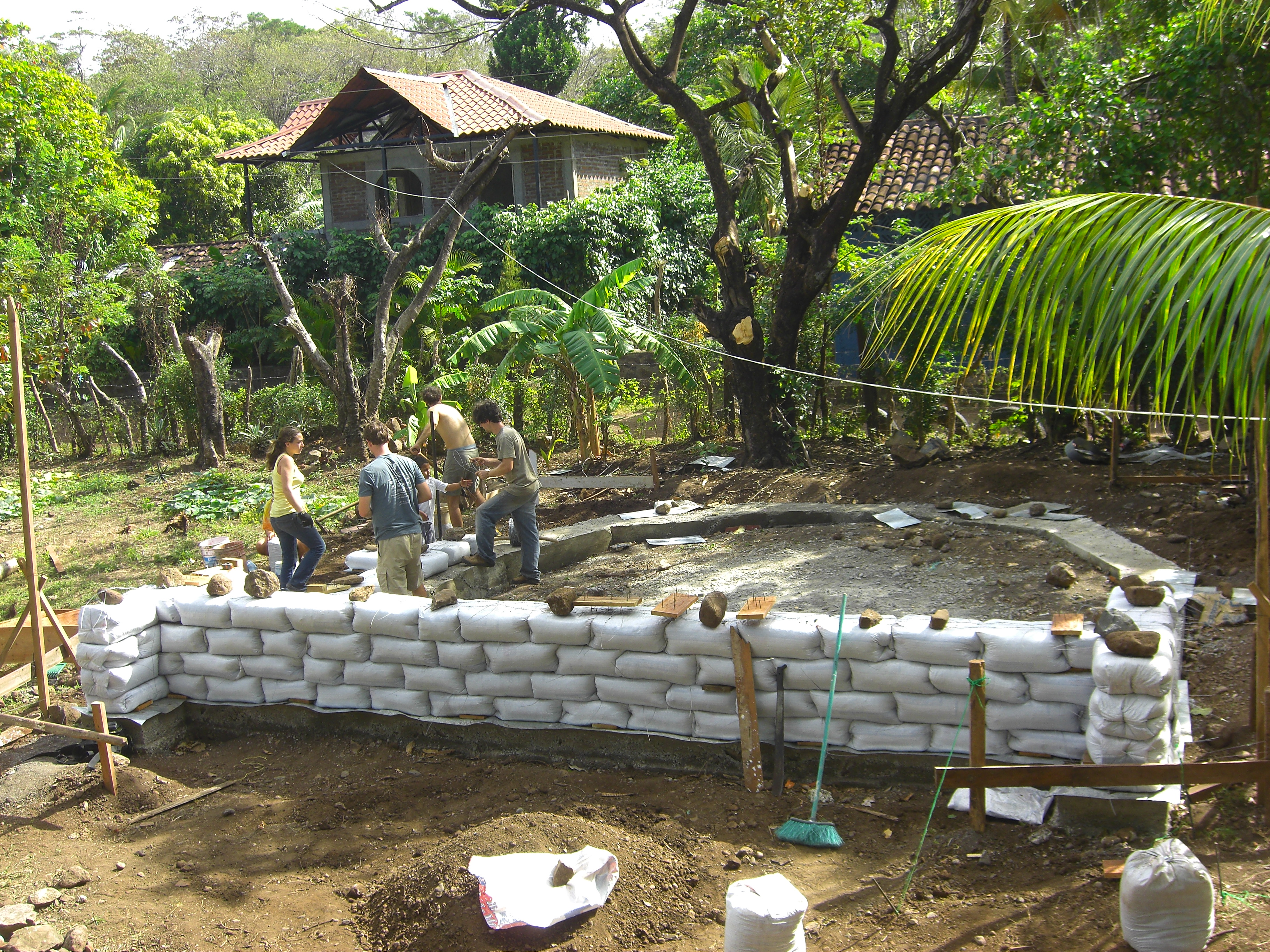
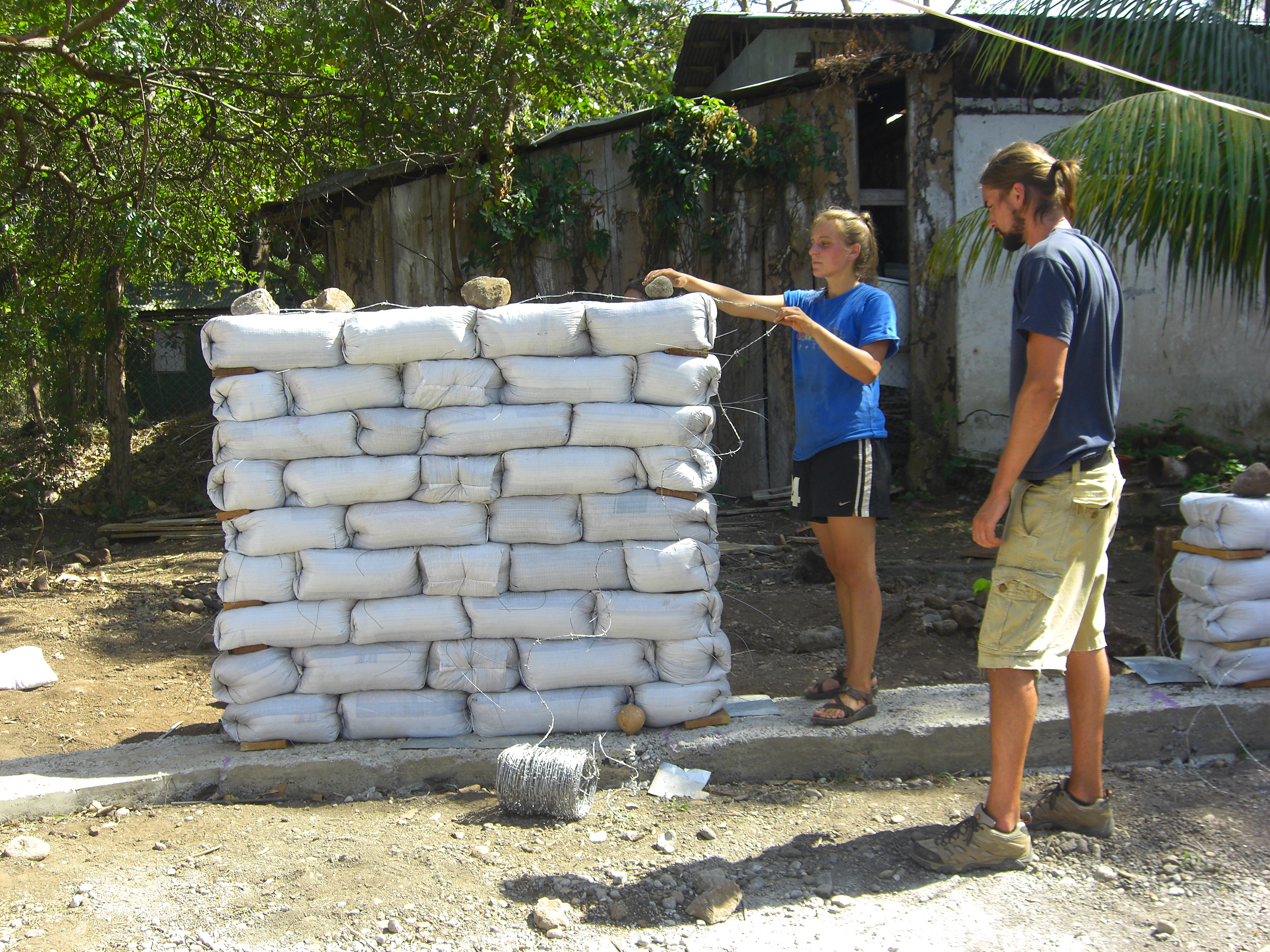
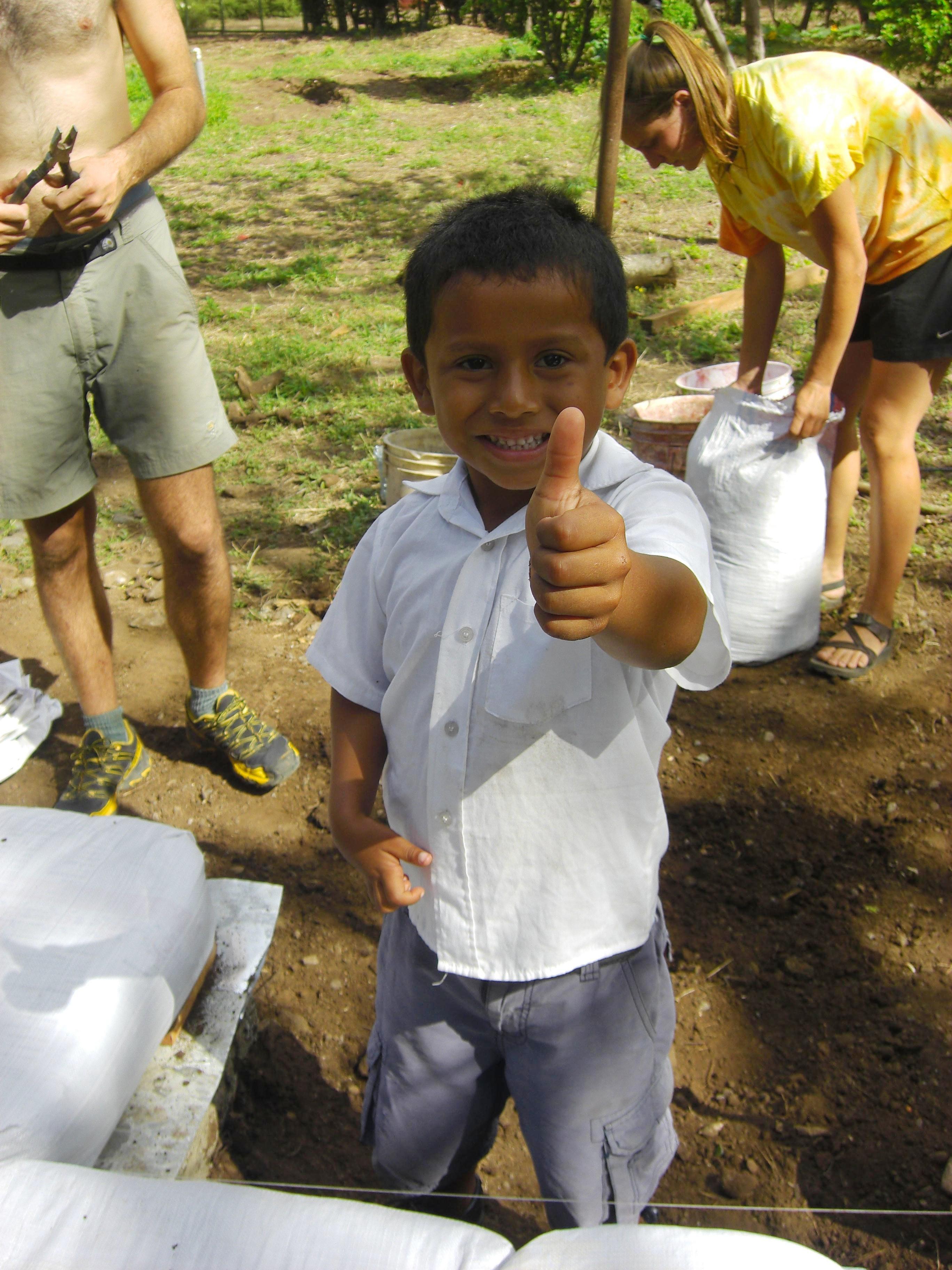
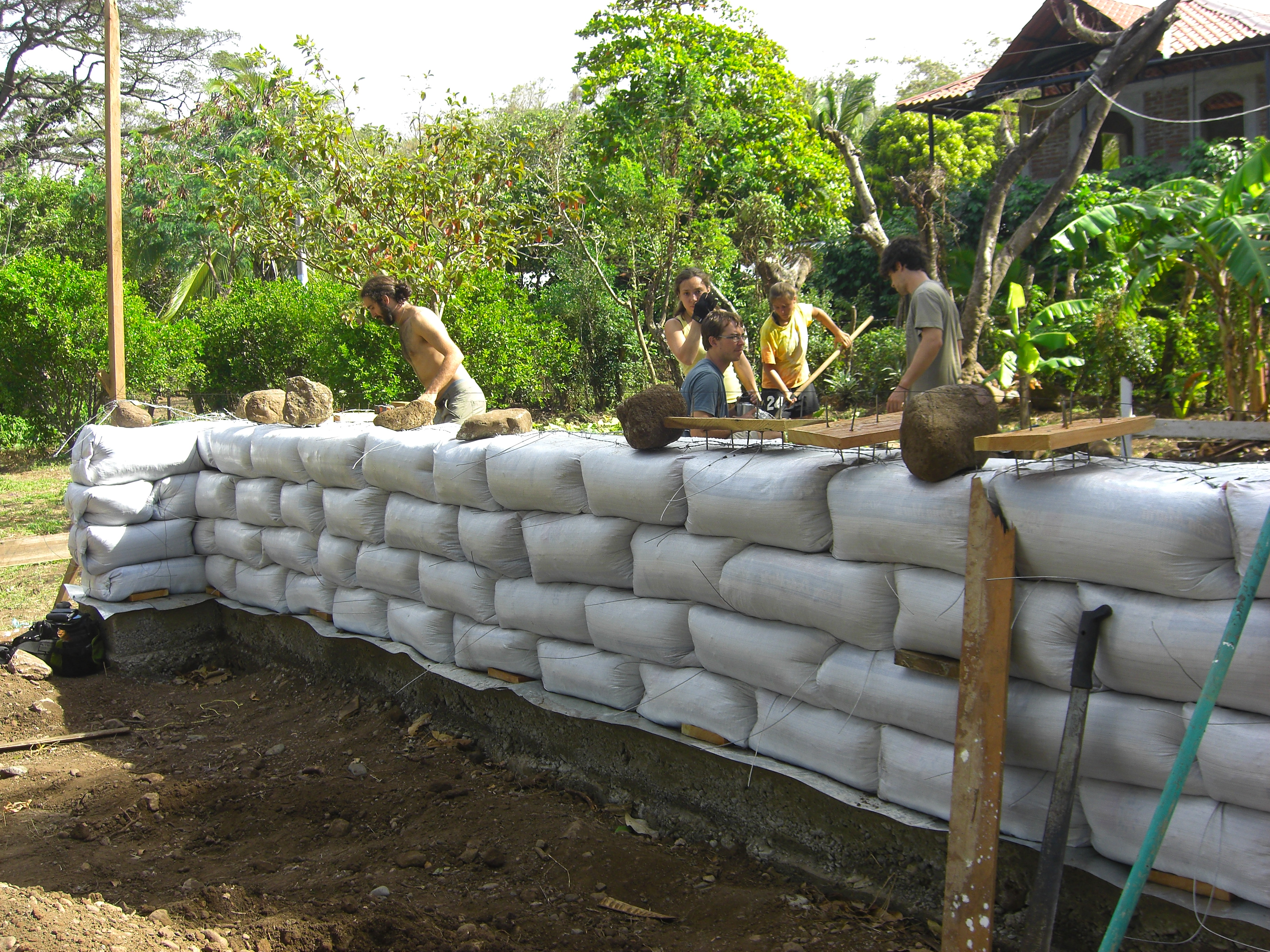
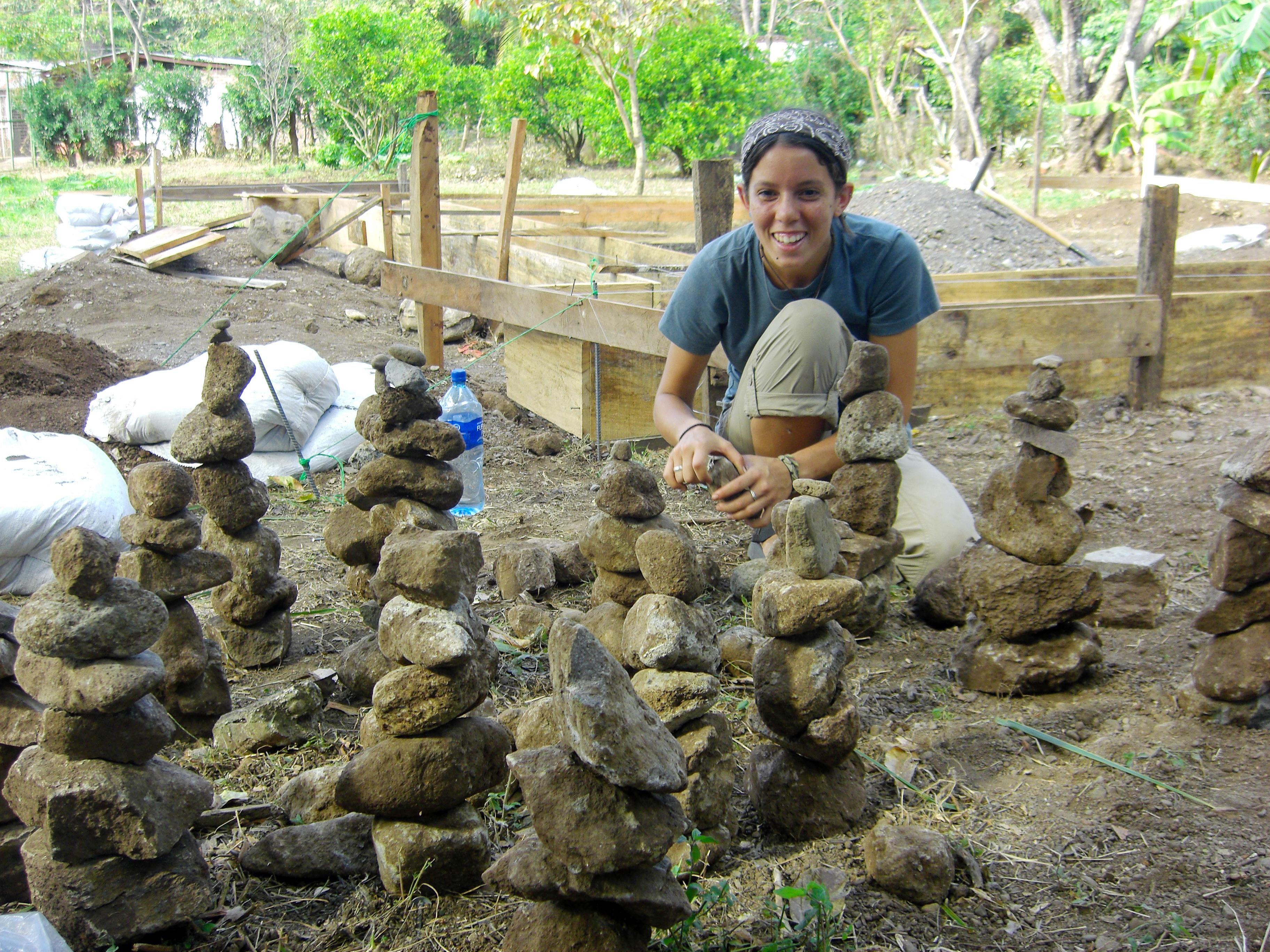
The Ometepe Earthbag Construction proposal, developed in collaboration with Outmore Adventures & Hacienda Merida in Ometepe Island, Nicaragua, aims to build affordable, sustainable, and secure housing for families in need on Ometepe Island. The initiative relies on earthbag construction methods while teaching these techniques to locals to empower long-term self-sufficiency. Project execution involves building local support through businesses, community centers, and schools, followed by securing initial grants and funding. Finally, the project plans to attract paying travelers and volunteers to provide hands-on labor and experience.

GAINDAKOT, NEPAL.  "Rural Classrooms"

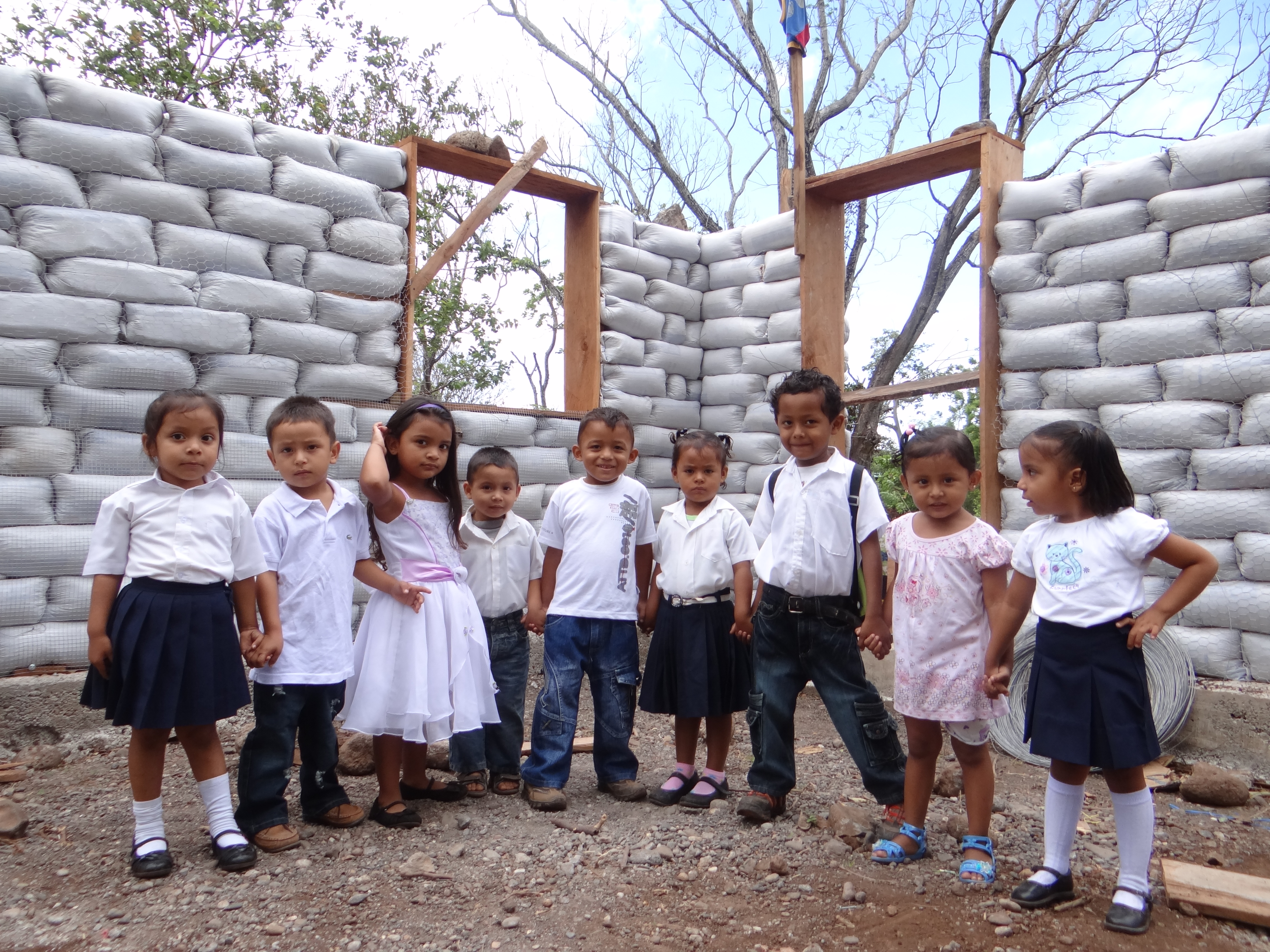
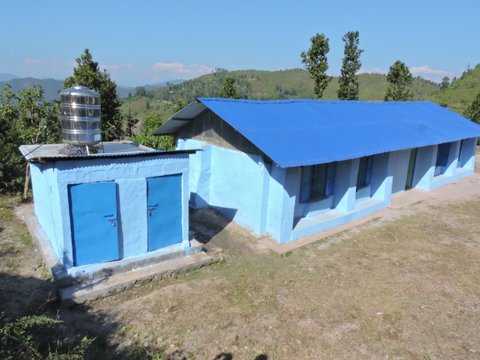
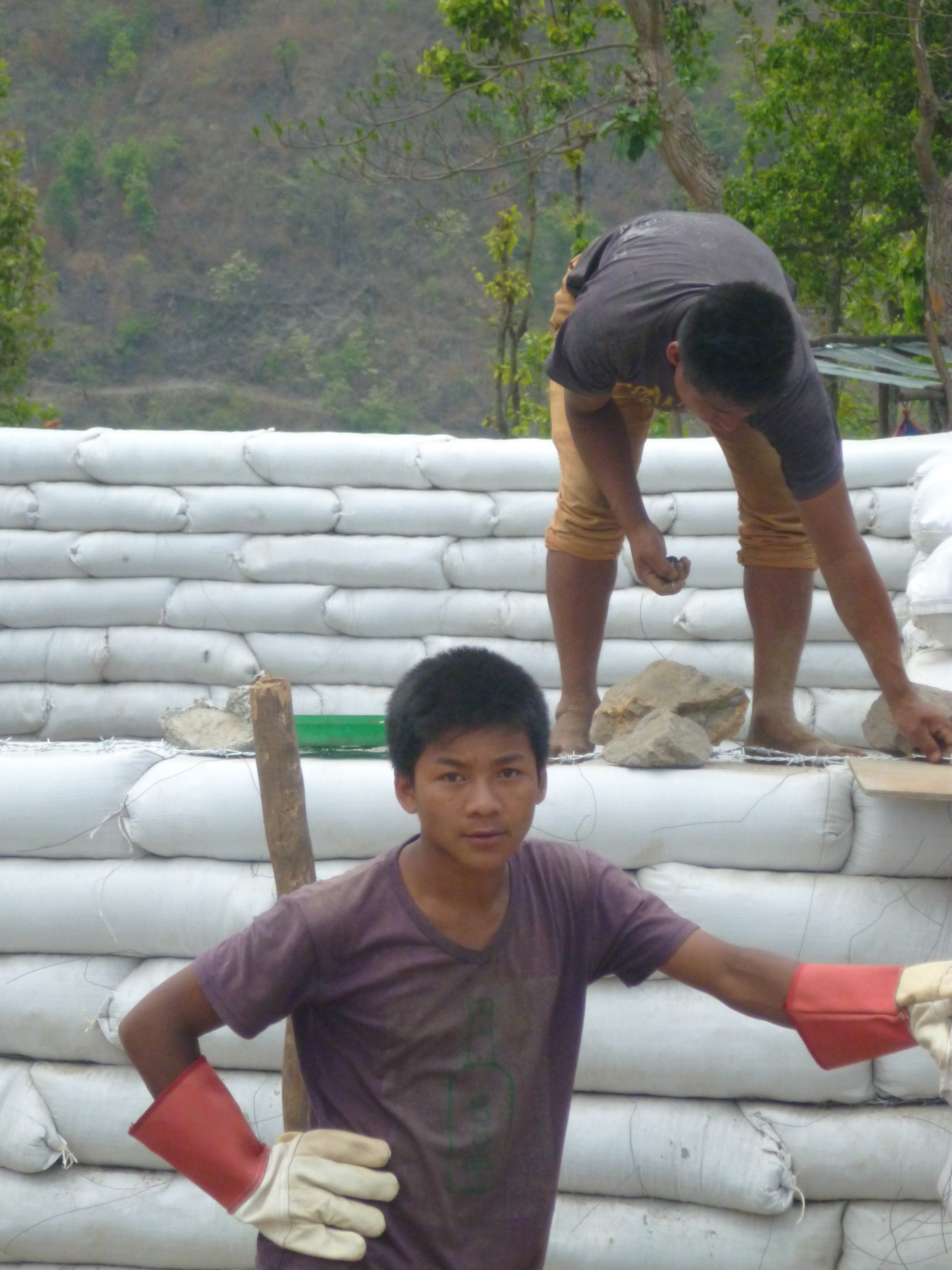
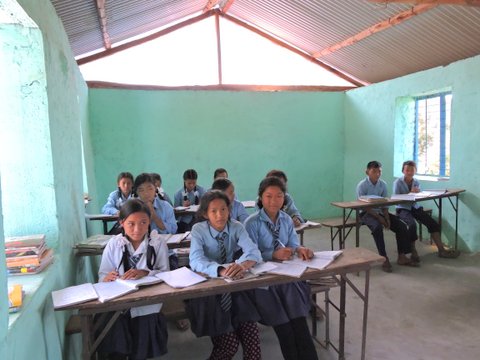
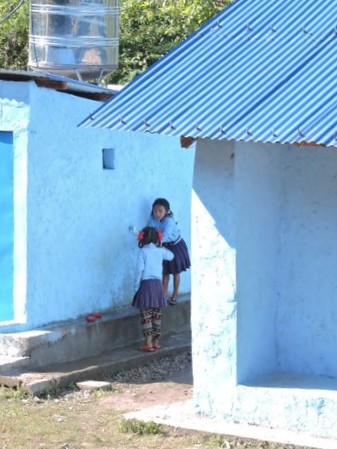
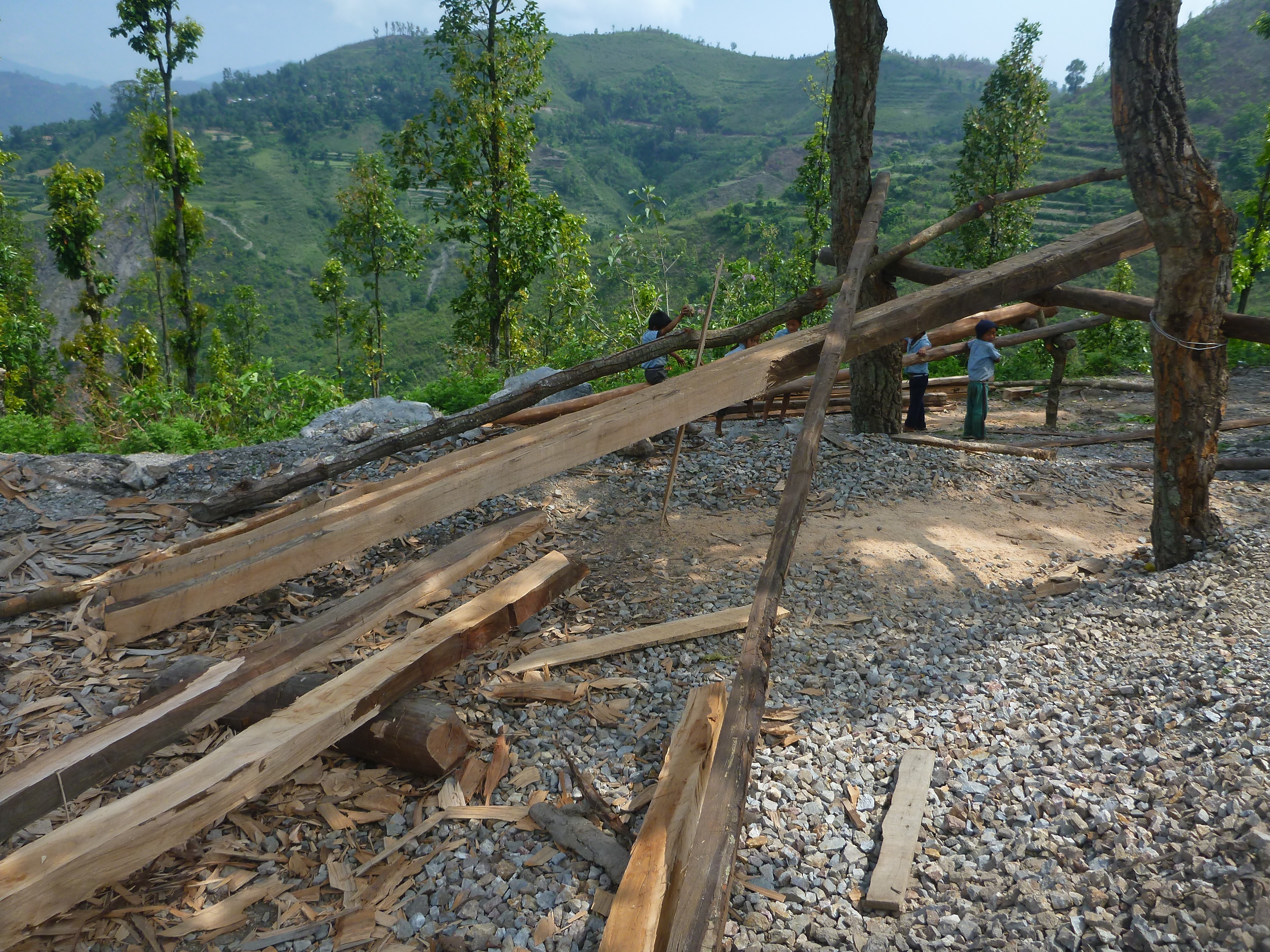
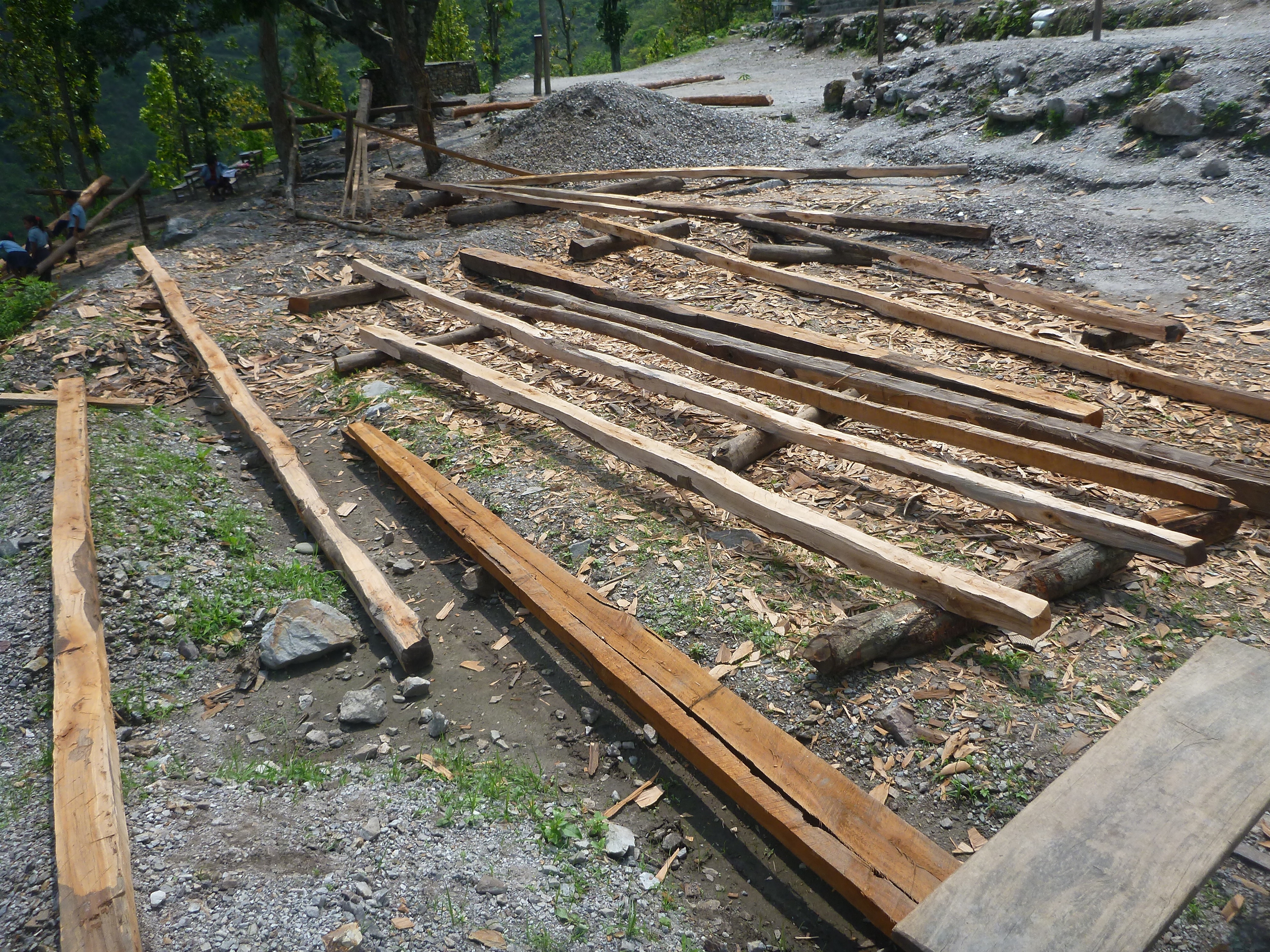
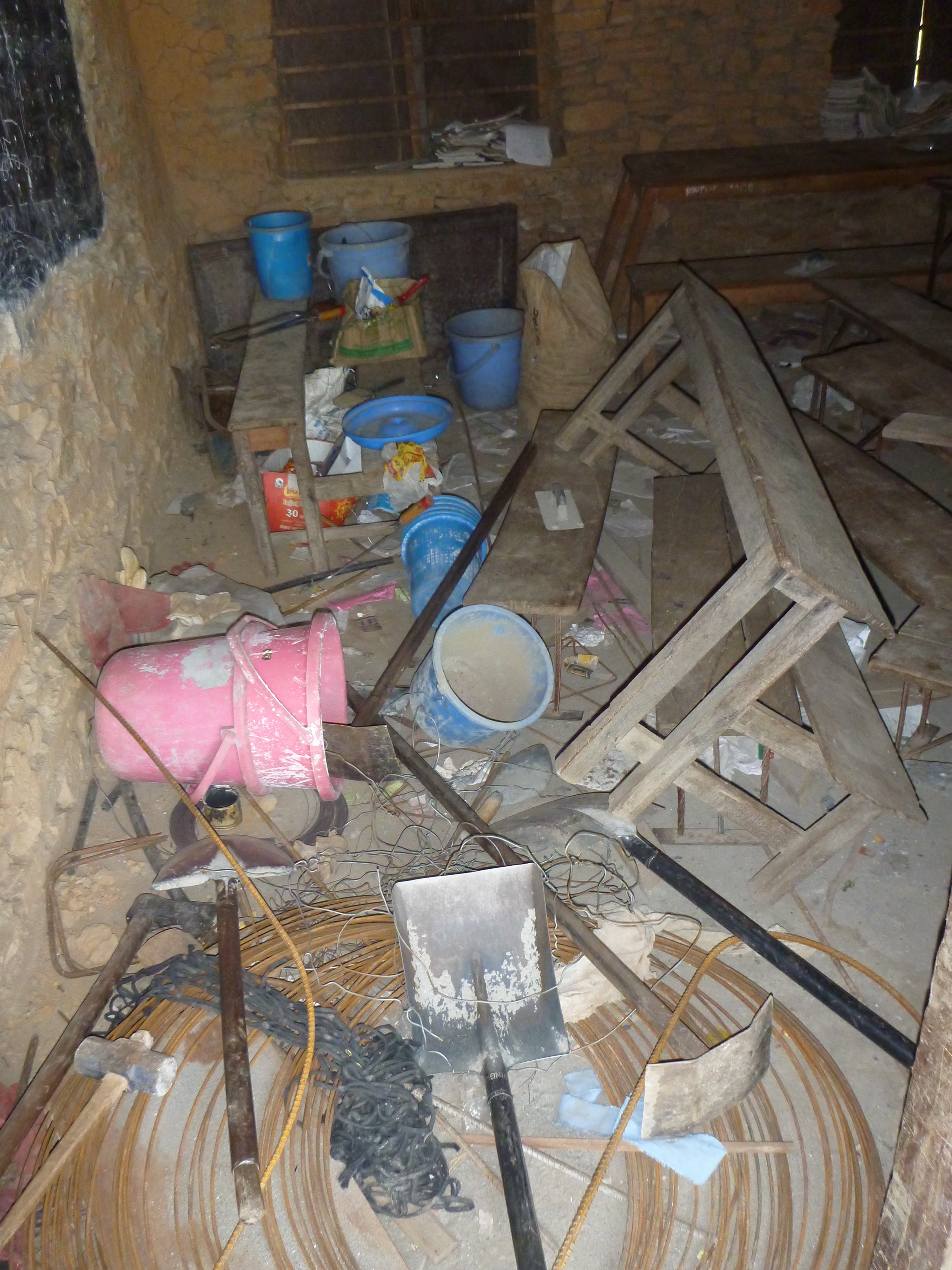
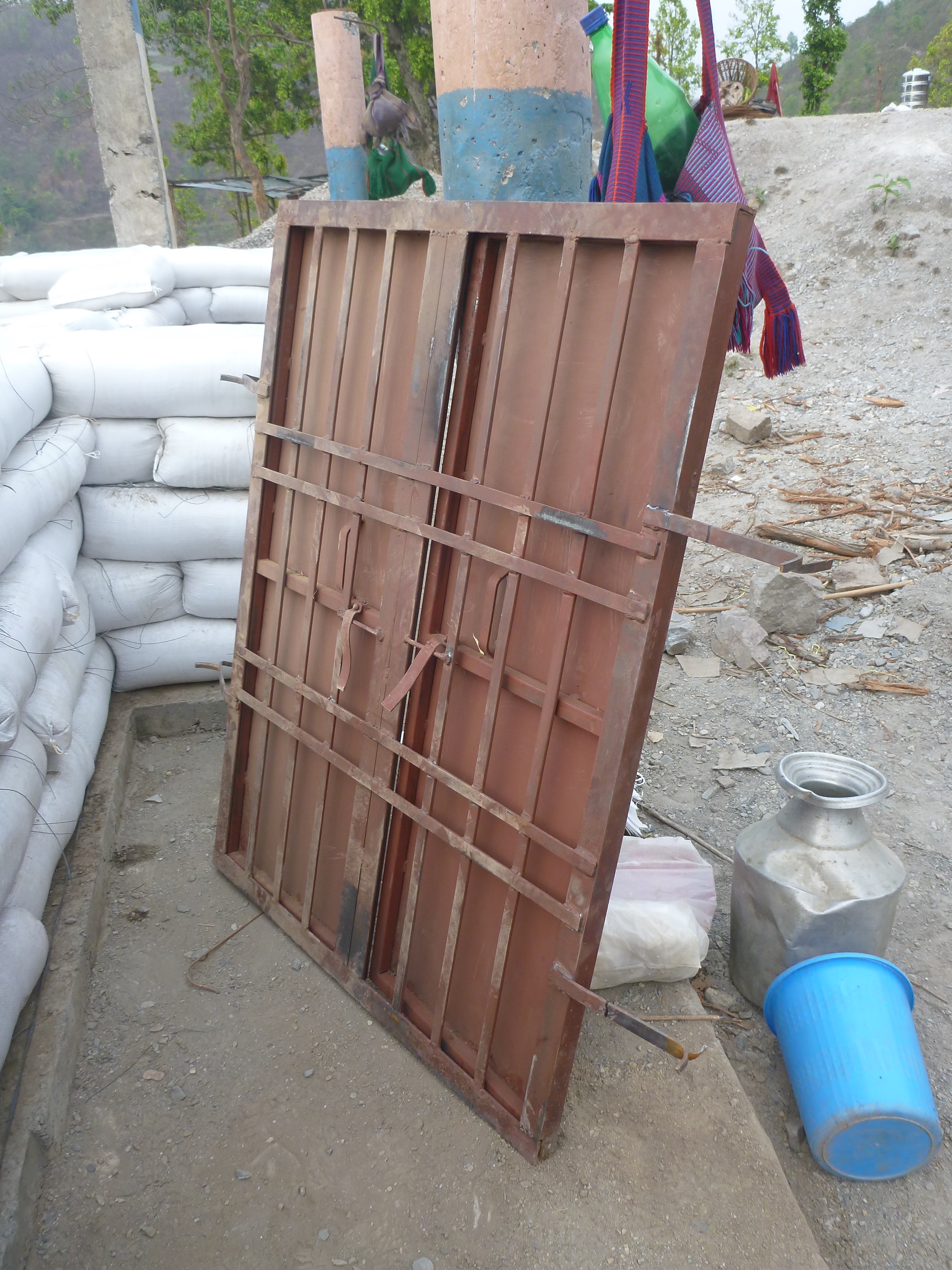
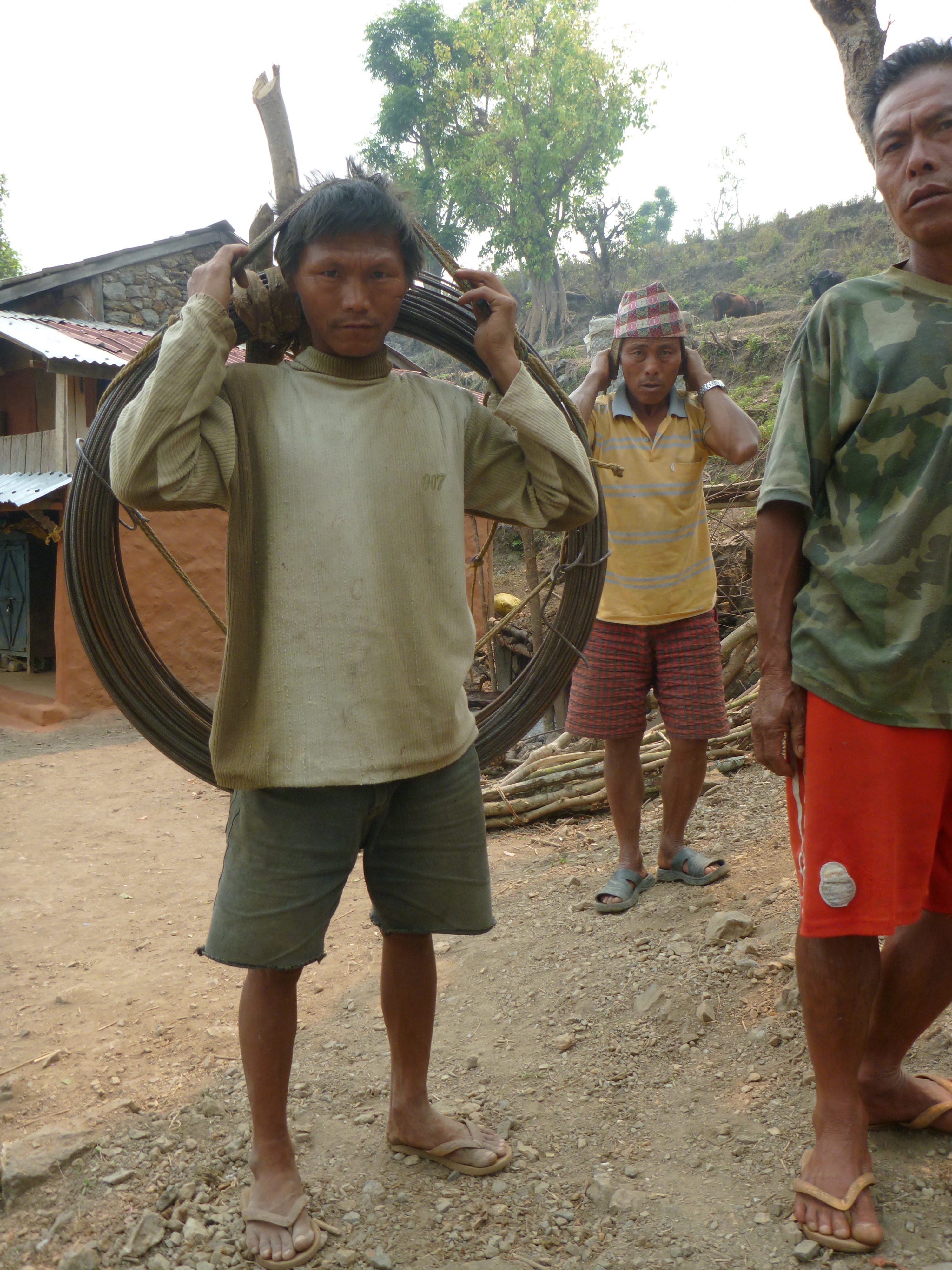
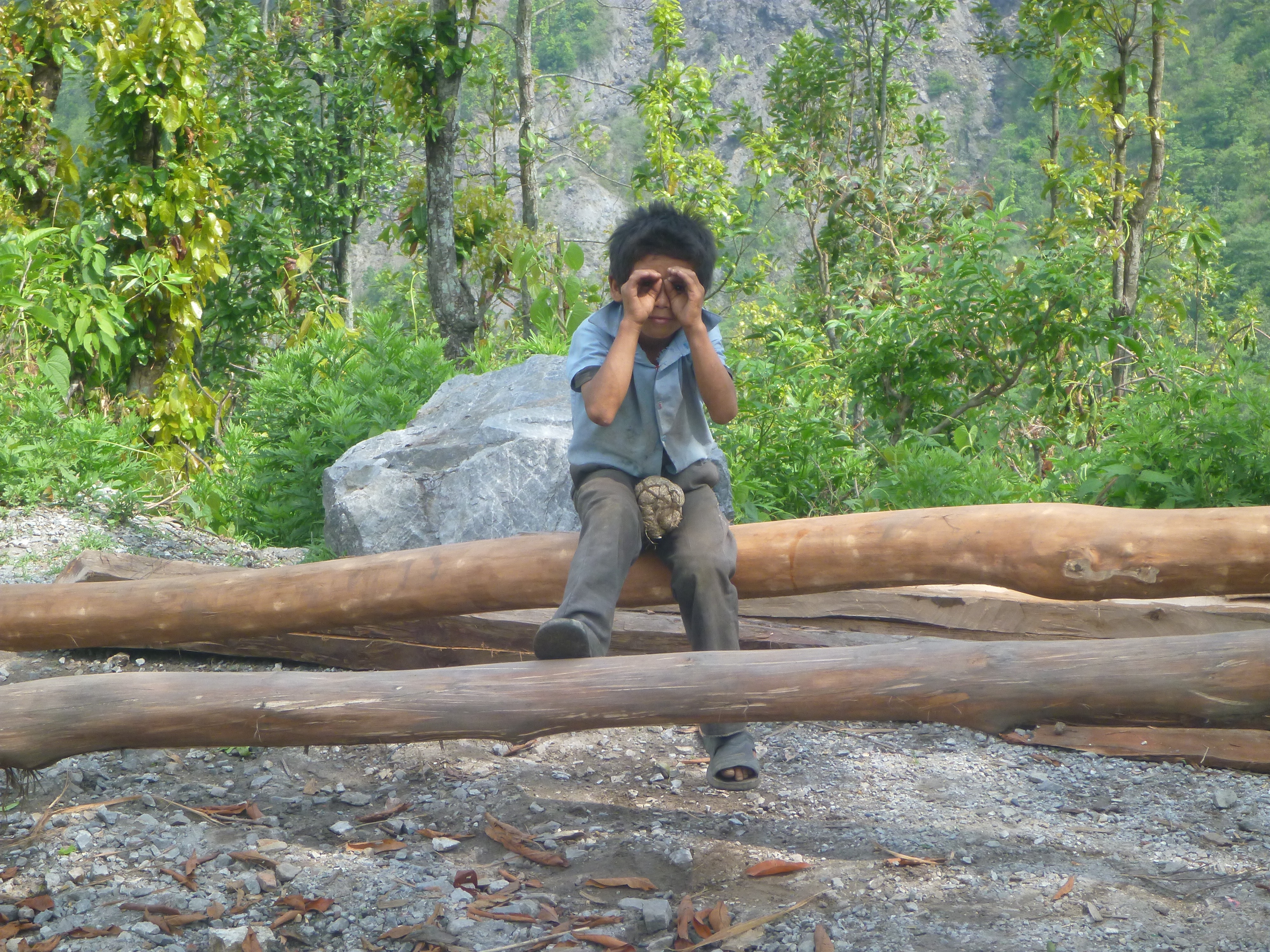
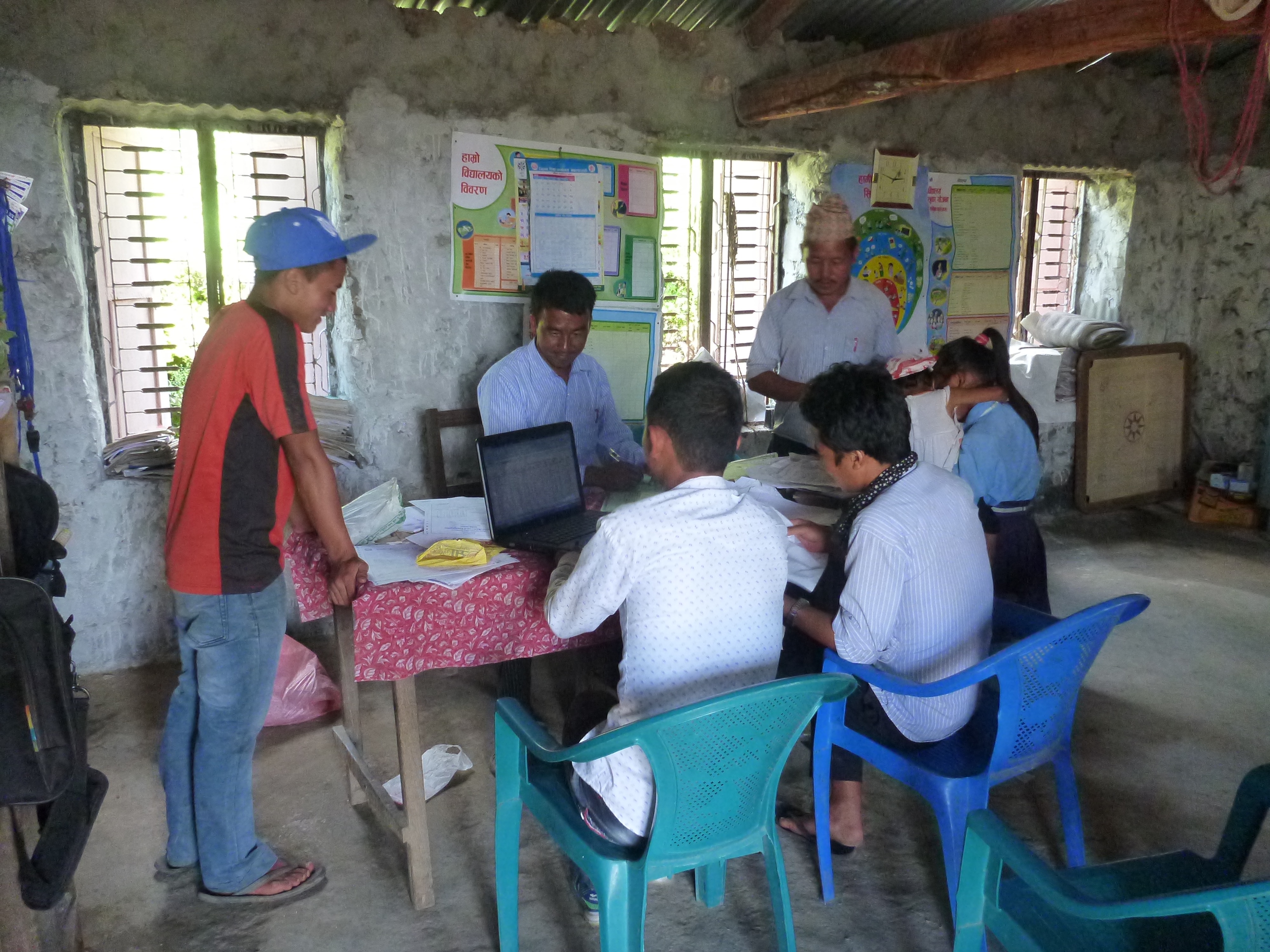
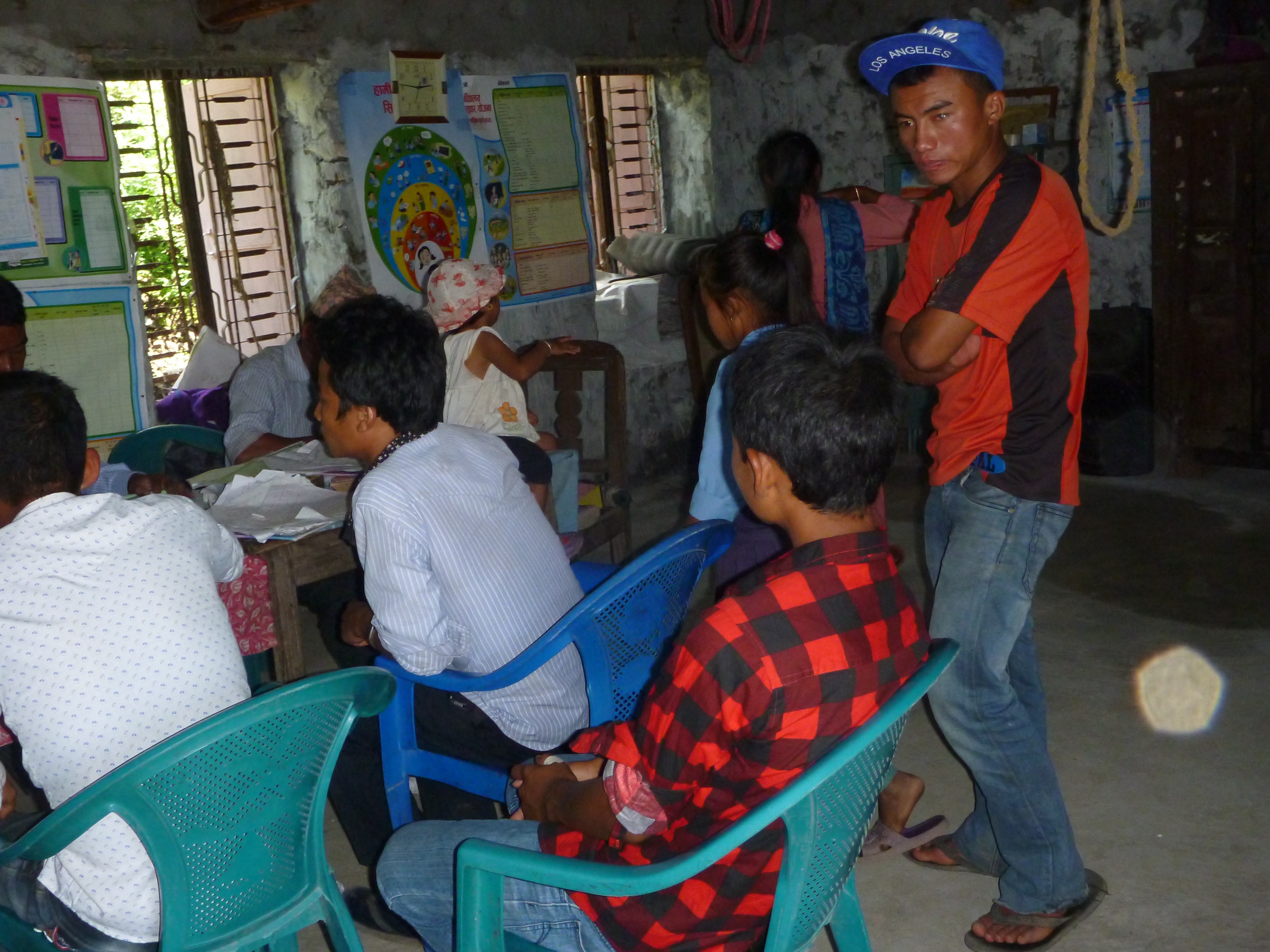
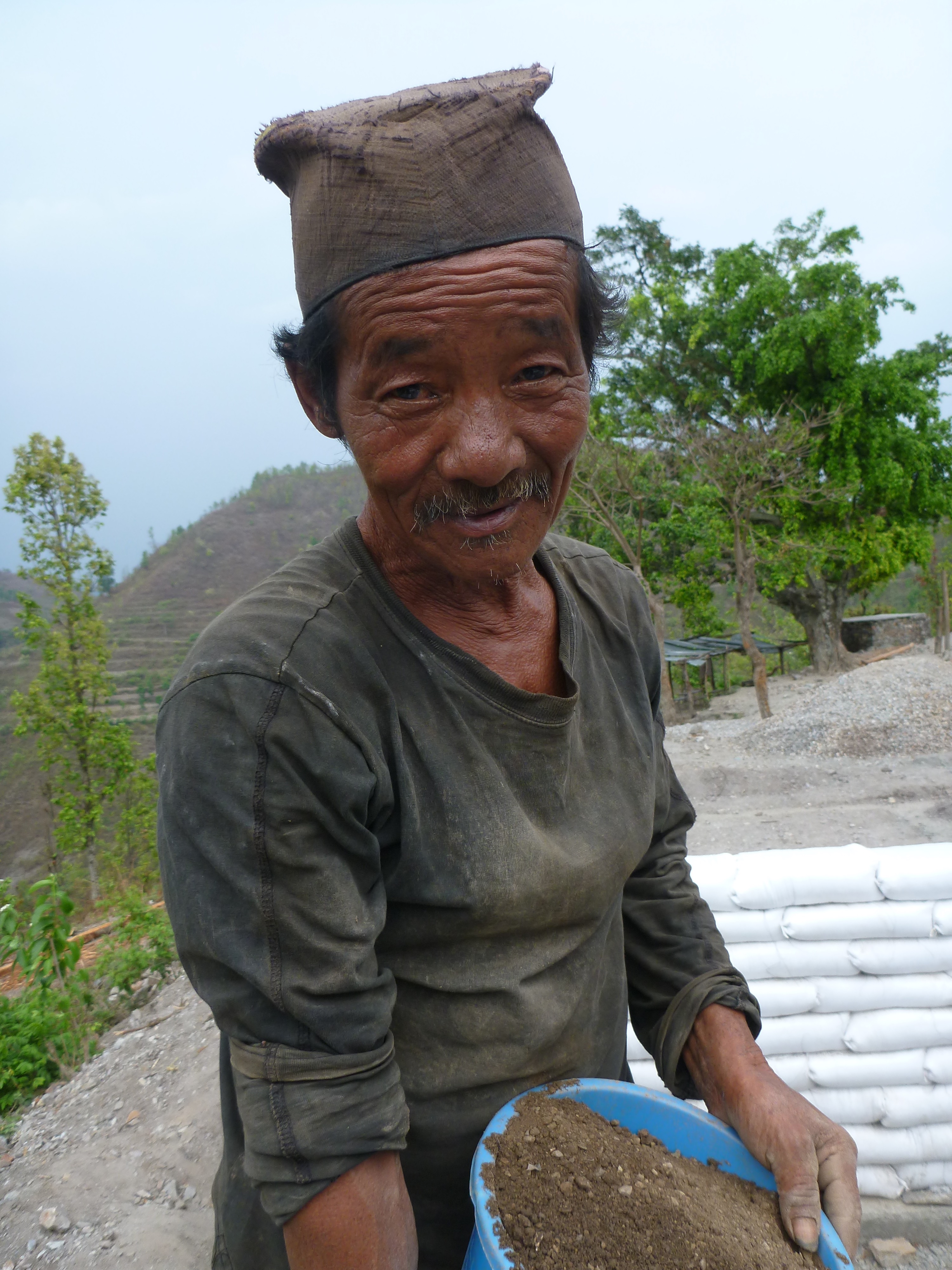
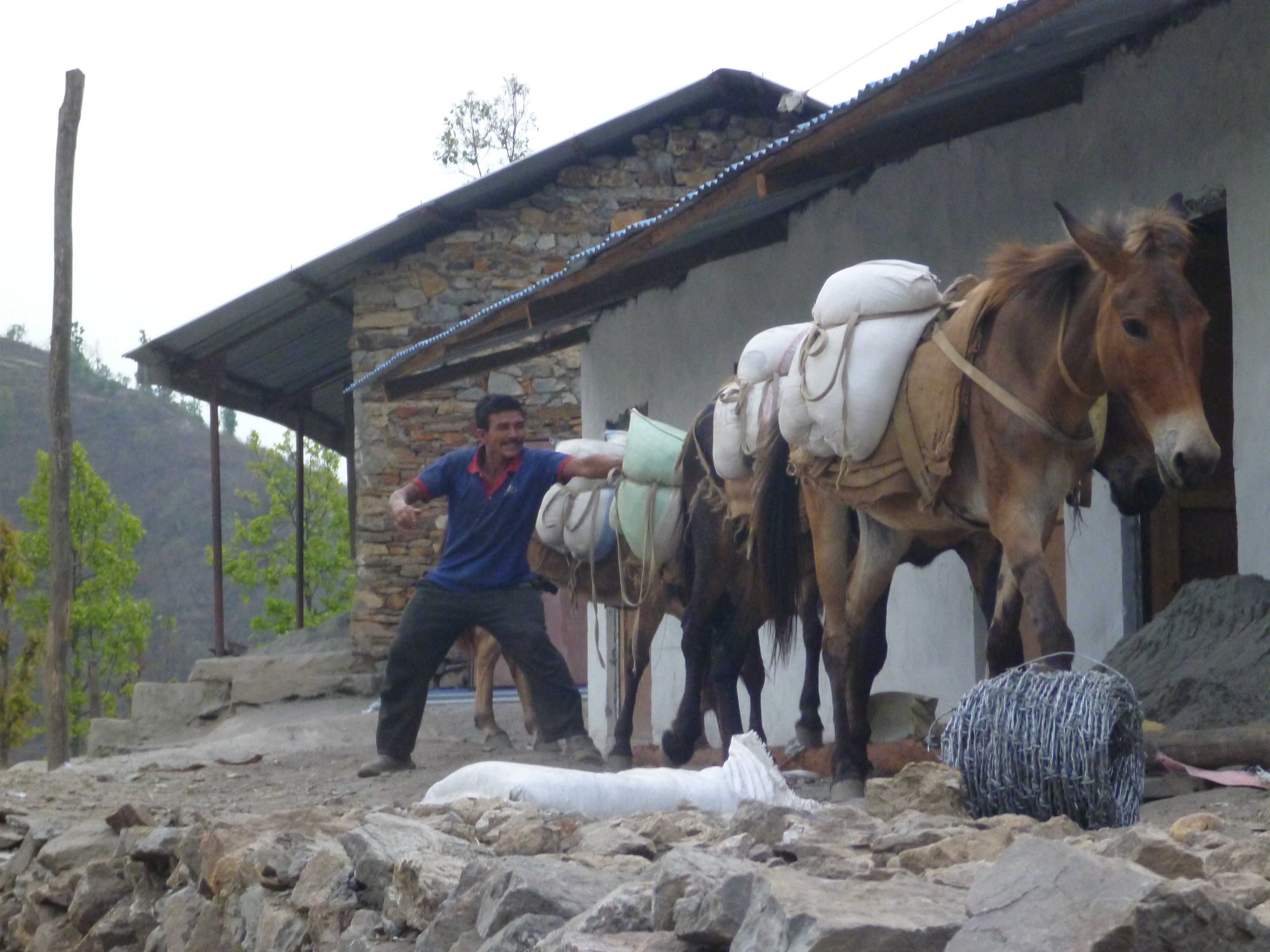
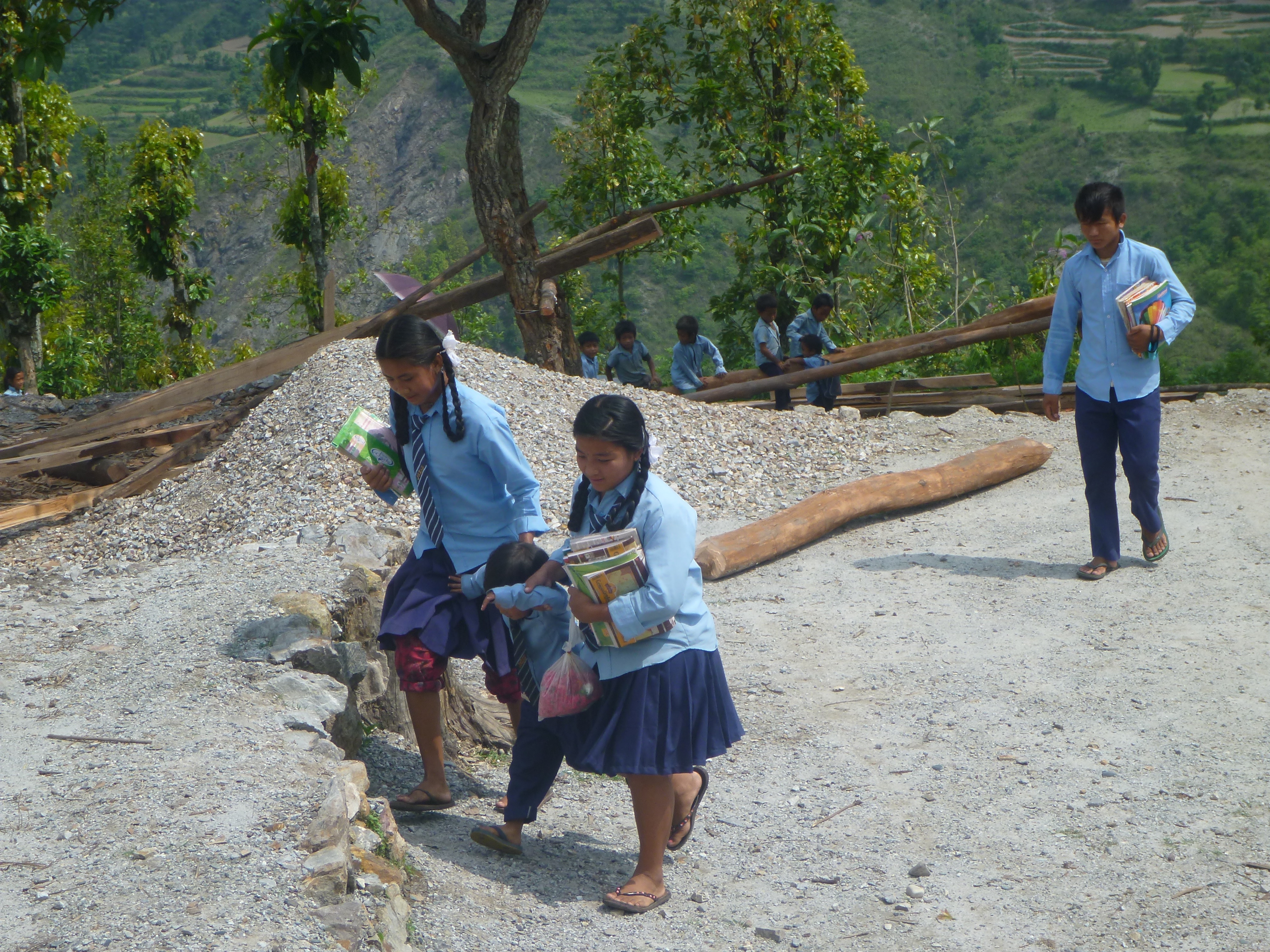
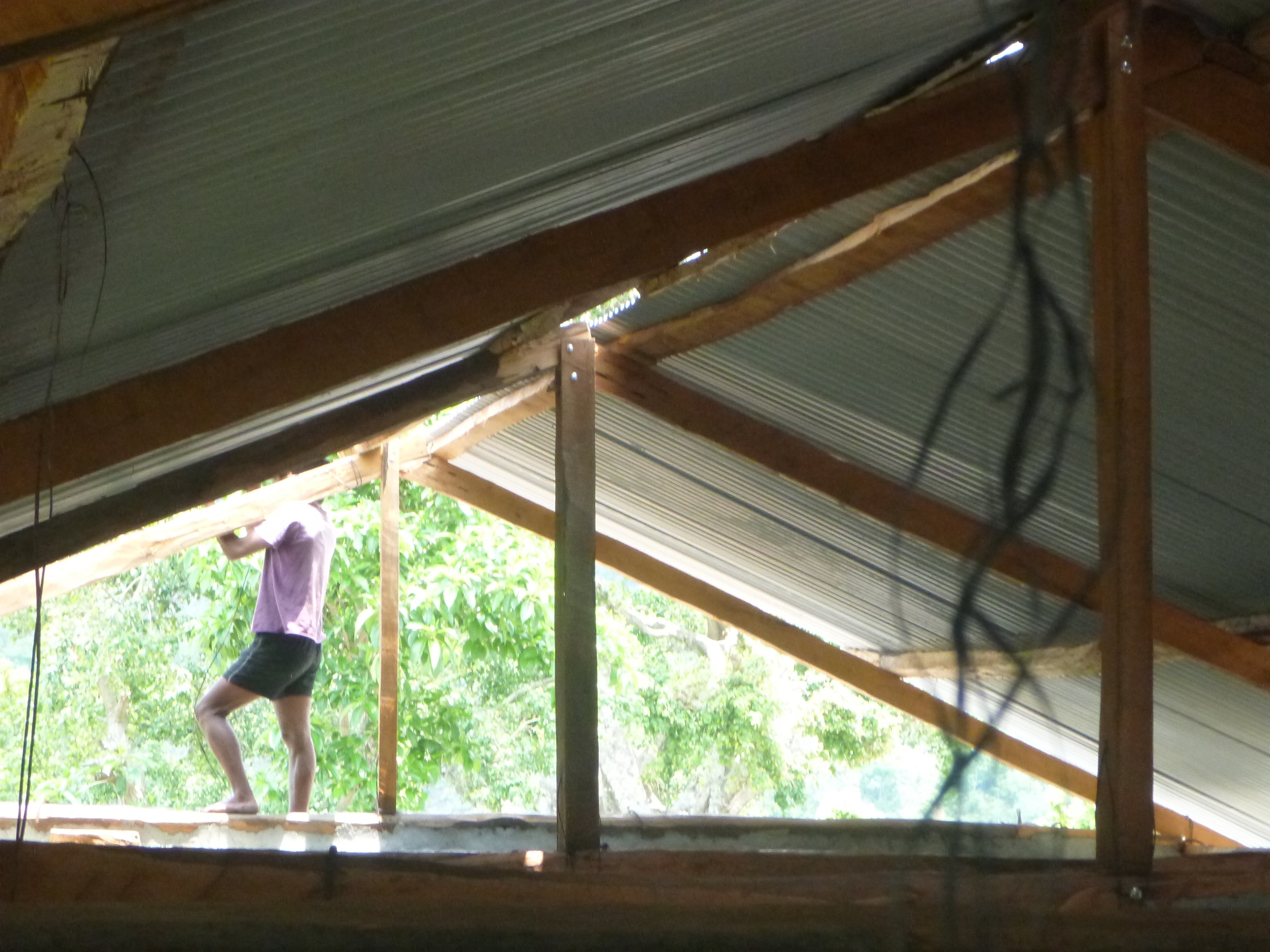
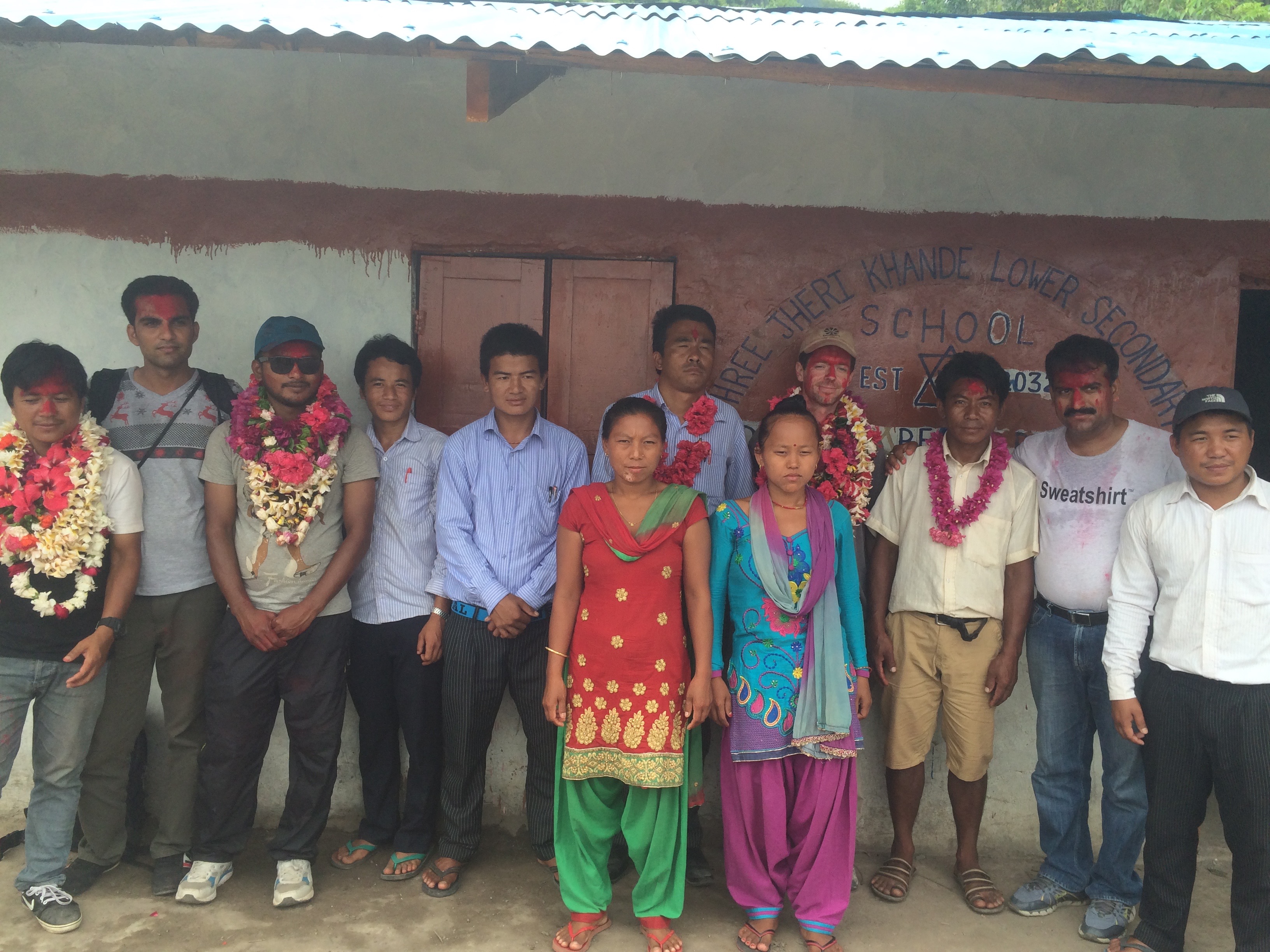
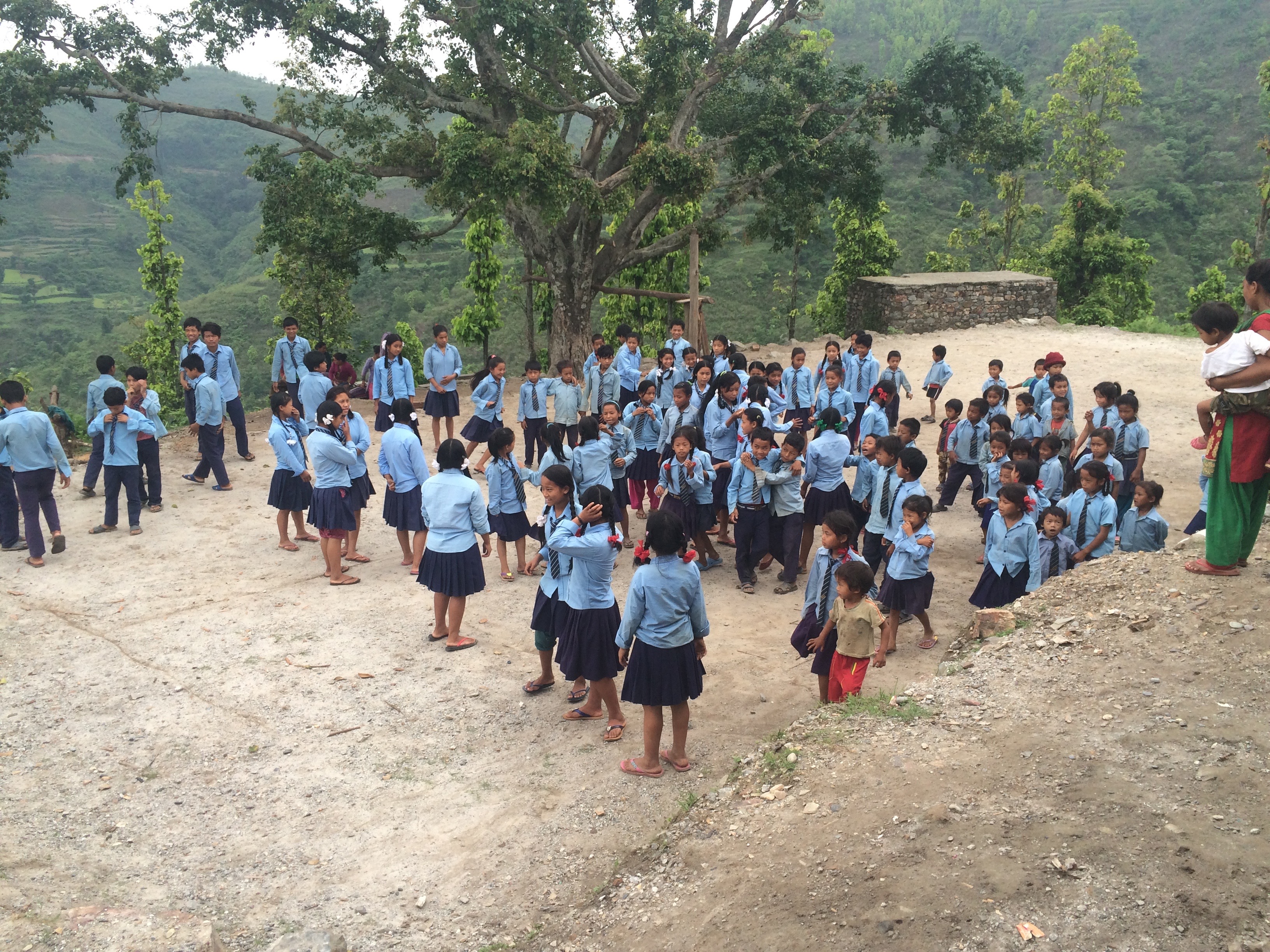
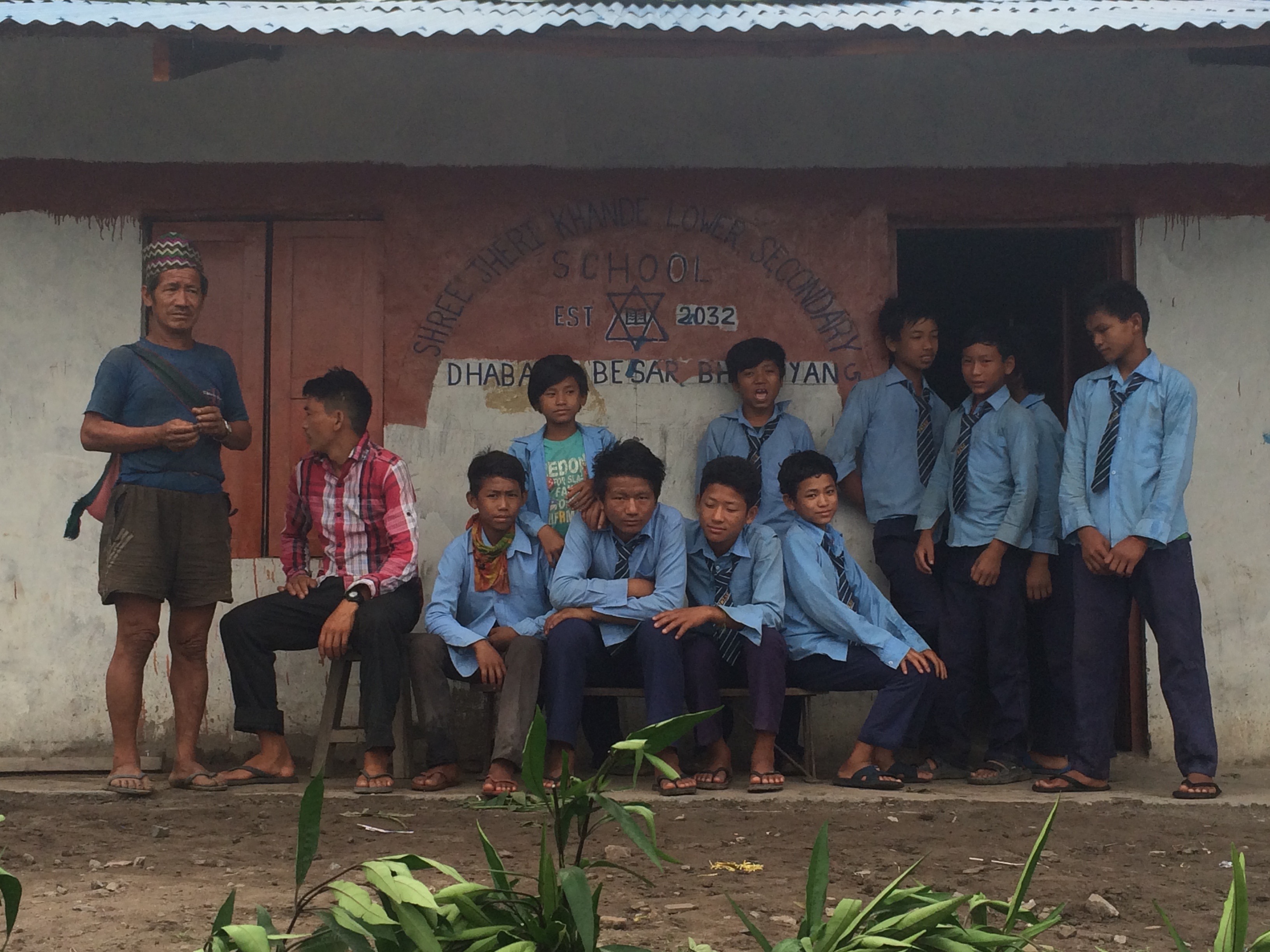
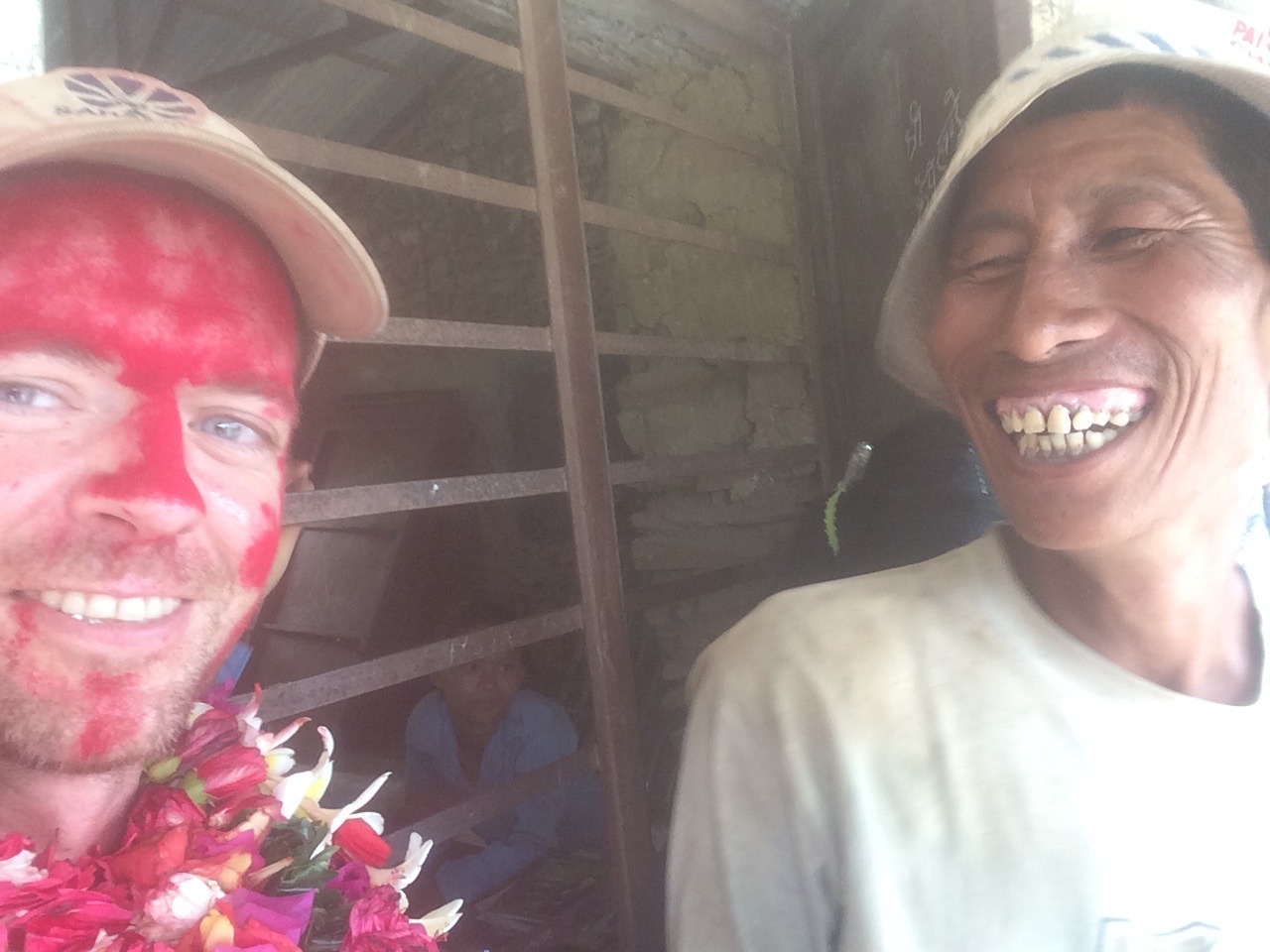
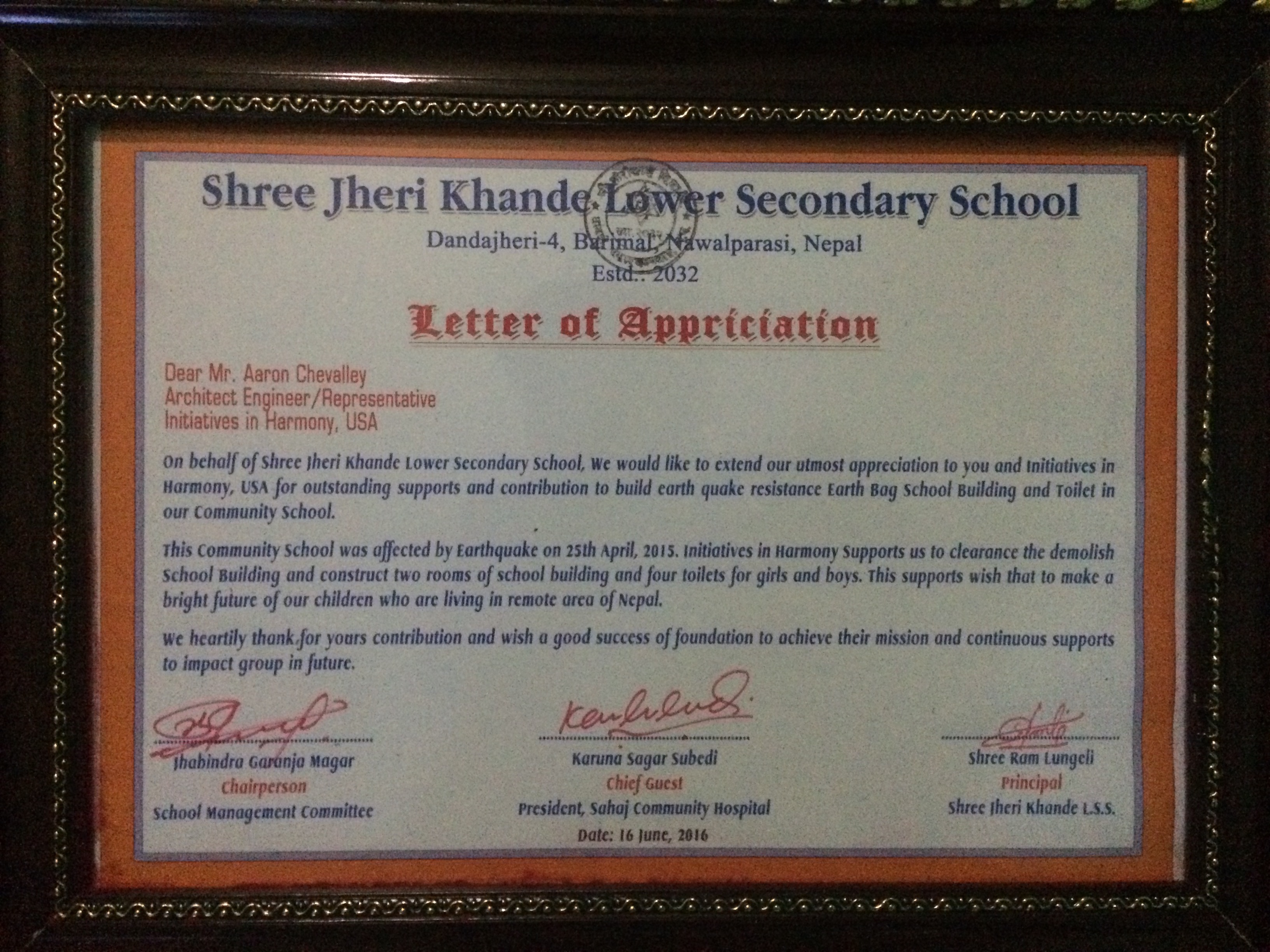
This project started as a pilot project for a new NGO based in the USA called Initiatives in Harmony.  The goal was to replace a damaged schoolhouse with an earthbag constructed 2-classroom building.  The site was only accessible on foot, no electricity on-site and materials took 2-3 days to reach the site.  Roughly 40 local community members were involved in the construction.  

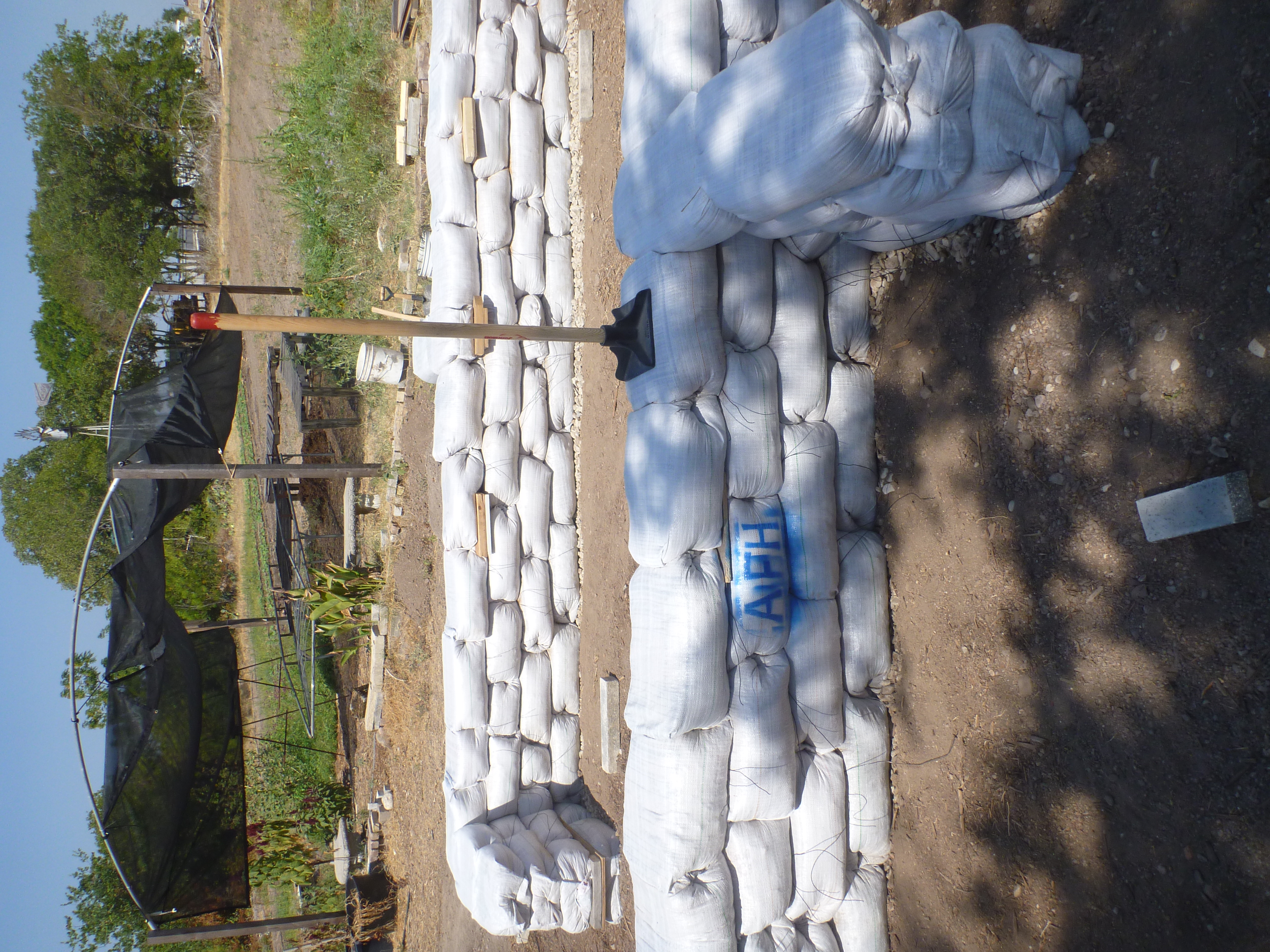
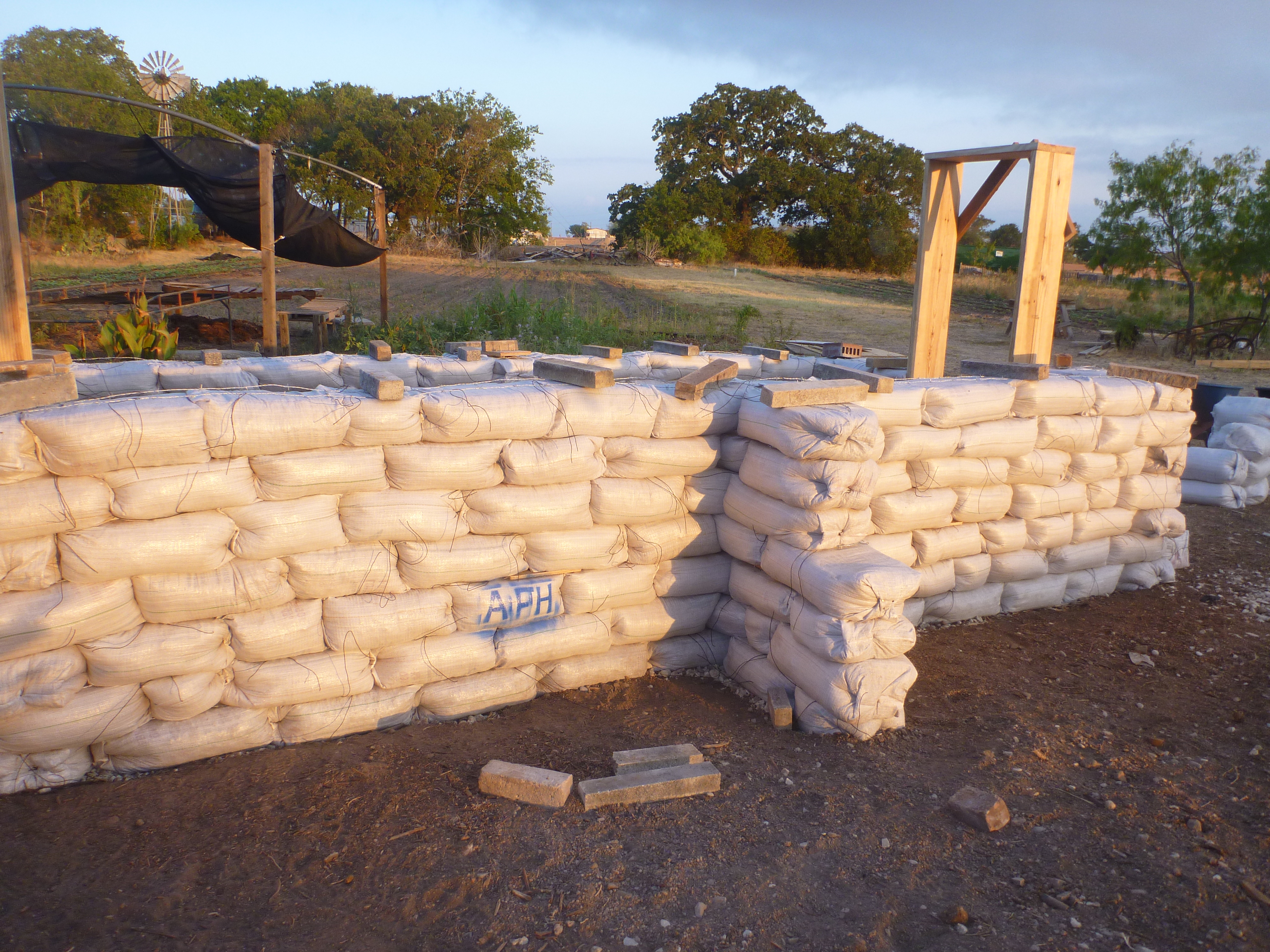
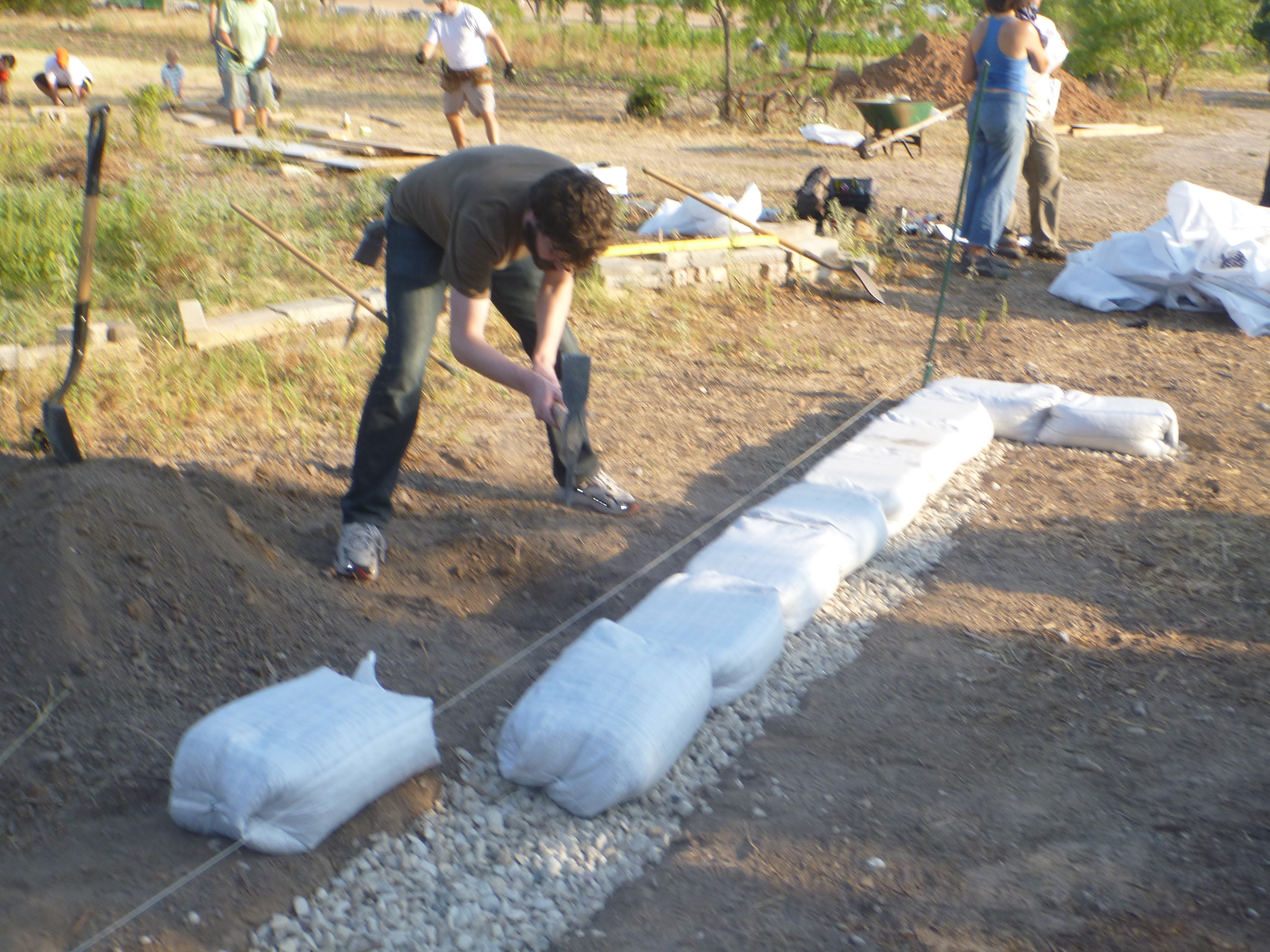
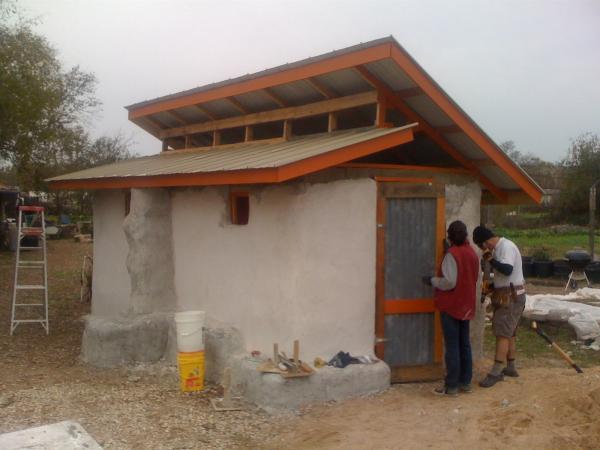
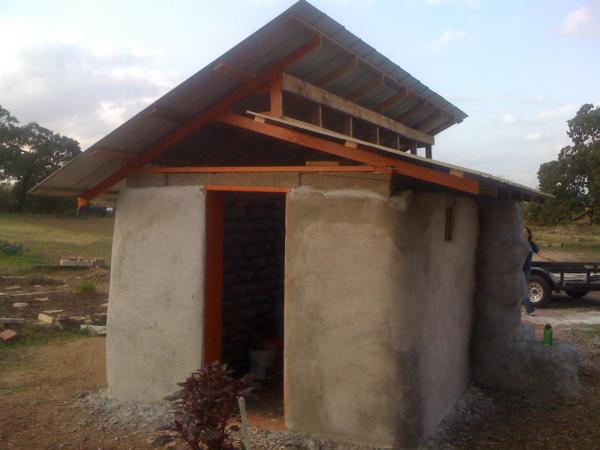
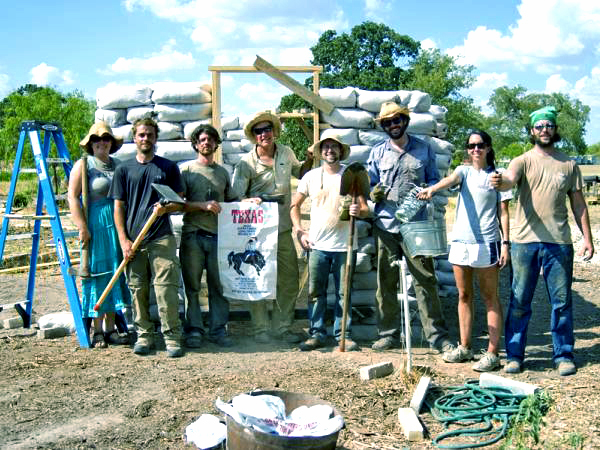
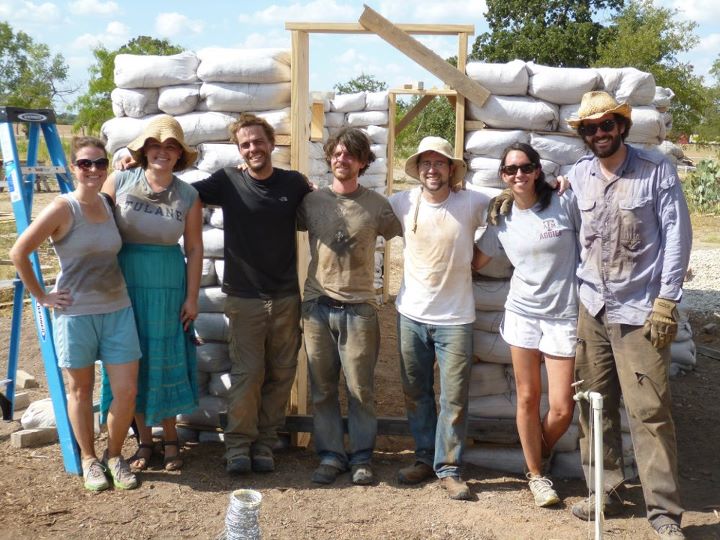
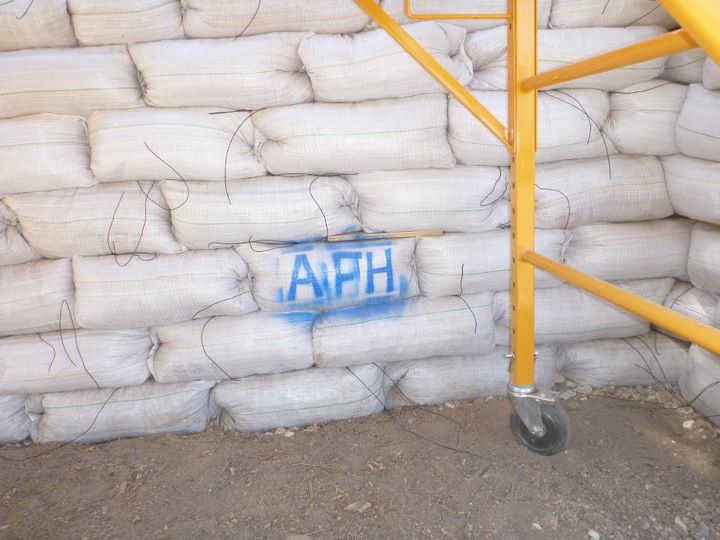
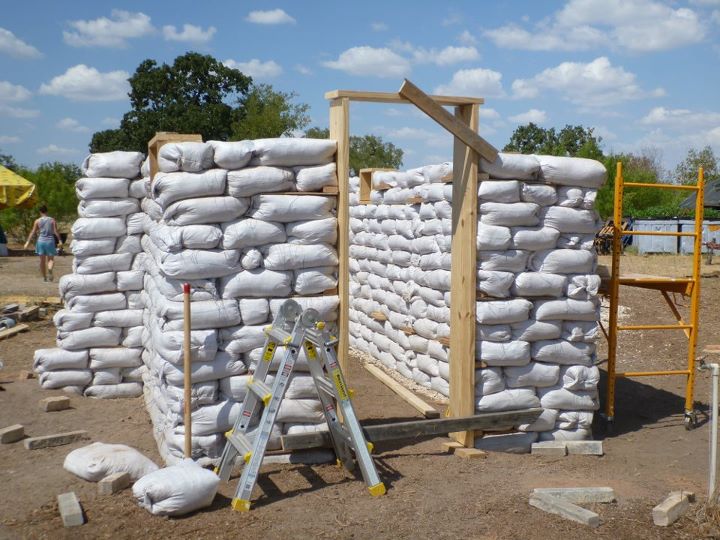
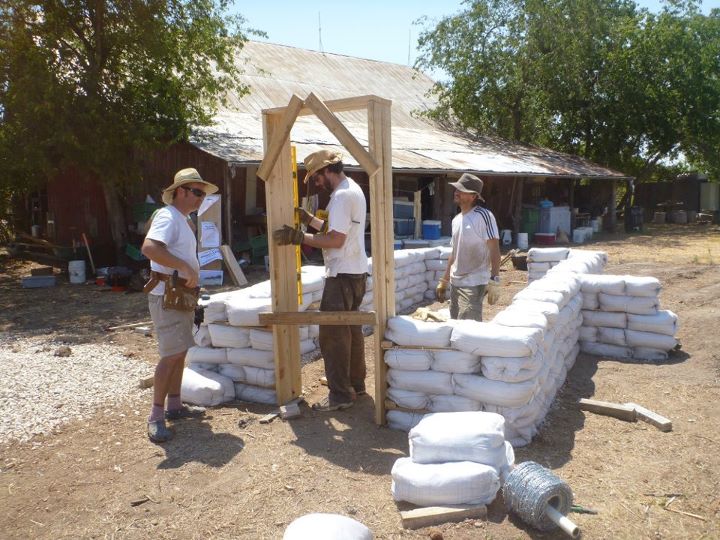
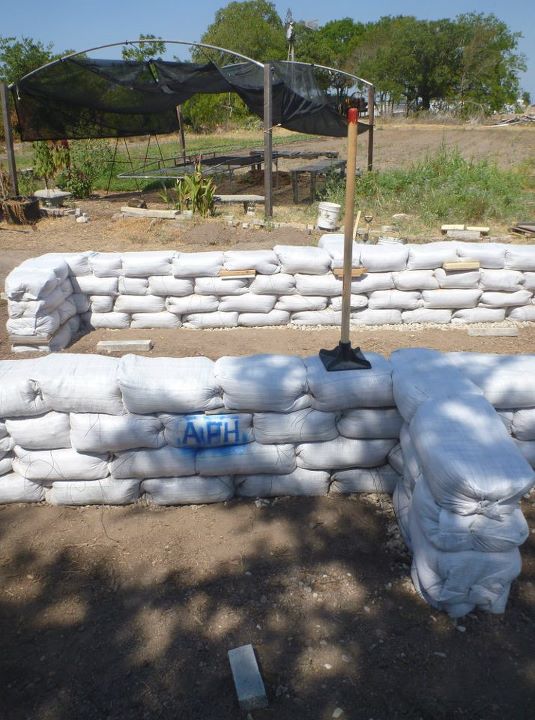
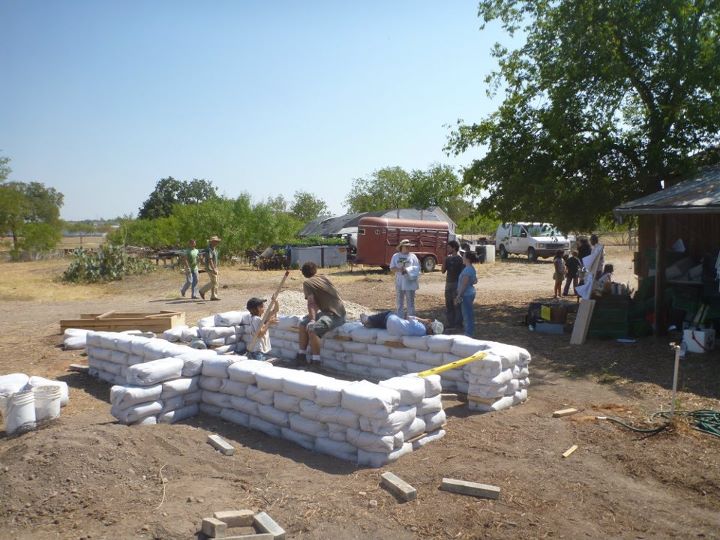
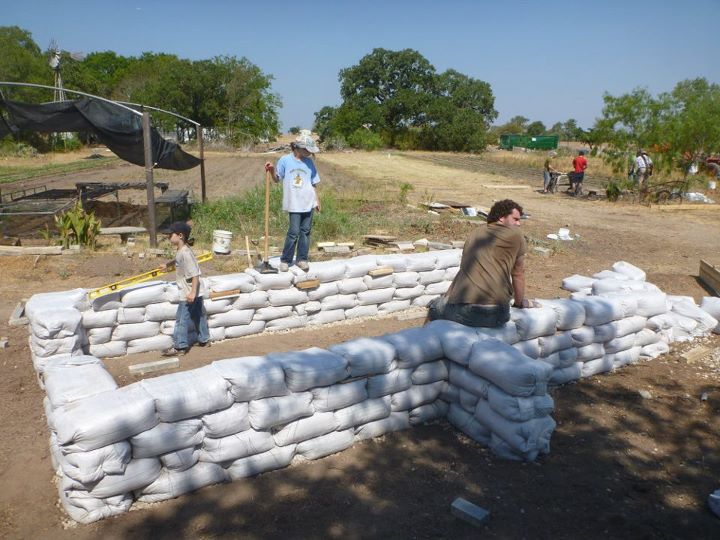
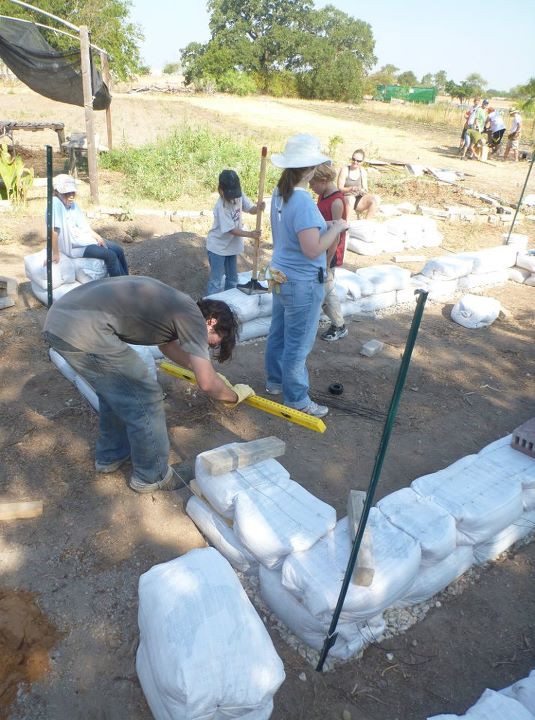
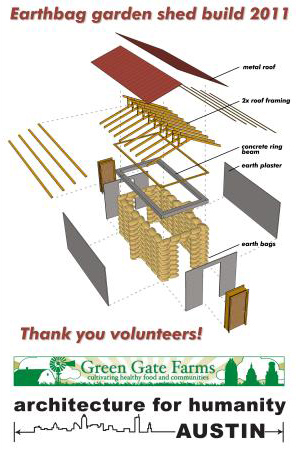
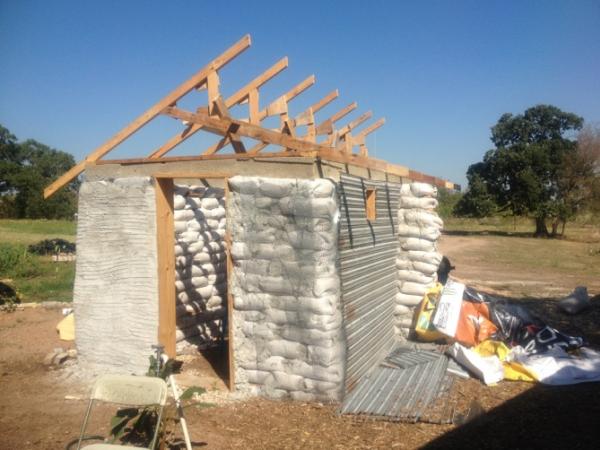
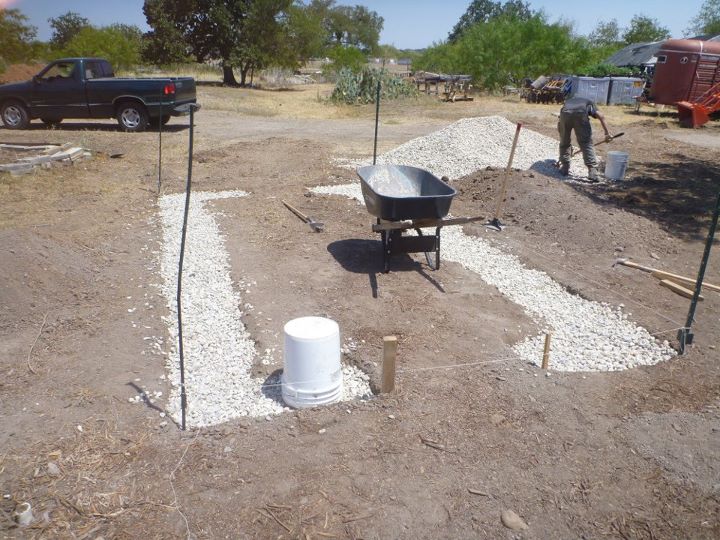
AUSTIN, TEXAS  "Earthbag Workshop"

bottom of page